Vintage 70s Kitchens Blending Retro Style and Smart Tech
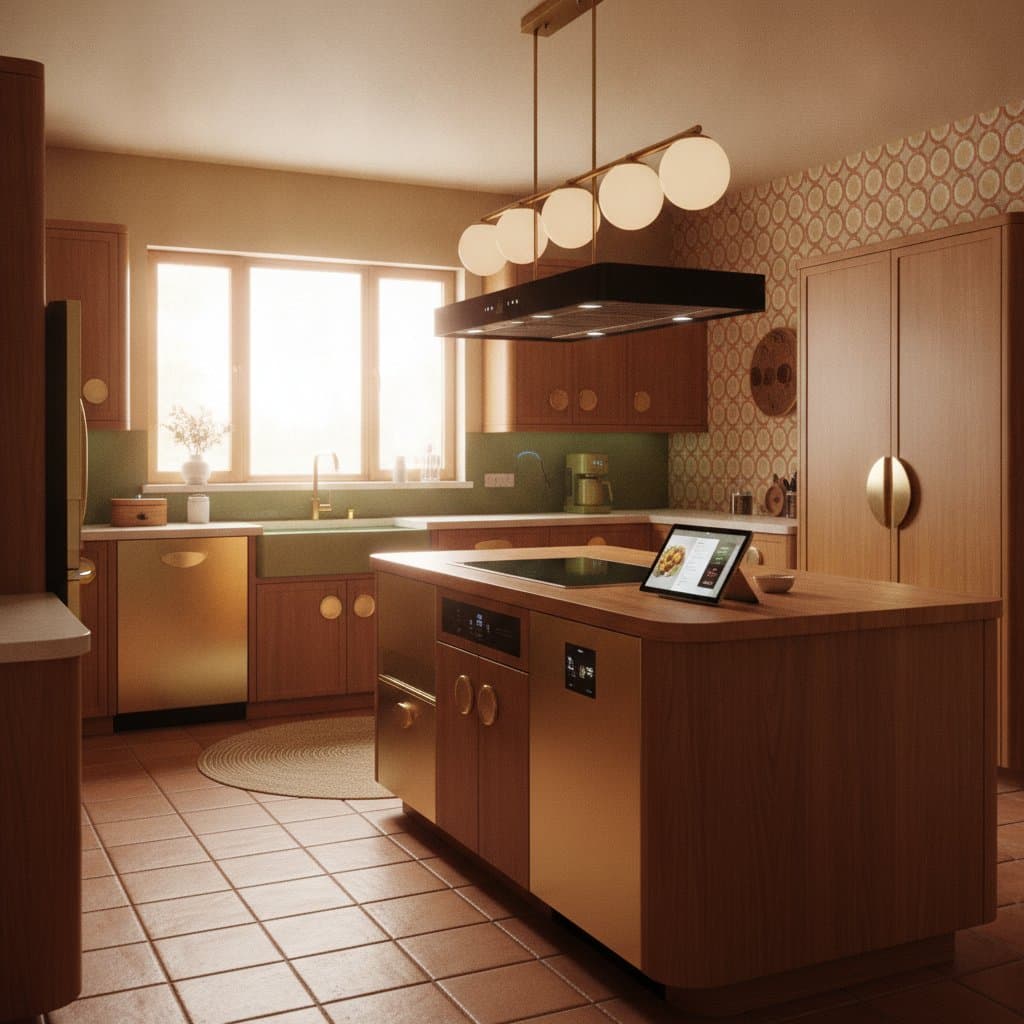
Imagine stepping into your kitchen each morning and being greeted by warm honeyed wood cabinets, a pop of avocado green, and the gleam of modern smart appliances humming quietly in the background. The space feels nostalgic yet effortlessly current. That is the magic of a vintage 70s kitchen reimagined for modern living.
You can capture that same charm and pair it with cutting-edge convenience to transform your kitchen into a lively, efficient hub that reflects both personality and practicality.
Why the 70s Kitchen Style Still Captivates
The appeal lies in its character. The 70s kitchen celebrated individuality with bold colors, curvy lines, and tactile materials. It was a decade not afraid of personality.
Earthy tones like mustard, burnt orange, and forest green mingled with chrome, laminate, and warm wood. Those details evoke comfort, and they still resonate today as homeowners seek warmth and authenticity over sterile minimalism.
Modern design has swung back toward that lived-in feeling. The 70s aesthetic offers a versatile foundation that fits beautifully with sustainable and tech-forward goals.
The Challenge and the Opportunity
The challenge is balancing authenticity with functionality. You want to evoke the spirit of the 70s without sacrificing the ease of modern technology. Original materials and fixtures can be expensive or impractical.
A thoughtful blend of vintage-inspired finishes and smart devices creates the best of both worlds. The opportunity lies in creating a kitchen that feels personal, efficient, and timelessly stylish.
Core Elements of a 70s Revival Kitchen
To get started, focus on materials, colors, and shapes that define the era. Each element can be updated with modern performance and sustainability in mind.
- Color Palette: Think earthy yet vibrant. Olive green, harvest gold, terracotta, and creamy beige remain iconic. Balance these tones with neutral countertops or backsplash tiles to keep the space open and fresh.
- Cabinetry: Flat-front cabinets or those with rounded corners echo the 70s design language. Choose warm-toned wood veneers like walnut or teak for authenticity. For a budget-friendly option, paint existing cabinets in retro hues.
- Lighting: Globe pendants, rattan shades, or geometric fixtures capture the period look. Combine them with LED bulbs or smart lighting systems you can control from your phone.
- Flooring: Linoleum and patterned tile were staples. Today, you can find eco-friendly vinyl or ceramic options that mimic those classic looks while offering durability and easy maintenance.
- Textures: Layering is key. Mix glossy surfaces with woven textiles, macramé plant hangers, or patterned wallpaper for depth and warmth.
Integrating Smart Technology Seamlessly
You can keep the retro feel while embracing cutting-edge convenience. The trick is subtlety. Technology should serve the design, not dominate it.
- Smart Appliances: Look for retro-style refrigerators, ovens, and toasters that come with smart features like energy monitoring or app-based control. Several brands now design appliances that look vintage but function with modern precision.
- Voice-Activated Devices: Hide small smart speakers inside cabinetry or blend them among décor items. They can control lights, timers, and even temperature without cluttering the design.
- Hidden Charging Stations: Keep countertops clear by installing discreet charging drawers or under-cabinet outlets. This maintains the clean retro look while catering to daily digital needs.
- Smart Lighting Scenes: Program lighting zones that shift from bright and functional during the day to soft and ambient in the evening. It evokes that cozy 70s glow without relying on old fixtures.
Practical Considerations Before You Begin
A remodel that combines vintage and modern elements requires careful planning. Here are key points to consider before diving in.
- Budget Range:
- Low to Mid Range: Repaint cabinets, replace hardware with retro-inspired pulls, and add peel-and-stick backsplash tiles. Expect costs to stay manageable, especially if you reuse existing layouts.
- Mid to High Range: Replace flooring, install new energy-efficient appliances, and upgrade lighting. Costs increase with custom cabinetry and integrated tech systems.
- Premium Level: Full gut renovations with high-end retro replicas, authentic vintage pieces, and seamless smart home integration can reach a substantial investment.
- Permits and Professional Help: If your plan involves electrical rewiring or new plumbing, you will need permits and licensed professionals. It is always best to consult a local contractor who understands both design and code requirements.
- Timeline: Smaller updates can take a few weeks, while full-scale remodels may span several months depending on material availability and complexity. Build flexibility into your schedule to accommodate any restoration or sourcing challenges.
- Safety and Sustainability: Be cautious with older homes that might contain lead paint or asbestos in flooring or insulation. Have a professional assess these risks before demolition. Choose low-VOC paints and eco-friendly materials to keep indoor air fresh and healthy.
Blending the Old and the New: Design Strategies That Work
To make your vintage-inspired kitchen feel cohesive, unify your design choices around a central theme. Here are strategies that can help you create harmony between retro charm and modern ease.
- Keep the Layout Functional: The 70s love for open-plan kitchens means you can easily adapt to contemporary flow. Add an island with bar seating or a breakfast bench to encourage social cooking and conversation.
- Use Color as a Bridge: Pair bold vintage shades with sleek neutral finishes. For instance, avocado cabinets look vibrant against white quartz countertops and stainless-steel accents.
- Curate Accessories: Small touches make a big difference. Patterned tea towels, ceramic canisters, and a retro clock tie the look together without overwhelming the space.
- Mix Materials Thoughtfully: Combine smooth laminate surfaces with textured brick or wood for balance. This interplay creates warmth and visual interest.
- Incorporate Greenery: Hanging plants or a small herb garden bring life to the space and soften hard edges. It is an easy nod to the 70s love for nature indoors.
Planning Your Renovation
When the last tile is set and the final appliance is connected, you will have more than a kitchen. You will have a nostalgic yet forward-thinking space that reflects your lifestyle. It is not just about style. It is about comfort, efficiency, and joy in daily living.
The hum of a smart oven preparing dinner while a retro pendant casts a golden glow across the countertop reminds you that good design connects eras, emotions, and experiences. Gather inspiration from local showrooms or vintage markets to find authentic touches. Then compare proposals from qualified professionals who understand both the look and the logistics.