Acoustic Panels Create Peaceful Living Room Retreats
Imagine sinking into your favorite chair after a long day. The hum of traffic, chatter from the next room, and echoes from the television fill the space. Constant noise can make even a well designed living room feel restless. Acoustic panels offer a direct solution to turn the room into a serene retreat.
Why Noise Feels So Distracting
Sound behaves differently depending on the surfaces it meets. Hard materials such as glass, tile, and wood reflect sound waves. This creates echoes and amplifies background noise. Many modern homes favor open layouts with high ceilings. These designs look striking yet often produce acoustically harsh rooms. Voices may carry farther than expected. The television may seem louder than necessary. These signs indicate that the space could benefit from acoustic treatment.
Noise affects rest, focus, and connection with others. A comfortable living room should support conversation, relaxation, and calm energy. Acoustic panels achieve this balance without sacrificing style.
The Appeal of Acoustic Panels
Acoustic panels absorb sound rather than reflect it. Their versatility stands out. They appear in many colors, materials, and shapes that complement existing decor. A minimalist space with soft neutrals or a bold statement wall both work with the right panels.
The goal extends beyond blocking noise. Panels shape the acoustic quality of the home so every sound feels intentional. The right choice turns an echoing room into a cozy setting for movie nights, reading, or conversations.
Exploring Acoustic Panel Options
Several panel types exist. Each offers a distinct balance of design and performance.
-
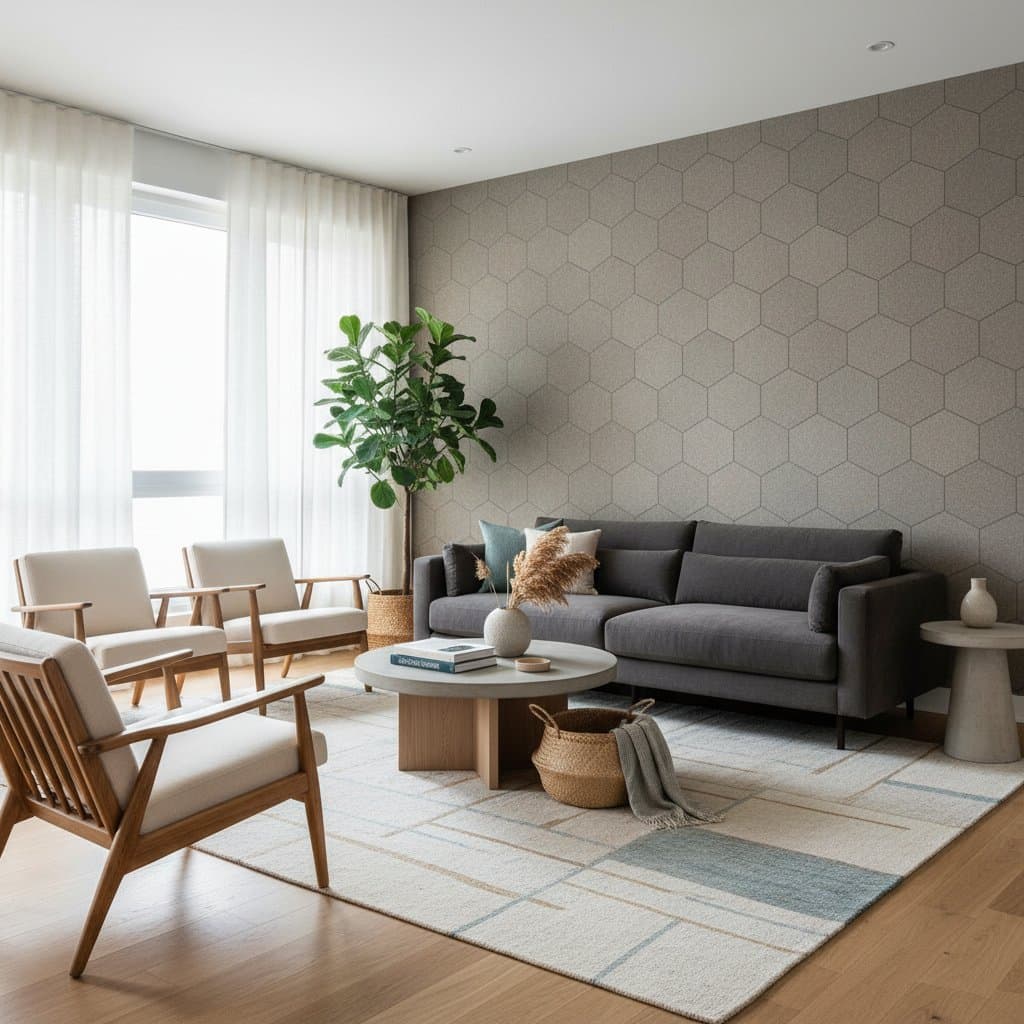
Fabric wrapped panels rank as the most common option. They come in wide color and texture ranges. These panels absorb mid to high frequencies and suit living areas where speech clarity matters. Homeowners often use them as framed wall art or behind a sofa.
-
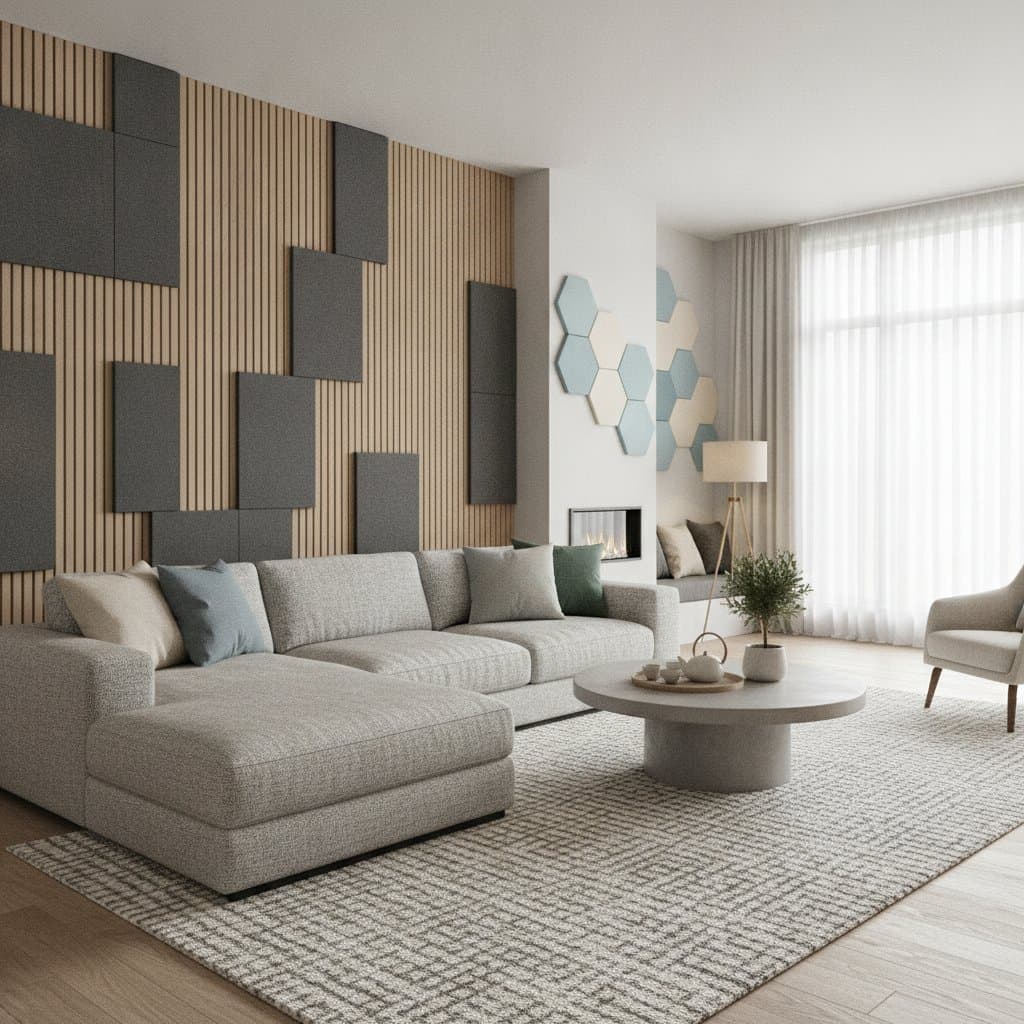
Wood slat panels deliver a natural, contemporary appearance. They combine acoustic absorption with rich texture. Oak, walnut, and bamboo finishes add warmth and structure to walls.
-
Foam or felt tiles provide a lightweight and affordable choice. They work well in smaller spaces or for renters. Many feature peel and stick backs and can be cut to fit corners or patterns.
-
Custom art panels allow gallery style results. Printed imagery or patterns improve sound quality while displaying landscapes, abstracts, or family photos.
Practical Installation Steps
Identify reflection points before installation. Sit in the main chair and listen for echoes when speaking or clapping. Walls or ceilings that bounce sound back become priority surfaces.
-
Focus on opposite walls, corners, and ceiling areas that reflect sound toward the room center.
-
Plan the layout without covering every surface. A few well placed panels create a noticeable difference. Begin with the wall behind the main seating area and another facing the television.
-
Treat panels as decor elements. Mix sizes and colors for visual rhythm or align them symmetrically for an architectural effect.
-
Seek professional installation for larger rooms or open plan homes. Experts measure the acoustic profile and recommend density and placement.
Budget and Cost Expectations
Acoustic upgrades offer cost flexibility. Basic foam tiles start at modest prices per square foot. Custom wood or fabric panels range higher based on craftsmanship. A typical living room often receives effective treatment within a mid range investment. Premium designs with sustainable materials or artistic printing cost more.
Compare options by performance and longevity. Quality panels last many years and can move during a future remodel. Confirm that materials carry fire ratings and remain safe for residential use.
Permits, Safety, and Maintenance
Most installations do not require permits because panels count as decorative wall treatments. Check building association or property manager guidelines first. Mount panels securely with appropriate anchors, especially on plaster or brick walls. Use non toxic adhesives or mechanical fasteners.
Maintenance stays simple. Dust panels periodically with a vacuum brush or microfiber cloth. Spot clean fabric types lightly. Wipe wood slats with a damp cloth to preserve the finish.
Benefits of a Quiet Living Room
Sound control improves music enjoyment at lower volumes and clarifies movie dialogue. It also adds insulation that supports temperature stability. Many homeowners notice greater privacy in the living room after installation. Family time becomes more intimate and focused.
Quieter spaces support mindfulness and reduce stress. They encourage restful moments throughout the day. The living room becomes a sanctuary for recharging and reconnection.
Planning an Acoustic Upgrade
Experience with a treated room often leads to further improvements. Acoustic panels provide a practical and attractive method to restore calm. Apply them during a full renovation or a single wall refresh to achieve balanced sound and lasting comfort.