Sound-Absorbing Decor: Achieving Luxury Noise Reduction in Homes
Peaceful interiors extend beyond remote escapes. Open layouts, hard-surface finishes, and versatile rooms in contemporary homes amplify noise, making acoustic control essential for comfort. Designers integrate acoustics into the visual and tactile design, employing sound-absorbing decor that harmonizes with refined materials. Sculptural wall panels, upholstered dividers, and textured ceilings deliver quiet that feels stylish, precise, and individualized.
This article examines how intentional acoustic design enhances home refinement, featuring insights from designers who balance technical efficacy with visual appeal.
Project Overview
Residents: A professional couple with two children
Location: Hillside home near a coastal city
Size: 3,400 square feet (316 square meters)
Design Firm: Studio Kenton Interiors
Photographer: Elise Harmon
Renovation Highlights
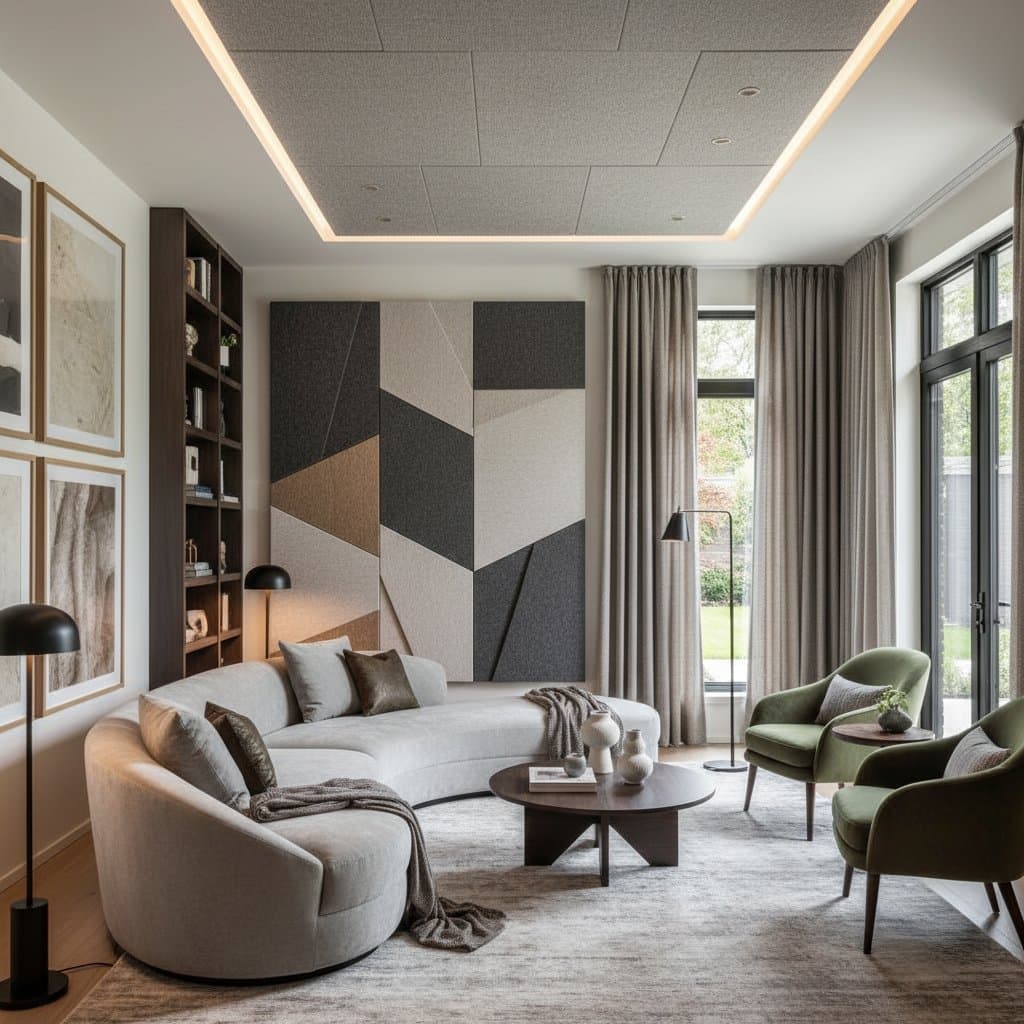
The design team treated the project as an exercise in acoustic layering. Custom panels wrapped in woven wool span the ceiling, each sized at 24 by 48 inches (61 by 122 centimeters). These elements suspend from a hidden grid, maintaining a sharp, architectural profile. The ceiling mimics traditional coffering while effectively dampening mid- and high-frequency sound reflections.
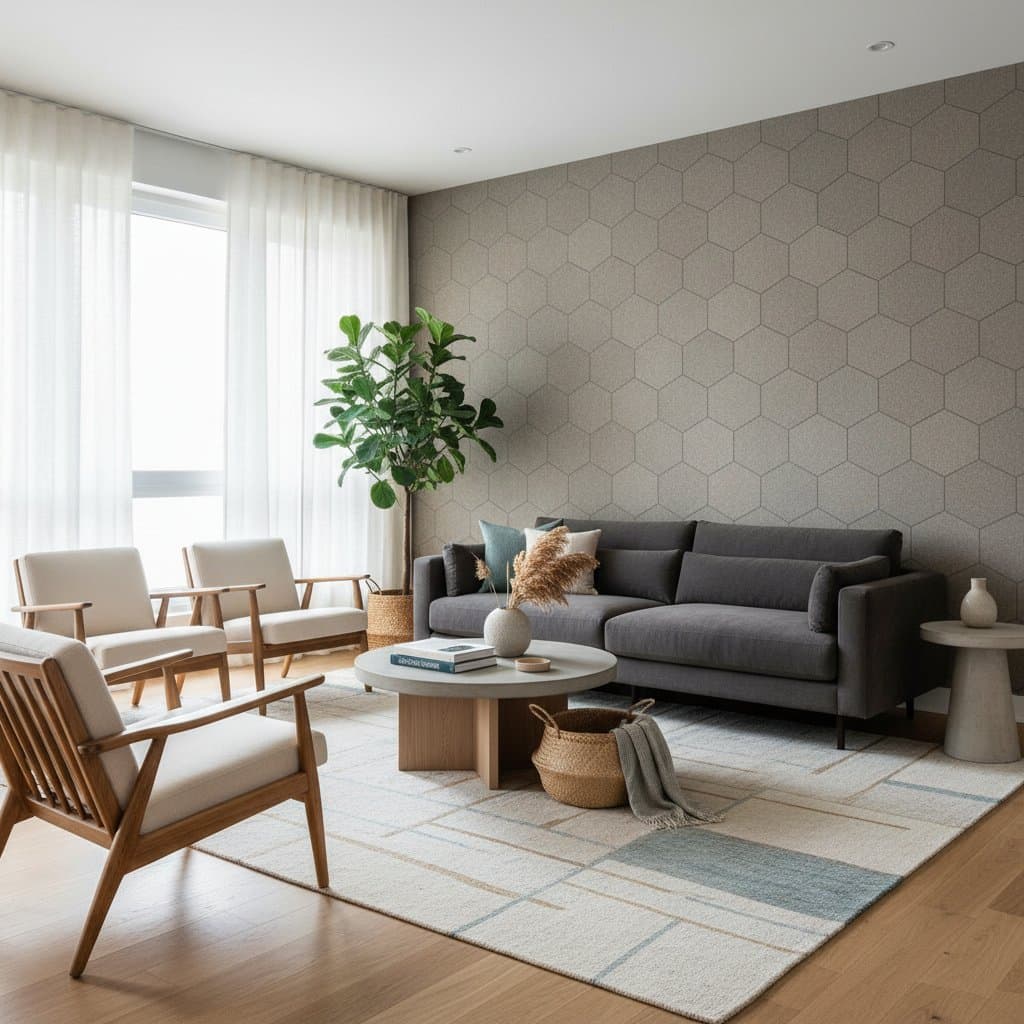
Sofa-adjacent walls serve as sculptural features. Three-dimensional felt tiles in muted gray create a rhythmic motif that interacts with daylight and scatters sound during social occasions. The kitchen island base features oak slats over acoustic foam, providing both visual texture and noise mitigation. Kenton noted, "It is the quietest hard-surface kitchen we have ever designed."
Strategic lighting fosters tranquility. Recessed downlights paired with a continuous LED cove accentuate textures without harsh glare. The resulting ambiance feels warm, subdued, and cohesive.
The Evolution of Sound-Absorbing Decor
In premium interiors, acoustics have transitioned from mere functionality to creative expression. Solutions now manifest as artistic installations, furnishings, and fabrics that elevate the environment. Materials differ, yet the objective remains uniform: cultivate elegant silence.
Textural Wall Panels
Acoustic wall panels surpass utilitarian designs. Professionals select molded felt, cork, or recycled cellulose in geometric configurations that function as wall art. Relief depths of 0.5 to 1.5 inches (1.3 to 3.8 centimeters) disperse sound waves and generate depth with shadow effects under focused illumination. In dining or media spaces, such panels halve echo levels while imparting artisanal character.
Upholstered Partitions and Headboards
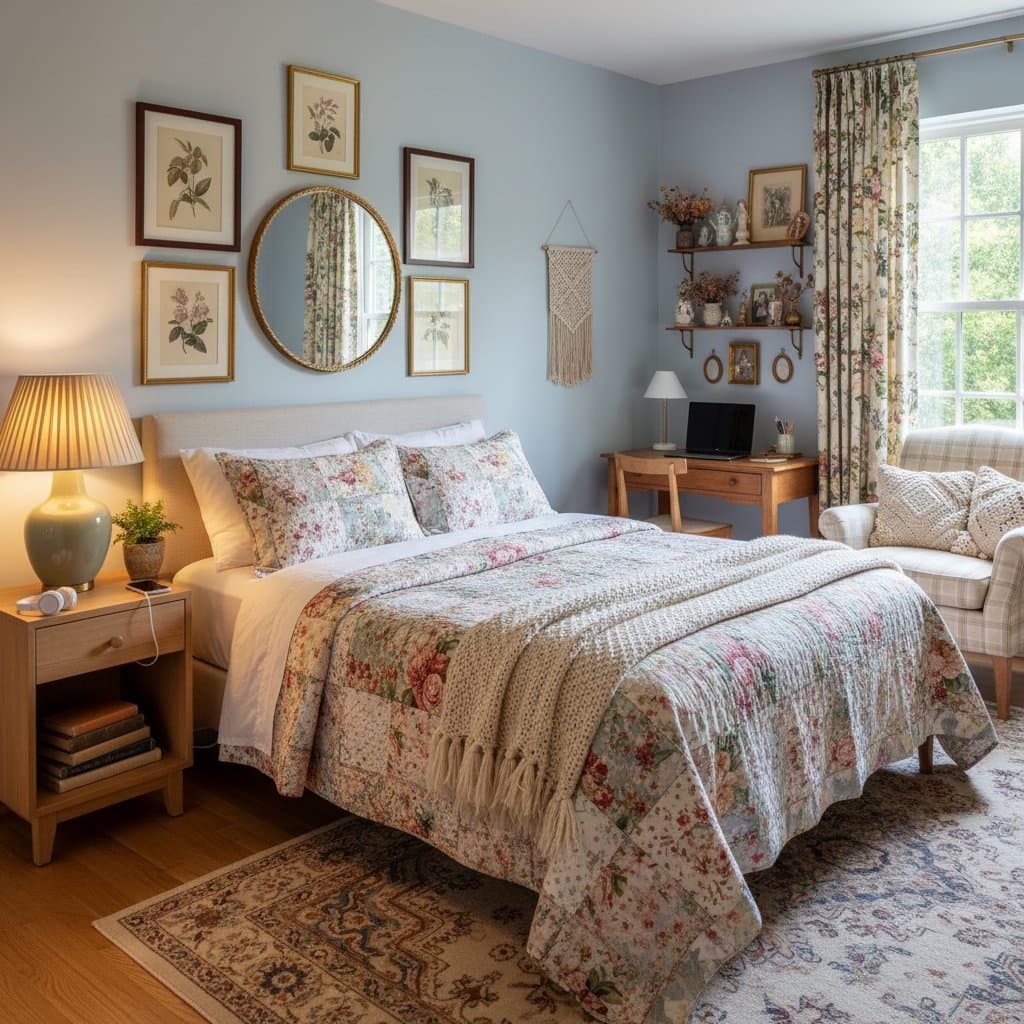
Flexible partitions and expansive upholstered headboards fulfill dual purposes: spatial definition and sound absorption. A headboard with dense batting diminishes reflected noise by 20 to 30 percent in bedrooms. Fabric-covered dividers temper household sounds in open studios. Designer Maya Reeve observed, "When an acoustic element doubles as furniture, it delivers comfort without unnecessary volume."
Acoustic Ceilings and Clouds
Ceiling-suspended acoustic clouds suit lofty interiors. Constructed from felt, wood veneers, or micro-perforated metal with insulating backing, they resemble suspended sculptures. Placed over dining areas or lounges, they target sound at gathering points. Success depends on aligning proportions and hues with the architecture for seamless incorporation.
Sound-Absorbing Rugs and Drapery
Textiles offer time-tested absorption, with innovations in dense weaves and layered builds for acoustic performance. Wool rugs with felt underlays or drapes featuring sound-dampening linings reduce reverberation while preserving opulent feel. In spare designs, these additions soften spaces without excess.
Integrating Quiet Luxury into Daily Areas
Sound-absorbing decor suits varied scales. Urban apartments with exposed kitchens and concrete ceilings gain significantly from targeted applications. A fabric panel framed behind a banquette, linen wall drapes, or an upholstered ceiling element over a workstation alters acoustics profoundly.
Kitchen and Dining Areas
Kitchens generate substantial noise from surfaces and equipment. Ceiling panels or nook backsplash treatments mitigate reflections. Reeve shared, "We frequently position panels over dining tables. They function as an unseen canopy, ensuring enjoyable dialogue."
Living Areas
Spacious living rooms with expansive glazing and sparse furnishings often amplify echoes. Curtains, rugs, and soft seating provide baseline softening, yet acoustic art panels offer precise control while upholding minimalism. Options emulate plaster moldings or woven motifs, integrating effortlessly with selected pieces.
Home Workspaces
Remote work demands noise management for concentration. Acoustic pinboards, fabric-lined walls, or desk-overhead baffles establish serene settings. A 4 by 6 foot (1.2 by 1.8 meter) panel behind a workstation cuts room echo by almost 50 percent.
Strategic Storage for Acoustic Support
Storage choices influence sound dynamics. Enclosed units diffuse noise more effectively than open shelves. Perforated cabinet doors with felt interiors permit ventilation while capturing sound. In entertainment spaces, wall-integrated storage conceals insulation behind ornamental fronts. These understated adjustments enhance quietude without disrupting design harmony.
Key Considerations and Trade-Offs
Premium acoustic materials involve higher expenses and installation demands. Custom panels vary in price based on fabric, density, and fixtures. Substantial textiles necessitate sturdy mounting systems. Upkeep involves routine dusting and vacuuming to sustain absorbency. Achieving equilibrium between form and function typically involves input from designers, acousticians, and fitters.
Practical Implementation Steps
Homeowners seeking acoustic improvements should first pinpoint problem areas. Clap in the room center; echo duration indicates hardness. Introduce soft elements selectively, targeting 25 to 35 percent of surfaces with rugs, panels, or fabrics.
Evaluate products via Noise Reduction Coefficient (NRC) values. Ratings from 0.6 to 0.9 suit typical home needs. Distribute solutions across ceilings, walls, and floors for balanced results.
Experiencing Acoustic Harmony
Effective acoustics reshape home interactions. Discussions flow naturally, audio gains richness, and ambient sounds recede softly. Spaces feel anchored and deliberate. Kenton summarized, "Superior acoustics operate subtly. Individuals simply sense greater calm and presence."
Sound-absorbing decor enables atmosphere crafting via texture and timbre, extending beyond hue and shape. Sculpted felts, yielding dividers, and multifaceted textiles yield quieter luxury that elevates discerning interiors.