Acoustic Furniture Quiets Modern Living Rooms
Modern living rooms often include hard surfaces that intensify noise. Concrete floors, large windows, sleek minimalist furniture, and open floor plans create a bright, spacious feel, yet they produce ongoing echoes. Conversations echo, footsteps carry across areas, and media audio interferes with nearby activities. Acoustic furniture offers a practical solution by weaving sound-absorbing features into familiar designs that fit current home styles.
This type of furniture moves beyond offices or recording studios into everyday residences. Homeowners choose sofas with built-in padding, wall panels for quiet absorption, side tables with multi-layered bases, and shelves that reduce vibrations. These pieces cut down on sound reflections and improve speech clarity, leading to a calmer setting. Both professionals and homeowners use these options to keep the open, airy essence of designs while controlling excess noise.
Case Study: Transforming an Urban Apartment
Residents: A professional couple who work from home
Setting: Urban apartment in a converted industrial building
Area: 980 square feet (91 square meters)
Design Firm: Atelier Loma, experts in interiors and acoustics
Images: Erik Sand Studio
Post-Redesign Results
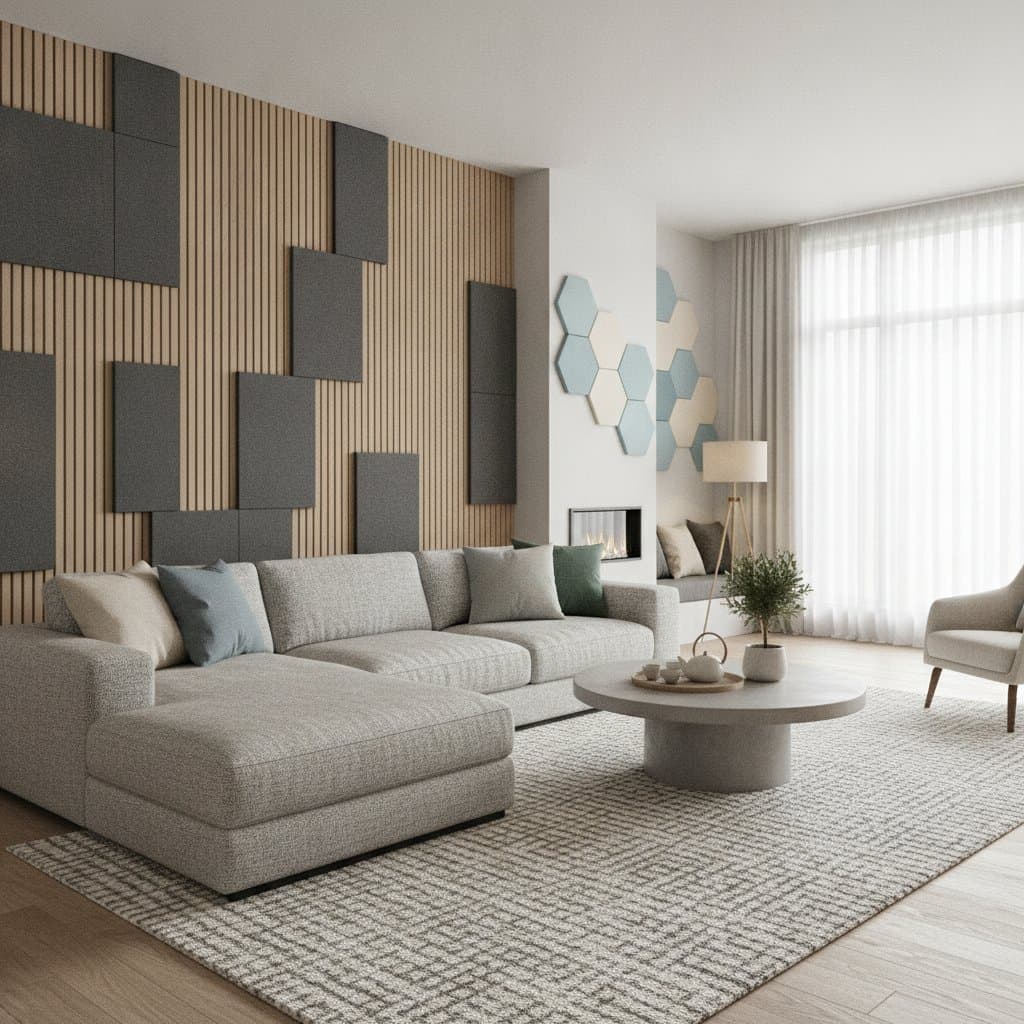
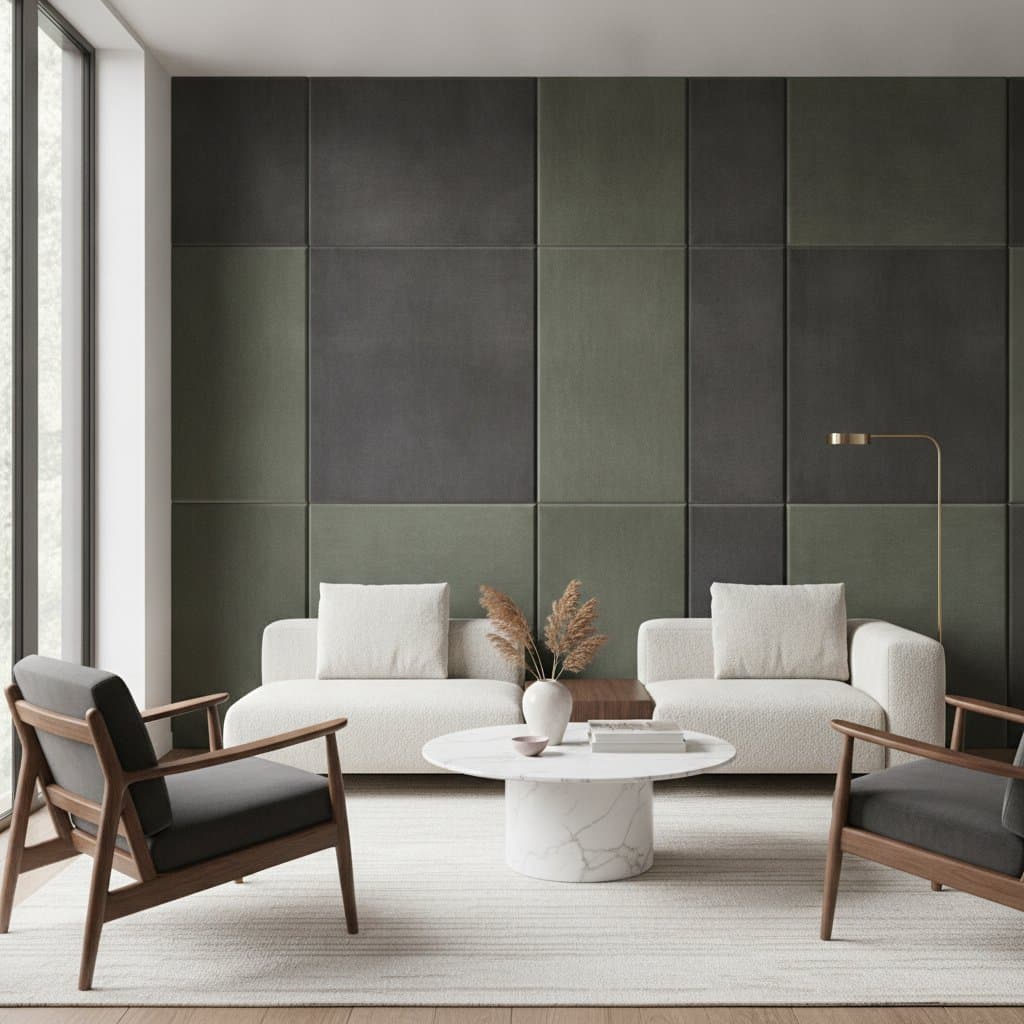
The redesigned space provides a softer atmosphere in both visuals and sound. Every component contributes to better noise control. A modular sofa features fabric panels and a wool-blend upholstery that absorbs mid-range frequencies well. Behind the sofa, a textured felt wall piece acts as art and sound diffuser.
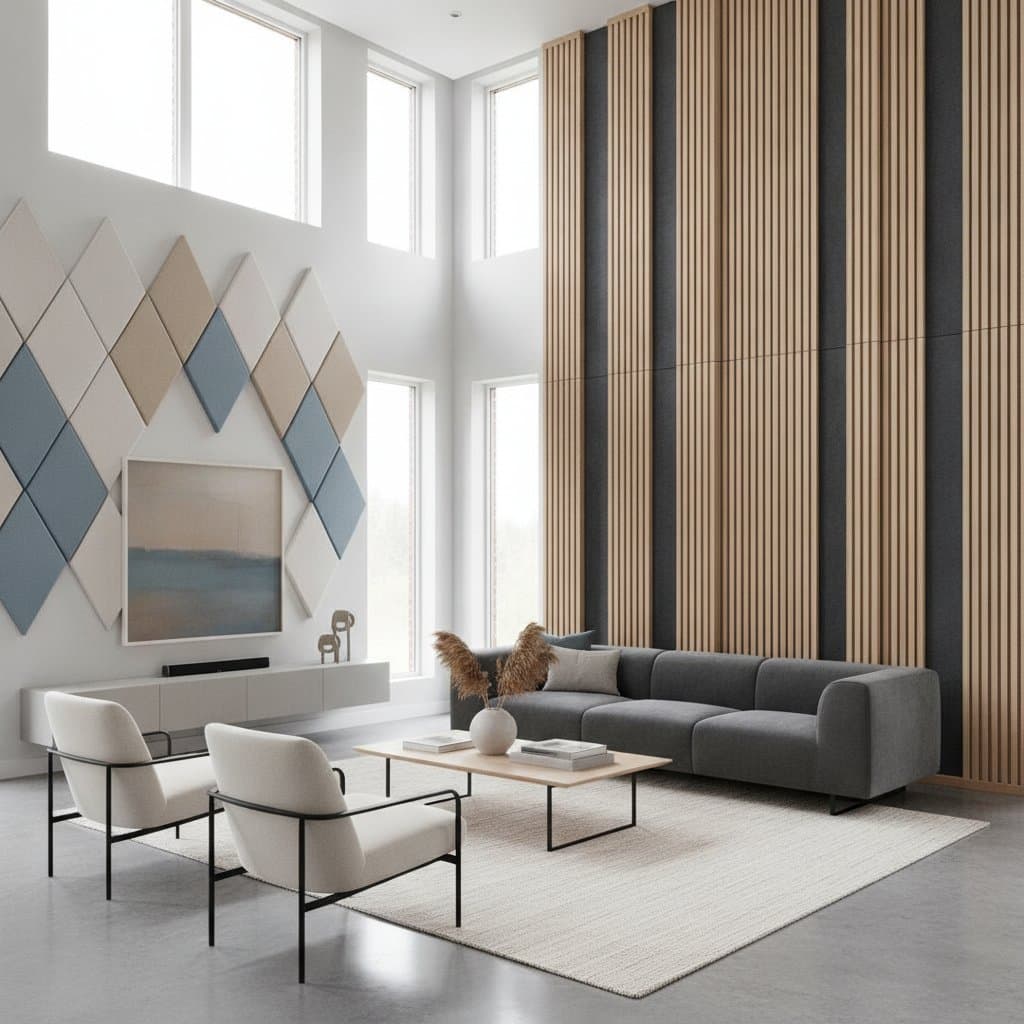
Above, low-profile fabric baffles in a tone that matches the walls blend in without notice. Marina Soler of Atelier Loma explained, "We treated the space like a small audio setup designed for everyday use. The materials work quietly in the background." This method keeps the room's original openness and light, while allowing clear conversations without strain or overlap.
The Rise of Acoustic Furniture in Homes
Acoustic furniture first appeared in commercial environments to handle noise in large offices. Now, residential use grows as homes combine living, dining, and work areas. Manufacturers build absorptive materials directly into the furniture frames, so the benefits come built-in rather than as extras.
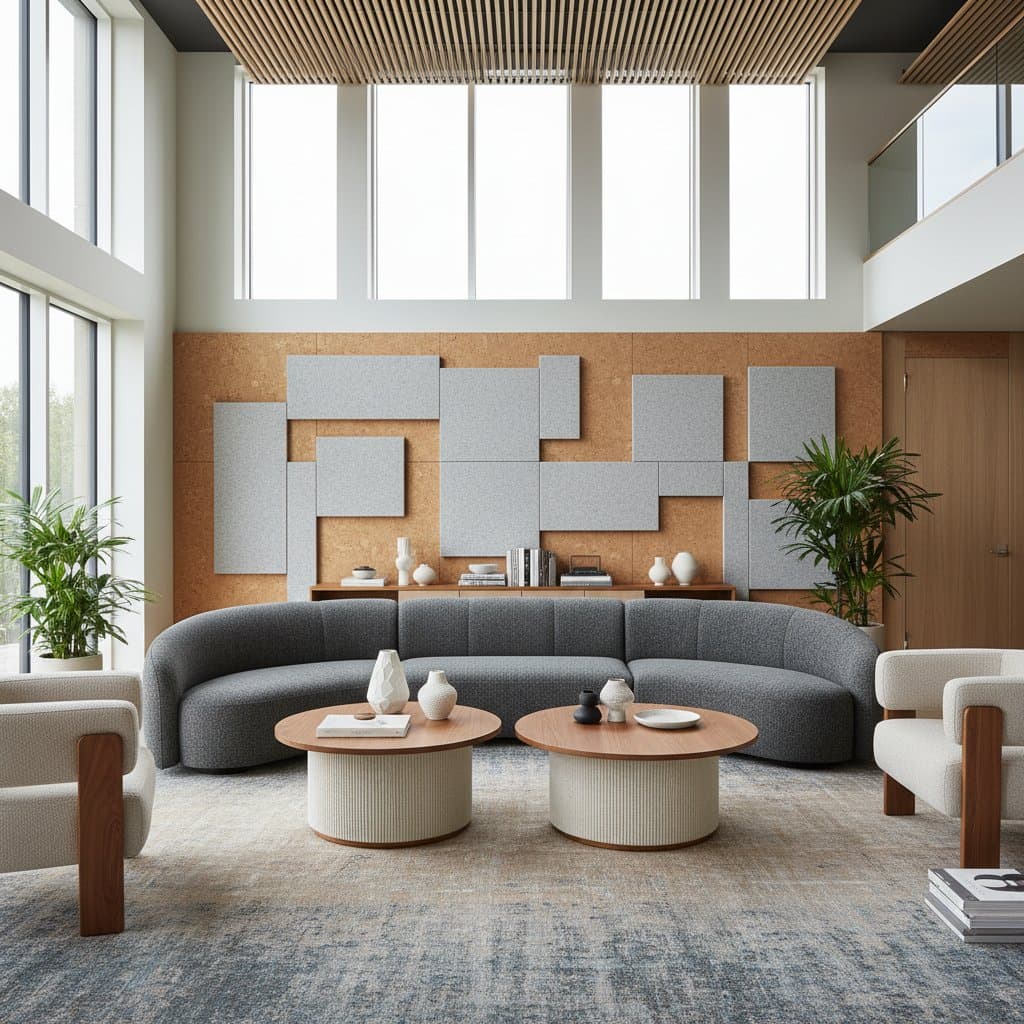
Essential materials encompass dense felt for its flexibility, recycled textiles for environmental benefits, natural cork for durability, and plant-derived composites for green appeal. High-backed chairs with padded surrounds create cozy spots for talks. Shelves with cut-out patterns disperse sound waves away from walls. Coffee tables with cork layers beneath fabric tops dampen vibrations and handle minor spills.
Felix Mora from Studio Arven pointed out, "Top acoustic pieces focus on looks first. They serve as attractive furniture, with sound control as a quiet bonus that improves the space."
Integrating Acoustic Furniture into Home Designs
Strong sound control begins at the planning phase. In established spaces without full renovations, smart placement of acoustic furniture brings clear gains.
- Zone division: Place upholstered screens or sofas with high backs to define seating areas in wide rooms.
- Corner solutions: Add fabric-covered panels or thick plants in corners to interrupt sound travel.
- Material balance: Combine hard items like glass tops or stone details with soft choices such as wool area rugs or cork trim.
- Lighting approach: Use layered pendant lights with built-in options to match the visual presence of added fabrics.
Ava Kim, an interior design expert, suggested, "Focus on key spots; spread absorptive surfaces to guide sound flow effectively."
Boosting Storage with Sound Control
Adding storage improves acoustic results overall. Closed cabinets prevent echoes from exposed shelves, and versatile seating provides absorption without added clutter.
- Upholstered benches in fabric: Perfect for entryways or under windows, these store items like bedding or shoes while softening background noise.
- Felt-lined shelves: Books and soft linings together block sounds passing through walls.
- Sliders with fabric panels: On media consoles, these cover screens and reduce bounces from shiny surfaces.
Essential Factors for Choosing Acoustic Furniture
Acoustic furniture raises comfort, but it requires attention to maintenance and initial expense. Fabric surfaces collect dust more readily than smooth ones, and some foams respond to moisture changes. Regular vacuuming and occasional thorough cleaning keep pieces in top shape.
Costs run 10 to 20 percent higher than standard furniture, depending on material standards. Many homeowners appreciate the lasting calm and practicality, which often offsets the investment.
Practical Steps for Acoustic Improvements
Start with small changes to see real differences. Add one felt divider or a wool-upholstered chair to measure shifts in room sound. Expand gradually, checking how each addition affects the overall feel.
For larger efforts, involve interior designers and sound specialists early. Their teamwork ensures optimal positioning for best results.
Seek to shape sound rather than remove it completely. Marina Soler noted, "A lively space lets subtle details, like voices or fabric rustles, come through clearly in a peaceful setting."
With thoughtful choices in furniture and textures, open homes keep their bright charm and gain the quiet needed for daily life. These acoustic advances show how strong design blends beauty with balanced sound.