The Secret to Quiet Open-Plan Living: Acoustic Wallpaper
Open-plan homes promote a sense of lightness and connection. They facilitate easy conversations across rooms and simplify shared activities. However, this openness often amplifies everyday noises, turning a spacious environment into an acoustically challenging one. A clattering utensil in the kitchen reverberates through the living area, while a remote work call clashes with appliance hums.
Achieving quiet does not require sealing off rooms or installing bulky dividers. The solution involves modifying how surfaces interact with sound. Acoustic wallpaper provides an effective method to dampen noise while preserving the open layout and natural light. It mimics traditional wallpaper in appearance but incorporates sound-absorbing properties to reduce reflections and create a more serene atmosphere.
Understanding the Sound Challenge
In open-plan designs, sound propagates freely due to the lack of barriers. Hard materials like bare walls, hardwood floors, and large windows reflect sound waves, leading to prolonged echoes. This effect intensifies in rooms with vaulted ceilings or sparse furnishings, where even minor noises such as footsteps or keyboard clicks merge into a persistent drone.
Conventional fixes like area rugs, heavy drapes, or cushioned seating offer partial relief by absorbing some vibrations. Yet these measures alone seldom address the root issue of wall reflections. Acoustic wallpaper intervenes directly at the surface level, converting rigid walls into diffusers that capture and dissipate sound energy for a more even auditory balance throughout the space.
What Acoustic Wallpaper Is Made Of
At first glance, acoustic wallpaper appears as an ordinary decorative covering. Beneath its aesthetic layer, however, lies a sophisticated composition designed for noise control. Core elements include multiple strata of open-cell foam, dense felt, or bio-based fibers that trap sound frequencies by converting them into minimal heat.
Eco-conscious options incorporate post-consumer recycled polyester or wool-derived felts, providing both environmental benefits and a tactile softness. Alternatively, synthetic variants feature slim polyurethane backings for a sleek, contemporary profile. Layer thickness typically ranges from 2 to 10 millimeters, with greater depth yielding higher noise reduction coefficients, often up to 0.85 on the NRC scale for mid-range frequencies.
Manufacturers provide diverse finishes, from subtle grasscloth imitations to smooth suede effects, available in a spectrum of hues. Select a variant that complements your interior palette, allowing the material to enhance acoustics discreetly while elevating visual appeal.
Where to Use It
1. Shared Living Zones
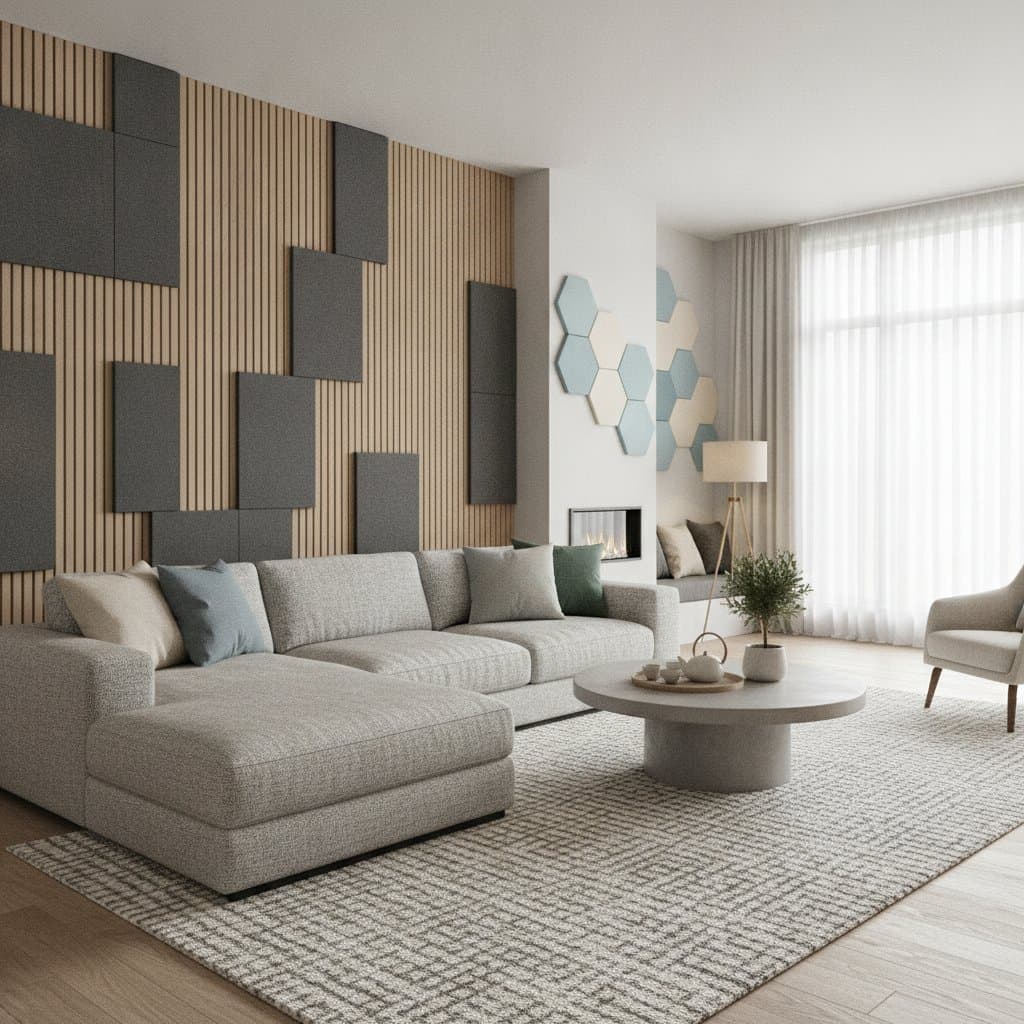
In multifunctional areas where living rooms adjoin kitchens or dining spaces, target accent walls for application. Focus on the surface facing high-activity zones, such as behind a seating arrangement, to intercept and soften reverberations without muting the room's vibrancy.
2. Home Offices
For integrated workspaces within open layouts, install panels directly behind the desk or along adjacent walls. This setup minimizes distractions from household sounds and enhances voice clarity for virtual meetings. Complement with an acoustic underlay beneath the desk mat to further isolate the area.
3. Hallways and Stairwells
These transitional spaces frequently magnify impacts like footfalls or echoing voices. Apply strips to vertical surfaces midway up the wall to curb vertical sound travel, creating smoother auditory transitions between floors.
4. Bedrooms Adjacent to Open Areas
To preserve restful environments near bustling communal zones, cover walls that border living spaces. Opt for a muted pattern on the headboard wall to block intrusive noises, fostering better sleep quality without visual disruption.
5. Ceiling Applications
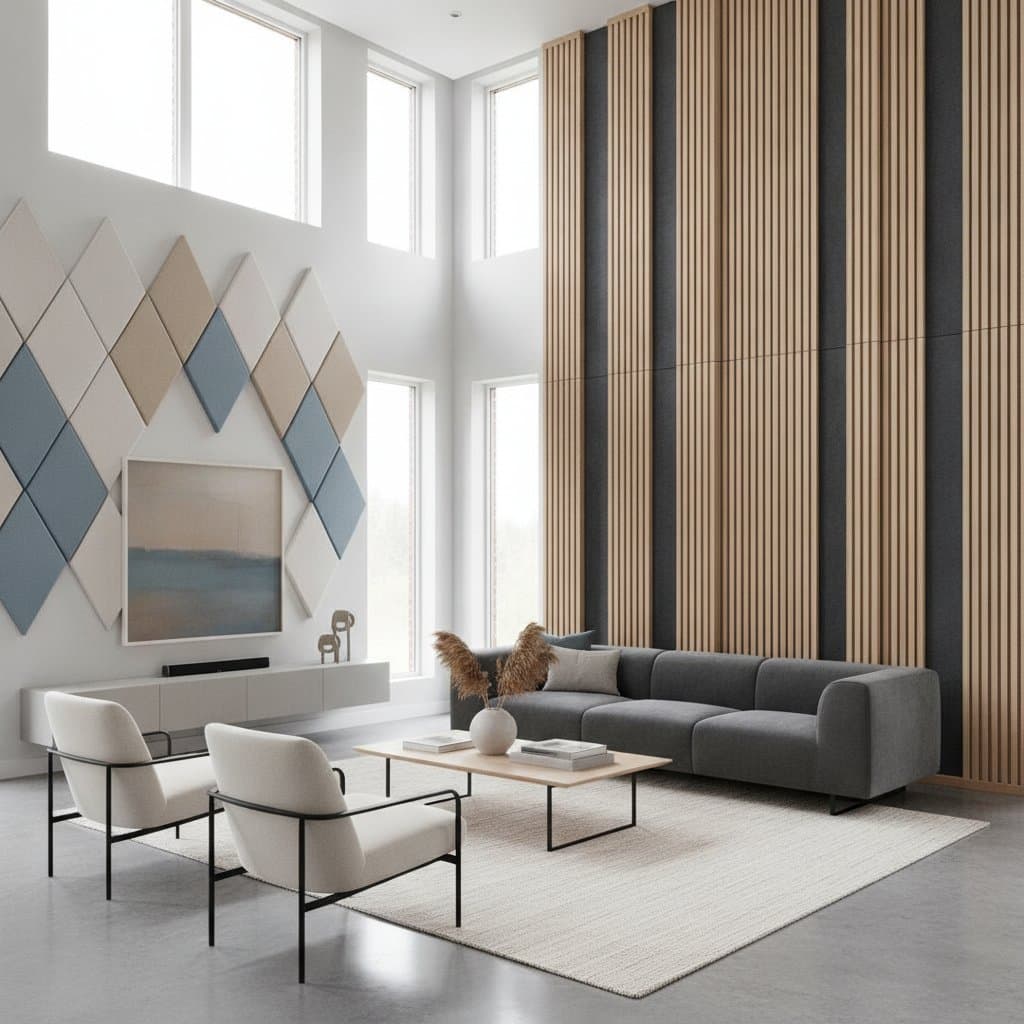
In rooms with expansive overhead surfaces, consider adhesive ceiling tiles or panels derived from acoustic wallpaper materials. This targets upward-propagating echoes in lofty interiors, though professional assistance ensures secure and even installation.
Choosing the Right Style and Color
Beyond functionality, acoustic wallpaper introduces tactile interest and visual nuance to interiors. Base selections on the desired ambiance and existing elements.
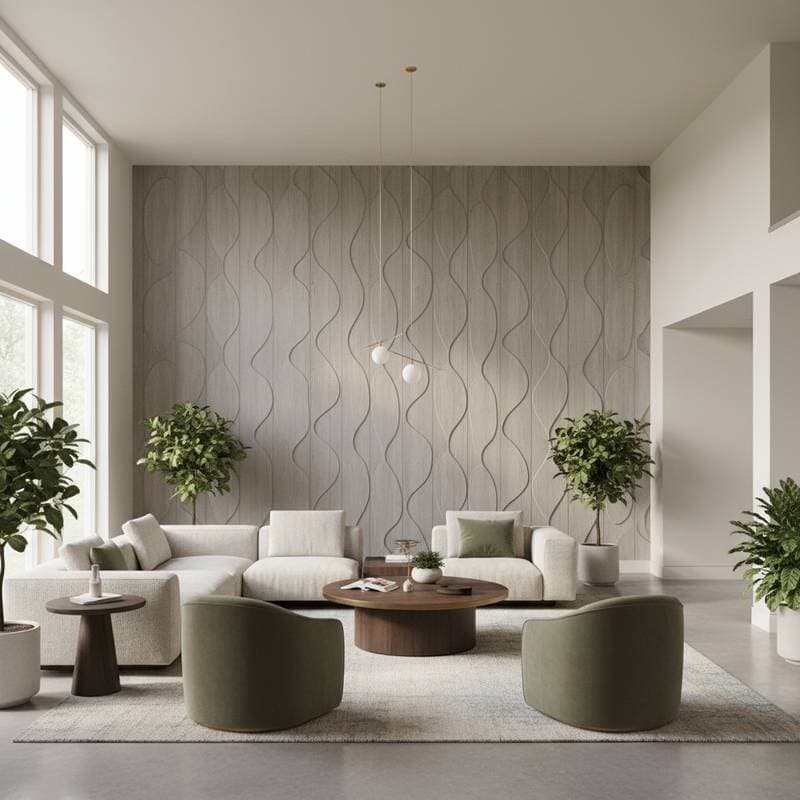
- Neutral palettes in beige or gray tones foster tranquility and integrate seamlessly with neutral furnishings.
- Delicate geometrics, such as pinstripes or herringbone, impart subtle order without overwhelming the eye.
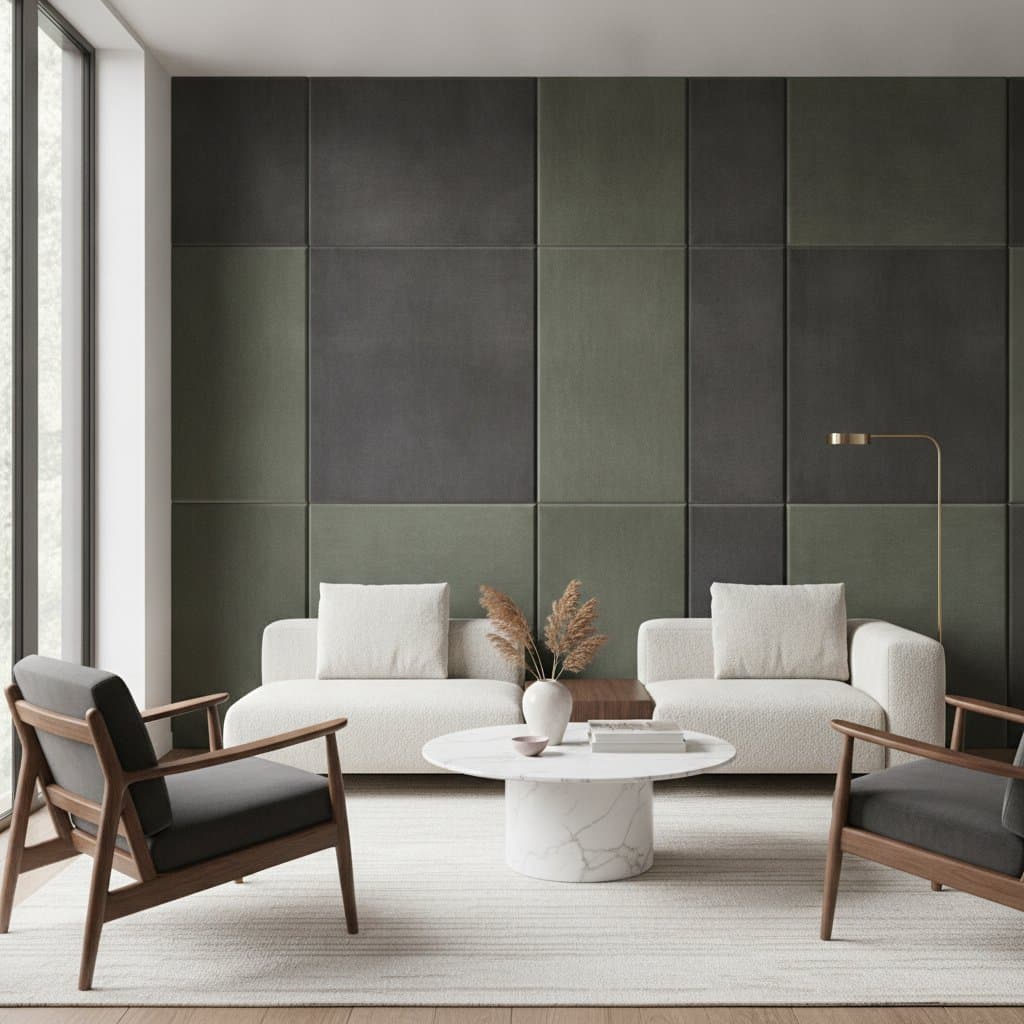
- Earthy shades like terracotta or sage warm expansive areas, countering the starkness of amplified sounds.
- Non-reflective matte surfaces outperform sheens in sound capture and deliver a refined, understated elegance.
For inconspicuous integration, match the wallpaper's base color to surrounding walls and add micro-texture for depth. Alternatively, designate it as a statement feature on a single wall with contrasting motifs to draw positive attention.
A Simple Installation Guide
Acoustic wallpaper installs similarly to conventional types, with adjustments for its layered build.
Step 1. Prepare the Wall
Remove dust and debris, then repair imperfections with spackle. Allow the surface to dry fully for optimal adhesion.
Step 2. Measure and Cut
Calculate dimensions with a laser measure for precision. Use a utility knife with fresh blades to trim thicker sections cleanly, preventing tears.
Step 3. Apply Adhesive
Follow product-specific guidelines; peel-and-stick options simplify the process, while paste-applied versions require even distribution via brush or roller to eliminate air pockets.
Step 4. Smooth Gently
Position the sheet and press from center outward using a plastic smoother or microfiber cloth. Avoid excessive pressure to maintain the material's absorptive integrity.
Step 5. Seal Edges
Align seams meticulously and apply seam roller lightly. Clean excess paste immediately with a damp sponge to ensure imperceptible joints.
Tackle installations section by section to manage scale. Engage a specialist for overhead or expansive applications to achieve flawless results.
Quiet Design Tips to Pair With It
Integrate acoustic wallpaper into a multifaceted strategy for optimal results. Incremental enhancements amplify its impact.
- Introduce layered fabrics such as sheer curtains or throw blankets to extend sound diffusion.
- Select seating with plush upholstery to fragment direct sound paths.
- Position potted foliage strategically to disrupt linear noise trajectories.
- Balance hard and soft elements by mixing matte woods with absorbent linens.
- Diversify textures across surfaces to prevent uniform reflections from glossy items.
These refinements collaborate with the wallpaper, cultivating an acoustically harmonious setting with minimal effort.
Overcoming Common Roadblocks
Projects like this may encounter hurdles, but targeted strategies resolve them efficiently.
Budget Constraints?
Prioritize a single feature wall in a high-traffic spot; costs range from $5 to $15 per square foot, with visible improvements justifying phased investment.
Style Mismatches?
Modern iterations emulate luxury textiles or artisanal plasters. Order swatches to test under your lighting conditions before committing.
Doubts on Effectiveness?
Pair with basic absorbers like a large rug; test a small panel first to gauge transformation in your specific acoustics.
Rental Limitations?
Seek self-adhesive or magnetic variants that detach cleanly, preserving deposit security.
Advance incrementally, evaluating each addition's contribution to overall serenity.
Why It Improves Well-Being
Chronic ambient noise disrupts concentration, elevates stress, and hinders interpersonal exchanges. By mitigating these intrusions, acoustic wallpaper promotes mental clarity and emotional ease. Discussions flow more naturally, tasks demand less effort, and repose deepens in quieter confines.
Residents often adopt softer vocal tones in response, enriching communal interactions. Audio experiences, from podcasts to melodies, gain fidelity without distortion. Ultimately, this treatment positions walls as supportive elements, subtly elevating everyday routines toward greater harmony.
Caring for Your Acoustic Walls
Upkeep remains straightforward to sustain performance. Employ a vacuum with brush attachment weekly to remove surface dust. For spots, use a mild soap solution on a soft cloth, rinsing thoroughly to avoid residue buildup.
Steer clear of abrasives or solvents that might erode the absorptive qualities. In case of wear, cut matching patches from spares and blend seamlessly during repair.
Implementing Acoustic Enhancements
If echoes undermine your open-plan haven, acoustic wallpaper delivers a refined remedy that honors architectural intent. Survey your layout to identify resonant hotspots, then procure materials aligned with your aesthetic.
Dedicate time to the project, observing post-installation shifts in auditory comfort. Extend this mindfulness to future updates, evaluating sonic as well as visual harmony. Such integrated design yields spaces that invigorate without overwhelming, embodying the essence of balanced modern living.