Gen Z's Embrace of Vintage Bathrooms
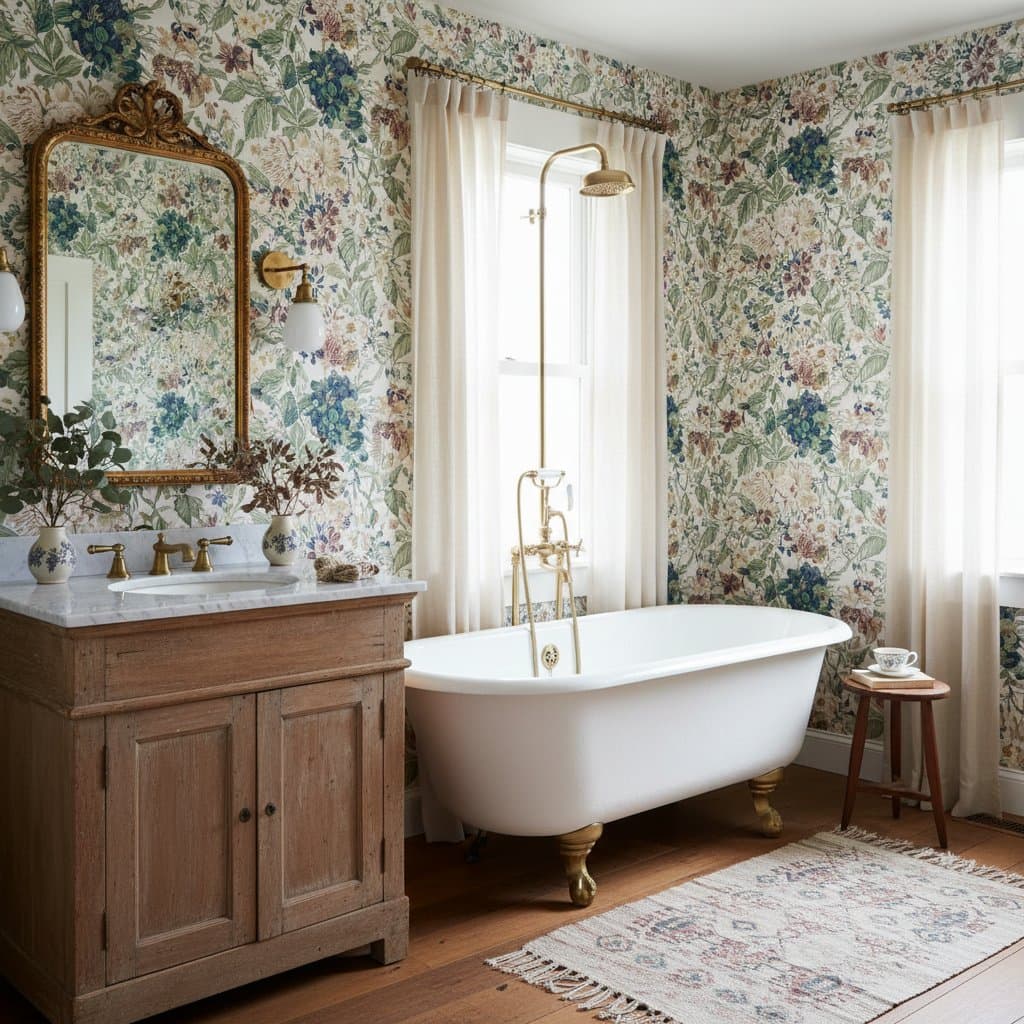
Imagine a bathroom where soft morning light filters through sheer curtains and dances across polished porcelain and the elegant arc of a clawfoot tub. Gentle steam carries the scent of lavender, while floral wallpaper adds a layer of inviting nostalgia. This scene represents the ideal bathroom for many in Gen Z.
The Return of Vintage Charm
Social media platforms brim with images of bathroom makeovers featuring brass faucets, detailed tile arrangements, and antique mirrors. These elements mark a clear move away from the stark lines of modern minimalism toward designs that deliver genuine warmth and character.
Gen Z individuals have navigated a world of digital saturation and mass-produced furnishings. They seek environments that feel grounded and distinctive. Vintage bathrooms fulfill this need through features like clawfoot tubs, pedestal sinks, and patterned wallpapers, which create retreats for unwinding and personal expression. Beyond aesthetics, these selections underscore quality construction, environmental responsibility, and enduring value.
Core Attractions of Vintage Bathrooms
Vintage bathrooms combine aesthetic appeal with meaningful functionality. They foster a sense of calm and stability, standing in contrast to the rapid turnover of contemporary consumer goods.
Key elements driving this trend include:
-
Clawfoot Tubs: These serve as the focal point, elevating standard bathrooms into luxurious escapes. They encourage extended soaks that support relaxation and mental clarity, offering a superior tactile sensation compared to standard acrylic options. The enamel finish and raised feet contribute both visual drama and structural elegance.
-
Floral Wallpaper: Delicate floral or geometric patterns shift the room's mood with ease. Designers in Gen Z often combine them with neutral base coats or wood accents to build depth and coziness, guiding the viewer's gaze without dominating the area.
-
Antique Mirrors and Fixtures: Frames with curved edges and fine engravings provide dimension and enhance illumination. Select finishes like warm brass, polished nickel, or patinated bronze for hardware to create a unified, era-evoking radiance.
-
Tilework: Options such as hexagonal layouts or traditional subway tiles in soft hues offer lasting texture. Using reclaimed materials enables bespoke designs that highlight organic imperfections and aged charm.
Steps to Design Your Vintage Bathroom
Convert your bathroom into a serene, history-infused haven by merging classic aesthetics with current conveniences. Focus on intentional choices rather than rigid historical replication to keep the space modern and usable.
Follow these steps to get started:
-
Gather Inspiration: Explore digital image collections or visit antique stores to pinpoint appealing motifs. Consider elements like the sharp angles of Art Deco, the symmetry of mid-century modern, or the elaborate flourishes of Victorian eras.
-
Establish a Focal Point: Choose a clawfoot tub or an elaborate mirror as the central feature. Surround it with harmonious items to maintain overall cohesion.
-
Blend Eras: Retain vital contemporary infrastructure for water systems and ventilation to ensure dependability. Infuse vintage character via era-specific lamps, drawer handles, and ornamental details.
-
Experiment with Palette: Apply light tones such as creamy whites, subtle greens, or airy blues to brighten compact spaces. In broader rooms, incorporate richer shades like deep greens or textured coverings for a more enveloping feel.
-
Incorporate Layers: Introduce lightweight window treatments, woven storage options, and pottery vessels. These additions bring tactile diversity and individual style.
Key Planning Factors
The allure of a vintage bathroom inspires action, yet effective execution demands thorough evaluation. For instance, clawfoot tubs require reinforced subfloors because of their substantial cast-iron weight. Period lighting typically necessitates electrical upgrades to satisfy current safety requirements.
Budget Insights: Expenses depend on selections and workmanship. Refinishing an original tub proves more economical than acquiring a replica, and expert resurfacing guarantees longevity and cleanliness. Hardware inspired by vintage styles spans from budget-friendly secondhand discoveries to premium bespoke items.
Timeline Expectations: Allocate several weeks for the project, particularly when modifying plumbing or flooring. Allow additional periods for sourcing distinctive pieces, as genuine articles demand diligent searching.
Regulatory and Safety Measures: Plumbing and electrical modifications must adhere to local building regulations, especially in established residences. Engage certified experts experienced in historical updates to avoid expensive complications.
Values of Sustainability and Connection
The appeal of vintage bathrooms for Gen Z extends beyond surface level to core principles. Opting for restoration instead of replacement minimizes environmental impact and safeguards cultural relics.
This approach provides emotional resonance, connecting individuals to an object's history while ensuring its continued relevance. It mirrors wider societal moves toward conscious preservation, countering the drive for perpetual novelty. Thus, a vintage bathroom evolves into a testament to enduring significance rather than simple utility.
Crafting Your Personal Vintage Retreat
Envision reclining in a clawfoot tub under the glow of a refurbished chandelier or applying floral wallpaper to enhance daily rituals. This trend toward time-honored designs reconnects people with heritage techniques, skilled artistry, and moments of introspection.
As you embark on your transformation, expect to uncover the serenity of intentional existence. Your bathroom transitions from basic functionality to a valued haven, embodying deliberate decisions and appreciation for persistent aesthetics.