Gen Z Revives Grandmillennial Style in Bedrooms
Cluttered minimalism has passed its peak. A fresh movement toward cozy maximalism now influences bedrooms, driven by Gen Z decorators who embrace layers of nostalgia, floral fabrics, and heirloom elements. Grandmillennial style, previously linked to earlier generations, receives a vibrant reinterpretation. This approach delivers sweetness without excess sentiment, tradition without rigidity, and profound personalization.
The revival avoids exact replicas of past designs. Instead, it reinterprets warmth, patterns, and familiarity through mindful choices. Gen Z decorators combine vintage ruffled bedding with contemporary sleek lamps and pair ornate wallpaper with simple furniture. These combinations produce spaces that honor roots while embracing renewal, prioritizing both comfort and innovation.
Core Principles of the Grandmillennial Bedroom
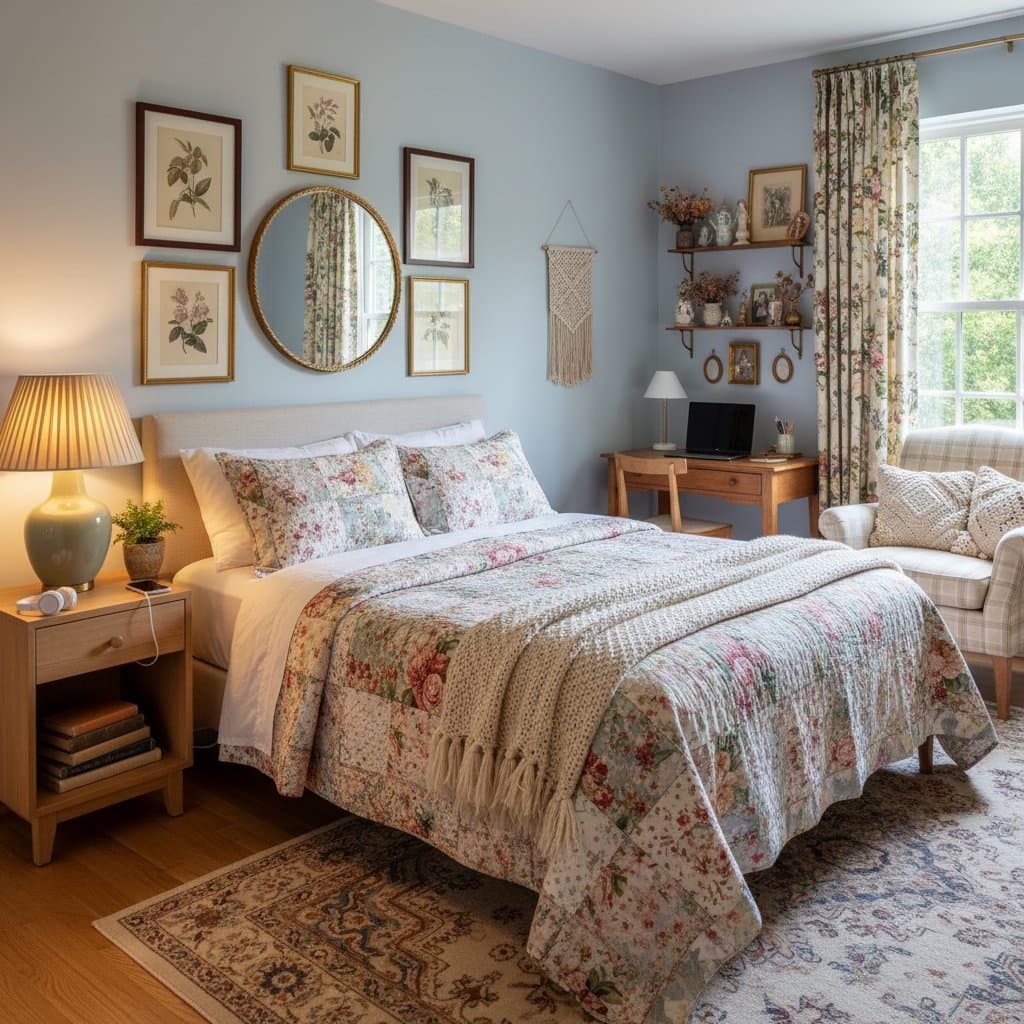
Grandmillennial style serves as a tribute to classic design elements. Consider floral motifs, pastel hues, pleated lampshades, embroidered textiles, and furniture featuring gentle curves over stark lines. In Gen Z adaptations, these features integrate with current influences for balanced energy.
Perfection does not define the modern grandmillennial bedroom. Ease and authenticity guide the arrangement. A inherited nightstand may accompany a contemporary headboard, while vintage books stack upon a hand-painted stool. Each piece contributes to a narrative that vitalizes the environment.
Gen Z individuals favor this method because it links emotions to surroundings. Spaces assembled gradually provide stability amid rapid trends and digital saturation. Grandmillennial design promotes deliberation. It encourages moments of reflection, deep breaths, and solace in the known.
Essential Components of the Aesthetic
Layered Textiles
Texture forms the foundation of softness in grandmillennial bedrooms. Begin with high-thread-count cotton sheets for a smooth base. Layer a quilt or coverlet with scalloped borders or subtle prints, then incorporate a chunky knit throw alongside velvet cushions. These additions build visual and tactile depth for enhanced coziness.
Floral and Chintz Patterns
Contemporary decorators revive floral prints with strategic pairings. Neutral wall colors or modern accents prevent dated appearances. Introduce a dominant pattern through curtains or bedding for immediate appeal. Experiment with two or three complementary prints to infuse playful character without chaos.
Curved and Carved Furniture
Select pieces with softened edges, spindle legs, or intricate carvings to ease the room's atmosphere. Apply painted finishes in shades like soft cream, sage green, or powder blue for a light vintage effect. These choices maintain elegance without overwhelming the space.
Vintage Acquisitions
Sourcing unique items adds excitement to the process. Explore thrift shops, flea markets, or resale sites for mirrors, lampshades, or embroidered fabrics. Refresh discoveries through repainting or reupholstering to extend their usability and integrate them seamlessly.
Personal Collections
Individuality shines through curated displays. Position a grandparent's framed recipe, a lineup of aged novels, or an assortment of varied china plates as accents. Such elements foster a sense of habitation and affection.
Modern Accents
Incorporate streamlined items to counterbalance nostalgia. A minimalist desk chair, geometric area rug, or abstract wall art provides equilibrium. This fusion of periods ensures vitality and multidimensionality.
Reasons Gen Z Embraces Nostalgic Elements
This cohort experienced accelerated design shifts and uniform products from youth. They now seek deliberate, enduring approaches to interiors. Grandmillennial style fulfills this need by promoting reuse, customization, and sentimental ties.
The tactile aspects offer reassurance. Delicate lace, substantial ceramic bases, or recurring floral designs evoke secure, hospitable settings from shared heritage. These features provide emotional anchors in dynamic times.
Sustainability aligns with Gen Z values. Opting for pre-owned goods diminishes environmental impact while enhancing uniqueness. Spaces emerge as narratives rather than standardized setups.
Building a Grandmillennial Bedroom: A Step-by-Step Guide
Achieve a layered sanctuary without extensive renovations. Proceed incrementally to allow organic development.
Establish a Gentle Foundation
Select a palette of calming tones such as cream, blush pink, light blue, or subdued green. These colors diffuse light softly and cultivate tranquility. Apply them to walls and larger furnishings for cohesion.
Build Textural Depth
With the base in place, introduce fabrics. Choose a cotton or linen duvet cover, then fold a quilt or throw at the bed's end. Vary materials including velvet, silk, and crocheted items to create engaging contrasts.
Integrate a Key Pattern
Identify a central motif suited to the room's mood, such as floral wallpaper, patterned cushions, or striped drapes. Repeat elements subtly in accessories like tiebacks or borders to unify the design.
Combine Eras
Merge legacy items with recent purchases. For example, position an antique side table next to a modern task lamp. Such juxtapositions prevent stagnation and introduce vitality.
Add Meaningful Details
Incorporate cherished objects like enclosed photographs, inscribed letters, or family heirlooms. These touches infuse warmth and genuineness, elevating decor to narrative expression.
Illuminate Softly
Enhance the ambiance with diffused light sources. Employ table lamps featuring pleated or cloth shades, or drape fairy lights above the headboard. Aim for a warm, enveloping radiance that avoids glare.
Introduce Natural Elements
Incorporate foliage for vitality. Place a compact fern on a shelf or allow trailing ivy to cascade from a windowsill. Plants temper the structured vintage components with organic freshness.
Addressing Decorating Hurdles
Enthusiasm may encounter obstacles in execution. Consider these strategies for resolution.
Managing Overcrowding
Should accumulation lead to congestion, edit selectively by withdrawing select accessories. Ensure surfaces remain uncluttered so items retain prominence. Abundance thrives alongside restraint.
Harmonizing Patterns
Anchor diverse prints with shared hues. A blue-based floral alongside a blue-striped fabric establishes unity. Restrict to three motifs initially to build assurance.
Navigating Limited Funds
Prioritize resale venues and value patina. Minor imperfections like table scratches or quilt fades contribute charm. Invest in single impactful changes progressively.
Avoiding Dated Impressions
Counter tradition with sleek integrations. A linear fixture, nonrepresentational artwork, or unadorned flooring anchors the composition. Focus on ease and self-expression over era fidelity.
The Restorative Power of Nostalgic Spaces
This trend surpasses visual appeal to address deeper yearnings for security and rapport. Grandmillennial bedrooms provide refuge, recognition, and outlet. They facilitate repose over task and mindfulness over flawlessness.
The creation process itself nurtures awareness. Tasks like smoothing linens, composing bouquets, or polishing frames serve as stabilizing routines. Such practices equate spatial tending with self-care.
Decorators often report serenity in this pursuit. It shifts arrangement from display to discipline. Value resides in nurturing authenticity rather than idealized presentation.
Embracing Reuse for Lasting Design
Grandmillennial principles inherently advance eco-conscious habits. Honoring existing objects curtails excess and landfill contributions. Revitalized pieces gain layered significance absent in factory outputs.
Seek durable substances like hardwood, natural fibers, and stoneware in secondhand selections. Revive them via fresh coats of paint or updated fittings. Projects such as chair recovery or surface restoration yield enduring satisfaction and utility.
This philosophy instills narrative depth. Rooms convey persistence over transience. Each element, sourced from legacy or markets, weaves into a tapestry of stewardship and ingenuity.
Harmonizing Heritage and Contemporary Routines
The appeal lies in seamless adaptation to present demands. Align a classic dressing table with a portable workstation or floral panels with spare linens. Natural tensions between old and new invigorate without strain.
Integrate devices discreetly to preserve harmony. Conceal wiring behind cabinetry, select subdued enclosures, and employ braided containers for organization. The intent softens utilitarian intrusions.
Such environments foster unhurried habits. Opt for pre-sleep literature over screens, journaling sessions, or floral maintenance as daily anchors. The setting nurtures cycles of renewal, aesthetics, and intimacy.
Evolving Within Your Design
As the space settles, derive pleasure from habitation. Adjust fabrics seasonally by exchanging substantial quilts for airy spreads or updating cushion slips to shift tones. Permit gradual shifts to sustain relevance.
Engage the senses routinely. Ignite mild fragrance candles, select soothing audio, or ventilate for fresh circulation. These gestures amplify sanctuary and affinity.
The style's grace accommodates flux, flaws, and uniqueness. An offbeat seat or tilted artwork integrates effortlessly, embodying the essence of lived warmth.