Stylish Acoustic Ceilings That Quiet Noisy Rooms
Consider the experience of settling into a favorite chair with a cup of coffee, only to find the room reverberating like an empty hallway. Hard surfaces such as floors and walls, combined with lofty ceilings, create visual appeal yet amplify sound in disruptive ways. The solution lies in stylish acoustic ceilings, which introduce tranquility and refinement without resembling a professional recording space.
These ceilings integrate design innovation with acoustic performance, allowing overhead elements to harmonize aesthetics and functionality. The following sections explore their mechanics, advantages, and implementation strategies.
Understanding Acoustic Ceilings
Acoustic ceilings function by absorbing sound waves instead of reflecting them. Specialized materials, including porous fibers, mineral wool, or micro-perforated panels, capture vibrations and convert them into minimal heat, thereby reducing reverberation. This process creates a more balanced auditory environment, where conversations remain clear and ambient noise fades into the background.
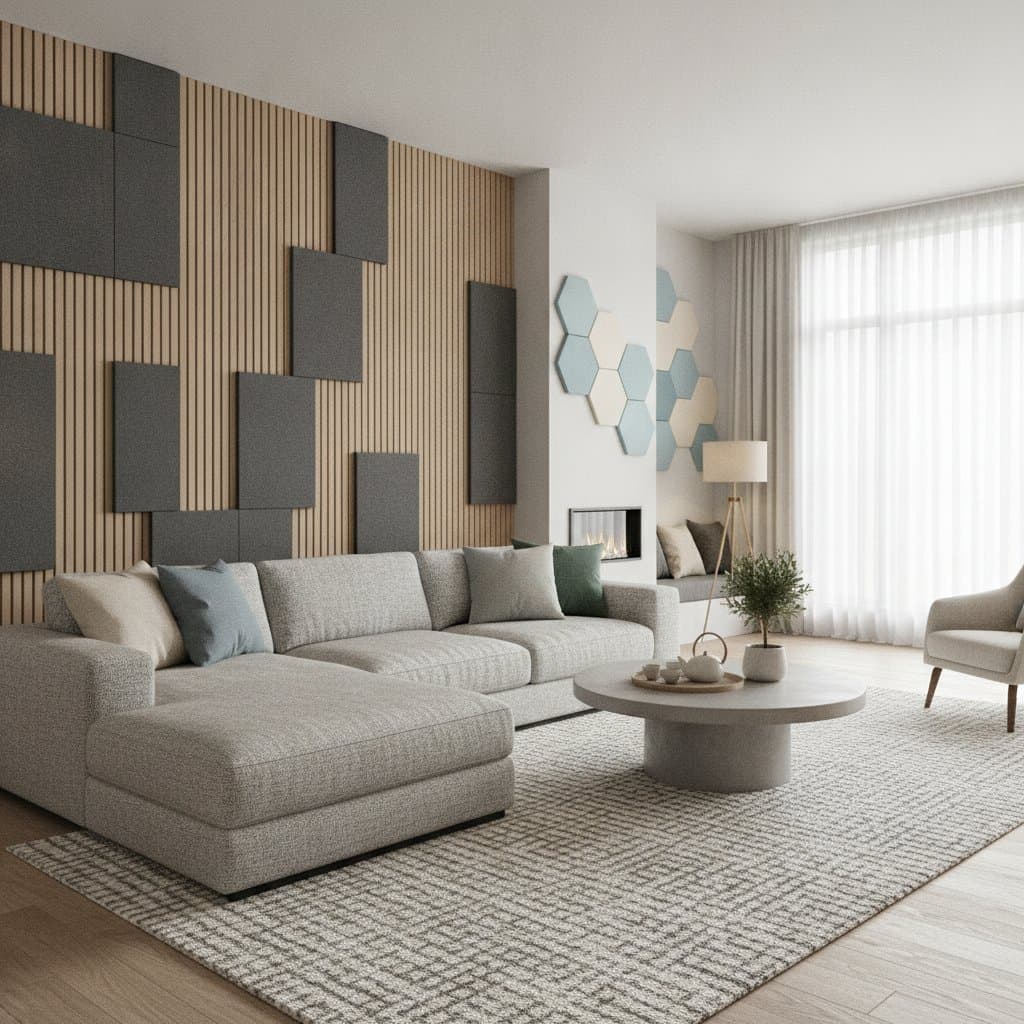
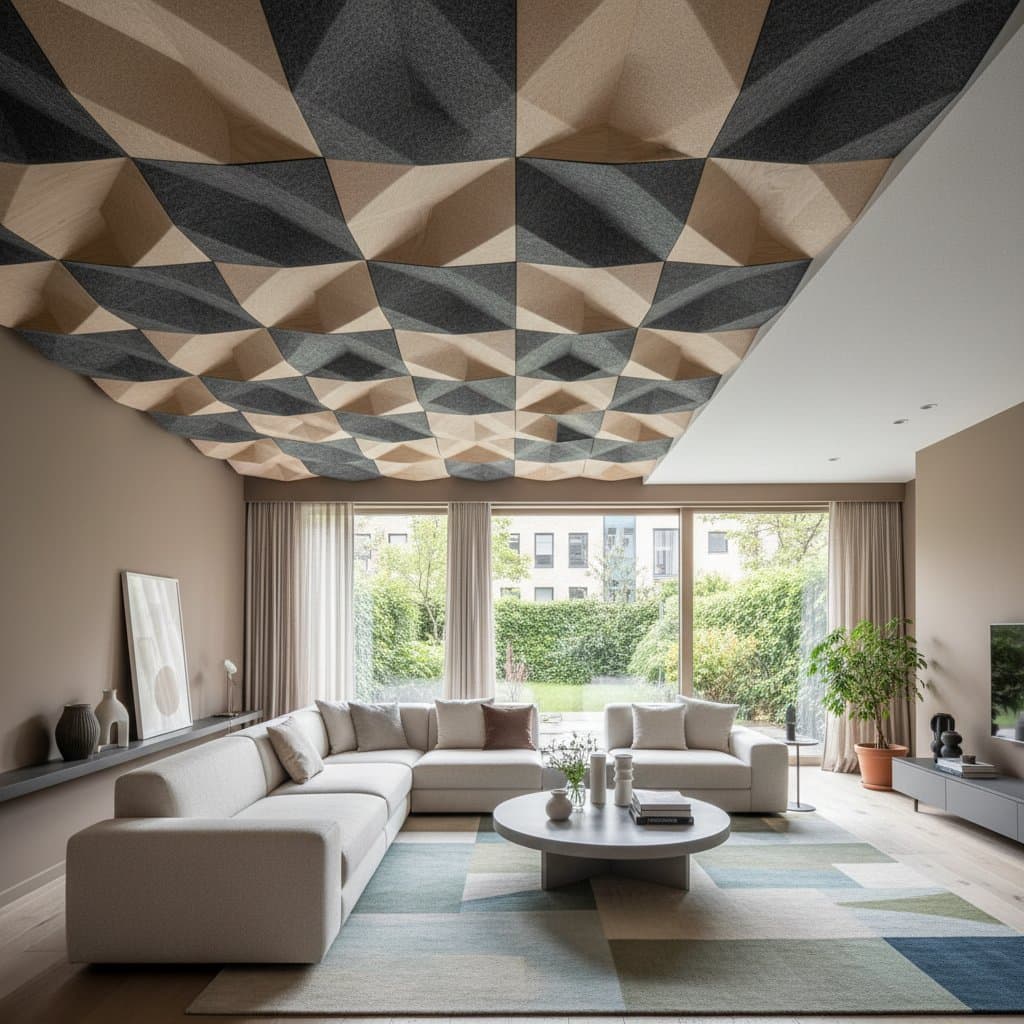
Contemporary designs extend beyond utilitarian panels. Options range from custom-molded gypsum forms that mimic architectural plasterwork to suspended systems featuring natural materials like cork or recycled fabrics. For instance, a cloud-like array of fiberglass panels can evoke a sense of floating artistry, while linear metal baffles offer an industrial edge. Selection depends on the room's scale and existing decor, ensuring the ceiling enhances rather than competes with other elements.
The Impact of Reduced Noise
Excessive echo affects more than hearing; it influences emotional well-being and productivity. In echoing spaces, individuals often experience heightened stress as the brain strains to filter distractions. Acoustic ceilings mitigate this by lowering noise levels, fostering environments conducive to focus and relaxation.
In practical terms, a home office benefits from diminished distractions, enabling sustained concentration during work sessions. Living areas become ideal for unwinding, with softer acoustics promoting a sense of serenity. Dining spaces facilitate natural dialogue, eliminating the need to compete with reverberations. Additionally, these ceilings enhance sound isolation between levels in multi-story residences, preserving privacy during daily activities like preparing meals or watching films.
Beyond personal comfort, acoustic treatments contribute to overall home value. They address common complaints in open-plan layouts, where noise travels freely, and provide a subtle upgrade that appeals to discerning buyers.
Design Strategies for Integration
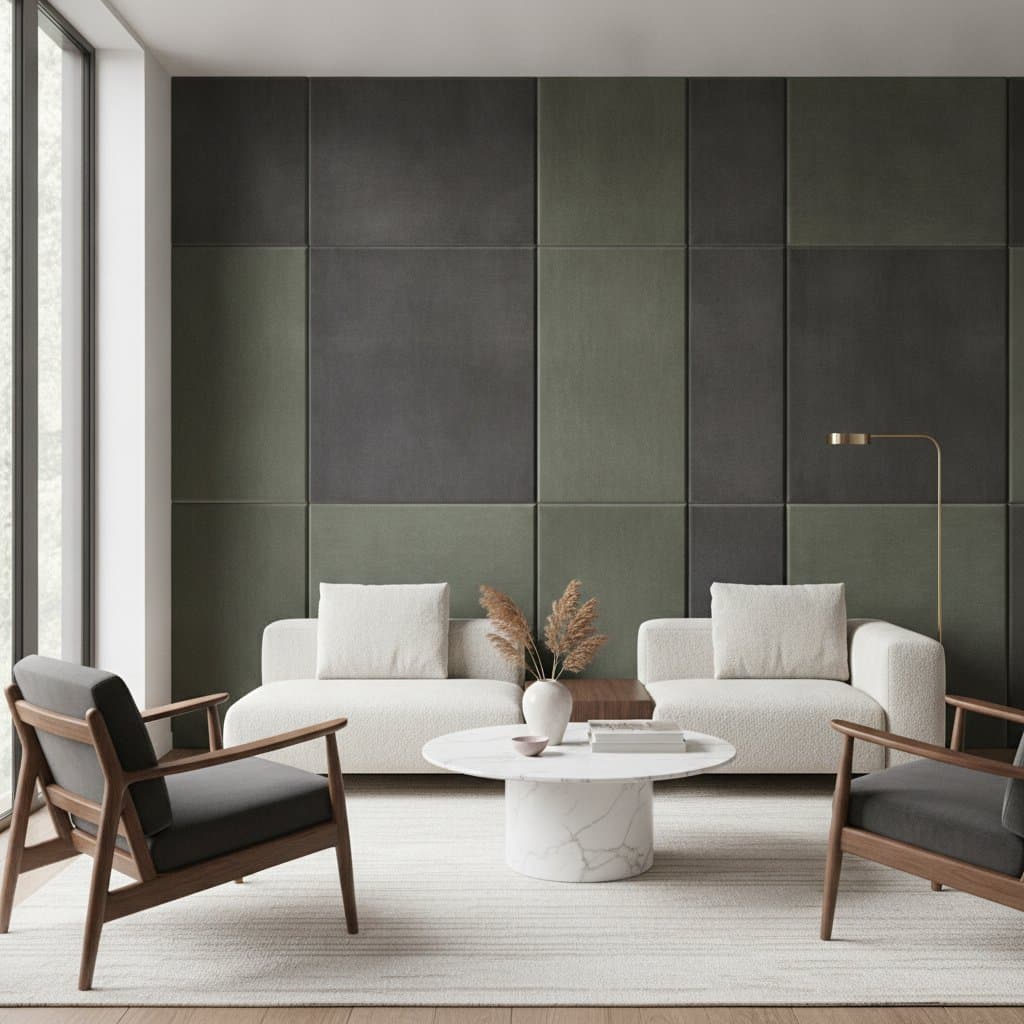
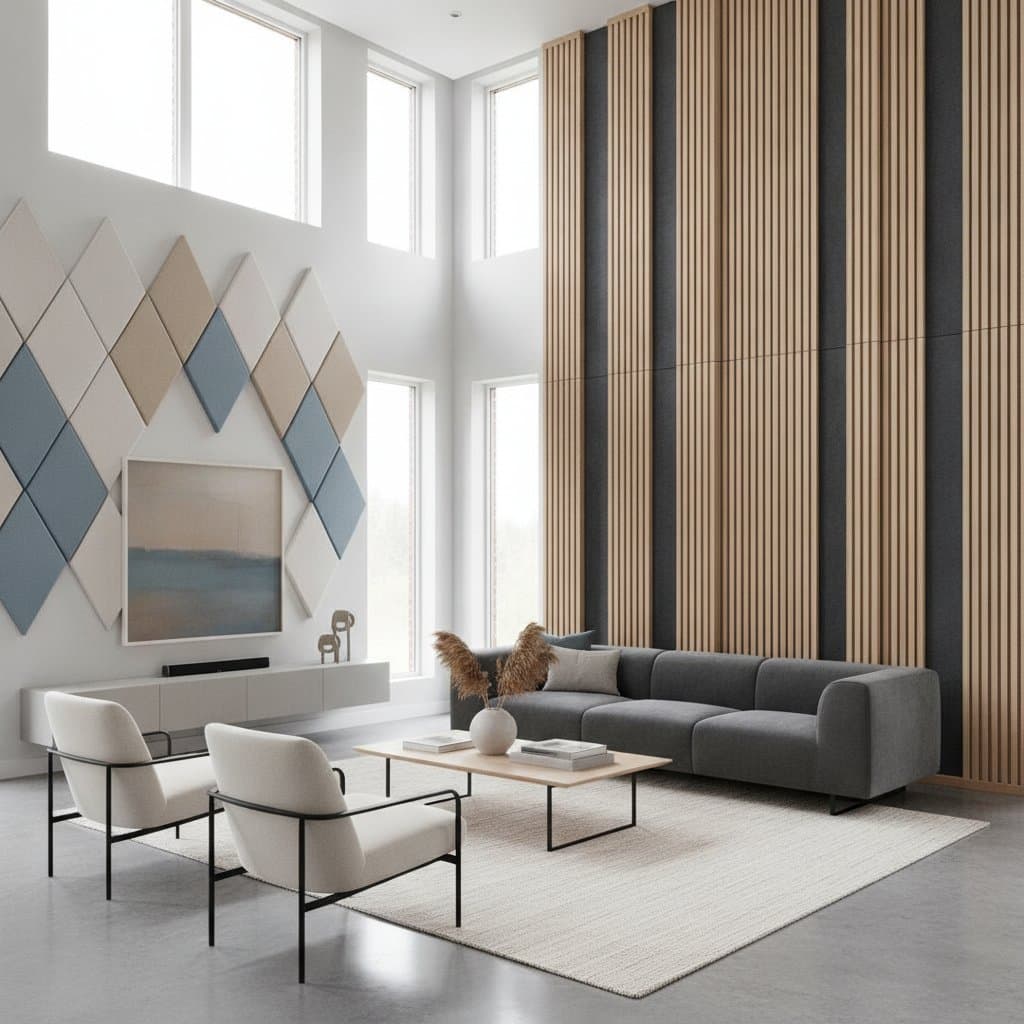
Integrating acoustic ceilings requires thoughtful planning to maintain visual cohesion. Begin by aligning material choices with the room's ambiance. For warm, inviting atmospheres, select options like acoustic wood veneers or fabric-wrapped panels that echo natural textures in furnishings. In contemporary settings, opt for smooth, painted acoustic plasters that blend seamlessly with minimalist walls.
Lighting plays a crucial role in accentuating these features. Incorporate recessed downlights or cove illumination to highlight textures without drawing attention to seams. For example, warm LED arrays embedded in slatted systems can create a layered glow, enhancing depth while distributing light evenly.
Balance textures to avoid overwhelming the space. If the ceiling introduces pattern or relief, pair it with matte, unadorned walls to direct focus upward. Conversely, in simpler ceilings, subtle wall treatments can complement the overhead design.
Professional installation timing is essential. Schedule acoustic work during initial construction phases or major renovations, as it involves coordinating with electrical, HVAC, and fire safety systems. Consult acousticians for custom measurements to ensure optimal performance without compromising structural integrity.
Practical Considerations for Installation and Maintenance
Installing an acoustic ceiling demands attention to detail for long-term efficacy. Start with a site assessment to evaluate load-bearing capacity and access points. Grid-based systems, common in suspended designs, allow for easy retrofitting in existing spaces, though they may require temporary removal of fixtures.
Maintenance remains straightforward. Most materials resist dust accumulation and require only periodic vacuuming or gentle wiping. Avoid harsh chemicals that could clog pores and diminish absorption qualities. In high-humidity areas like kitchens, choose moisture-resistant variants to prevent mold growth.
Budgeting factors include material costs, which vary from affordable fiberglass tiles to premium custom fabrications. Factor in labor, typically ranging from a few days for standard installs to weeks for bespoke projects. The investment yields enduring benefits, transforming noisy areas into harmonious retreats.
Realizing the Benefits in Daily Life
A well-executed acoustic ceiling elevates everyday experiences through refined acoustics and design. Guests often sense the improved ambiance intuitively, describing spaces as more inviting and serene. This subtle enhancement underscores the power of intentional choices in creating environments that support well-being.
Ultimately, these ceilings represent a fusion of form and function, where noise control becomes an integral part of sophisticated interiors. By selecting and installing with care, homeowners craft spaces that resonate with calm and clarity, proving that effective design quiets the mind as much as the ears.