Acoustic Ceilings: Where Style Meets Sound Control
Consider entering a visually appealing room where echoes disrupt conversations and amplify ambient noise. Such acoustic challenges detract from the space's potential comfort. Acoustic ceilings address these issues effectively, shifting from utilitarian applications in commercial settings to integral design features in residential and creative environments. Designers and homeowners now prioritize ceilings to achieve balanced acoustics and elevated aesthetics.
The Importance of Acoustic Integration
Ambient sounds infiltrate everyday spaces through subtle sources, including appliance hums, overhead footsteps, and utensil clatters. These elements can heighten perceived disorder. Installing acoustic materials in ceilings mitigates such disturbances, creating a more serene atmosphere. Modern options transcend outdated office panels, offering diverse textures, forms, and hues that complement broader interior narratives.
Felt Panels as Artistic Sound Absorbers
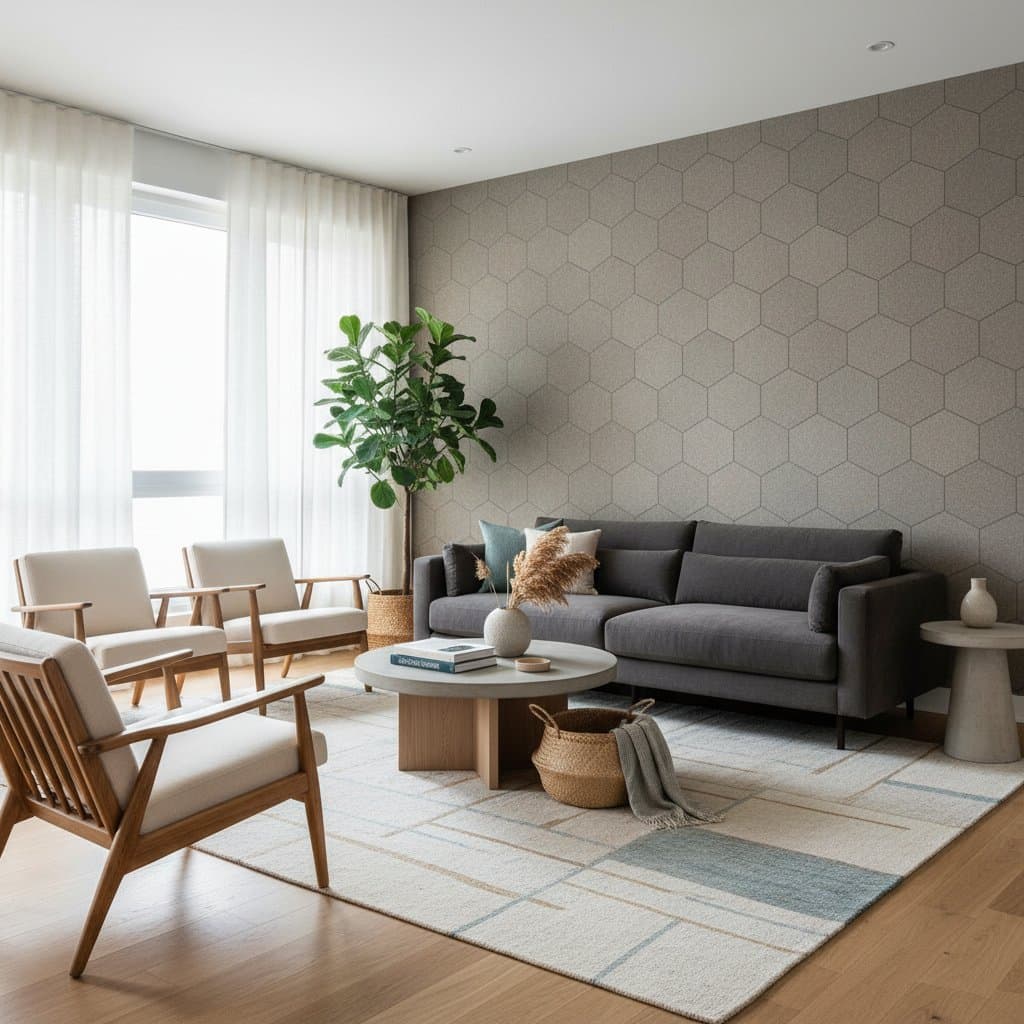
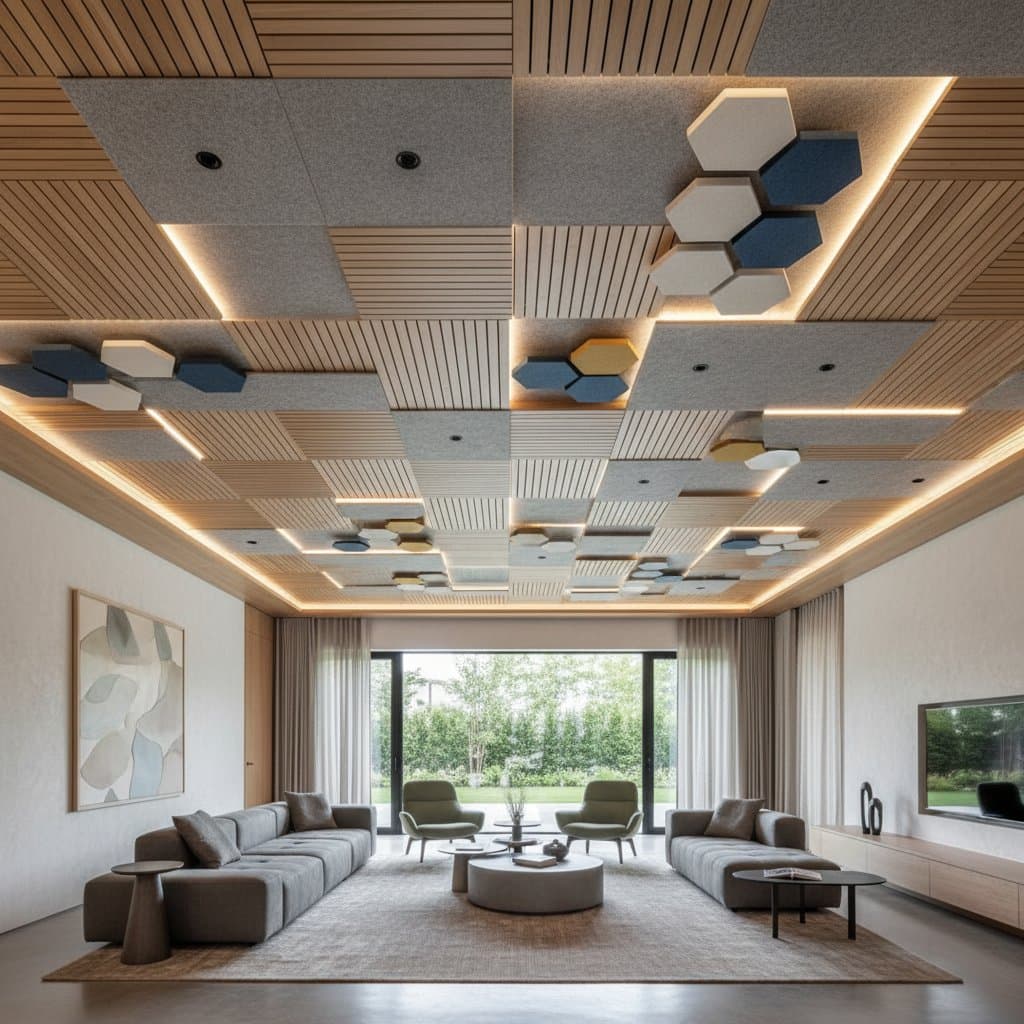
Felt acoustic panels gain popularity among design professionals for their dual role in noise reduction and visual enhancement. These panels, often configured in hexagonal or undulating patterns, absorb sound waves while introducing subtle light play across the day. Their soft texture imparts warmth to the room, and the immediate acoustic improvement promotes tranquility. One homeowner noted that their living area "sounded as good as it looked" following installation.
Slatted Wood Systems for Refined Harmony
Slatted wood arrangements backed by acoustic substrates establish a rhythmic pattern that conveys natural elegance. The intervals between slats facilitate sound diffusion, while the inherent wood grains provide soothing visual tones. This approach suits open kitchens and entertainment areas where dialogue and audio overlap. It delivers acoustic moderation alongside a contemporary, artisanal appearance.
Suspended Baffles for Added Dimension
High-ceilinged rooms benefit from suspended baffles that combine utility with architectural interest. Positioned below the primary ceiling plane, these elements introduce depth and intercept reverberant noise. Fabric-wrapped or metallic variants excel in spaces dominated by reflective surfaces like glass, which otherwise intensify echoes. Occupants often admire their form, unaware of the underlying acoustic benefits.
Seamless Acoustic Plaster for Subtle Elegance
Minimalist designs demand uninterrupted surfaces, and acoustic plaster fulfills this need by concealing sound-dampening properties within a smooth veneer. This material mimics conventional plaster yet effectively attenuates sound reflections. It suits preferences for understated luxury, eliminating the need for apparent grids or panels.
Modular Tiles for Creative Flexibility
Pattern-oriented spaces thrive with modular acoustic tiles, which enable bespoke configurations blending materials, geometries, and colors. These tiles support transitions from structured motifs to fluid organics, accommodating evolving tastes. Their straightforward installation and replacement options ensure adaptability for periodic updates. Sound management thus becomes an outlet for innovation.
Enhancing Daily Life Through Acoustic Design
Acoustic ceilings excel by delivering imperceptible auditory improvements. Users perceive enhanced clarity in speech, fuller musical tones, and subdued overall energy. This integration demonstrates how functional elements can harmonize with stylistic goals to elevate occupant experience.
Implementing Acoustic Solutions
To incorporate these features, evaluate noise sources in target areas during planning phases. Select treatments aligned with visual preferences and usage patterns, from robust slatted systems to refined plaster finishes. Such choices extend beyond quieting sounds; they complete spatial compositions, encouraging effortless interaction and repose.