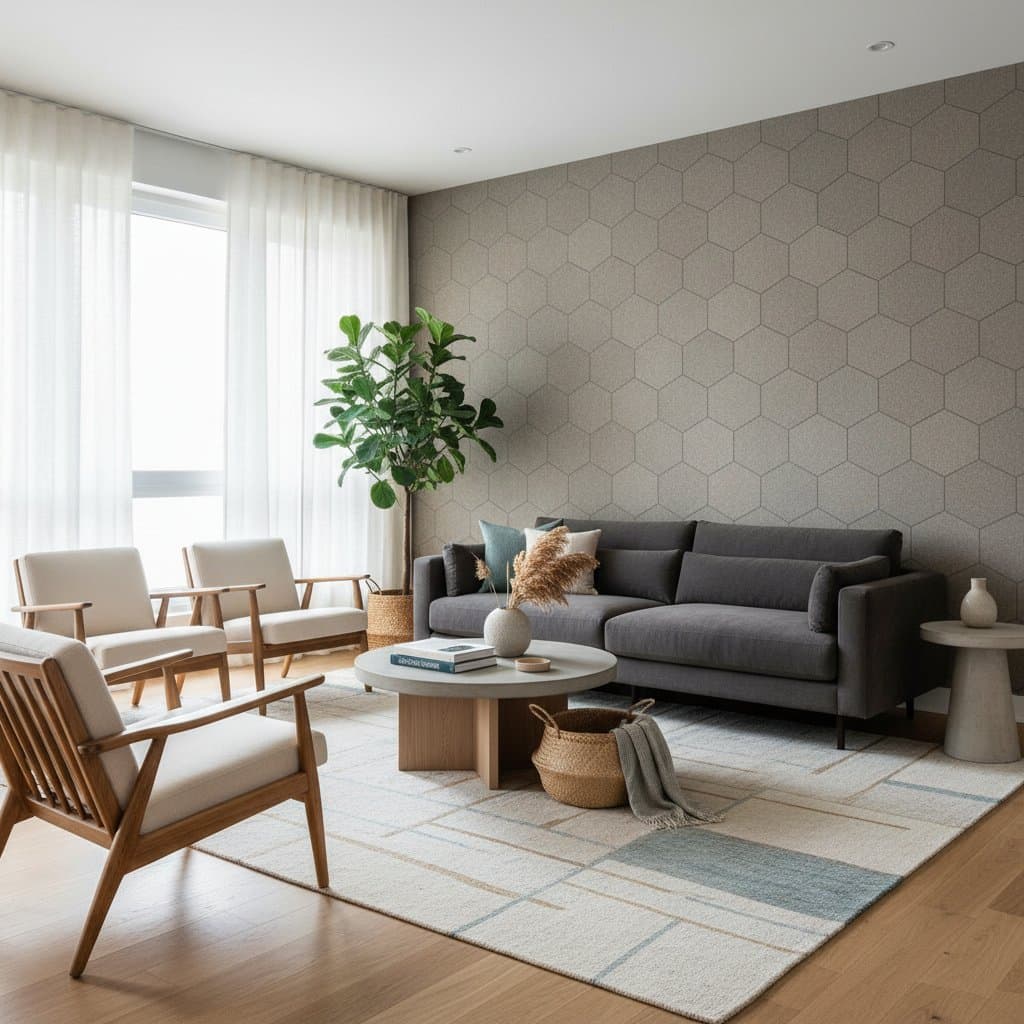
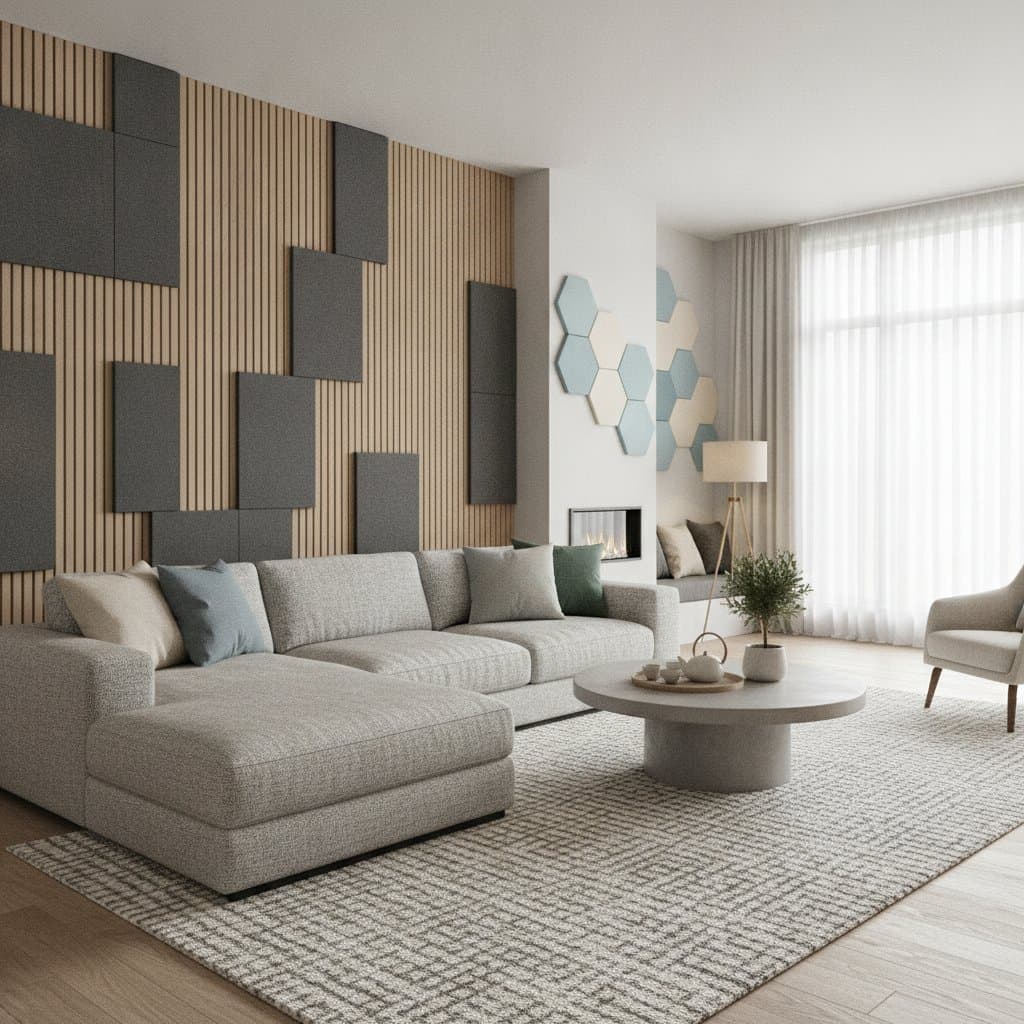
Luxury Acoustic Panels That Make Quiet Look Good
You know that moment when the television is on, someone is answering a message across the room, and the kitchen is producing its own soundtrack of clattering dishes. Add hard flooring, glass, plaster, and a few bare walls, and every sound begins bouncing around like it paid rent.
Luxury acoustic panels offer a calmer solution without making a room look like a recording studio. These refined wall and ceiling treatments absorb unwanted sound, soften echoes, and add visual character. Think of them as a tailored coat for a noisy room, practical, polished, and surprisingly good at improving daily comfort.
Why Sound Design Belongs in the Decorating Plan
Noise rarely comes from one dramatic source. It builds through reflection. Sound hits a hard surface, bounces across the room, and returns with friends. The result may be a hollow conversation, a sharp clatter, or that peculiar echo that makes a beautiful dining room feel strangely unsettled.
Acoustic panels reduce those reflections by using sound absorbing materials such as mineral fiber, recycled polyester, wood slats, cork, or layered fabric. They do not make a room silent. Their purpose is more useful. They help sound feel controlled, voices feel clearer, and shared spaces feel less tiring.
Luxury designs bring this performance into the visual scheme. Instead of hiding a functional fix, you can select panels that match the architecture, furniture, and personality of the room.
Small Details That Make a Big Difference
Fabric Wrapped Panels for Soft, Tailored Texture
Fabric wrapped panels are a dependable choice for living rooms, libraries, bedrooms, and home offices. Their upholstered surface introduces softness to spaces filled with stone, glass, timber, or polished metal.
Choose a neutral fabric for a quiet backdrop, or select a rich color that behaves like wall art. Deep green, warm clay, muted blue, and tobacco brown can add depth without demanding constant attention.
Ask about the panel core and fabric rating before ordering. A beautiful textile still needs reliable acoustic performance. Well-made panels should feel firm, neatly finished, and secure at the edges.
Wood Slat Panels for Warmth and Rhythm
Wood slat acoustic panels are popular for good reason. Narrow timber strips create rhythm across a wall while a dark acoustic backing absorbs sound behind them. The look is architectural, warm, and sufficiently polished for a high-end interior.
Use them behind a media console, along a dining wall, or on the ceiling above a conversation area. Oak brings a lighter Scandinavian mood, walnut feels richer, and stained timber can coordinate with cabinetry or flooring.
The spacing matters. Tighter slats create a denser pattern, while wider gaps give the installation a more relaxed appearance. A skilled installer can also work around outlets, vents, doors, and lighting, which keeps the finished wall from looking like an afterthought.
Sculptural Panels That Double as Art
Who said noise reduction had to be rectangular? Sculptural acoustic panels come in curved forms, geometric groupings, and layered compositions. Some resemble oversized petals, folded paper, clouds, or softly arranged tiles.
These designs work well when a blank wall needs a focal point. Arrange several pieces above a sofa, behind a dining table, or across a large stair wall. The panels absorb sound while giving the eye something interesting to follow.
Keep the composition intentional. A small cluster can look elegant, while too many shapes may create visual chatter in a room that is trying to become calmer. Select one repeated form, then vary its scale or orientation.
Ceiling Panels for Overhead Echo
Walls get most of the attention, yet sound also travels upward. Ceiling mounted acoustic panels can reduce reverberation in rooms with tall ceilings, exposed beams, or large open layouts.
Suspended baffles are especially useful above kitchen islands, dining tables, and lounge areas. They can be arranged in parallel rows or grouped into a sculptural canopy. Flush mounted panels offer a quieter appearance when a room needs subtle treatment.
Before selecting a ceiling system, review lighting, sprinklers, heating, and ventilation. Acoustic design should support those systems, not create a new obstacle course above your head.
Custom Printed Panels for Personal Character
Custom printed panels let you use photography, abstract artwork, botanical patterns, or subtle graphics as part of the acoustic plan. This option suits homes where standard finishes feel too predictable.
A favorite image can turn a practical installation into a personal feature. For a calmer result, choose artwork with broad shapes and restrained contrast. Highly detailed images may compete with books, furniture, and accessories.
Request a proof before production. Colors can shift between a screen and finished fabric, and a large wall panel can make a pattern feel stronger than expected.
Integrated Panels That Hide in Plain Sight
Some of the most successful acoustic treatments barely announce themselves. Panels can be color matched to the wall, fitted inside a built-in, or framed to resemble traditional artwork. They can also sit behind perforated wood, decorative grilles, or architectural screens.
This approach helps preserve a minimalist interior. You get improved sound without adding another obvious layer to the room. It is a favorite solution for open-plan spaces where visual continuity matters.
Placement Matters More Than Quantity
More panels do not automatically create a better result. Placement should respond to the way a room is used and where sound reflects most strongly.
Start with the main activity. In a television room, treat the wall opposite the screen and the side walls near seating. In a dining room, focus on nearby walls and the ceiling above the table. In a home office, address the wall behind your desk and the surfaces that reflect your voice toward the rest of the room.
Rugs, curtains, upholstered furniture, and bookcases also help absorb sound. A layered approach usually feels more natural than covering every available surface. Your goal is balance, not a padded cell with excellent taste.
Work With the Room, Not Against It
A sound specialist can measure reverberation and recommend panel coverage, though smaller projects often benefit from a thoughtful visual assessment. Clap tests are entertaining but not exactly a complete design consultation.
Consider the panel thickness, mounting method, fire rating, cleanability, and resistance to fading. In busy homes, durable fabric and secure mounting are worth the attention. If children, pets, or energetic dinner parties are part of the picture, choose finishes that can handle real life.
Also ask whether panels can be removed or relocated. Flexible systems are useful when furniture layouts change or a room gains a new purpose.
Luxury That You Can Hear
The best acoustic panels do not shout about their job. They make conversation easier, reduce the sharpness of everyday noise, and give a room a more settled feeling. A dinner party sounds lively instead of chaotic. A movie feels immersive instead of booming. A home office feels focused rather than exposed to every footstep.