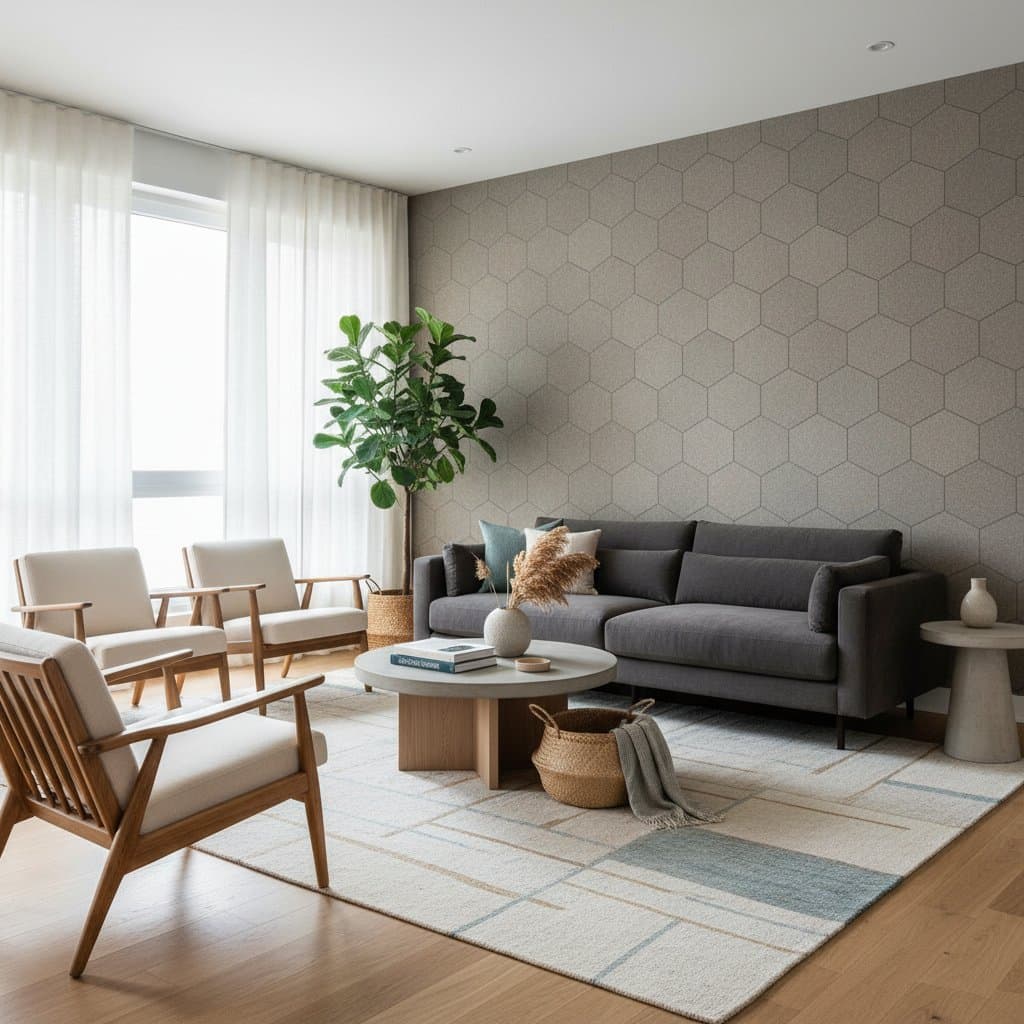
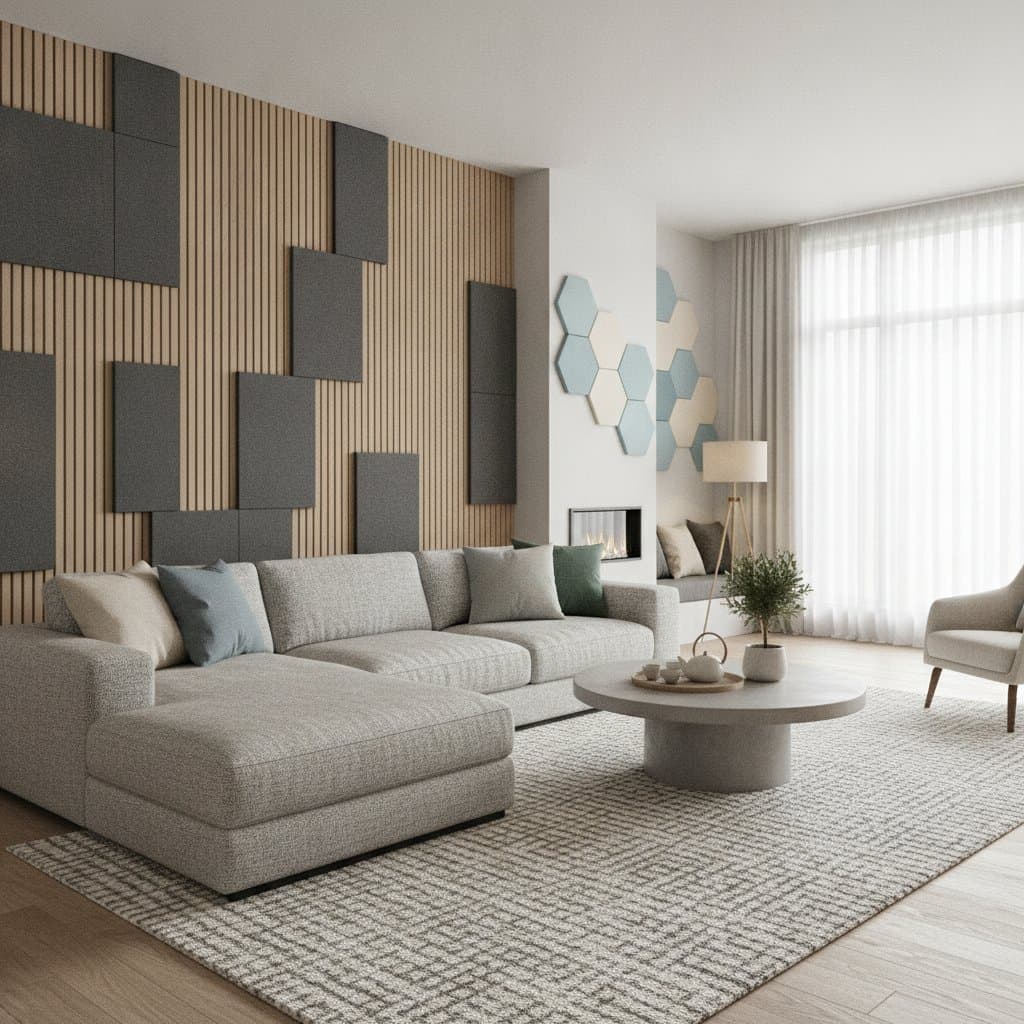
Grounding Flooring Brings Wellness Benefits Indoors
A calm bedroom with soft lighting and cleared surfaces can still feel disconnected from nature. Cold tile and synthetic materials often leave rooms feeling sterile despite careful decoration. Grounding flooring offers a practical approach to bringing the sensory comfort of earth indoors while creating warmer, more intentional spaces.
Grounding, also called earthing, describes direct contact with the earth surface. Supporters believe this connection may help people feel calmer and more settled. Research remains developing, so grounding flooring should not replace medical care or professional health advice. Its strongest design value comes from encouraging barefoot living, natural materials, and slower daily rituals.
What Grounding Flooring Means for Your Home
Grounding flooring usually combines conductive materials with a connection to an approved grounding point. Options may include conductive cork, wood systems with grounding components, conductive rubber, or specialty flooring installed with an earthing pathway. A grounding mat or earthing mat can offer a simpler trial, especially beside your bed, desk, or favorite reading chair.
The appeal lies in the way flooring influences every part of your routine. You feel it when you step out of bed, stretch after work, prepare food, or sit with a book. A surface that feels warm, natural, and comfortable can help transform your space into a restorative indoor oasis.
It is not just about electrical conductivity. It is about texture, comfort, material choices, and the atmosphere your rooms create.
Choosing a Surface That Feels Good
Your local climate should guide the flooring decision. In humid coastal homes, moisture control and ventilation matter because damp subfloors can damage wood and encourage mold. In dry inland areas, hardwood and cork may need careful humidity management to prevent shrinking or gaps. Cold winter regions benefit from insulated underlayment, while warm climates may favor breathable surfaces that feel cool beneath bare feet.
Consider these options:
- Conductive cork flooring offers gentle cushioning, natural variation, and a quieter step. It suits bedrooms, meditation spaces, and home offices. Sealing must be compatible with the grounding design.
- Grounding wood flooring brings warmth and visual character. A qualified installer can integrate conductive elements beneath or within the flooring, then connect them to a verified grounding system.
- Conductive rubber flooring is resilient and practical for exercise rooms, studios, and play spaces. Choose low odor products with clear safety documentation.
- Grounding mats cost less and require less disruption than a full floor replacement. Place one near your desk, beneath a chair, or beside your bed, then follow the manufacturer instructions for installation and cleaning.
Natural stone may feel earthy, though it is not automatically grounding. Conductivity depends on the material, installation, moisture, and connection method. Ask for product testing information rather than relying on appearance alone.
Planning a Safe Installation
Grounding flooring requires careful electrical attention. Never connect a floor, mat, or grounding cord to an unknown outlet or improvised metal object. A licensed electrician should test the outlet, confirm proper grounding, and inspect the home electrical system. Older properties may need updates before a grounding product is installed.
Your flooring contractor should also inspect subfloor moisture and uneven areas, existing adhesives and finishes, electrical grounding pathways, compatibility between flooring, sealers, and cleaning products, and transitions between grounded and standard flooring.
Permits vary by location and project scope. A simple interior flooring change may not require one, while electrical modifications often require approval or inspection. Check with your local building department before work begins.
If you use a pacemaker, implanted device, or medical equipment, speak with your clinician before using grounding products. Keep cords away from walkways, water, pets, and children. Safety should shape the design from the first conversation.
Budget Friendly Ways to Begin
A complete grounding floor can involve material, preparation, electrician, installation, and testing costs. Basic flooring updates may range from several dollars per square foot to considerably more for specialty conductive systems. Labor can rise when contractors must repair a subfloor, remove old adhesive, or modify electrical connections. Request an itemized estimate with preparation, materials, testing, cleanup, and warranty terms listed separately.
You can begin with a smaller project. Add a certified earthing mat to a work area. Replace a harsh synthetic runner with natural cork or wool. Create a barefoot zone beside the bed. Use a natural fiber rug over comfortable flooring. Test your preferred surface in one room before renovating the entire home.
Whether you are dreaming of a sun drenched meditation room or a practical wellness focused office, small changes can reveal what feels right before you commit to a larger budget.
Designing Around Daily Rituals
Grounding flooring works best when it supports habits you already enjoy. Place a mat where you remove shoes after entering the house. Use cork in a stretching area. Pair warm wood with daylight, indoor plants, and breathable textiles. In a bedroom, keep the palette quiet with clay, sand, sage, or soft charcoal tones.
Get ready to notice the small details, the texture beneath your feet, the gentle hush of cork, and the visual calm of uncluttered materials. These sensations can make your home feel like a sanctuary, even when the weather outside is harsh or your schedule is demanding.
Professional guidance can save money and prevent disappointment. A free contractor matching service can connect you with thoroughly vetted local flooring professionals and electricians, while support helps you compare options and clarify project needs. Post your project for free, describe your room, climate, preferred materials, and wellness goals, then invite qualified experts to help shape a safe plan.
Grounding flooring will not solve every wellness concern, and claims surrounding earthing deserve thoughtful evaluation. Still, a carefully selected surface can encourage movement, comfort, and a closer relationship with natural materials. Transform your space into a place where your feet, senses, and routines feel supported, one considered flooring choice at a time.