Understanding Acoustics in Home Design
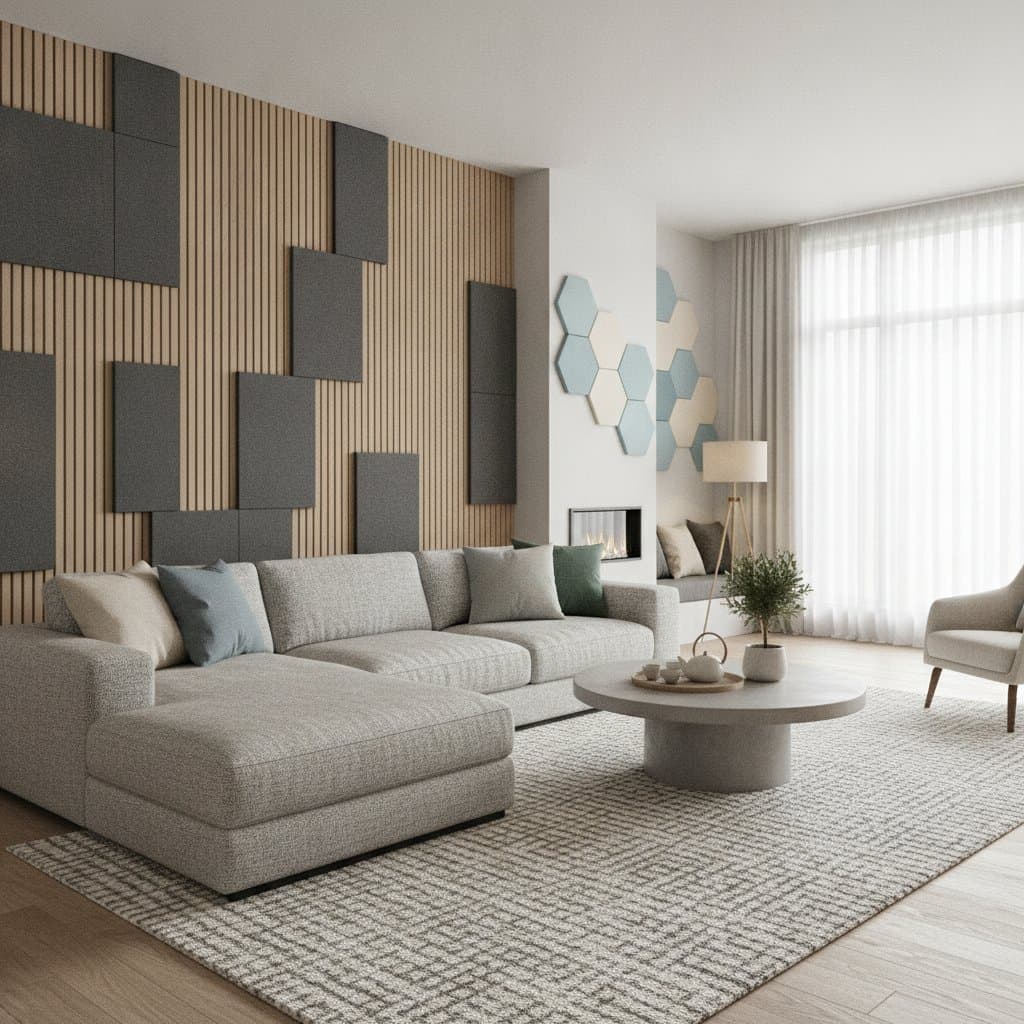
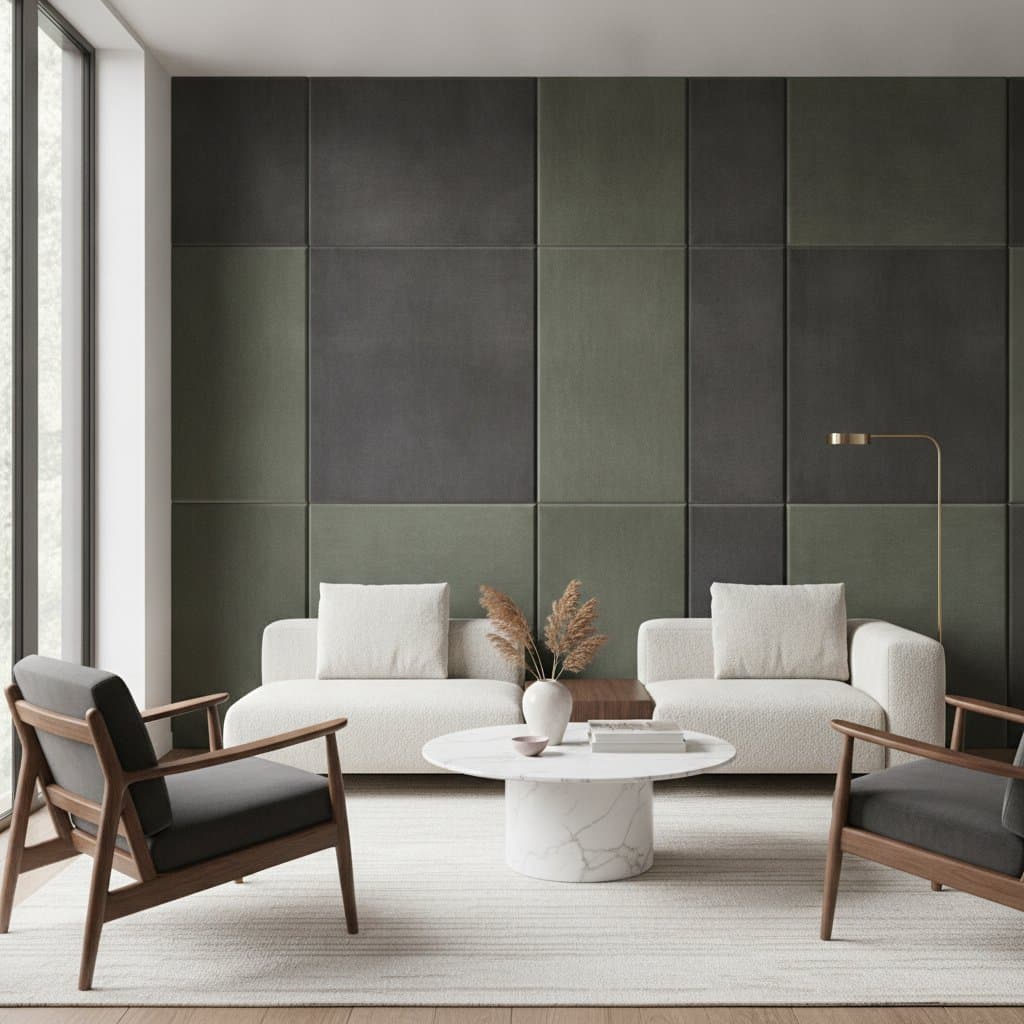
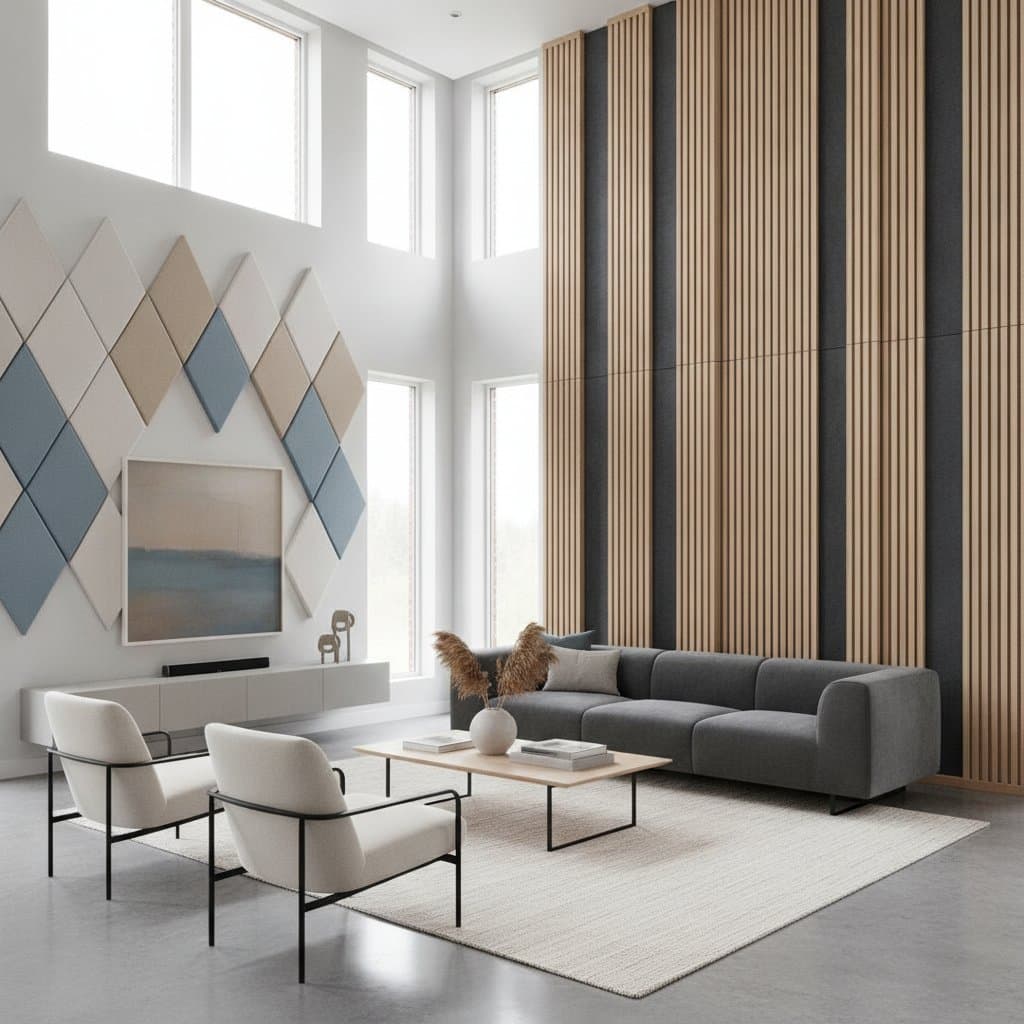
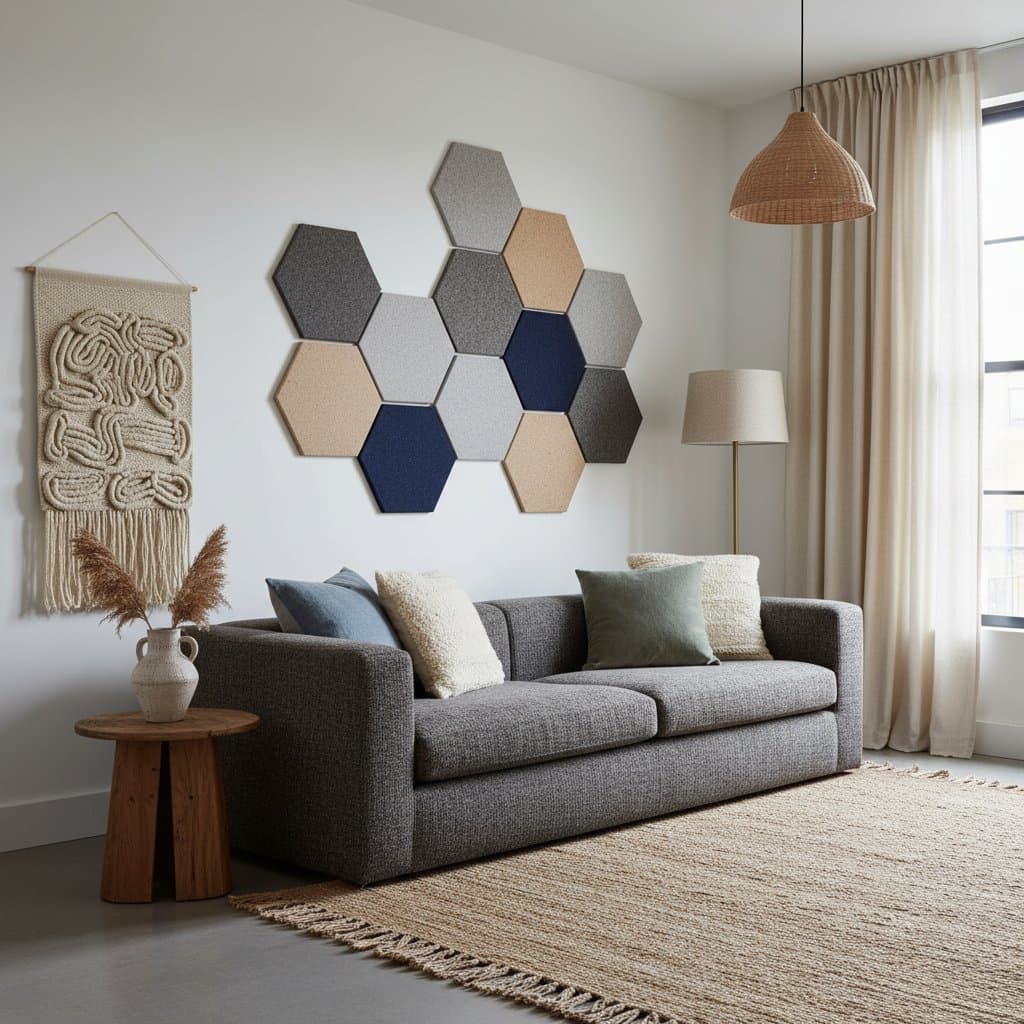
A harmonious home environment allows everyday sounds to blend seamlessly. The gentle hum of appliances, distant footsteps, and the whisper of fabrics contribute to a sense of peace when properly balanced. However, hard surfaces often amplify echoes and permit external disturbances to intrude, disrupting this equilibrium. Fortunately, targeted decor choices enable you to dampen unwanted noise while enhancing visual appeal, transforming ordinary rooms into inviting sanctuaries.
Sound-absorbing elements integrate form and function effortlessly. These solutions avoid the need for specialized equipment, relying instead on everyday materials like soft textiles and varied textures. By incorporating such features, spaces gain an inherent calm that supports relaxation and focus without compromising on elegance.
This guide examines sound dynamics within residential settings and outlines practical strategies to mitigate reverberation and intrusion.
Harnessing Textiles for Acoustic Control
Rooms adorned with substantial curtains and layered rugs often exude an immediate sense of serenity. Textiles rank among the most accessible and visually pleasing methods for sound absorption. They temper reflections from rigid surfaces, diminish echoes, and infuse warmth into the atmosphere.
Selecting and Installing Curtains
Substantial draperies extend beyond light control to capture audio frequencies effectively. Opt for multi-layered options in materials such as velvet, chenille, or dense cotton blends. Install them to extend four to six inches beyond the window frame on each side and position the rod near the ceiling; this configuration envelops the wall area, intercepting sound waves at their source and preventing rebound.
Incorporating Rugs and Carpeting
Bare floors facilitate sharp sound reflections, amplifying ambient noise. Introducing area rugs disrupts these pathways and elevates comfort levels. Select high-pile, tightly woven varieties paired with a cushioned underlay; position a rug to cover at least seventy percent of the floor surface in high-traffic zones, such as beneath a coffee table or along hallways, to achieve measurable reductions in footfall echoes.
Integrating Upholstered Pieces
Seating and structural elements wrapped in fabric serve as pivotal absorbers. The density of the cushioning directly correlates with its efficacy. In echo-prone areas, introduce an overstuffed armchair or a fabric-upholstered ottoman; these items not only anchor the layout but also soften mid-range frequencies, creating a more enveloping acoustic profile.
Strategic Furniture Arrangements to Guide Sound
Open layouts permit sound to propagate freely, intensifying perceived volume. Intentional positioning of furnishings alters these dynamics, fragmenting noise trajectories and curtailing resonance.
- Position freestanding bookcases against echo-generating walls. Volumes of varying thicknesses and bindings diffuse sound through irregular patterns, outperforming smooth panels.
- Place cushioned seating adjacent to reflective surfaces like large windows. These act as barriers, absorbing direct impacts from external sources.
- Hang textured fabrics, such as woven tapestries, behind primary furniture groups. This addition provides both aesthetic layering and subtle damping.
- Employ room dividers crafted from soft materials in expansive areas. Adjustable screens foster intimate zones while maintaining flexibility.
Minor shifts, such as distancing a console table six inches from a wall, interrupt linear sound paths and yield a softer overall ambiance.
Building a Multi-Layered Acoustic Strategy
Effective noise reduction emerges from cumulative, incremental applications rather than singular interventions. Each element contributes uniquely, culminating in a cohesive veil of tranquility.
Step 1: Assess Acoustic Hotspots
Traverse each space attentively, clapping hands to detect lingering reverberations or noting intrusions from adjacent areas. Prioritize zones like vast living rooms, transitional foyers, or dedicated workspaces where disruptions most impair usability.
Step 2: Implement Initial Modifications
Commence with straightforward enhancements, such as placing a runner rug under a workspace desk or upgrading to thermal-lined drapes in sleeping quarters. These alterations swiftly blunt harsh audio edges and establish momentum.
Step 3: Layer Complementary Features
Blend an array of soft goods, including throw pillows, area mats, and framed fabric art. Diverse compositions handle varied frequencies: low tones via bulkier items, higher pitches through finer weaves, resulting in a refined, harmonious effect.
Step 4: Counterbalance Rigid Elements
Expanses of tile, glass, or metal demand offsetting measures. Introduce wooden accents with fabric overlays, like a padded stool near a sliding door, to neutralize their amplifying tendencies without overwhelming the design.
Step 5: Tailor for Personal Resonance
Select palettes and tactiles that resonate with individual preferences, such as earthy tones for grounding or vibrant hues for subtle energy. This approach ensures the acoustic improvements align with emotional well-being, rendering the space distinctly restorative.
Experiencing the Rewards of Acoustic Harmony
Establishing a subdued soundscape yields benefits beyond mere volume control. Dialogues gain clarity, melodies acquire depth, and moments of stillness offer profound refreshment. Such environments bolster concentration, sleep quality, and overall composure.
Tranquility amplifies intentional audio: shared meals resonate with genuine connection, routine tasks carry satisfying weight, and quiet pursuits invite deeper immersion. These shifts cultivate a home that nurtures rather than overwhelms.
Progress unfolds gradually; observe incremental changes, like muted hallway echoes from a new mat or diminished street sounds via insulated shades. Persistent refinements build enduring serenity.
Maintaining Acoustic Balance Over Time
Preserve efficacy through routine care: dust textiles weekly and launder seasonally to sustain their absorptive qualities. Periodically reconfigure arrangements to adapt to evolving needs, evaluating both visual and auditory impacts.
When acquiring additions, evaluate their sonic contributions alongside style. Extend principles to holistic calm by minimizing visual disarray and preserving breathing room, ensuring the environment soothes on multiple levels.
Advancing Toward Intentional Serenity
Embrace each enhancement as a step toward refined living. These deliberate choices affirm the value of thoughtful design in everyday comfort.