Revitalizing Kitchen Spaces with Custom Resin Terrazzo
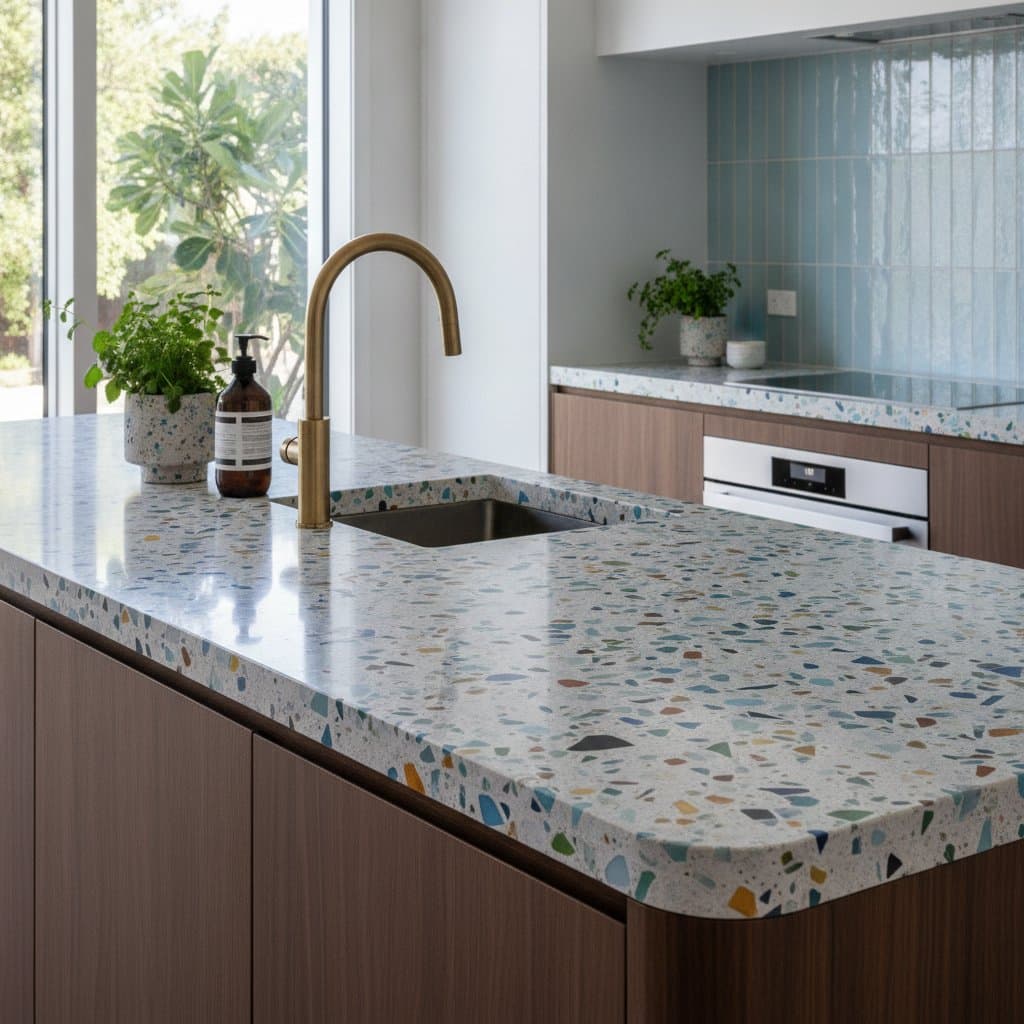
Cluttered countertops and worn flooring often diminish the appeal of a kitchen, no matter its inherent warmth. Home renovators increasingly turn to terrazzo, reimagined through custom resin applications rather than its conventional stone composition. This approach yields a sleek, vibrant, and inventive surface that infuses fresh vitality into the home's central hub, all without the disruption or expense associated with heavy stone installations.
This resurgence combines mid-century aesthetic appeal with the adaptability of contemporary materials. The result proves both functional and distinctive. Options range from striking hues to subtle neutrals accented by delicate flecks, allowing for expressive designs that balance whimsy with sophistication.
Key Distinctions of Resin Terrazzo
Traditional terrazzo incorporates marble or granite aggregates embedded in cement, resulting in substantial weight and demanding installation efforts. In contrast, resin terrazzo employs lightweight aggregates such as recycled glass, quartz, or color-enhanced stone particles, all suspended within a transparent or colored resin matrix. After pouring and buffing, the finish emerges as a continuous, lustrous plane that reflects light with exceptional clarity.
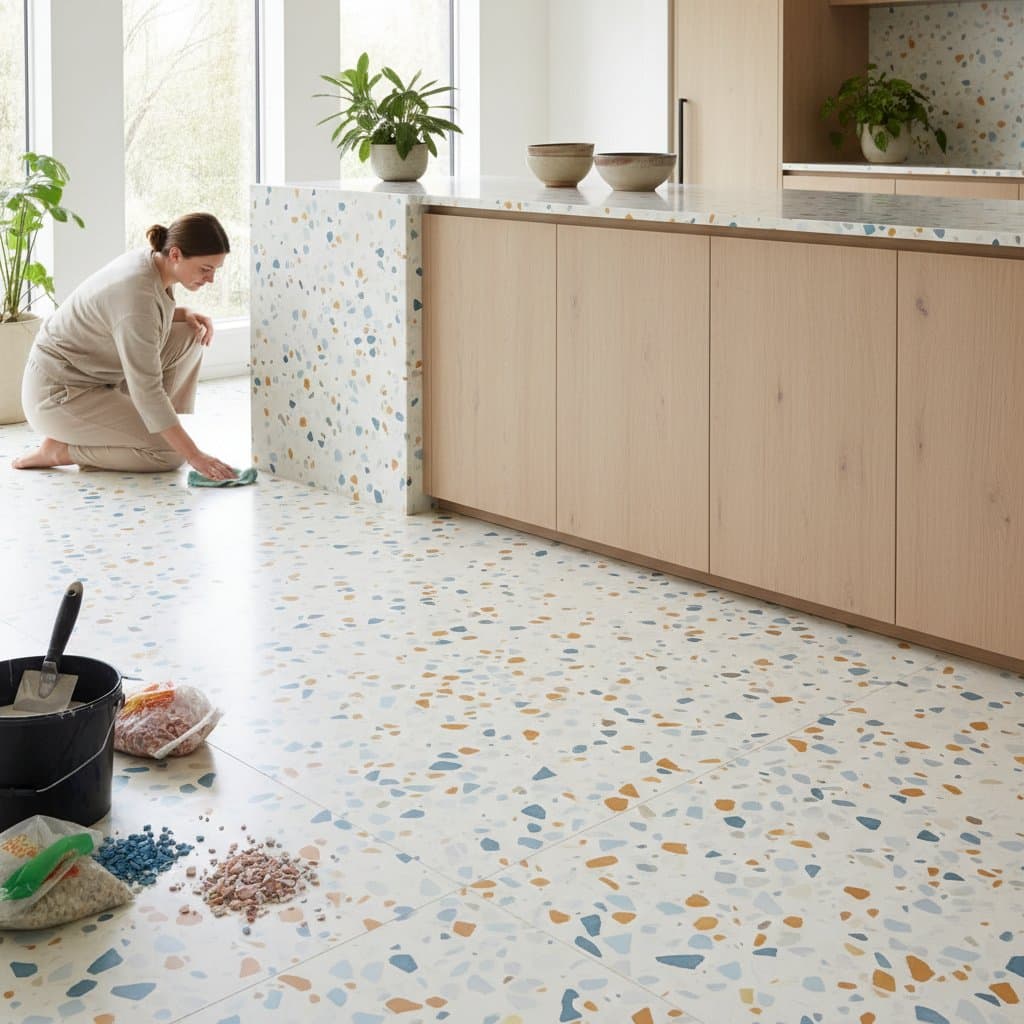
Resin terrazzo excels in kitchen environments due to its resistance to moisture and staining agents. Installers can pour it over expansive surfaces to achieve a seamless appearance without joints. The material endures daily use while providing a cushioned feel underfoot, ideal for extended periods of meal preparation or leisurely mornings.
Essential Materials and Preparation
For those contemplating a DIY endeavor or seeking insight into the installation, the following items form the foundation:
- Resin base combined with hardener for the primary mixture
- Aggregates for decoration, including glass fragments, quartz pieces, or marble shards
- Tools for blending the resin and aggregates uniformly
- Trowel or applicator for leveling the pour
- Safety equipment such as gloves, respirator, and protective eyewear
- Buffing pads and protective coating for the concluding treatment
Understanding these components empowers informed decisions, even when engaging professionals. Homeowners frequently develop bespoke mixtures, incorporating elements like collected sea glass or fragments from cherished ceramics to personalize the design.
Detailed Installation Process
-
Site Preparation. Remove all furnishings and appliances from the kitchen area. Verify that the underlying floor remains free of debris, perfectly even, and thoroughly dry to support adhesion.
-
Design Selection. Select a resin base color that harmonizes with existing cabinetry or wall treatments. Consider serene options like pale whites, earthy taupes, or subtle greens for tranquility; alternatively, deeper tones such as navy blue or terracotta red position the floor as a focal element.
-
Mixing and Application. Follow manufacturer guidelines to blend the resin with selected aggregates. Pour the mixture gradually, then use a trowel to distribute it evenly across the prepared surface.
-
Curing Phase. Permit the material to set undisturbed until it achieves full hardness, typically requiring 24 to 48 hours depending on environmental conditions. This interval guarantees long-term strength and a pristine outcome.
-
Finishing Touches. Buff the cured surface progressively to attain smoothness. Apply a clear sealant to enhance gloss and shield against everyday spills and wear.
Attention to each phase yields rewarding results. Although the project demands time, the transformation delivers profound fulfillment.
Addressing Typical Challenges
Prospective installers often view resin flooring as complex, leading to initial reluctance. Begin with a test panel to build confidence before tackling the entire space. Monitor factors like adequate airflow, consistent room temperature between 70 and 80 degrees Fahrenheit, and precise timing to accommodate the resin's curing properties.
Achieving uniform patterning presents another frequent concern. Thoroughly integrate the aggregates during mixing to promote even dispersal. For a more artisanal effect, manually scatter additional pieces atop the wet resin prior to its hardening.
Integration with Contemporary Kitchen Functionality
Resin terrazzo aligns seamlessly with modern kitchen demands, uniting form and utility in a resilient platform. It withstands liquid spills, hot utensils, and heavy foot traffic without compromise. The non-porous, grout-free design simplifies daily cleaning, preventing accumulation of particles in seams.
Beyond practicality, terrazzo introduces an element of delight. The varied aggregates refract light variably across daylight hours, subtly shifting the ambiance during cooking, entertaining, or relaxation. Incorporating it in targeted zones, such as around an island or in a dining alcove, can dramatically enhance the overall atmosphere.
Ongoing Care for Lasting Appeal
After full curing and sealing, upkeep remains uncomplicated. Perform routine sweeping to remove loose debris, and address spills immediately using a solution of mild detergent and warm water. Steer clear of abrasive chemicals that might compromise the sheen.
Periodic maintenance involves light buffing every three to six months to restore luster. Complement the floor with complementary elements like crisp linen drapery, solid wood seating, or textured basketry. This combination of glossy resin and natural accents fosters a cohesive, inviting environment.
Extending Design Influence Beyond the Kitchen
Undertaking a resin terrazzo project cultivates a mindset of thoughtful creation within the home. It highlights how diverse components coalesce to form cohesive beauty. Apply this approach to adjacent areas, such as entryways or bathrooms, to sustain the theme of personalized, enduring style.