Grounding Floors: Integrating Earthing Principles into Bedroom Design
Modern bedrooms often isolate individuals from natural rhythms through insulated materials and artificial lighting. Grounding floors address this disconnect by mimicking direct contact with the earth, allowing the body's electrical system to stabilize. This subtle integration fosters improved sleep patterns, reduced inflammation, and heightened overall well-being.
Key Elements at a Glance
- Primary Application: Master bedroom environments
- Core Benefit: Enhanced grounding for restorative sleep and stress reduction
- Design Objective: Blend natural conductivity with aesthetic warmth and functionality
- Cost Spectrum: Mid-range investments, from $5 to $12 per square foot, accommodating custom installations or prefabricated options
- Installation Time: Typically 2 to 4 days for a standard 200-square-foot room
- Maintenance Level: Low, with annual checks on grounding connections
The Challenge: Bedrooms Lacking Natural Connection
Consider a typical pre-renovation bedroom with synthetic laminate flooring. This surface not only repels warmth but also generates static electricity, contributing to subtle discomfort during barefoot movement. Clients frequently report feelings of disconnection, exacerbated by the room's reflective sheen and lack of tactile invitation. The desire for a grounding solution often stems from experiences with temporary earthing devices, prompting a search for seamless, enduring alternatives.
The Transformation: A Grounded Sanctuary Emerges
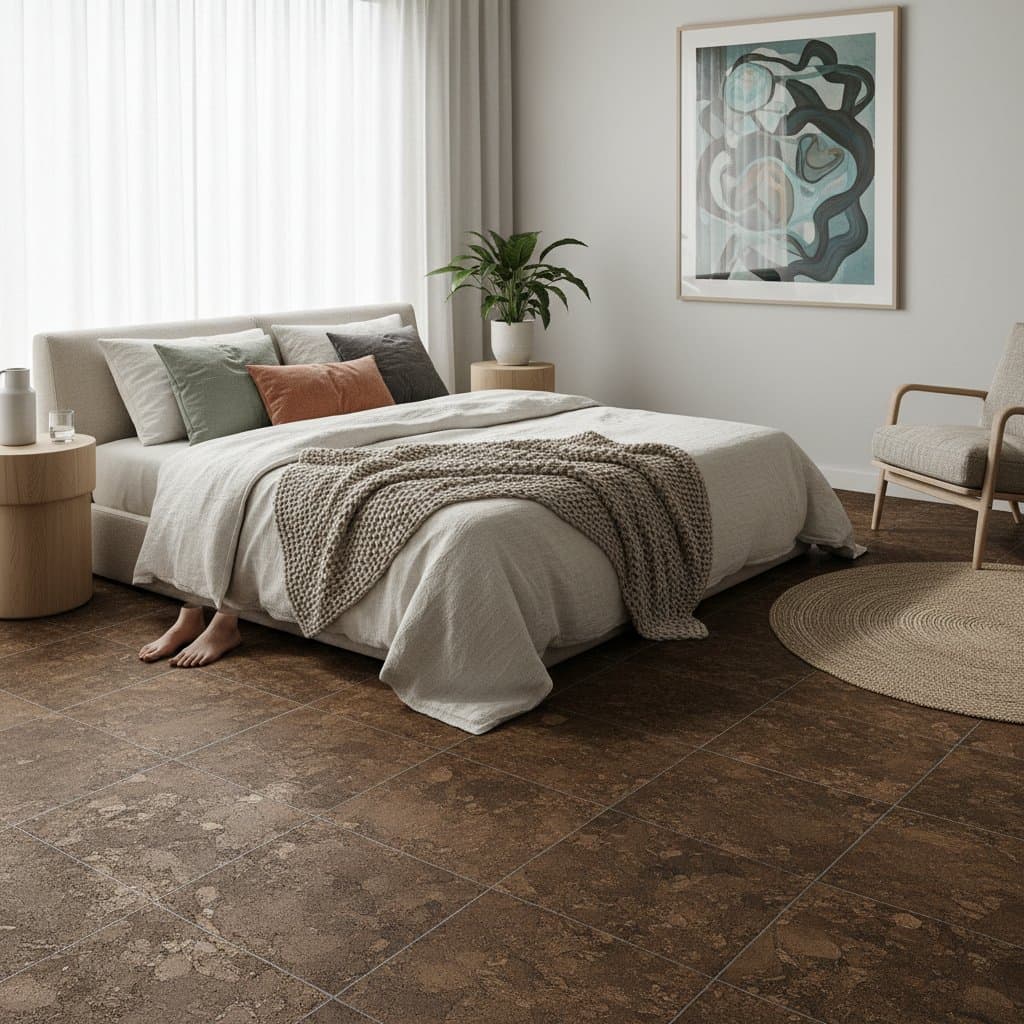
Post-installation, the bedroom evolves into a haven of equilibrium. Conductive cork flooring, embedded with carbon elements and linked to an external grounding rod via a copper conduit, delivers a gentle conductive pathway. The material's inherent softness cushions steps, while its earthy tones diffuse light for a softer ambiance. Barefoot contact immediately conveys stability, eliminating the jarring sensation of cold, unyielding surfaces and inviting a profound sense of presence.
Essential Components of a Grounding Floor System
Effective grounding requires intentional selection and integration of materials to ensure conductivity and durability.
- Conductive Substrates: Opt for cork tiles infused with conductive carbon or specialized vinyl sheets rated for earthing. These connect to the home's grounding system through a certified adapter plugged into a three-prong outlet or directly to a buried rod for optimal performance.
- Sealing Techniques: Apply breathable finishes such as tung oil or natural wax to preserve electron flow; avoid glossy polyurethanes that insulate the surface and diminish benefits.
- Complementary Textures: Surround the floor with organic elements like cotton or wool rugs, bamboo furniture, and stone accents to amplify sensory harmony and encourage prolonged barefoot interaction.
- Illumination Strategies: Incorporate dimmable LED fixtures emitting warm tones (around 2700K) to align with circadian rhythms, supporting the grounding floor's role in promoting relaxation.
Installation begins with assessing the subfloor for levelness, followed by laying the conductive underlayment. Professionals recommend testing conductivity with a multimeter post-setup to verify a resistance below 1 ohm, ensuring reliable earthing.
Measurable Impacts on Well-Being
The physiological effects of grounding extend beyond aesthetics, influencing daily vitality. Research into earthing suggests it neutralizes free radicals, potentially lowering cortisol levels and enhancing melatonin production for more restful nights. Users often note fewer instances of insomnia, diminished joint stiffness upon waking, and a general uplift in mood.
In practice, mornings on conductive cork facilitate smoother yoga flows, as the floor's resilience absorbs impact without compromising balance. Evenings benefit from a calming ritual: simply standing barefoot for five minutes can reset the nervous system. Practical perks include reduced dust accumulation on the matte surface, simplifying upkeep compared to high-gloss alternatives.
Sustaining Your Grounded Space
To maintain the flooring's efficacy, adopt routines that honor its natural composition. Clean with a damp microfiber cloth and pH-neutral solutions, steering clear of ammonia-based products that could erode conductivity. Schedule biannual inspections of the grounding wire for corrosion, particularly in humid climates.
Beyond mechanics, cultivate habits that deepen the connection: incorporate daily barefoot walks across the room or pair the floor with mindfulness practices. Over time, this setup not only sustains physical health but also nurtures a psychological anchor, making the bedroom a true extension of the earth's restorative embrace.
Embracing Lasting Balance Through Intentional Steps
Imagine concluding each day with a floor that actively supports recovery, transforming rest into renewal. By prioritizing conductive cork, you invest in a bedroom that aligns body and environment, yielding sustained serenity and vitality with every grounded stride.