Connect Indoors via Grounding Floors and Earthing Decor
You know that moment when your bare feet hit cool tile in the morning, and for a second, you feel more awake than the coffee machine can ever make you? That simple contact, that sense of connection, is what grounding is about. While we often think of “grounding” as a mental reset, it can also be literal. In design, it means creating physical and sensory connections between our bodies, our homes, and the earth beneath us.
Grounding floors and earthing decor are part of a growing design approach that blends wellness with material awareness. It’s not about turning your living room into a science experiment. It’s about subtle choices in flooring, finishes, and decor that let your space feel more natural, balanced, and calm.
Why Grounding Starts from the Floor Up
Floors are the one surface we interact with constantly but often overlook. They carry the rhythm of life—footsteps, dropped keys, the hum of daily motion. Choosing a flooring material that literally connects you to the earth can change how a space feels on a sensory level.
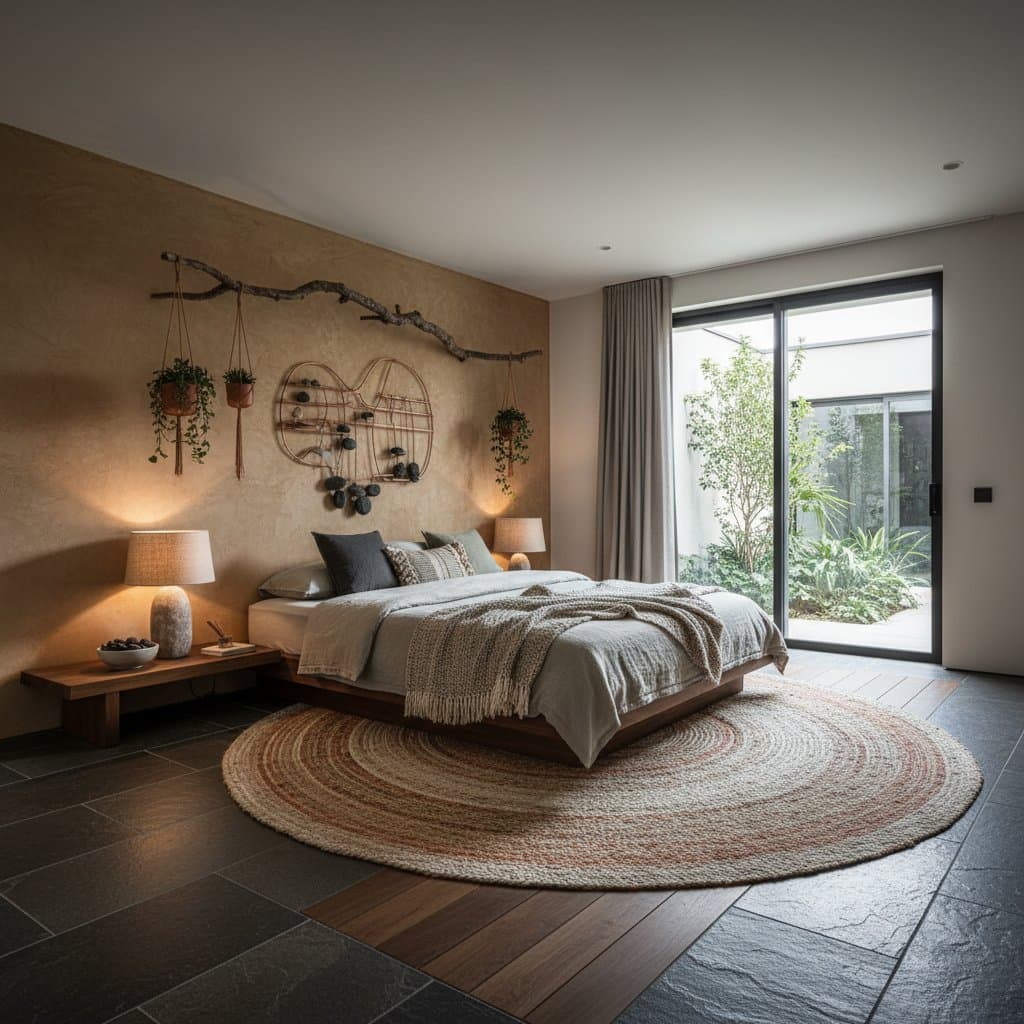
Grounding floors use conductive materials to mimic the natural charge exchange that happens when you walk barefoot outdoors. Some materials support that exchange better than others. Natural stone, clay tile, and untreated concrete have long been favorites for their tactile honesty and grounding properties. They feel solid, cool, and real underfoot.
Modern conductive flooring takes this further with subtle embedded layers that help direct electrons safely, enhancing the grounding effect indoors. You won’t see wires or grids. You’ll just notice that the surface feels steady, like walking on a quiet path after rain.
Small Upgrades, Big Calm
If you’re not ready to redo the entire floor, you can still bring grounding principles into your space through smaller details. Think of them as sensory anchors—each one connecting you a little more closely to the physical world.
-
Natural Fiber Rugs
Wool, jute, or sisal rugs introduce organic texture and conductivity. They breathe, unlike synthetic fibers that hold static. When placed on stone or concrete floors, they provide gentle cushioning without cutting off your connection to the surface below. -
Clay or Lime Plaster Finishes
These wall treatments absorb humidity naturally and offer a matte, tactile surface that feels alive. They reflect light softly instead of bouncing it back harshly, creating a calm visual rhythm that supports the grounding effect from floor to ceiling. -
Unsealed Wood or Oil-Finished Planks
Sealed floors often feel slick and detached. An oil finish lets the wood maintain its natural conductivity and texture. Your feet or slippers will pick up the subtle warmth and grain variation that synthetic coatings hide. -
Earthing Mats and Pads
For renters or anyone unwilling to tear up flooring, conductive mats connected to grounded outlets provide a temporary but effective option. They can be placed under a desk or by the bed, quietly doing their job while blending into the decor. -
Stone Thresholds and Entry Pads
A small slab of slate or travertine at the entryway reintroduces an earthy element right where you transition from outdoors to indoors. It’s a simple gesture that signals calm and connection every time you cross the threshold.
Why It Matters
Grounding decor is not a trend about gadgets or wellness fads. It’s a return to materials that respect the way humans experience space. When a room includes conductive, natural surfaces, it changes how your body and mind register comfort. Many people describe it as feeling more “settled” or “clear.”
The science is still evolving, but the sensory feedback is undeniable. Cooler surfaces slow you down. Textured materials remind you to move mindfully. Even without the technical side of electron flow, grounding decor creates a tangible sense of presence.
Clients often report that their grounded spaces simply feel quieter. The hum of electronics seems less intrusive, and the visual clutter of synthetic finishes fades. It’s not magic. It’s the body responding to an environment that feels balanced rather than overstimulated.
Layering Earthing Decor Thoughtfully
Grounding a home doesn’t mean stripping it of personality. It’s about layering materials that feel honest and letting them interact naturally. Pair a concrete floor with linen curtains. Add a clay vase instead of a glossy ceramic one. Choose a matte metal lamp base over chrome.
Every choice adds a little more calm, a little less glare. Even conductive paints can play a role, subtly equalizing static while providing a soft, velvety texture. The goal is sensory harmony, not a science project.
If you want to test the idea, start small. Try sitting barefoot on a stone floor for a few minutes in the morning. Notice the shift in how you feel. Then imagine that sense of grounded ease extending throughout your home.
Making It Happen
Creating a grounded environment doesn’t require a full renovation. It’s about intention and awareness.
- Start with one surface. Maybe it’s a kitchen floor that gets daily traffic or the reading nook where you unwind. Choose materials that invite bare feet and natural contact.
- Simplify finishes. Avoid heavy sealants or synthetic layers that block conductivity. Natural oils, waxes, or matte finishes keep the tactile connection intact.
- Balance textures. Pair smooth stone with woven fibers or soft clay with polished wood. The mix keeps the space dynamic yet calm.
- Stay consistent. A grounded home feels cohesive when materials share a natural origin. Repetition of tone or texture reinforces the sense of stability.
Grounding floors and earthing decor offer something rare in modern interiors—a reminder that comfort can come from contact, not clutter. When your feet feel the cool trace of stone or the gentle give of wood, you’re not just walking across a surface. You’re reconnecting with the quiet pulse beneath everything.
The best part is how unassuming these details are. You don’t need to explain them to guests. They’ll feel it too—the way sound softens, the air steadies, and the room seems to hold you instead of the other way around. Each surface, each texture, becomes a quiet invitation to pause.
That’s the real beauty of grounding design. It doesn’t demand attention. It restores it.