Connect to Earth Indoors with Grounding Floors
That satisfying sensation of walking barefoot on cool grass or damp soil after a demanding day resets the body, as if tension releases in a single exhale. Replicating this grounded calm inside the home extends beyond poetic imagery. It represents a deliberate design approach gaining traction among homeowners seeking balanced, restorative, and connected living areas. Grounding floors, also known as earthing floors, integrate this outdoor connection into daily routines.
The concept may initially appear unconventional. In essence, specific flooring materials promote physical and mental grounding by mirroring the textures, colors, and energies of natural landscapes. Certain options incorporate conductive layers linked to the earth via grounding systems. For renovations or new constructions, these floors transform interiors into tranquil zones that bolster wellbeing starting from the foundation.
Why Grounding Floors Matter
Modern homes often feature surfaces that isolate inhabitants from natural textures. Synthetic carpets, vinyl coverings, and plastic composites simplify maintenance yet distance individuals from essential tactile interactions. Grounding floors counteract this isolation by restoring sensory and energetic links. The objective extends beyond aesthetic imitation of stone or wood; it aims to infuse spaces with vitality.
Contact with a natural or grounded surface signals stability to the body. The brain processes the material's texture, temperature, and resistance as indicators of security. This understated cue affects posture, respiration, and emotional state. Such effects stem from an innate recognition of environmental integration rather than abstract notions.
Selecting Materials for Grounded Comfort
To establish a tangible connection underfoot, evaluate how each material interacts with touch and illumination. An effective grounding floor possesses depth, warmth, and an inviting presence for barefoot exploration. Consider these options to achieve that indoor quality.
1. Clay and Earthen Surfaces
Clay floors, utilized for centuries, resurface as understated elegance in wellness-oriented residences. Crafted from natural clay, sand, and occasionally straw, they receive finishes of oils or waxes. This yields a compact, mildly cool expanse with subdued luminescence. These floors dampen acoustics, manage moisture levels, and provide reassuring grip, suiting meditation areas, sleeping quarters, or zones prioritizing tranquility.
2. Natural Stone Options
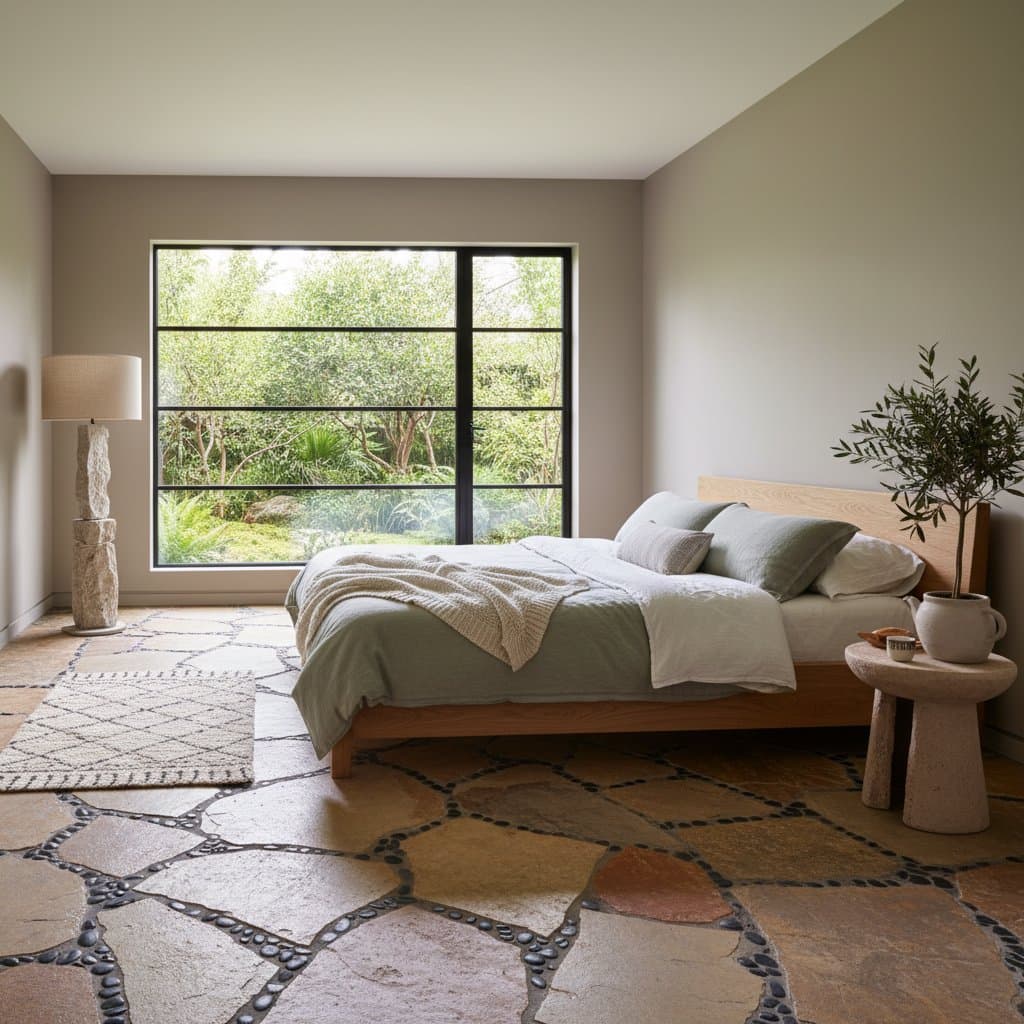
Stone forges one of the most direct bonds to the planet. Varieties like slate, limestone, and travertine deliver distinct patterns and hues. Polished versions convey formality and light reflection, whereas honed or tumbled treatments foster relaxation. Stone's thermal retention maintains cooler summers and warmer winters. Visually, it harmonizes with exterior terrains, smoothing indoor-outdoor transitions.
3. Solid Wood with Oiled Treatments
Wood flooring classically imports nature's presence, yet the treatment determines authenticity. High-gloss polyurethane often appears glossy and detached. Oiled applications, however, permit the grain to expand and retain tactile depth. Traversing oiled oak, ash, or walnut reveals genuine character through subtle creaks, faint woody aromas, and responsive surfaces that encourage deliberate movement.
4. Cork and Natural Rubber Choices
Cork provides resilient cushioning that eases joint and foot strain. Sourced sustainably without tree felling, it enhances environmental appeal. Its inherent patterns infuse visual coziness, tempering contemporary designs. Natural rubber mirrors this support with superior endurance and anti-slip properties. Both options mute sounds and deliver stable footing in active zones.
5. Conductive Systems for Earthing
Individuals drawn to earthing principles may prefer conductive flooring that interfaces with the earth's electrical field via rods or mats. Options include carbon-enhanced vinyl, specialized tiles, or underlay mats paired with natural tops. These facilitate static discharge from the body. Ongoing studies examine sustained health impacts, though users frequently report improved rest and lowered tension. Approach as an exploratory element in health-conscious layouts.
Integrating Grounding Floors into Design
A grounding floor thrives when adjacent elements amplify its inherent qualities. Illumination, wall treatments, and furnishings either reinforce or undermine the foundational serenity. Apply these strategies for purposeful integration.
-
Opt for matte or low-sheen finishes. High-gloss elements scatter light disruptively, clashing with organic vibes. Subdued sheens preserve visual serenity.
-
Leverage natural light for texture emphasis. Sunlight from dawn or dusk skims clay or wood, revealing contours. Daily shadow play imparts dynamic depth.
-
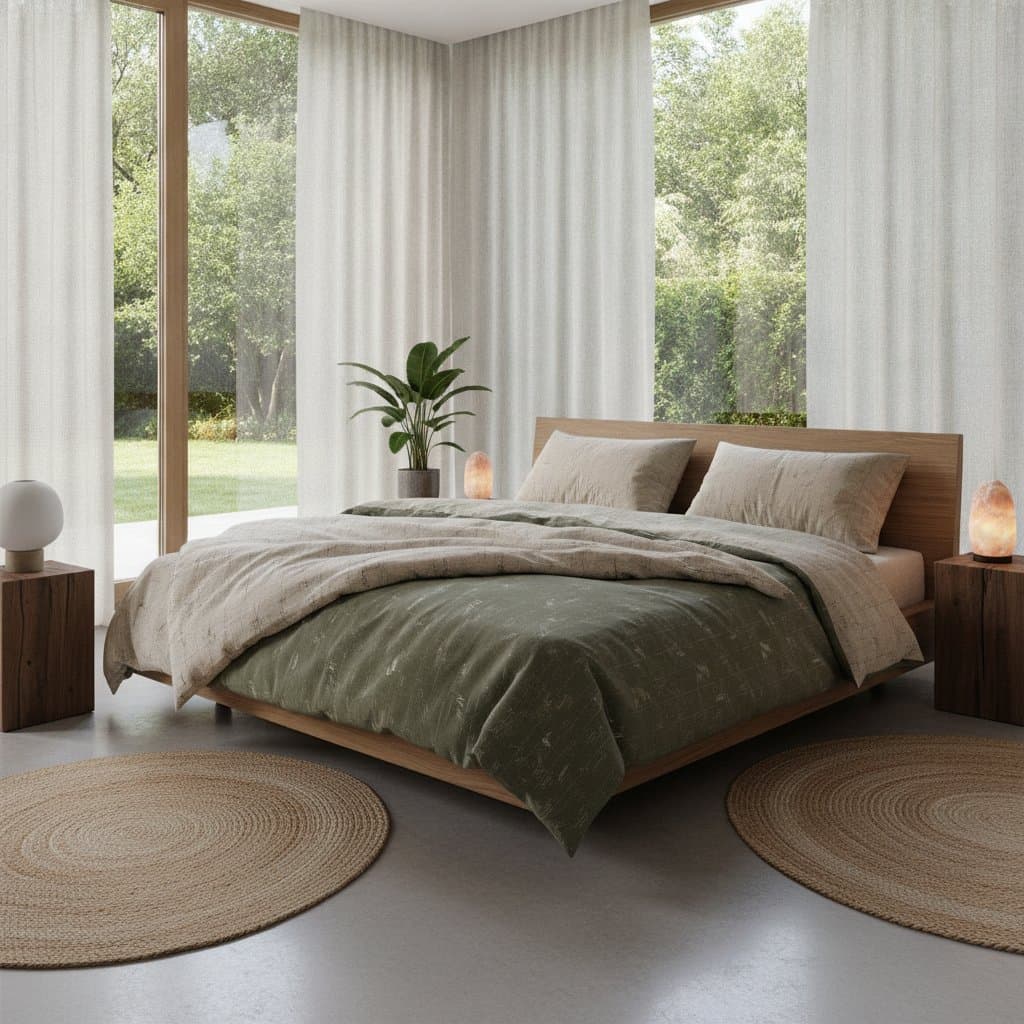
Incorporate natural textiles. Wool area rugs, linen drapes, and cotton upholstery extend sensory continuity. They add layers without obscuring the base.
-
Add strategic greenery and fluid forms. Select plants and rounded furniture to echo landscapes. Focus on integration rather than excess vegetation.
-
Select soothing palettes. Terracotta hues, pale greens, and soft neutrals promote visual ease. These unify materials into harmonious schemes.
Tangible Advantages in Daily Life
Residing atop a grounding floor alters navigation through the home. Initial shifts prove subtle yet accumulate meaningfully. Individuals often linger barefoot, savoring underfoot sensations, or experience softened ambient noises.
These floors also modulate acoustics effectively. Dense compositions absorb vibrations and scatter echoes, enhancing privacy in expansive layouts. In bustling areas like kitchens or workspaces, this sonic moderation recalibrates atmospheres.
Upkeep emerges as a seamless aspect. Natural substances develop patina over time, where minor marks on oiled wood or clay enhance narrative rather than detract. Stone acquires lived-in sheen through use. Routine involves mild cleansing and periodic treatments like oiling or sealing, aligning with natural cadences instead of imposing demands.
Psychologically, grounded surroundings foster aligned habits. Concentration, repose, and attentive tasks flow more readily. Awareness heightens for nuances such as footfall rhythms or light patterns on the surface. These micro-interactions cultivate presence amid contemporary distractions.
Building Wellness Through Grounded Foundations
In remodels, position grounding floors within broader health initiatives. They pair with elements like silent airflow systems, gentle mechanisms, and streamlined storage to nurture rather than overwhelm. This holistic approach yields supportive habitats.
Engage builders or specialists on earthing and organics from project outset. Such preferences influence underlayment, selections, and wiring for conductive setups. Inquire about care protocols and climate adaptability to ensure longevity.
Adapting to Your Grounded Interior
With installation complete, allow adjustment periods. Transformations transcend visuals, reshaping spatial perceptions. Slower paces, barefoot preferences, and enhanced steadiness may emerge.
Preserve visibility and airflow around the surface. Avoid full rug coverage. Shift furnishings periodically for even exposure. View upkeep rituals, such as oil applications, as mindful practices.
Gradually, the floor integrates into sensory routines. It affirms indoor nature ties. Every footfall reaffirms earthly linkage beneath the roof.