Grounding Floors: Tiles That Connect Bedrooms to the Earth
Bedrooms typically emphasize softness through elements like padded headboards and thick rugs. However, leading designers now incorporate natural tile flooring to forge a stronger bond between inhabitants and the natural world. These floors provide a cooling sensation underfoot, stabilize the senses, and introduce understated textures ideal for spaces dedicated to repose. This approach draws from earthing principles in wellness, where direct contact with organic materials helps balance energy and soothe the nervous system.
At a Glance
Location: Examples from urban apartments and coastal residences
Spaces: Primary and secondary bedrooms, typically 140 to 220 square feet (13 to 20 square meters)
Design Teams: Studio Lora Interiors, Mason & Field Design, Clara Venn Architecture
Photography: Provided by the design firms
Before the Transformation
Older bedrooms often incorporated wall-to-wall carpeting or laminate surfaces, selected primarily for their cushioning. Yet these options tended to accumulate dust and absorb light, creating enclosed atmospheres. One resident noted, "The room felt overly insulated and oppressive, regardless of how spotless it appeared." Such setups lacked both visual openness and physical stability.
After the Transformation
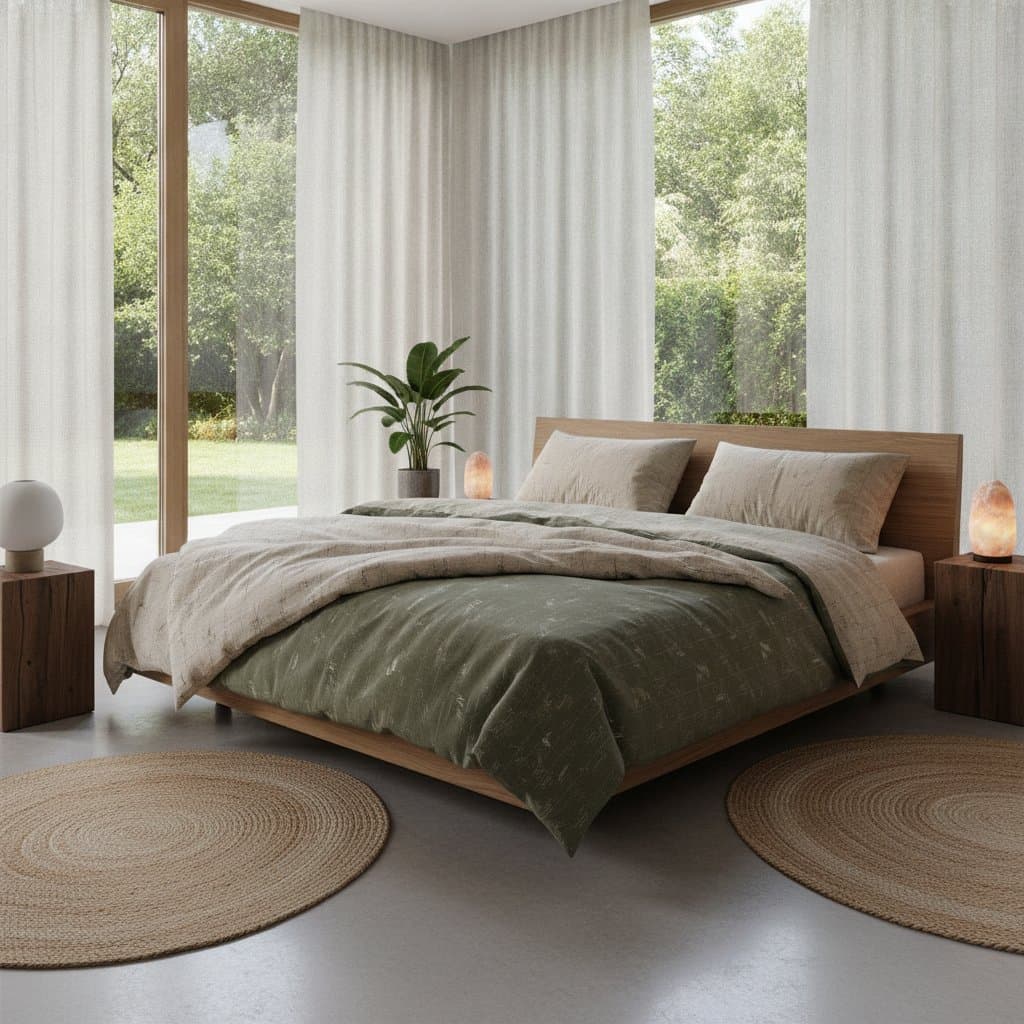
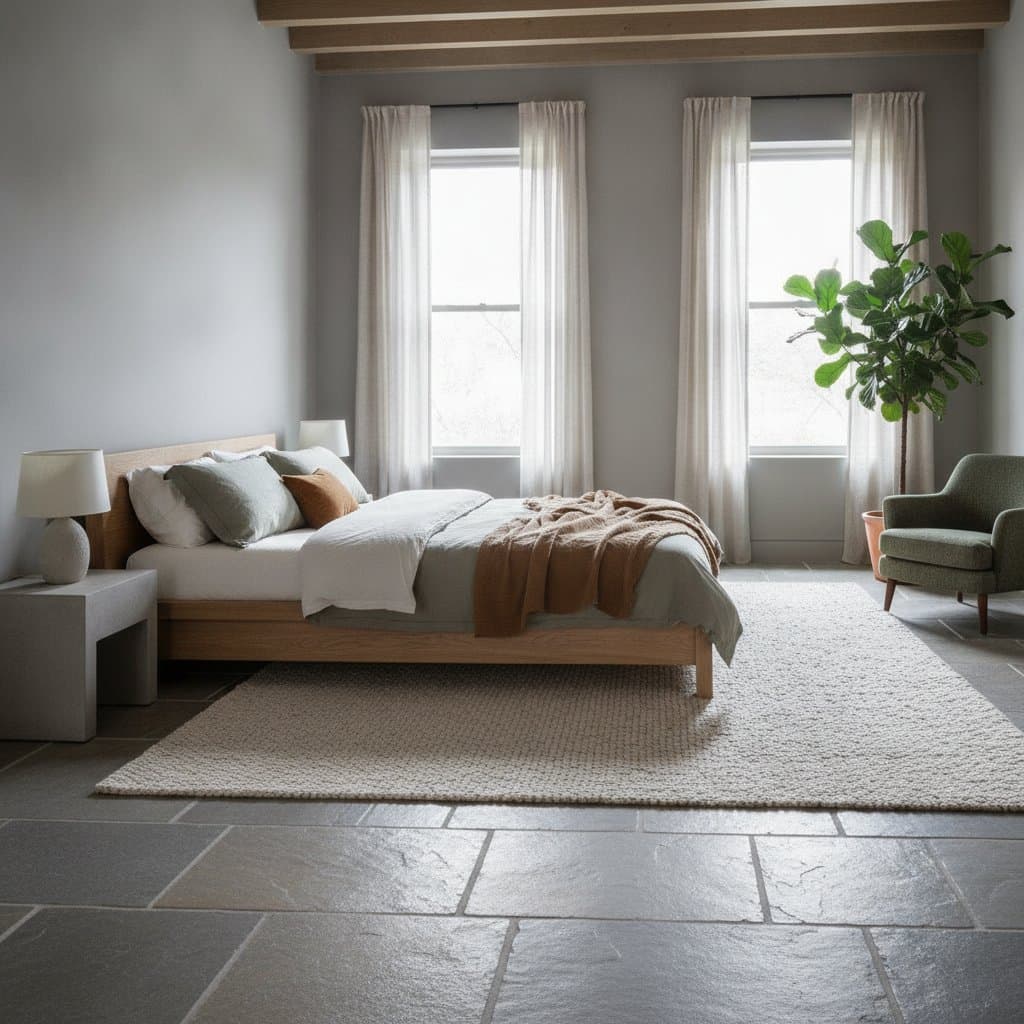
Switching to tile flooring dramatically altered the room's character. Professionals selected clay, limestone, and tumbled marble in matte finishes to minimize glare while maximizing tactile appeal. For instance, Studio Lora Interiors installed 12-by-12-inch (30-by-30-centimeter) terracotta tiles over a radiant heating system, ensuring warmth without compromising the material's inherent depth. This change amplified natural light reflection, minimized allergens, and established a seamless visual connection to outdoor patios visible through sliding doors.
In a coastal setting, Mason & Field Design opted for subtle pale limestone tiles with narrow grout lines and a honed surface. Designer Erin Field explained, "Our goal was to extend the essence of nearby sand into the interior." The tiles followed a running bond layout, which introduced gentle linearity to temper the space's formality.
Design Details
- Materials: Terracotta, limestone, and marble, finished in natural or honed states
- Tile Dimensions: From 8-by-8-inch (20-by-20-centimeter) squares to 16-by-24-inch (40-by-60-centimeter) rectangles, suited to room scale
- Grout Selection: Tones matching the tile for a unified surface
- Underlayment Options: Cork backing or radiant heating pads to offset inherent coolness
- Baseboard Integration: Flush-mounted wood or plaster profiles for smooth wall transitions
- Maintenance Routine: Annual sealing with permeable products to maintain surface integrity
These flooring updates extended beyond aesthetics to shape daily habits. Residents embraced barefoot routines in the mornings, with the tiles' gentle chill serving as a cue for relaxation. Clara Venn Architecture incorporated low walnut platforms adjacent to beds, creating intentional shifts from tile to wood that enhanced spatial harmony.
Key Takeaways
Natural tile flooring renders bedrooms both rejuvenating and sophisticated. These materials regulate temperature and moisture levels while developing attractive patinas over time. Lighter stones amplify ambient light, whereas deeper clay tones foster intimacy during evenings.
Select bedroom tiles with these factors in mind:
- Tone and Texture: Opt for matte finishes that scatter light and encourage sensory interaction.
- Comfort Enhancements: Combine with scatter rugs or underfloor heating to introduce yielding elements.
- Spatial Continuity: Carry the tile pattern into connected areas like terraces or bathrooms to promote fluid movement.
Embracing the Everyday Benefits
Grounded tile floors prioritize lived experience over fleeting styles. They subtly reconnect users to natural rhythms within enclosed environments. As minor variations and patinas emerge from regular use, the surface narrates a tale of engagement and tranquility. Ultimately, anchoring the bedroom to earthly elements cultivates not just rest but a vibrant sense of presence.