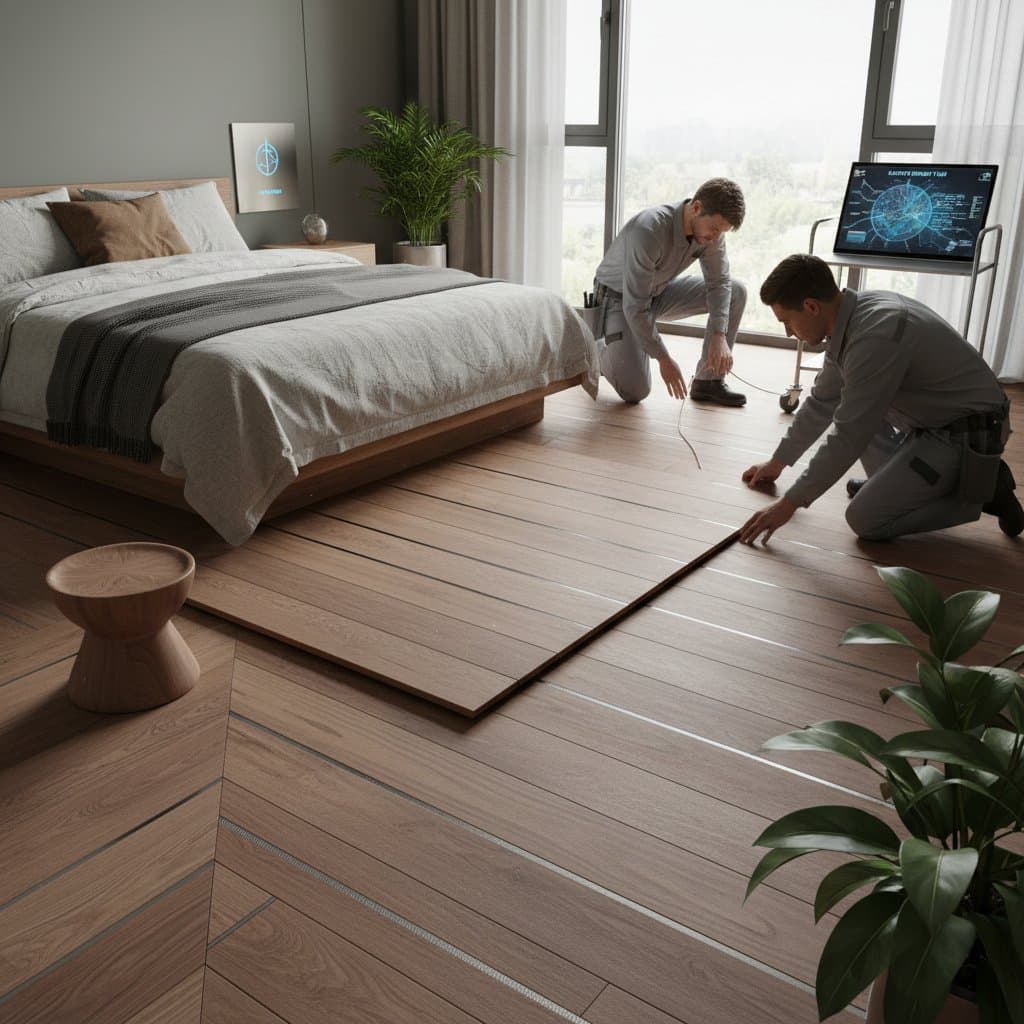
Grounding Floors: Integrating Wellness Technology into Home Design
Mia and Jordan settled into their renovated bungalow with enthusiasm. Sunlight streamed through large windows, the kitchen featured modern appliances, and the backyard offered a serene retreat. However, a persistent sense of fatigue lingered whenever they spent time indoors. The remedy proved to be a change underfoot. They installed grounding flooring, which links the body to the earth's natural electrical field. Soon after, they experienced greater calm and equilibrium.
Grounding floors represent an emerging approach to enhancing home wellness. This innovation combines material science, bioelectric studies, and interior design for practical results. The principle involves flooring that restores contact with the earth's electrical energy, even in enclosed spaces.
The Limitations of Conventional Flooring
Standard flooring prioritizes aesthetics and longevity. Options such as hardwood, laminate, tile, or carpet each provide unique visual appeal. Yet, these materials rarely consider their impact on the body's physiology.
Most contemporary surfaces, particularly synthetics, act as insulators. They prevent the natural flow of electrons that happens when skin contacts the earth directly. This barrier contributes to a subtle separation from environmental energies.
Spending extended periods indoors, amid electronic devices and artificial surroundings, amplifies this effect. Individuals often report sensations of unease or cognitive haze as outcomes. Mia and Jordan's previous vinyl flooring appeared satisfactory but lacked vitality. Static electricity accumulated during low-humidity seasons. Their feet stayed chilled, and ambient noise from gadgets created an underlying tension. These issues became evident only after they explored methods to foster a more tranquil home environment.
Mechanisms of Grounding Flooring
Grounding floors incorporate conductive elements within their structure. These elements typically consist of carbon, silver, or specialized polymers. Proper setup connects them via a grounding wire to the home's electrical ground or an external rod.
The system functions as follows:
- Surface Layer: Select from materials like tile, vinyl, engineered wood, or rubber to match aesthetic preferences.
- Conductive Underlayer: Positioned below the surface, this component facilitates electron movement.
- Grounding Link: A dedicated wire ties the underlayer to the building's grounding infrastructure.
- User Interaction: Direct skin contact, such as barefoot walking or wearing minimal footwear, enables the exchange.
Advanced installations integrate with underfloor heating or moisture management systems. This combination enhances overall comfort. Beyond visual appeal, such flooring promotes physiological balance.
Scientific Foundations
Research on grounding, or earthing, continues to develop. Studies suggest it influences sleep patterns, reduces inflammation, and aids stress management. For instance, exposure to grounded surfaces may normalize cortisol levels, supporting better daily rhythms.
Homeowners frequently share personal accounts of deeper rest and reduced anxiety in these environments. To maximize benefits, position grounding floors in high-traffic areas like living rooms or bedrooms. Consult certified installers to ensure compatibility with existing home systems.
Health and Design Benefits
Grounding flooring promotes barefoot activity, which naturally encourages a slower pace. This practice fosters a tangible bond with the living space. In dedicated areas for yoga or meditation, it provides a foundation of steadiness.
In sleeping quarters, pair it with natural fabrics and subdued illumination to create a soothing retreat. Mia adapted her morning habits, incorporating stretches on the living room floor and appreciating the subtle temperature. Jordan, operating a home office, noted sharper concentration post-installation. The room seemed less electrically charged, translating to emotional ease.
Designers recommend selecting neutral tones for versatility. For example, carbon-infused options mimic traditional wood grains while delivering functionality. This approach ensures the technology supports rather than dominates the interior scheme.
Investment Considerations
Grounding flooring involves higher expenses than basic alternatives, owing to specialized components and labor. Evaluate the long-term advantages, including potential health improvements and energy efficiency.
Approximate costs include:
- Carbon-enhanced vinyl: $8 to $12 per square foot, including installation.
- Engineered wood with grounding: $15 to $25 per square foot.
- Tile or stone with conductive underlayment: $20 to $35 per square foot.
For initial trials, grounding mats offer an affordable entry at $50 to $200 each. Place them near bedsides or desks to assess personal responses before a comprehensive upgrade.
Steps to Incorporate Grounding in Your Home
Begin by assessing your current flooring and lifestyle needs. Identify zones where you spend the most time barefoot, such as kitchens or relaxation areas. Research certified products from reputable manufacturers to verify safety standards.
Engage a professional for site evaluation, especially in older homes with unique electrical setups. During renovation, integrate grounding early to avoid retrofitting costs. Test small sections to confirm comfort and efficacy.
Maintenance remains straightforward: regular cleaning with non-abrasive solutions preserves conductivity. Annual checks on grounding connections ensure ongoing performance.
Cultivating Balance Through Grounded Spaces
Grounding floors extend beyond mere utility; they shape how inhabitants interact with their surroundings. Effective implementations blend seamlessly into routines, delivering subtle enhancements to daily life.
Mia and Jordan now navigate their home with effortless poise. Their environment supports equilibrium, streamlining habits without fanfare. This understated harmony exemplifies thoughtful design's true aim: spaces that nurture well-being from the foundation.
Consider your next project with an eye toward connection. Opt for solutions that align physical comfort with emotional grounding, whether through modest additions or extensive transformations. The result fosters homes that elevate everyday vitality.