The Secret to Stylish Soundproofing: Acoustic Wallpaper
Noise penetrates walls more readily than many homeowners anticipate. The hum of a neighbor's television, footsteps from an upstairs apartment, or echoes of voices in an open-plan living area all contribute to unwanted sound in modern homes. Acoustic wallpaper provides an effective solution to quiet these spaces while preserving a refined appearance. Previously limited to utilitarian studios or hotel corridors, contemporary acoustic wall coverings integrate texture, warmth, and acoustic performance seamlessly into living rooms, bedrooms, and kitchens.
Why Acoustic Wallpaper Matters
Acoustic wallpaper serves a dual role by absorbing echoes and dampening ambient noise, while adding visual depth through woven surfaces, printed patterns, or subtle tonal variations. Interior designer Clara Nguyen of Studio CN observes, "People want peaceful rooms without giving up on style. Acoustic wallpaper provides that balance, especially in spaces with hard flooring and tall ceilings."
In contrast to comprehensive soundproofing systems that demand extensive construction, acoustic wallpapers install similarly to conventional options. They deliver noticeable sound reduction in less time and at reduced expense. The outcome yields quieter interiors that appear more composed and unified.
Design Options That Go Beyond the Studio Look
Initial acoustic wallpapers favored neutral tones and industrial aesthetics. Current innovations from manufacturers incorporate vibrant colors, intricate patterns, and diverse textures. This evolution positions acoustic wallpaper as equally versatile and expressive as traditional wall treatments.
1. Textile-Laminated Panels
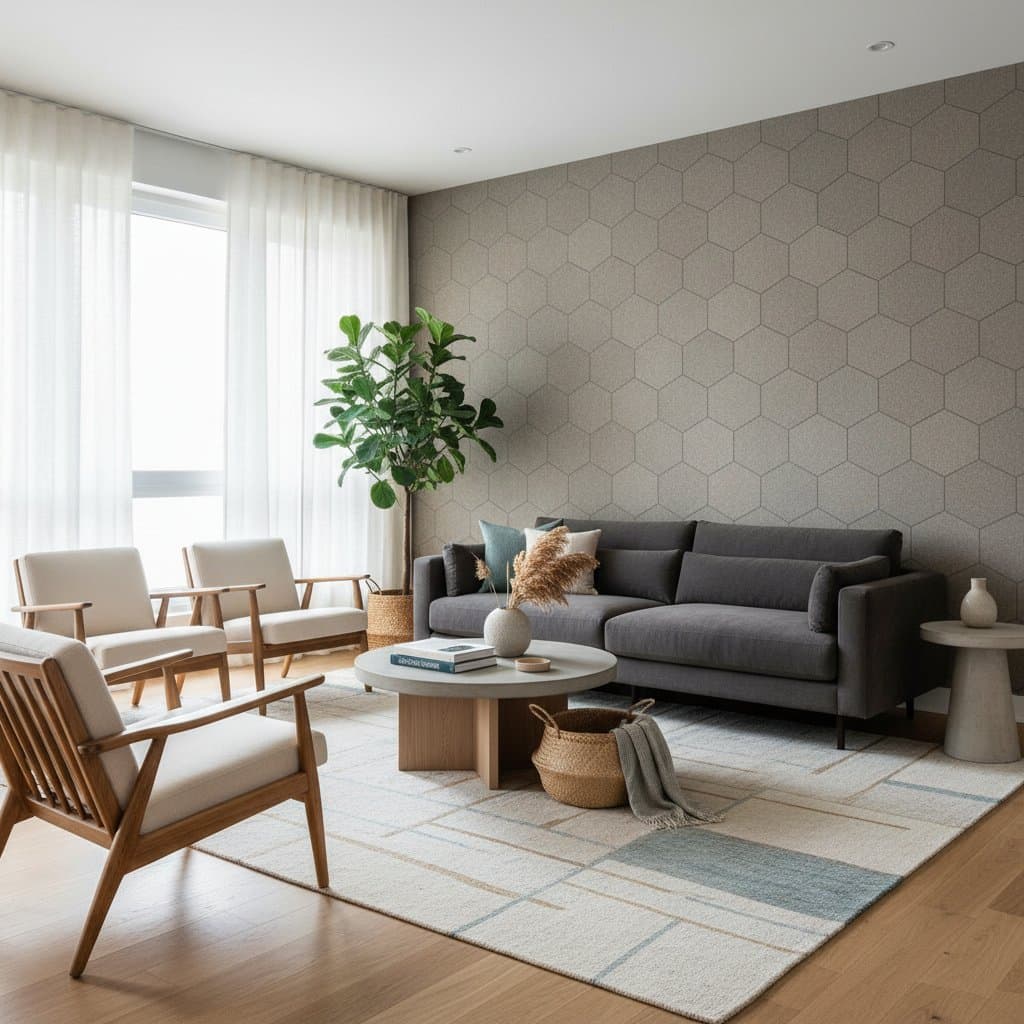
These options feature fabric layers such as wool, linen, or polyester blends adhered to a flexible acoustic backing. They appear in understated heathered shades that harmonize with wood and stone elements. The inherent texture introduces warmth and minimizes glare from overhead lights. To select the ideal panel, consider the room's lighting conditions; for instance, pair linen finishes with natural daylight to enhance subtle sheen.
2. Felted Wall Tiles
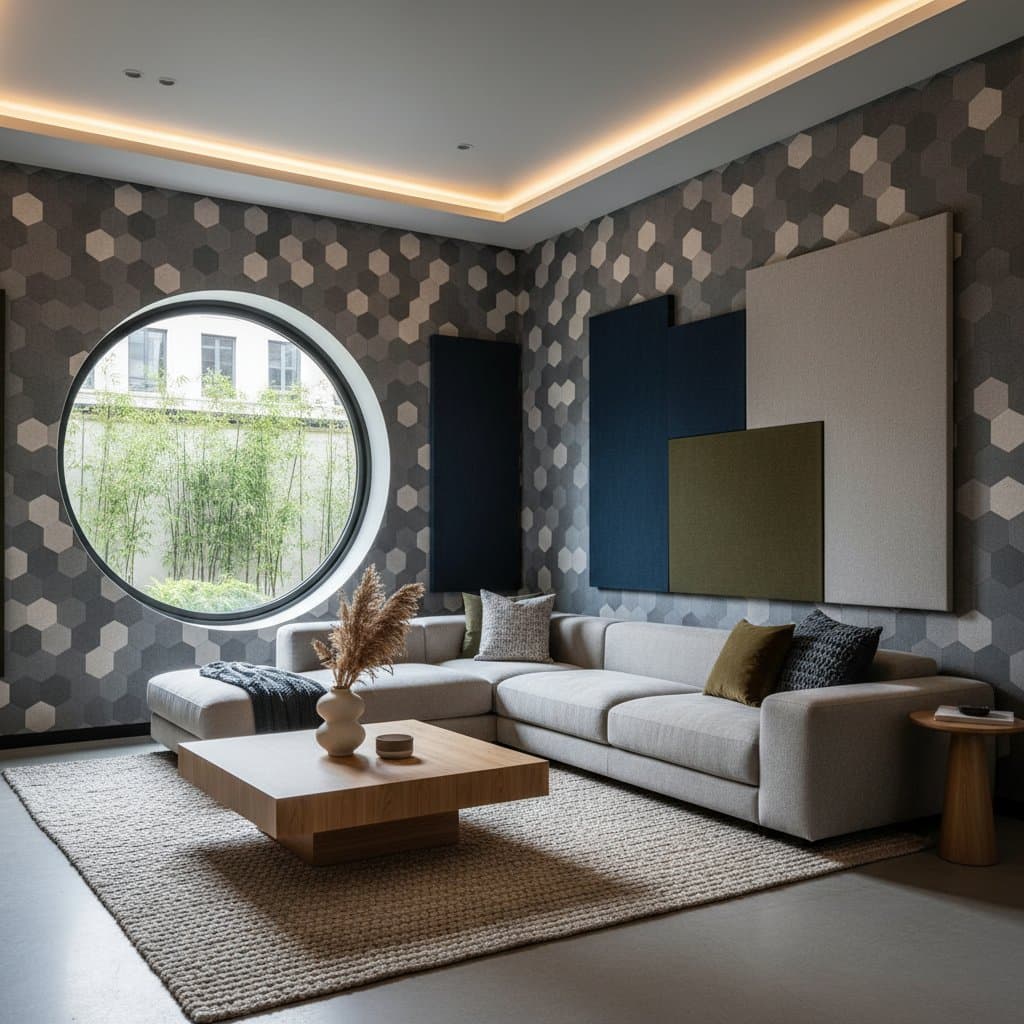
Felt tiles gain popularity in offices and home studios for their adaptability. Installers cut them into geometric forms or elongated strips to form modular arrangements that function as both acoustic barriers and decorative art. The soft, inviting surface encourages interaction while significantly lowering sound levels. For optimal results, arrange tiles in asymmetrical patterns to break up sound waves evenly across the wall.
3. Printed Acoustic Vinyl
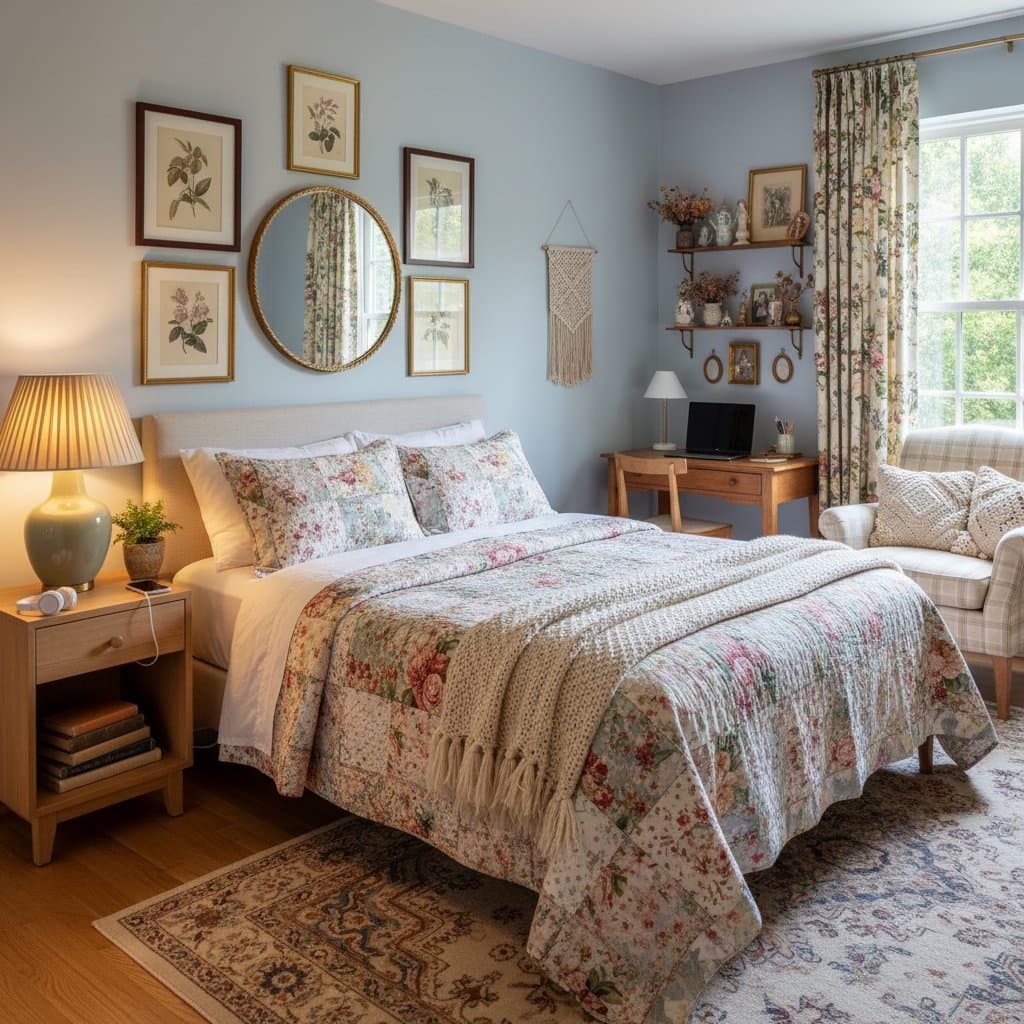
Homeowners seeking patterned designs benefit from acoustic vinyl wallpapers that merge aesthetics with functionality. Artisans apply botanical illustrations, abstract geometries, or metallic highlights directly onto sound-absorbing substrates. The finished product resembles standard wallpaper yet offers superior acoustic properties. Choose prints that align with the room's color palette; for example, select soft florals for a bedroom to promote relaxation.
4. Natural Fiber and Cork Composites
Cork-supported wallpapers or those made from bamboo fibers bring an organic essence to interiors. These materials modestly control humidity and exhibit a gentle luster that shifts with ambient light. Nguyen notes, "These natural options appeal to clients who want sustainability and sensory comfort in one product."
Installation and Maintenance
Standard wallpaper paste or peel-and-stick adhesives suffice for most acoustic wallpapers. Heavier felt or fabric varieties necessitate robust bonding agents for secure adhesion. Prepare walls by ensuring they remain smooth, dry, and dust-free prior to application.
Use a sharp utility knife to trim panels for precise seams. Match patterns meticulously, since surface textures amplify any irregularities. In expansive rooms, engage professionals to achieve uniform coverage and maximum acoustic efficacy.
Maintenance requires minimal effort. Employ a vacuum with a soft brush attachment or a lightly dampened microfiber cloth to clear dust accumulation. Steer clear of abrasive cleaners, which might compromise the material's fibers or acoustic capabilities.
Combining Style and Function
Acoustic wallpaper integrates effortlessly into a home's overall design scheme, either receding into the background or serving as a statement element.
In a minimalist apartment, pale gray felt wallpaper imparts depth without overwhelming the space. Within a family room, acoustic vinyl featuring subdued blues and greens coordinates with furnishings and floor coverings while mitigating conversational noise. Along a hallway, cork panels establish a rhythmic interplay with illumination sources.
Strategic lighting enhances these surfaces effectively. Position grazing lights from recessed ceiling fixtures to accentuate texture and dimension. Opt for diffused illumination from pendant lamps to temper harsh shadows. This approach elevates a functional component into a sophisticated design feature.
Nguyen advises, "Acoustic wallpaper works best when treated like any other design layer. You choose the tone, texture, and placement based on how you want the room to feel, not just how you want it to sound."
Trade-Offs to Consider
The layered composition of acoustic wallpaper elevates its price above conventional alternatives. Costs fluctuate based on material composition, design intricacy, and panel thickness. Dense felt products prove weightier, often demanding reinforced adhesives or supplementary fasteners for stability.
Although color selections broaden continually, they lag behind the variety in standard wallpaper lines. Certain varieties resist painting, and applied coatings may diminish acoustic efficiency. While effective against internal echoes and reverberations, acoustic wallpaper alone cannot fully isolate intense external noises; supplement with insulated drywall or double-pane windows for comprehensive protection.
Living with Your Design
After installation, acoustic wallpaper subtly alters the room's ambiance in profound ways. Dialogues emerge crisper, ambient sounds recede, and the environment fosters tranquility.
Many residents liken the effect to an aura of understated elegance. Nguyen describes it as, "It is like the room exhales. You notice the stillness first, then you realize how much more pleasant it is to spend time there."
Durability defines these materials over extended periods. Numerous options resist stains or incorporate recycled components that retain form and hue. When coordinated with thoughtful lighting and harmonious accents, acoustic wallpaper endures as a perennial element rather than a fleeting vogue.
Your Next Steps
Identify rooms plagued by excessive liveliness or intrusive noise as a starting point. Focus on areas dominated by reflective surfaces, including hallways or expansive kitchens. Calculate the square footage of walls adjacent to windows or proximate to noise origins for targeted application.