The Rise of Sound-Absorbing Textiles in Home Design
Open layouts and hard surfaces define contemporary homes, yet they often amplify everyday sounds into distracting echoes. Homeowners increasingly seek quiet as a core element of comfort, prompting a surge in textiles engineered for acoustic control. These materials, once limited to professional settings, now integrate seamlessly into residential spaces, offering both functionality and visual appeal.
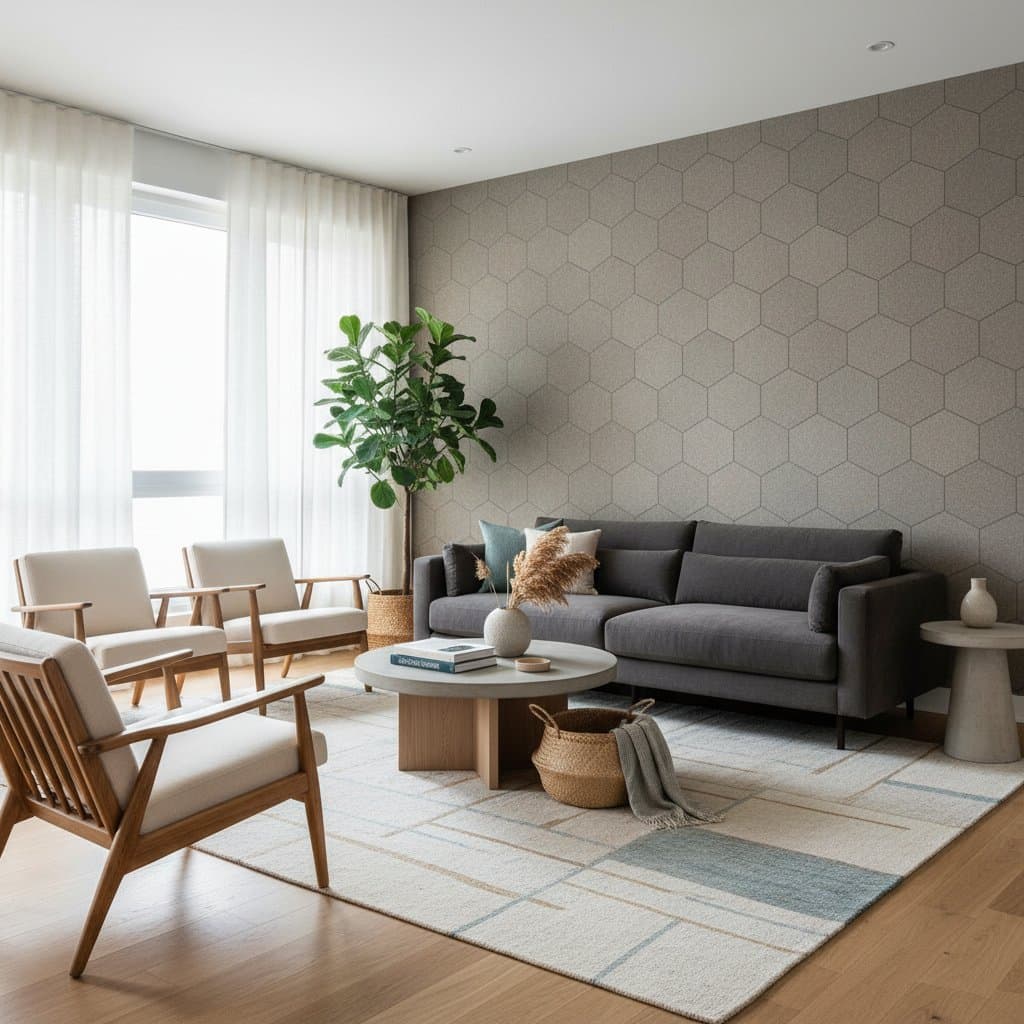
Designers view acoustic textiles as more than problem-solvers; they serve as creative anchors that enhance texture and depth. Heavy wool draperies, for instance, soften conversations in living areas, while felt installations add sculptural interest to walls. This fusion of silence and style positions textiles as essential tools for crafting balanced, inviting interiors.
Principles Behind Acoustic Textile Performance
Sound waves rebound from smooth, rigid surfaces, creating reverberation that fatigues listeners over time. Acoustic fabrics counteract this by absorbing vibrations through porous structures that trap energy within fibers or air voids. Effective designs feature density and layering to target specific frequencies, from sharp highs to rumbling lows.
Consider these proven options:
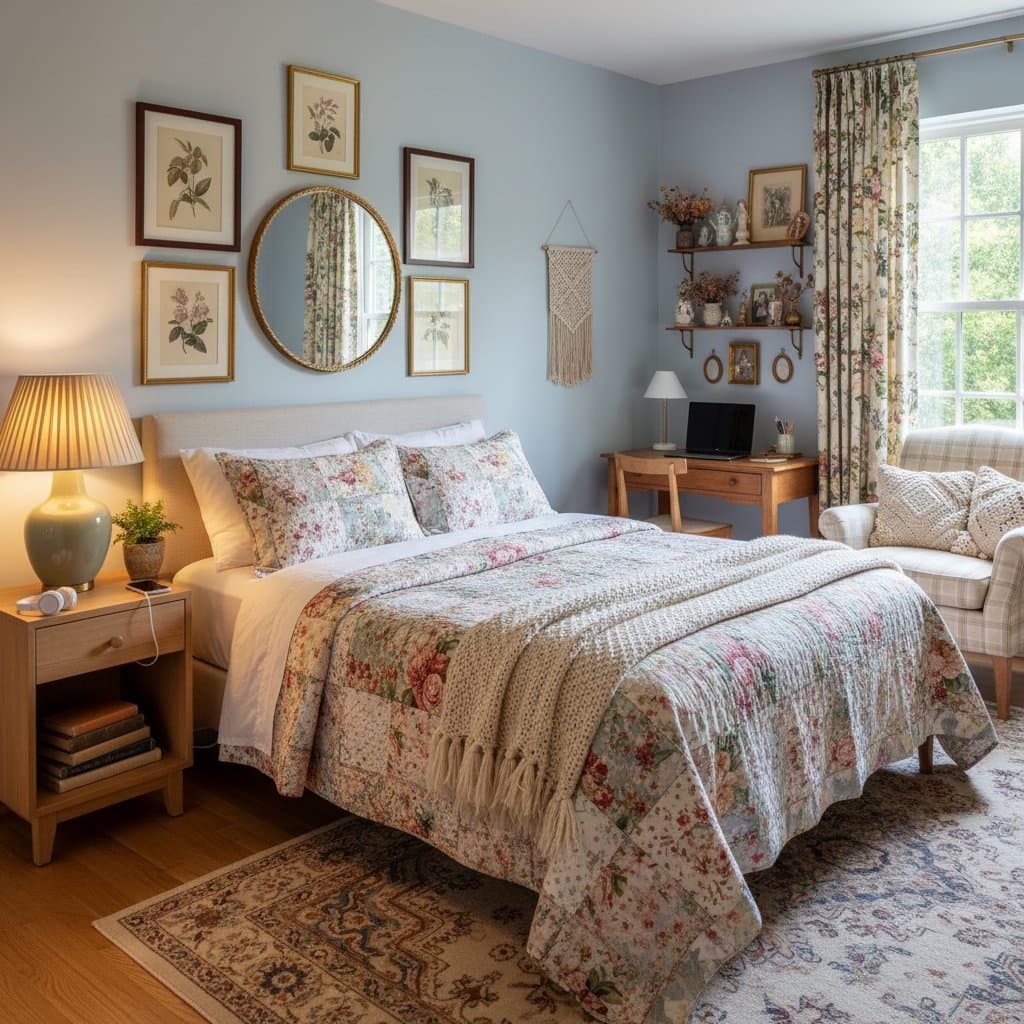
- Wool felt panels: Their thick, natural weave excels at mid-range absorption, ideal for bedrooms where restful quiet matters most.
- Recycled polyester baffles: Versatile for ceilings or partitions, these eco-friendly pieces come in geometric shapes that double as art.
- Linen or velvet hangings: Installed as room dividers, they mitigate noise while introducing soft, flowing lines to minimalist schemes.
- Fabric-wrapped absorbers: Custom-framed for walls, they provide targeted control in home offices, reducing distractions during calls.
Installation techniques amplify results. Mounting fabrics with a small air space behind them enhances diffusion, and combining types across surfaces yields comprehensive coverage. Test small areas first to gauge impact on room dynamics.
Styling Acoustic Textiles for Maximum Impact
Selecting Colors and Textures
Acoustic options span subtle weaves to bold knits, allowing integration with any palette. Opt for earth-toned wools in living rooms to evoke grounded serenity, or layer velvet accents in blues for a soothing coastal vibe. Mixing smooth and textured elements prevents monotony, adding visual rhythm that complements the auditory calm.
Achieving Optimal Coverage
Calculate coverage based on room size: aim for 20 percent of wall or ceiling area in absorbent materials. In a standard 200-square-foot space, this means roughly 40 square feet of panels or drapes. Distribute elements evenly, such as curtains along one wall and a ceiling feature overhead, to avoid uneven sound patterns.
Pairing with Lighting and Fixtures
Innovative products merge acoustics with functionality, like pendant lamps clad in perforated felt that diffuse both glow and noise. Position these over workspaces to minimize glare and chatter simultaneously. Reflective mirrors or metallic accents can offset any light-dimming effects, maintaining brightness without sacrificing hush.
Embracing Sustainable Choices
Forward-thinking brands prioritize recycled content, such as ocean-bound plastics turned into durable felts, or responsibly sourced sheep wool. These selections not only perform acoustically but also align with eco-conscious living, ensuring long-term value through durability and recyclability.
Factors Driving the Acoustic Textile Boom
Remote work routines expose the flaws in echo-prone homes, where background hum disrupts productivity and relaxation. Families notice how sounds bleed from kitchens to studies, underscoring the need for barriers that feel organic rather than obtrusive. Clearer audio during virtual interactions further highlights the benefits of controlled environments.
Social platforms fuel awareness through quick demos: a simple clip of a room before and after textile installation reveals transformed tranquility. Design experts showcase applications in real homes, from urban lofts to suburban dens, proving accessibility for varied budgets and tastes.
Advancements in manufacturing have refined aesthetics, moving beyond stark panels to elegant, customizable formats. Scandinavian minimalism inspires clean-lined absorbers, while Mediterranean influences bring vibrant weaves that warm neutral backdrops. This evolution makes acoustic enhancement approachable for everyday interiors.
Practical Considerations for Implementation
Maintenance keeps performance sharp: regular dusting with a soft brush prevents fiber clogging, especially in high-traffic zones. Select machine-washable variants for kitchens, or modular systems for easy swaps in pet-friendly homes. Budgets range from affordable ready-mades at $50 per square foot to bespoke installations nearing $200, comparable to premium upholstery.
Light absorption poses a minor challenge, as denser fabrics may mute brightness; counter this with strategic lamps or sheer overlays. Approach selection holistically, auditing noise sources first, then layering solutions to harmonize sound, sight, and feel.
Creating Lasting Serenity Through Design
Acoustic textiles elevate homes by addressing an often-overlooked sense: hearing. They foster spaces where focus thrives, conversations flow naturally, and rest comes easily, linking design directly to daily well-being. As awareness grows, these materials promise to redefine comfort, turning any residence into a true sanctuary.