Open-Concept Wet Rooms: The New Spa Bathroom Trend
Imagine entering your bathroom in the morning to find a serene, open space rather than confined shower enclosures and barriers. The floor slopes gently toward a discreet drain, and water flows naturally without interruption. This seamless integration defines open-concept wet rooms, transforming routine bathing into a luxurious, spa-inspired ritual.
Wet rooms eliminate traditional boundaries by merging the shower area with the broader bathroom layout. Continuous flooring and efficient drainage create an expansive, hygienic environment. The design prioritizes effortless movement and minimal upkeep, enhancing the overall daily experience.
Why Wet Rooms Feel So Luxurious
The luxury of a wet room begins with its spatial freedom. Removing shower doors and enclosures eliminates visual obstacles, allowing light to permeate the entire area. Even compact bathrooms gain a sense of vastness as surfaces connect fluidly.
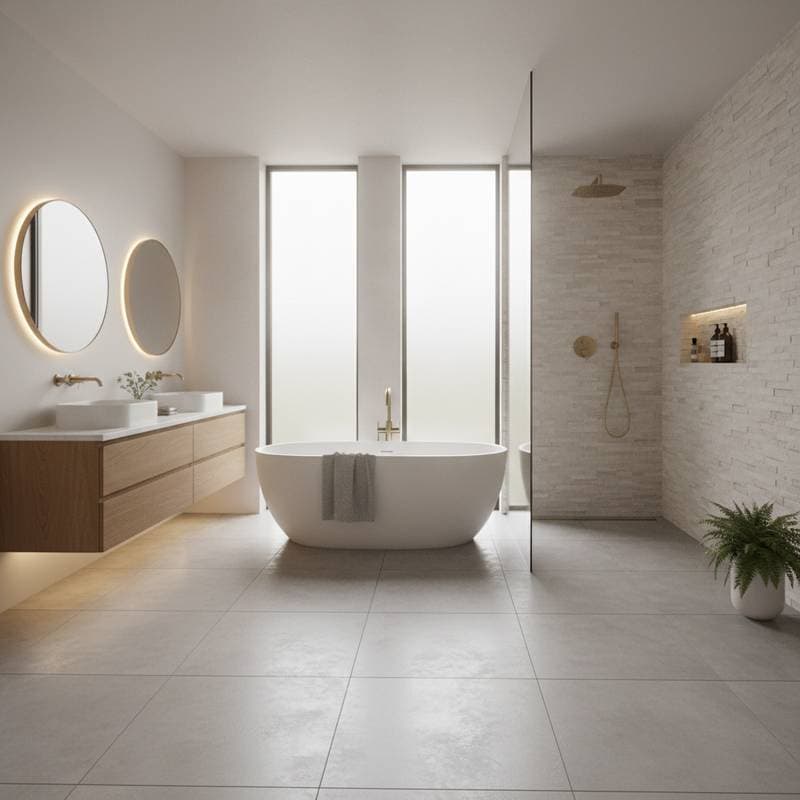
Large-format tiles or natural stone extend across the floor without seams, fostering unity. This approach not only amplifies perceived size but also simplifies maintenance by reducing grout lines. The result is a bathroom that invites relaxation through its inherent openness.
Sensory elements further elevate the appeal. Moisture disperses evenly, maintaining fresh air circulation. Natural materials such as stone or textured porcelain absorb sound, turning the rush of water into a tranquil backdrop rather than a harsh echo.
Smart Details That Make the Difference
Effective wet room design hinges on precise, unobtrusive features. These elements ensure functionality blends with aesthetics, creating a space that performs reliably.
- Invisible Drainage
Linear drains positioned along walls maintain a streamlined floor appearance while directing water efficiently. Some models integrate fully under tiles, becoming virtually undetectable. This setup exemplifies practical design that prioritizes form and function equally.
- Continuous Flooring
Select uniform tiles or materials for the entire floor to achieve cohesion. Incorporate a subtle slope toward the drain to guide water flow without drawing attention. Opt for matte or lightly textured surfaces to provide slip resistance and ease cleaning around edges.
- Glass Panels With Restraint
For splash control in fully open designs, install a slim, frameless glass panel. Position it strategically to preserve the room's airy quality. This minimal intervention offers protection without compromising the seamless visual flow.
- Soft Lighting
Incorporate dimmable recessed fixtures to adapt the ambiance from invigorating daylight to soothing evening tones. Add LED strips beneath vanities or mirrors for a subtle, warm illumination. Such layers mimic natural light variations, enhancing the spa-like atmosphere.
- Heated Floors
Install radiant floor heating to deliver instant warmth underfoot post-shower. This system works seamlessly with uniform flooring, promoting faster drying and reducing condensation. The comfort extends to cooler mornings, making the space welcoming year-round.
- Wall Niches and Built-In Benches
Recess shelves into walls for organized storage of essentials, keeping surfaces clear. Integrate a sturdy bench for seated tasks like shaving, which also serves as a resting spot during extended showers. These built-in solutions merge utility with ergonomic design.
Living With an Open-Concept Shower
A properly constructed wet room maintains its appeal and efficiency long-term. Prioritize comprehensive waterproofing during installation, sealing all surfaces before applying finishes. This foundational step safeguards against moisture issues and preserves structural integrity.
In daily use, the design streamlines routines. Rinse the floor directly after bathing, as the sloped surface channels water away from puddles. Position heated towel rails beyond the primary water zone to keep linens dry and accessible.
The absence of curtains or doors eliminates post-shower hassles like wiping condensation or maneuvering around obstacles. Over time, this simplicity fosters a sense of order and reduces cleaning frequency.
Style Choices That Set the Tone
Material selection plays a pivotal role in defining the wet room's character. Opt for expansive slabs of porcelain or resin to minimize joints and create a monolithic effect. Warm-toned stones like marble introduce subtle elegance, while concrete finishes offer a contemporary edge.
Fixtures contribute to the refined aesthetic. Choose wall-mounted showerheads and thermostatic valves to avoid cluttering countertops. Handheld sprayers add versatility for targeted rinsing, and finishes in satin nickel or matte black provide understated sophistication.
Address acoustics proactively by incorporating sound-absorbing elements, such as cork-backed tiles or strategic wood paneling. These adjustments prevent the amplification of water sounds in open layouts, sustaining the peaceful ambiance.
Why It Works in Small Bathrooms Too
Contrary to common assumptions, wet rooms excel in smaller spaces by maximizing every inch. Eliminating enclosures frees up visual and physical room, creating an illusion of expansion. The continuous floor plane further enhances balance in constrained areas.
Precision guides small-scale implementations. Select compact linear drains and multifunctional elements like fold-down benches. Thoughtful placement of accessories, such as wall hooks near the entry, ensures accessibility without overcrowding.
This approach demonstrates that indulgence arises from intentional design rather than square footage. Compact wet rooms deliver the same restorative benefits, tailored to fit modern, space-efficient homes.
Maintenance and Everyday Ease
Wet rooms stand out for their straightforward upkeep. Fewer seams and seals mean reduced areas for dirt accumulation. Perform routine maintenance with a handheld showerhead rinse followed by a gentle, pH-neutral cleaner on surfaces.
Effective ventilation remains essential to manage humidity levels. Install a low-noise exhaust fan that activates automatically, preserving quietude while preventing mold growth. This system operates discreetly, supporting the room's serene profile.
Complement the design with elevated storage solutions, such as floating vanities. These choices facilitate under-space cleaning and maintain an uncluttered appearance. Consistent habits, like drying fixtures promptly, extend the pristine condition effortlessly.
Integrating Wellness Into Daily Routines
Open-concept wet rooms transform ordinary moments into opportunities for rejuvenation. The fluid layout encourages mindful practices, from deep-breathing showers to reflective soaks. Homeowners report heightened appreciation for these spaces as personal sanctuaries.
By focusing on durable, intuitive features, the design adapts to evolving needs. Families benefit from shared accessibility, while individuals gain a private retreat. Ultimately, this bathroom evolution proves that true luxury lies in harmony between form, function, and well-being.