Acoustic Panels: Elevating Modern Homes with Style and Silence
A serene home environment relies on balanced acoustics as much as on light, color, and spatial arrangement. Even the finest finishes fail to create tranquility if echoes or external noise persist. Interior designers increasingly select acoustic panels for their dual role in sound management and aesthetic enhancement. These panels, once concealed in utilitarian settings, now serve as focal points that blend superior craftsmanship with peaceful functionality.
Project Overview
Residents: A professional couple working remotely
Setting: Urban high-rise apartment
Area: 1,200 square feet (111 square meters)
Design Firm: Studio Rho Interiors; photographs by Calen Morris
The Initial Challenge
The open-plan layout featured hard surfaces that amplified sound reflections. Residents heard neighboring televisions, elevator hums, and their own voices echoing off the concrete ceiling. One homeowner noted, "We sought a peaceful retreat, not an echo chamber." While rugs and curtains offered partial relief, they fell short of the desired quiet without altering the modern aesthetic.
The Transformation
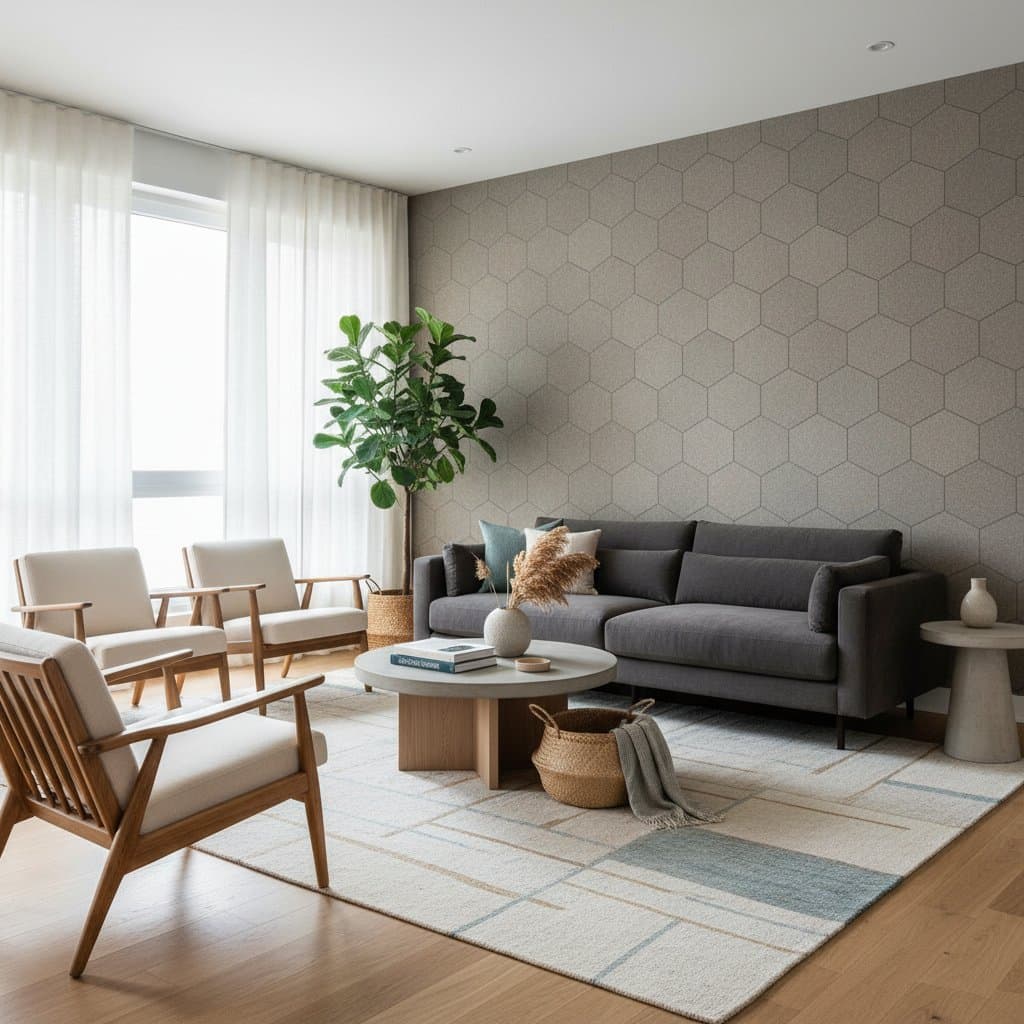
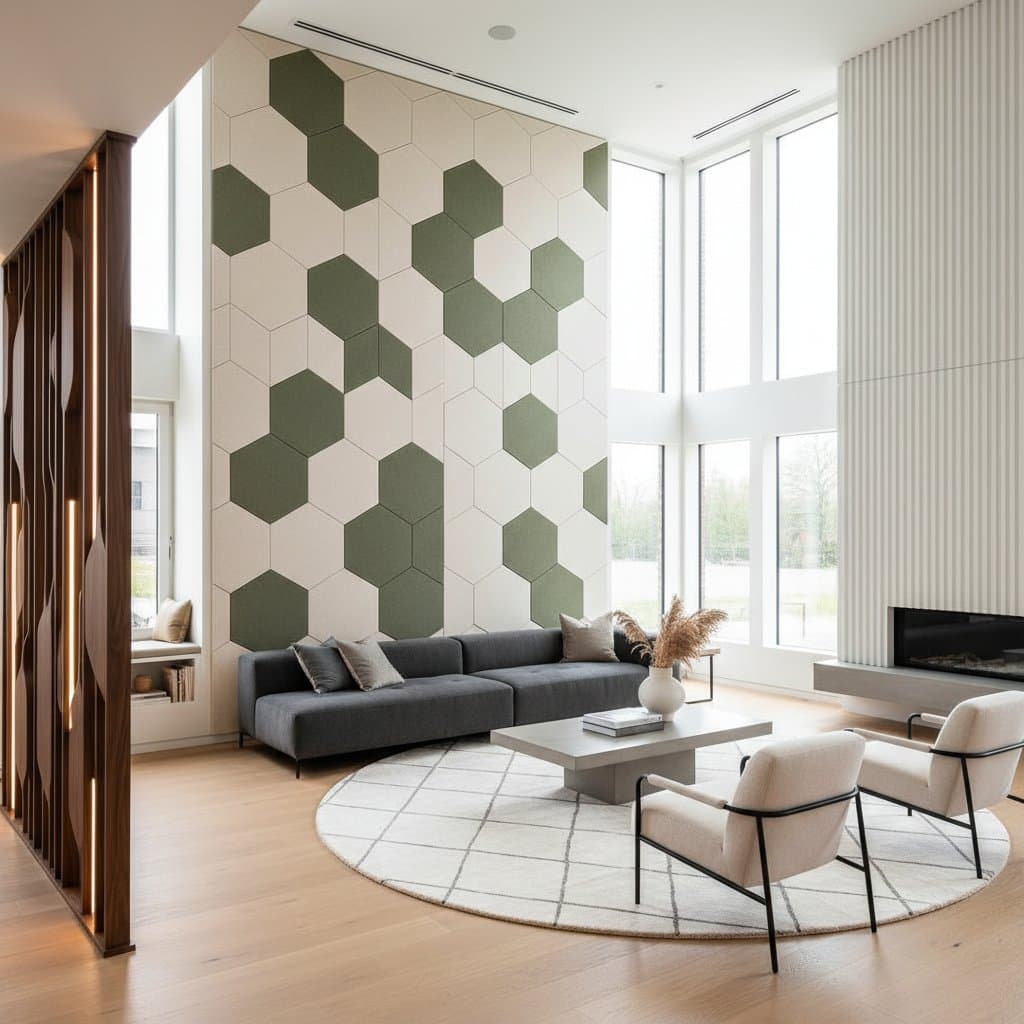
Studio Rho integrated sound control into the overall design strategy. Custom acoustic panels, wrapped in premium fabrics and wood veneers, harmonized with the neutral tones of the interior. Placement focused on the living room wall and workspace backdrop to target mid- and high-frequency sounds during conversations and virtual meetings.
Each panel spans 24 by 48 inches (61 by 122 centimeters) and mounts with a one-inch (2.5-centimeter) air gap for optimal absorption. The result proves understated yet profound: voices gain clarity, music plays without distortion, and urban noise recedes. These panels function as integrated artwork, infusing warmth and composure into the space.
Key Design Elements
- Materials: Mineral wool cores enveloped in linen, wool blends, and rattan weaves.
- Colors: Subtle taupe, sand, and graphite tones that align with current decor.
- Installation: Aluminum cleats provide secure mounting with an offset for enhanced acoustics and straightforward disassembly.
- Illumination: Recessed LED strips highlight panel textures and deliver soft, even lighting.
- Cable Management: Concealed channels behind panels route wires from the desk and entertainment areas.
- Care Instructions: Use a vacuum with a brush attachment or a soft cloth for routine dust removal.
The Rising Appeal Among Designers
Acoustic panels transcend mere functionality to become premium design elements that deepen both comfort and visual interest. In upscale residences and select hospitality venues, expansive panels emerge as artistic installations that mitigate noise while introducing texture and form. Options range from wool-felt geometric arrays to oak slats with foam backing, adapting to styles from sleek minimalism to timeless elegance.
Designer Lena Ortiz observes, "Silence forms a core aspect of luxury." She incorporates panels in sleeping quarters and entertainment areas, yet notes benefits in dining zones as well. "Conversations flow naturally at lower volumes, fostering greater intimacy," she explains.
Practical Placement Ideas for Residences
- Living Areas: Position panels behind sofas or adjacent to media walls to diffuse echoes and refine audio quality.
- Workspaces: Install behind desks or along adjacent walls to enhance speech intelligibility on calls.
- Sleeping Quarters: Employ upholstered panels as headboards to combine support with sound softening.
- Corridors: Line narrow passages with vertical felt strips to muffle footsteps and ambient sounds.
- Overhead Applications: Suspend baffles or cloud-like fixtures in expansive layouts to curb reverberation without visual constriction.
These placements alter spatial acoustics by attenuating abrupt noises and equalizing tonal balance. The aim centers on achieving composed tranquility that supports concentration and repose, rather than absolute quiet.
Integrating with Storage Solutions
Designers align panels with built-in furniture for cohesive results. In this apartment, panels mask recessed shelves for office essentials, maintaining a unified appearance while concealing items that could disrupt sightlines or acoustics. Another method involves covering cabinet fronts in matching acoustic fabrics, yielding a seamless surface that excels in both performance and presentation.
Advances in Materials
Producers innovate with sustainable choices like recycled PET felt, cork composites, and hemp-based absorbers. These options deliver strong sound dampening alongside organic textures. Modular systems with magnetic attachments allow repositioning akin to gallery displays. In moisture-prone zones like kitchens, treated wood or resin finishes endure while effectively reducing noise.
Surface variations contribute significantly to appeal. Coarse weaves, grooved timbers, and stratified fabrics scatter sound waves and enrich aesthetics. In spare interiors, a monochromatic panel wall adds subtle depth without excess.
Cost Considerations and Alternatives
Pricing for acoustic panels fluctuates based on dimensions, compositions, and setup techniques. Fabric-covered mineral wool units offer accessible entry points, whereas bespoke wood systems command higher investments. Fixed installations maximize efficacy, though portable framed designs provide adaptability for relocation. Upkeep remains minimal, limited to surface cleaning rather than extensive refinishing.
For constrained budgets, prioritize high-impact areas like communal rooms or professional nooks. Supplement with dense area rugs or substantial window treatments in secondary spaces to amplify overall acoustic improvements affordably.
Achieving Lasting Comfort Through Design
A quieter residence yields swift emotional benefits. Diminished reverberation normalizes dialogue, while subdued ambient levels aid focus and rest. The apartment residents report reduced stress for themselves and their pet. The central space now accommodates productivity and leisure seamlessly. As one resident describes, "The room aligns with our rhythm rather than opposing it."
Sustaining the Acoustic Harmony
Installed panels blend unobtrusively into daily life. Their value manifests in effortless interactions, precise audio reproduction, and the lack of jarring echoes. Over months, occupants experience diminished weariness and heightened satisfaction in routines.
Professionals view acoustic refinement as understated opulence. It operates quietly, reshaping home dynamics profoundly. Select fabric integrations or bold wooden forms, but always incorporate sound strategy from the outset to realize a truly harmonious dwelling.