Sound-Absorbing Textiles Redefine Quiet Living Rooms
Soft materials have long added warmth to living spaces. Today, they reshape the auditory experience within those rooms. Open-plan layouts, hard flooring, and sleek surfaces characterize contemporary interiors, amplifying everyday echoes. Designers counter this with sound-absorbing textiles such as wool draperies and felt wall panels. These elements convert living rooms into serene environments ideal for gathering and relaxation.
Why Quiet Matters
A quiet room extends beyond mere noise reduction. It influences interactions, concentration, and rest. In residences featuring high ceilings or expansive windows, sounds rebound sharply, complicating conversations and distorting media playback. Acoustic textiles mitigate these reflections by capturing mid- to high-frequency waves, fostering equilibrium between ambient noise and human voices.
Interior designer Carla Méndez observes, “People used to think of acoustics as something for studios or theaters. Now clients want the same sense of calm in their living rooms.” Her portfolio demonstrates how acoustic functionality integrates seamlessly with visual appeal.
A Case Study: Before Transformation
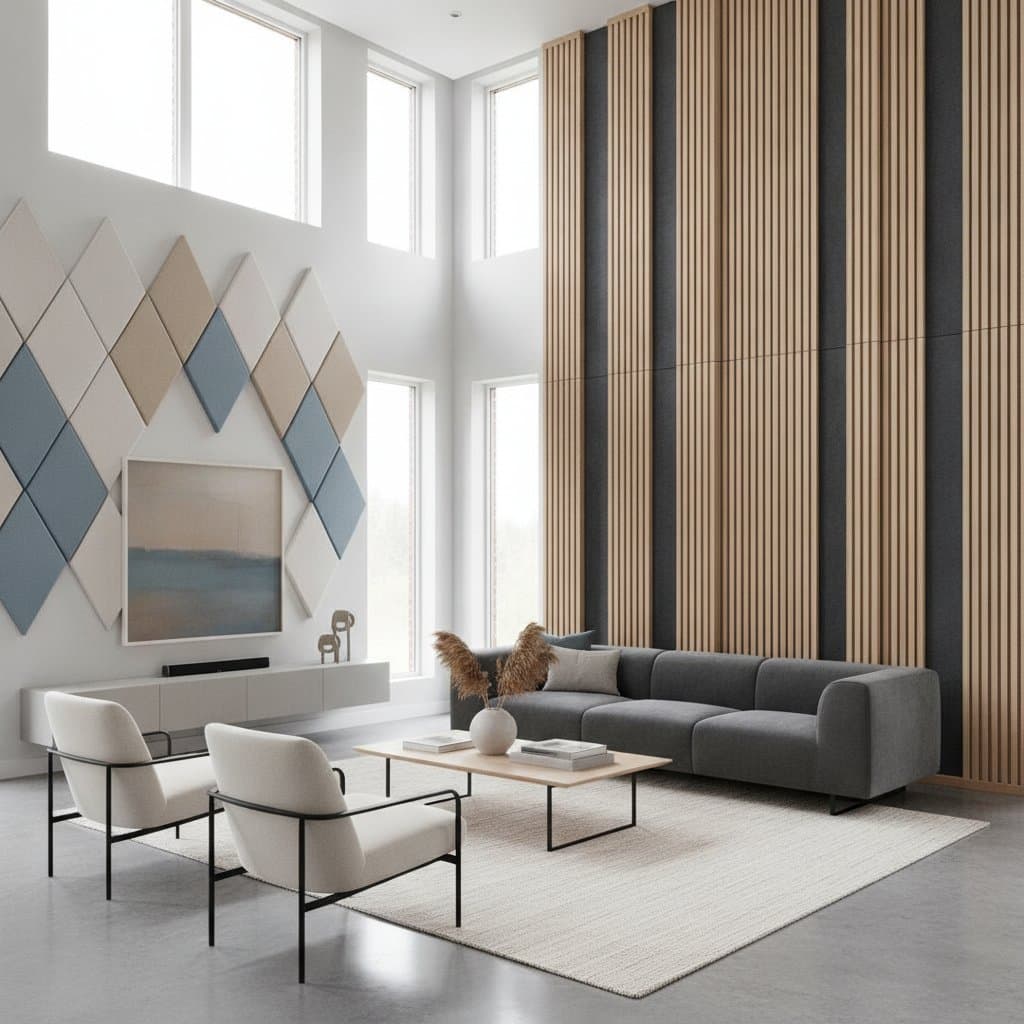
The original living room embodied modern minimalism with pristine lines. Yet, it resonated with hollowness. Polished concrete floors, floor-to-ceiling glass walls, and a smooth ceiling generated pronounced echoes. Family members found routine tasks challenging: movie nights demanded elevated volumes, and discussions felt strained. “It was beautiful but tiring,” one resident recalled. Sheer curtains offered little absorption, while sparse furniture failed to interrupt sound paths.
Acoustic assessments revealed a reverberation time almost twice the optimal range for homes. This metric accounted for the persistent buzz and midday harshness. The redesign aimed to curb echoes while preserving the airy openness.
Design Implementation
The transformation incorporated targeted elements to balance acoustics and aesthetics.
- Curtains: A wool-linen blend weighing 18 ounces per yard (610 grams per square meter), backed by a subtle acoustic liner for enhanced absorption.
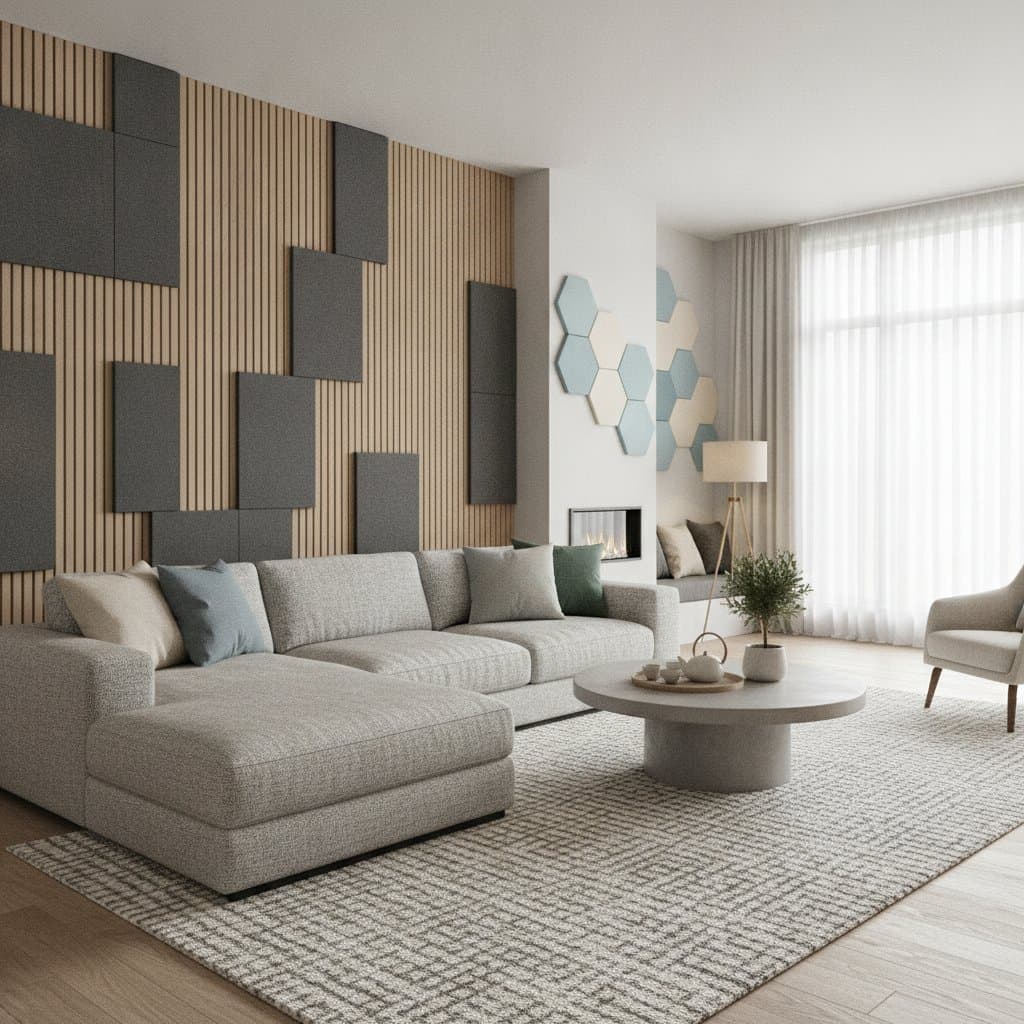
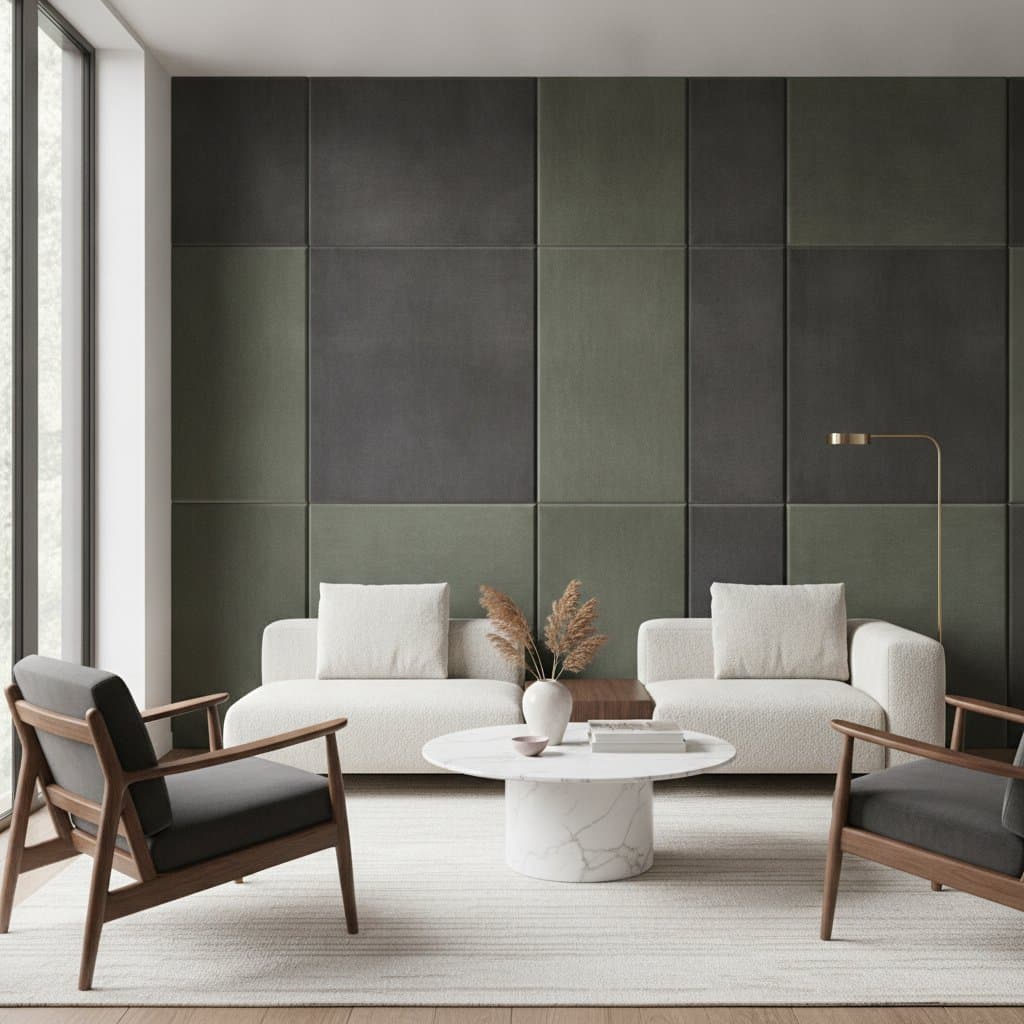
- Wall panels: One-inch-thick (2.5 centimeters) compressed felt affixed to lightweight foam substrates, positioned along echo-prone surfaces.
- Rug: Pure wool construction with a 0.75-inch (1.9 centimeters) pile, covering at least 70 percent of the floor area.
- Furniture: Solid oak frames paired with cotton velvet upholstery, featuring cushioned seats and backs for additional sound diffusion.
- Lighting: Recessed overhead lights complemented by linen-shaded drum pendants, which introduce soft diffusion without glare.
- Color palette: Muted neutrals layered with tactile textures to promote visual tranquility.
Post-installation measurements confirmed a 40 percent drop in reverberation, rendering the space noticeably quieter.
Emerging Trends in Acoustic Design
The pursuit of quieter interiors extends beyond homes. Commercial venues like restaurants, offices, and educational facilities increasingly incorporate acoustic fabrics to enhance user comfort alongside style. This evolution elevates residential standards, prompting homeowners to seek multifunctional soft furnishings.
Textile innovator Hannah Krueger, creator of a recycled felt series, notes, “People want rooms that sound as good as they look. We are developing textiles that absorb sound while remaining suitable for drapery or upholstery.” Her collection features wool-cellulose weaves in earthy hues, designed to harmonize with timber and stone elements.
Steps to Integrate Acoustic Textiles
Achieving acoustic balance requires thoughtful placement rather than overwhelming a space with fabric. Focus on dominant reflective zones: windows, walls, and floors. Proceed methodically to layer absorption without compromising openness.
- Anchor the floor. Select a substantial rug from dense wool or robust cotton blends to ground the room and immediately lessen footfall echoes.
- Enhance window treatments. Install voluminous curtains, extending them beyond frame edges and employing pleats or folds to expand the absorbing surface.
- Incorporate soft seating. Opt for sofas, chairs, and footstools with thick padding and fabric covers that naturally dampen surrounding sounds.
- Apply wall treatments selectively. Install felt panels or hang tapestries in high-echo areas, ensuring they blend with artwork or shelving.
- Layer diverse textures. Pair sleek fabrics with coarser weaves to build depth, improving both acoustics and visual interest.
This approach yields a diffused soundscape, steering clear of the clinical atmosphere associated with excessive hard materials.
Practical Considerations
Adopting acoustic textiles involves weighing benefits against logistics.
- Upkeep: Wool and linen variants may necessitate professional care to preserve integrity. Synthetic options offer simpler spot-cleaning routines.
- Investment: Premium materials command higher prices per yard compared to conventional textiles. Begin with window coverings or flooring for cost-effective impact.
- Illumination balance: Thicker weaves can subtly filter light; layer with translucent sheers to sustain natural brightness.
Silence as a Signature of Sophistication
Luxury design increasingly positions quiet as a hallmark of elegance. Acoustic textiles enable this subtlety, eschewing overt gadgets. Concealed panels behind frames, fabric-clad ceilings, and insulated drapes cultivate an understated peace.
Homeowner Sarah Lin shares, “It is a place where you can hear yourself think.” Her update merged substantial wool panels with a rug of reclaimed felt, yielding a grounded yet tranquil haven.
Key Takeaways
- Sound-absorbing textiles elevate comfort by minimizing echoes and harmonizing sound frequencies.
- Wool, felt, and hybrid fabrics excel on expansive surfaces for optimal results.
- Strategic positioning rivals material choice in effectiveness; prioritize walls, floors, and windows.
- These elements adapt to diverse styles, from sleek modern to classic warmth.
- Factor in care and expense by initiating with a single focal area.
Sustaining the Serene Space
A hushed living room alters daily rhythms. Dialogues flow effortlessly, audio playback gains nuance, and the area assumes a more intimate quality. Acoustic textiles demand minimal intervention post-installation, save for routine vacuuming or brushing. As they mature, these materials gain patina, enriching texture while upholding acoustic efficacy.