Why Grounding Mats Under Rugs Enhance Indoor Wellness
Lara and Devin settled into their coastal bungalow with enthusiasm, drawn to its open layout and natural light. However, the hardwood floors generated persistent static, and the spaces often left them feeling fatigued despite the appealing aesthetics. A recommendation from a friend led them to grounding mats positioned under rugs, a adjustment that transformed their daily experience.
These mats, also known as earthing pads, link the body to the earth's electrical field via a conductive surface. Placed indoors under rugs in high-traffic areas, they help regulate bodily energy, alleviate physical tension, and foster a sense of tranquility. This subtle integration supports overall well-being without altering visible decor.
Key Features at a Glance
- Definition: Conductive sheets or pads that connect to a grounded outlet or external rod, designed for placement under rugs or carpets.
- Ideal Locations: Beneath living room area rugs, adjacent to beds, under desk mats, or in dedicated yoga spaces.
- Primary Benefits: Mitigation of static electricity, enhanced relaxation, and restoration of a natural, balanced indoor environment.
The Challenge of Disconnected Indoor Spaces
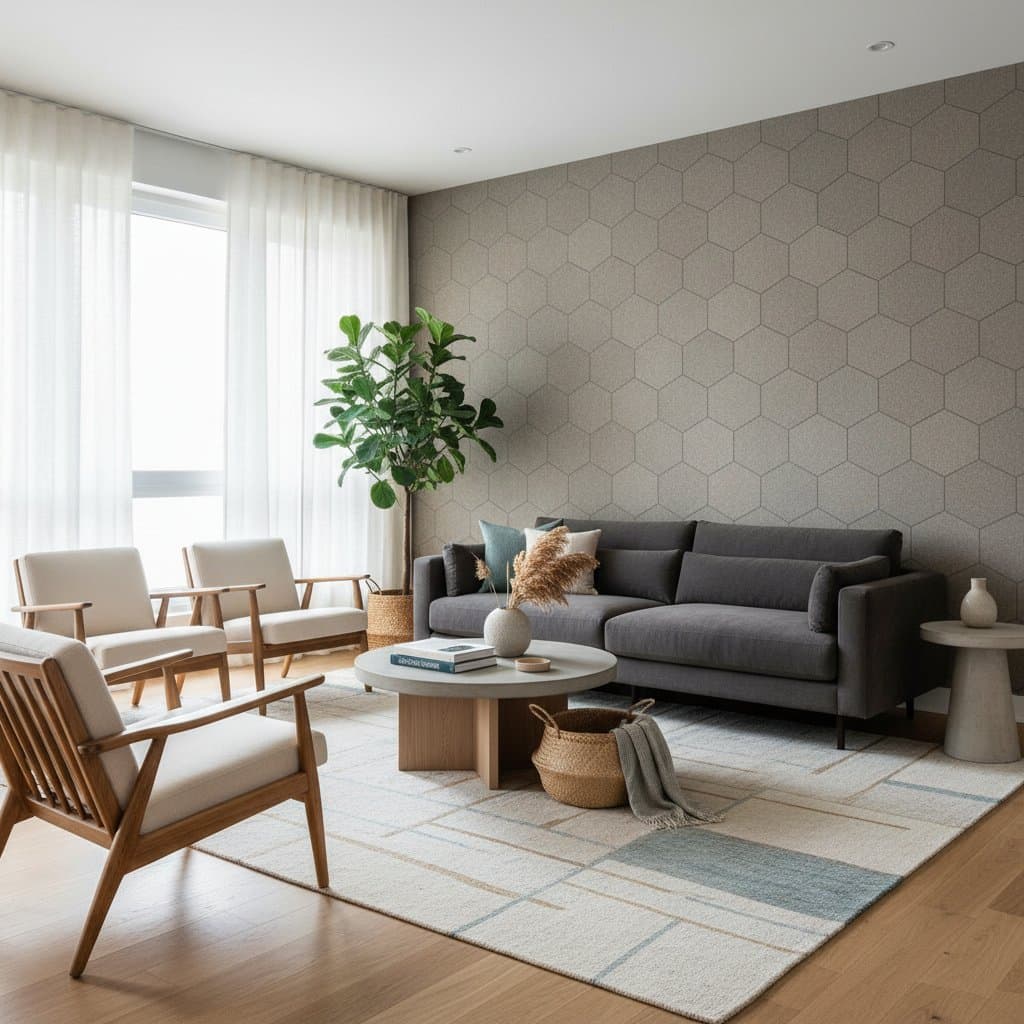
In Lara and Devin's living room, a jute rug covered the floor, complemented by linen sofas and neutral walls that invited light. Despite this calming setup, extended time indoors triggered restlessness and exhaustion. The issue stemmed from sensory disruptions rather than design flaws; cold surfaces and electronic interference severed natural grounding.
Contemporary homes frequently encounter similar hurdles. Materials such as vinyl flooring, composite woods, and synthetic carpets insulate against earth's charge. Combined with pervasive wireless signals, digital devices, and artificial illumination, these elements disrupt physiological equilibrium.
Implementing the Solution for Noticeable Results
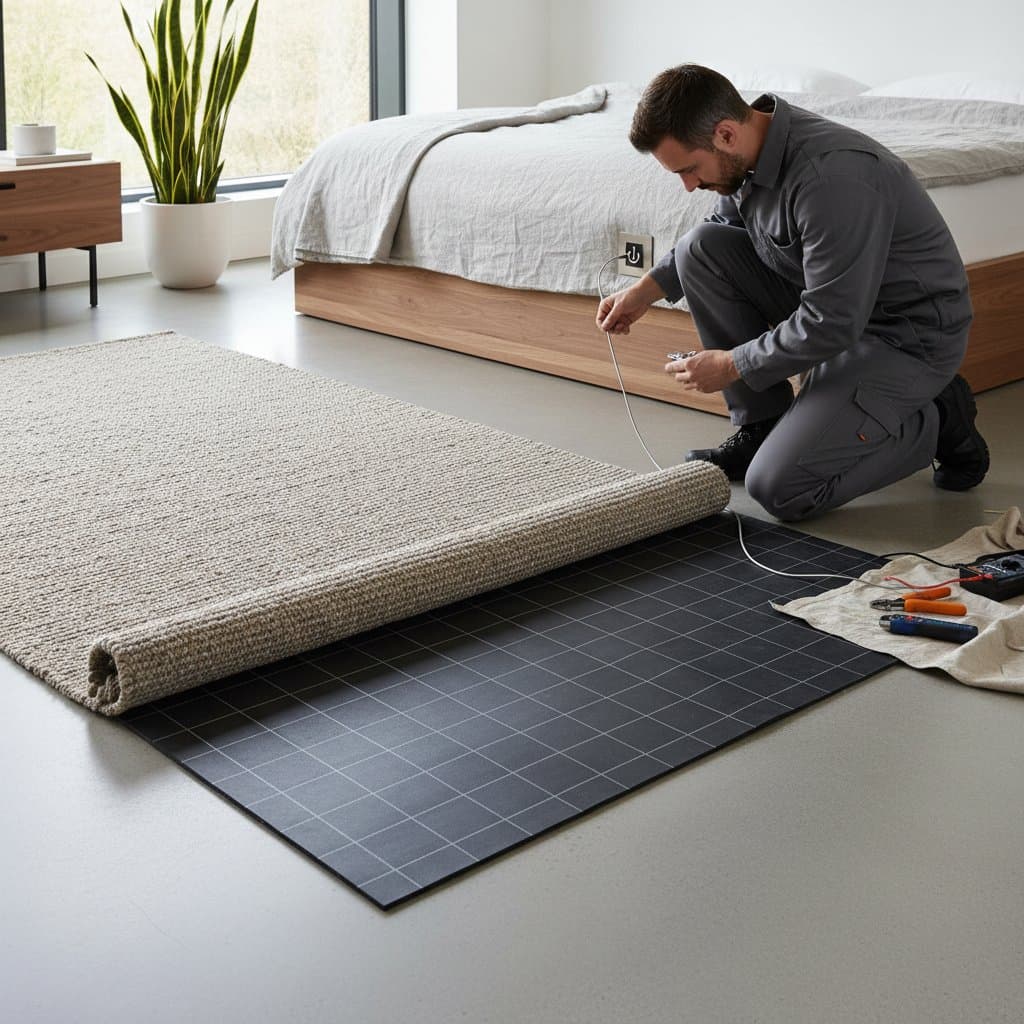
The installation process proved straightforward, requiring under ten minutes. They lifted the rug, aligned the mat on the subfloor, secured the cord to a grounded outlet, and repositioned the rug. Almost immediately, Lara observed a difference in her morning routines; barefoot contact now conveyed warmth and vitality rather than chill.
This modification preserved the room's appearance entirely while reshaping its sensory profile. Their dog gravitated to the area for naps, signaling instinctive comfort. Devin reported deeper focus during evening sessions with books, attributing it to the underlying stability.
Practical Design and Installation Guidance
Grounding mats vary in composition, including carbon-based films for flexibility or silver-infused textiles for durability. Select options that prioritize electrical conductivity alongside tactile softness to ensure seamless rug integration.
Step-by-Step Placement Recommendations:
- Opt for rugs crafted from natural materials such as cotton, jute, or wool to avoid impeding electron flow.
- Position the mat flush against the subfloor, avoiding insulating underlays or thick cushions.
- Verify outlet grounding with a dedicated tester prior to connection to guarantee safety and efficacy.
- Maintain the mat by wiping it with a mild, water-dampened cloth periodically to preserve conductivity.
These elements harmonize with streamlined or health-oriented aesthetics. Consider a wool hallway runner concealing a grounding mat, providing grounding with each step toward the bedroom. In a yoga nook, a layered woven surface over the pad sustains earth's pulse, even in upper-level rooms.
Integrating Grounding into Everyday Routines
Grounding mats excel in their unobtrusive nature, requiring no active engagement. Barefoot movement or seated contact allows passive benefits, such as improved sleep quality, stabilized emotions, and diminished reactions to electromagnetic fields.
For households with children or pets, these mats offer solace to those exhibiting floor-seeking behaviors. Remote workers benefit from desk-adjacent placements, countering screen-induced weariness. A compact version near seating areas elevates evening relaxation into true recovery.
Cultivating Deeper Home Connections
Lara and Devin's experience highlights how wellness emerges from sensory layers beyond visuals. A grounding mat beneath a rug introduces foundational steadiness, enriching habitation.
Begin with a targeted application, such as under a preferred lounging area or bedside rug. Monitor bodily responses over weeks to gauge impact. Ultimately, this approach reorients homes toward nourishment, where each footfall reinforces equilibrium and vitality.