Connect to Earth Indoors with Grounding Floors
Imagine stepping out of bed and placing your feet on a surface that feels alive. The cool texture provides a slight give, creating the sensation of connection to something elemental. Grounding floors deliver this experience, a design approach that combines wellness and sensory engagement. Homeowners seeking a spa-like bathroom or a living room reminiscent of a forest clearing find that these floors bring nature into the home through direct contact underfoot.
The Desire to Reconnect
Many homeowners report a growing sense of disconnection from natural rhythms as indoor time increases. Grounding draws from the principle that contact with natural materials calms the body, steadies the mind, and alters the atmosphere of a space. Floors serve as an ideal starting point since they support every step.
This appeal merges scientific benefits with sensory enjoyment. Certain grounding floors feature conductive materials that simulate barefoot contact with the earth, while others emphasize tactile qualities and natural makeup. Both methods aim to foster deeper breathing, easier rest, and greater comfort within one's surroundings.
What Makes a Floor Grounding
Grounding floors exhibit three essential traits: physical connection to natural elements, energy balance via texture and makeup, and visual cues that promote tranquility. Achieving this does not demand a complete overhaul. Strategic selections in materials and finishes can transform a room's energy.
Common grounding flooring materials include:
- Natural wood: Oak, maple, or bamboo planks offer warmth and organic patterns. Each grain resembles a unique mark from the earth.
- Stone: Slate, limestone, and travertine provide texture and stability. Their natural variations contribute to a living quality.
- Cork: This renewable option feels soft and absorbs sound along with temperature fluctuations, suiting wellness areas.
- Clay or earthen tiles: These materials retain subtle warmth and suit kitchens or sunrooms effectively.
- Polished concrete: With non-toxic sealants, concrete forms a neutral base that integrates well with plants and natural light.
These selections each advance grounding through tactile appeal and ecological alignment.
The Science and Sensation of Earthing Indoors
Grounding, also known as earthing, involves direct contact with the earth's surface, such as walking barefoot on soil or sand to exchange electrical charges. Indoors, direct contact proves challenging, yet designers replicate these advantages via conductive systems or sensory elements.
Conductive mats or underlayers linked to an earthing setup can install beneath wood or tile to mimic outdoor electrical exchange. Alternatively, focus on textures, colors, and temperatures that soothe the nervous system. Select based on wellness priorities, or blend approaches for comprehensive results.
How to Choose the Right Grounding Floor for Your Home
Local climate, daily routines, and room functions guide flooring decisions. Stone or sealed concrete withstands humidity in coastal areas better than wood. Cork or wide-plank oak introduces warmth in arid or cold regions. Consider paths of movement and areas where feet rest longest.
Follow this step-by-step process:
- Assess existing floors. Target rooms for barefoot time or calm enhancement, such as bedrooms and living spaces.
- Clarify wellness objectives. Pursue sensory immersion, sustainable options, or conductive features to narrow choices.
- Establish a budget. Expect variation: cork or bamboo begins at several dollars per square foot, while stone or conductive setups escalate.
- Factor in upkeep. Natural surfaces need gentle care; opt for non-toxic sealants and cleaners to maintain health and durability.
- Engage a skilled installer. Expertise ensures aesthetic appeal, safety, conductivity, and endurance.
For guidance, connect with vetted flooring experts familiar with regional climates, material sources, and codes.
Designing with Grounding in Mind
After selecting materials, build the room to amplify grounding. Incorporate layered textures, diffused lighting, and organic forms that mirror outdoor settings.
Implement these strategies:
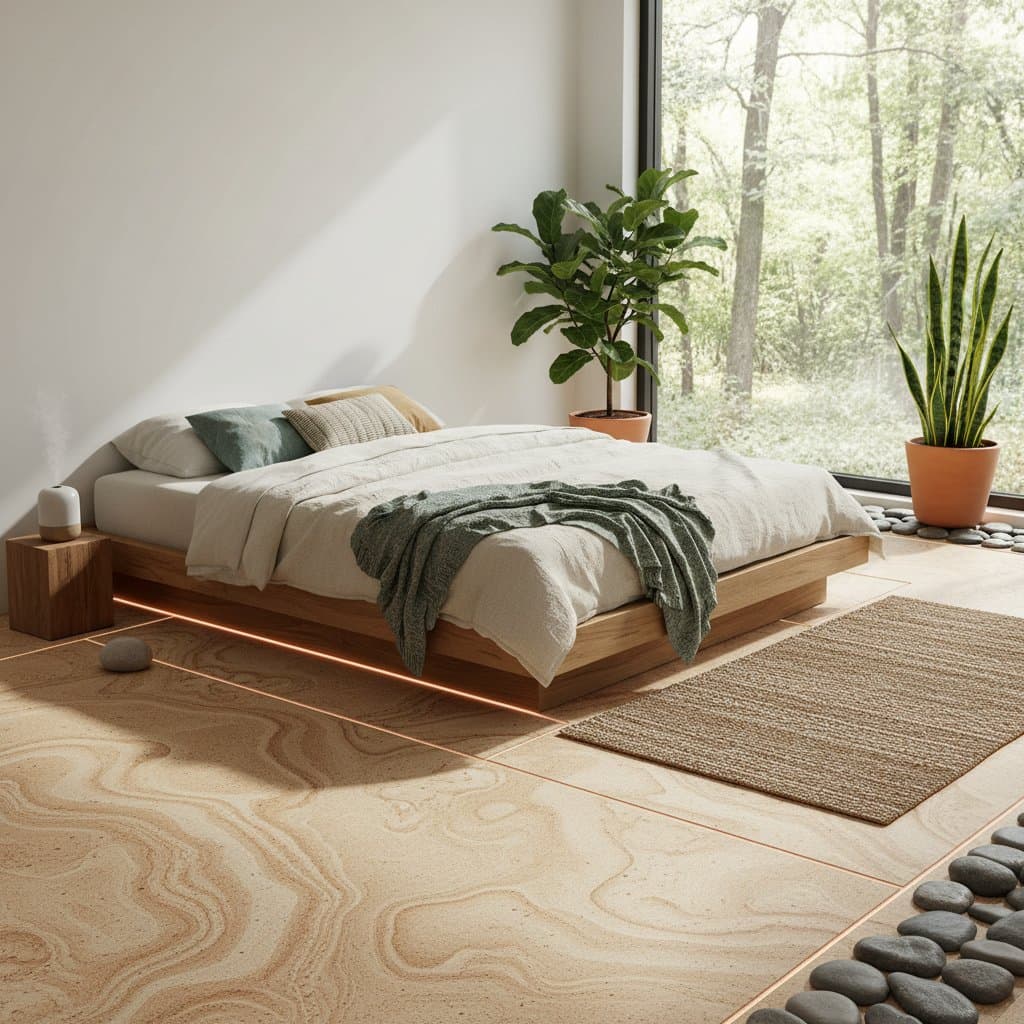
- Combine wood floors with linen or jute rugs for varied tactile input.
- Apply low-sheen finishes to retain the material's inherent appearance.
- Position plants near windows or corners to link floor with greenery.
- Select furniture in natural fibers and subdued colors for grounded presence.
This arrangement fosters a soothing sensory descent. Paired with quality air, ample light, and acoustic control, grounding floors elevate rooms to sanctuaries.
Budgeting and Practical Considerations
Costs for grounding floors span a range, so early planning avoids unexpected expenses. Cork and bamboo prove economical due to renewability and simple installation. Hardwood demands higher investment yet boosts property value. Stone and conductive options command premiums for their resilience and depth.
Estimated costs per square foot, including installation:
- Cork or bamboo: $5 to $10
- Hardwood: $8 to $15
- Stone or concrete: $10 to $20
- Conductive or earthing systems: $15 to $30 or more, based on intricacy
Installation durations range from days for floating systems to weeks for custom stone or electrical integrations. Verify permit needs for grounding components. Licensed contractors confirm code adherence and recommend materials suited to local humidity and temperatures.
Safety and Sustainability
Prioritize safety in floors involving electricity or moisture. Certified professionals install conductive systems to avoid hazards like short circuits. In wet zones such as bathrooms or kitchens, apply waterproof barriers and seals to safeguard structure and surface.
Sustainability aligns with grounding principles. Choose low-emission materials for healthier interiors. Seek certifications for non-toxic adhesives, formaldehyde-free finishes, and ethically sourced products. Such decisions benefit personal well-being and environmental health.
The Emotional Effect of Grounding Design
Connection to the ground beneath offers profound restoration. After installation, homeowners note reduced fatigue, heightened focus, and smoother daily rhythms. The environment conveys tranquility, as if the space itself relaxes.
This impact extends beyond the physical to the emotional realm. Daily surfaces shape the nervous system and sense of place. A wood plank or stone tile holds traces of natural forces; standing upon it imparts stability.
Bringing Grounding Floors into Different Rooms
Each room presents unique chances for connection.
Bedrooms: Cork or warm wood ensures comfort and muffles sound. A wool rug enhances tactile depth.
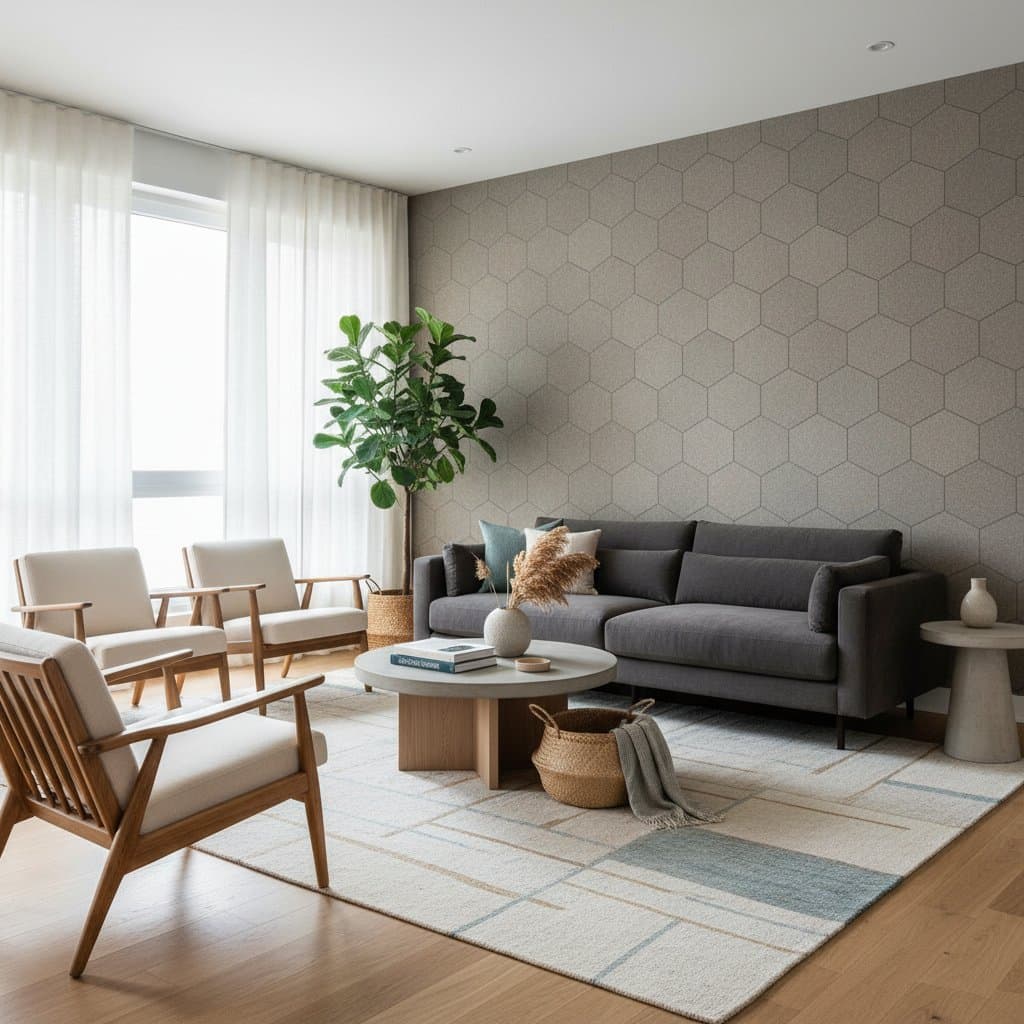
Living rooms: Stone or bamboo pairs with textiles and ambient lighting for refined invitation.
Kitchens: Sealed stone or tile manages spills while preserving organic essence. Underfloor heating suits cooler climates.
Bathrooms: Clay or earthen tiles with stone counters evoke spas. Non-slip treatments ensure security.
Home offices: Wood or cork, combined with plants and daylight, eases stress during extended sessions.
Across spaces, these choices promote balance and poise without compromising style or utility.
Integrating Grounding Floors with Modern Design Styles
Grounding floors complement diverse aesthetics seamlessly.
- Minimalist interiors pair with smooth concrete or pale oak to minimize distraction.
- Rustic homes feature reclaimed wood or rugged stone for authentic warmth.
- Contemporary spaces harmonize with large tiles or matte bamboo.
- Coastal homes incorporate bleached oak or light limestone to reflect seaside tones.
Finishes bridge natural roots and current trends. The true measure lies in the sensation underfoot, whether in sunlight or after a demanding day.
Finding and Working with the Right Professionals
DIY suits minor projects, but grounding setups benefit from specialist knowledge. Proper moisture control, subfloor preparation, and coatings determine outcomes. For conductive elements, professional handling guarantees safety and efficacy.
Link with vetted experts who advise on selections, local procurement, and eco-conscious applications tailored to your area. From cork basics to advanced earthing, their input ensures enduring results.
Living the Grounded Life
Grounding floors transform routine spaces into sources of renewal. By selecting materials that echo the earth's steadiness, homeowners cultivate environments that nurture body and spirit. This intentional design fosters lasting serenity, inviting daily moments of true connection.