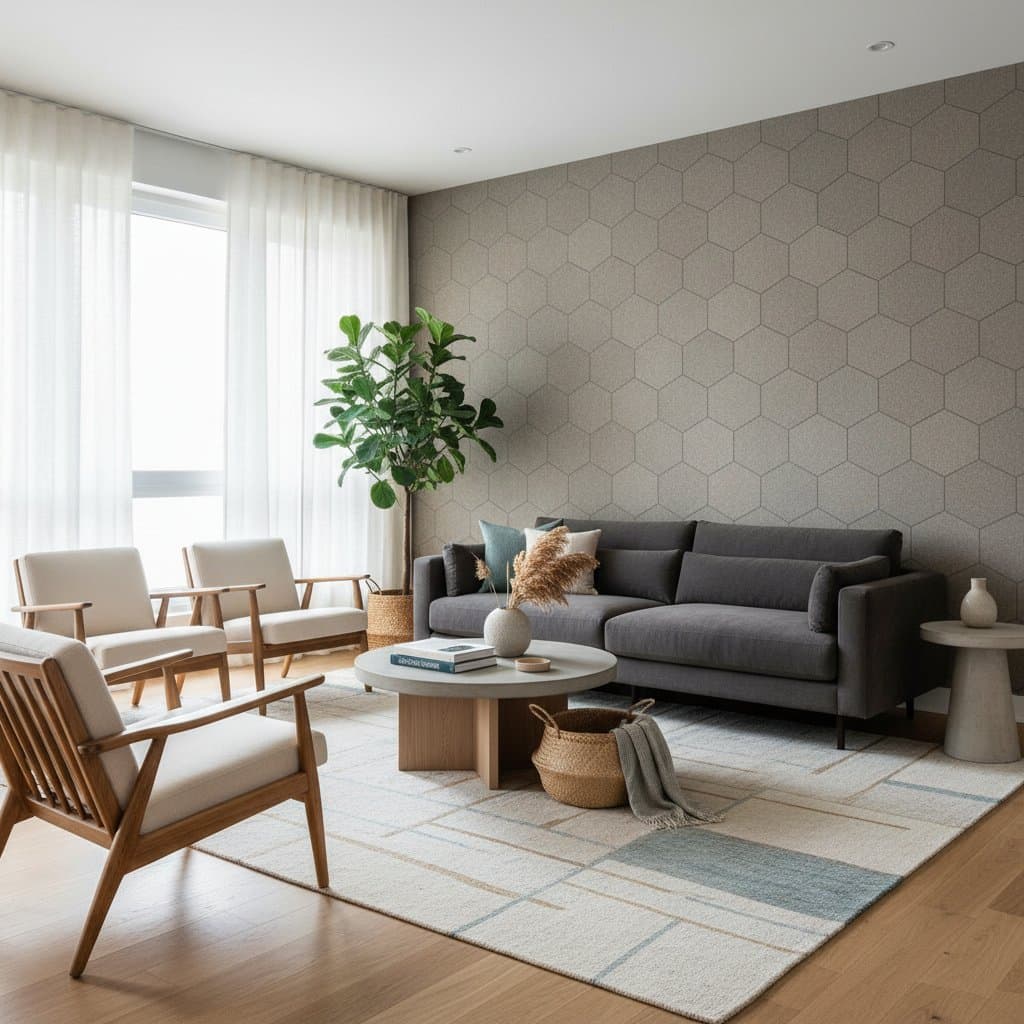
Acoustic Panels: Artful Soundproofing for Modern Homes
A calm home requires more than visual appeal; it demands thoughtful management of sound. Acoustic panels effectively absorb echoes and soften ambient noise while contributing shape, color, and texture to any room. Designers increasingly view soundproofing as an integral design element, transforming functional necessity into an opportunity for creative expression. This approach yields panels that integrate seamlessly with decor, elevating the overall ambiance.
Why Acoustic Design Matters
Contemporary homes often feature open-plan layouts, hard surfaces like concrete floors, and expansive windows that intensify sound reflections. Everyday activities, such as conversations or the clatter of dishes, can create disruptive echoes that hinder comfort. Interior designer Clara Voss observes, “We used to focus on what we could see. Now we design for what we hear too.” Strategic placement of panels in primary reflection areas minimizes reverberation, fostering environments ideal for dialogue, music enjoyment, and relaxation.
Acoustic panels vary widely in construction to suit diverse needs. Rigid boards wrapped in wool felt provide robust absorption, while sculpted foam options offer flexibility for irregular spaces. Wood slat designs incorporate concealed absorptive backings, blending natural aesthetics with performance. Regardless of form, these panels control sound propagation, enhancing the sensory experience of a space.
The Look and Feel
Contemporary acoustic panels dissolve the boundary between practicality and artistry. Collections often showcase geometric patterns, warm wood veneers, or intricate woven textiles that mimic fine art. Designers position them as expansive wall accents or custom headboards, creating visual narratives that complement surrounding furnishings. When grouped in asymmetrical clusters, panels introduce dynamic rhythm and spatial depth, captivating viewers while simultaneously refining acoustics.
Color selection influences both mood and integration. Neutral tones in soft grays or beiges harmonize with minimalist schemes, ensuring subtlety. Bold hues like deep indigo or earthy terracotta establish dramatic focal points, energizing neutral palettes. Advanced manufacturers support custom printing, enabling patterns inspired by existing elements such as area rugs, artwork, or textile motifs, for a cohesive aesthetic.
Placement and Layout
Effective placement targets initial sound reflection points to maximize impact. In living areas, position panels on walls opposite seating or adjacent to media setups to clarify audio without muting vitality. Dining spaces benefit from overhead installations above tables, preserving conversational intimacy while diffusing chatter. For bedrooms, panels behind headboards or suspended from ceilings generate an enveloping quietude, promoting restorative sleep.
Achieve optimal acoustics by layering panels with complementary soft furnishings. Thick area rugs capture low-frequency vibrations, heavy curtains diffuse mid-range tones, and cushioned seating absorbs highs. This multifaceted strategy addresses a broad spectrum of frequencies, avoiding over-dampening. The objective remains a nuanced acoustic profile: reduced noise without sterility, supporting fluid daily interactions.
Materials and Measurements
Most wall-mounted panels measure two inches in thickness, equivalent to five centimeters, balancing efficacy with profile. Thinner variants, at one inch, suit constrained areas like hallways without compromising performance. Wool felt emerges as a preferred material for its natural thermal qualities and eco-friendly profile, derived from renewable sources. Recycled polyethylene terephthalate (PET) boards appeal in high-traffic zones, offering resilience against wear while repurposing plastic waste.
Wood-slat systems feature acoustic felts or foams behind veneers, providing visual intrigue through light filtration and shadow play. These setups enhance contrast, with dark backings amplifying absorption. Ceiling baffles, suspended in linear arrays, prove essential for open kitchens or home offices, directing sound flow downward. Opt for lighter finishes on overhead elements to maintain illumination, ensuring panels contribute to rather than obscure brightness.
Design Details
- Material mix: Combine wood veneers over felt cores to achieve both aesthetic warmth and superior sound absorption.
- Shapes: Select hexagons for organic flow, narrow planks for linear elegance, or rounded rectangles to soften angular rooms.
- Installation: Employ peel-and-stick adhesives for quick application in compact areas; use screw mounts or tracks for secure, large-scale setups.
- Maintenance: Preserve texture through gentle vacuuming with a soft brush attachment or dry cloth wiping to remove dust.
- Eco options: Choose panels crafted from reclaimed textiles, cork composites, or low-VOC finishes to support sustainable practices.
Experiencing Enhanced Acoustics
Integrating acoustic panels reshapes daily home life through subtle yet profound shifts. Dialogues gain precision as echoes diminish, ambient distractions recede, and audio playback reveals greater nuance and depth. Homeowner Theo Martin shares his perspective on a renovated study fitted with felt panels: “It finally sounds like the room matches how it looks.” Such improvements cultivate spaces that nurture concentration, unwind tension, and strengthen interpersonal bonds.
To embark on this transformation, identify the most echo-prone room and introduce two to three panels experimentally. Assess the auditory changes after a week, then refine arrangements or expand coverage. Select materials aligned with your style—warm woods for rustic charm or sleek felts for modern minimalism. Through deliberate choices in design and position, acoustic panels extend beyond sound control; they infuse interiors with lasting equilibrium, beauty, and ease.