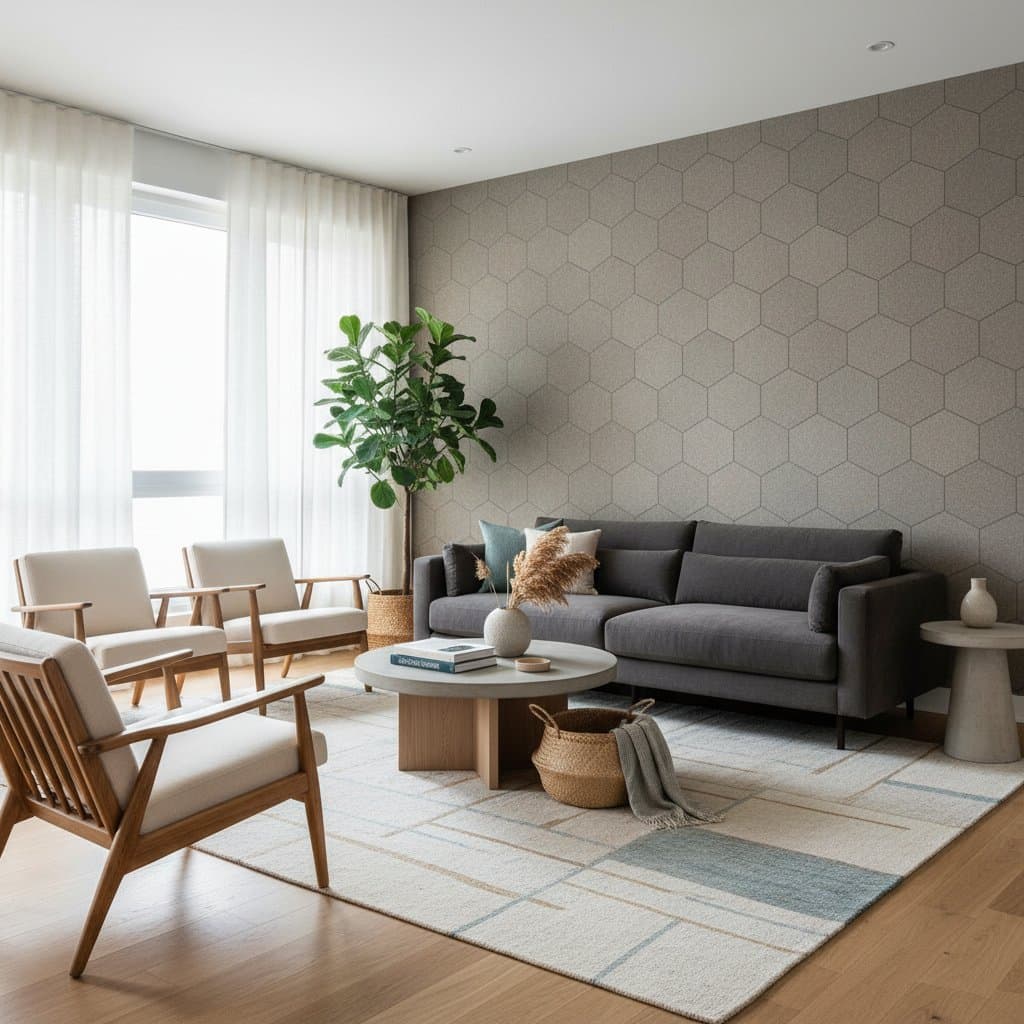
Soundproof Decor: Integrating Luxury Acoustics into Home Design
Picture yourself relaxing in a plush armchair with a steaming cup of tea, only for the distant hum of traffic or a neighbor's television to shatter the peace. These everyday disturbances erode the essence of home comfort. Silence forms a cornerstone of true luxury, shaping how restorative and balanced a space becomes, yet it often receives less attention than fabrics, palettes, or layouts.
Soundproof decor unites practical sound control with elegant aesthetics. The aim surpasses mere studio setups. It focuses on materials that absorb echoes, block transmissions, and diffuse vibrations while preserving beauty. The sections ahead detail methods to cultivate quieter interiors that align with refined tastes.
Principles of Acoustic Comfort in Interiors
Grasping how sound behaves indoors sets the foundation for effective improvements. Sound travels via airborne waves and structural vibrations. Rigid surfaces like hardwood floors, windows, and plain walls bounce these waves, creating unwanted echoes. Softer, textured options trap the energy, cutting down on reverberation.
Successful noise reduction builds on combined techniques to curb reflections and leaks. Key approaches include:
- Absorption: Integrate textiles, cushioned panels, and plant-based materials to soak up sound waves.
- Blocking: Deploy heavy partitions to stop noise from crossing boundaries.
- Isolation: Separate layers to prevent vibrations from spreading.
- Diffusion: Add varied patterns and forms to disperse sound uniformly.
Homeowners need no specialized training to use these ideas. Incorporate them via smart choices in rugs, drapes, or wall coverings during routine updates.
The Psychological Benefits of Reduced Noise
Lowering ambient sound benefits far beyond hearing. In a hushed setting, people notice gentle sounds, such as birdsong or a clock's tick, fostering mindfulness.
Persistent noise raises stress hormones and hinders productivity. Strategic acoustic tweaks support mental clarity and poise. Bedrooms become ideal for rejuvenation. Common rooms encourage focused interactions without distractions. Workspaces or baths benefit from simple additions that sharpen attention and ease tension.
Incorporating Acoustics During Renovations
Renovations provide prime chances to weave in soundproofing for optimal results. This guide outlines steps for builders and owners to follow throughout the project.
Initial Planning and Demolition
Demolition and framing phases allow foundational acoustic work. Choose insulation like rock wool or dense fiberglass with sound transmission class ratings over 50. Fit damping compounds on drywall or flexible clips to break vibration paths in walls and ceilings. These elements fit naturally in early construction, sidestepping expensive fixes down the line.
Addressing Hidden Noise Pathways
During wall assembly, pinpoint subtle entry points for sound. HVAC vents linking areas, pipes spanning rooms, or bare wiring chases often let noise through. Close them with non-hardening sealants or tuck in flexible barriers like loaded vinyl before closing up. These measures deliver thorough protection against echoes and bleed that might compromise quiet goals.
Applying Finishes and Fixtures
Final touches enhance looks and lock in sound control. Pick solid wood doors with gaskets for ratings above 30, outperforming thin versions. Layer dense rugs over sound-absorbing underlays to muffle footfalls. Add automatic closers or brush seals to doors for airtight fits that maintain style.
Post-Completion Evaluation
After finishing, gauge performance in real scenarios. Listen for clear speech from adjacent rooms or muted street sounds. Adjust by placing upholstered screens in echo-prone spots if needed. This review highlights how embedded acoustics elevate living harmony, pairing calm with opulence.
Practical Steps for Soundproofing Existing Spaces
Updating acoustics in current homes requires minimal disruption or cost. Start with one trouble spot, like a media room or child's bedroom. Identify issues, from room reverb to outside clamor, to direct efforts.
Proceed in this order:
- Add plush items, such as area rugs in natural wool or full-length drapes in heavy linen, to soften hard surfaces.
- Fit adhesive strips or bottom sweeps on doors and windows to cut leaks by 10 decibels or more.
- Hang wall-mounted absorbers styled as framed prints or modular shelves to target voice-range frequencies.
- Swap flimsy doors for solid ones, or apply perimeter seals, to boost separation between areas.
- In small projects, inject expanding foam into accessible voids in ceilings or partitions for added damping.
These increments build cumulative quiet. Persistent application creates a markedly calmer home over months.
Preserving Acoustic Balance for Lasting Serenity
Uphold soundproof features through routine care to sustain their impact. Dust fabrics weekly to retain trapping efficiency. Check perimeter seals yearly, refreshing with fresh compounds where cracked.
Choose replacements with verified performance, like items tested for noise reduction coefficients above 0.5. The rewards show in better sleep, heightened alertness, and richer interactions. Soundproof decor elevates luxury by ensuring peace underpins every aesthetic decision, nurturing spaces that soothe body and spirit.