The Quiet Revolution: Acoustic Decor Goes Mainstream
Homeowners often complete a living room redesign with ideal colors and lighting, yet conversations echo uncomfortably. The space resembles a tunnel for sound rather than a welcoming area. Many face similar challenges in home offices that mimic the bustle of a café instead of providing focus.
Modern interiors favor open layouts, sleek surfaces, and reduced clutter. These choices enhance visual appeal but often amplify noise through reflections off hard materials like tile, glass, and concrete. Acoustic decor addresses this issue by integrating sound control into everyday design, balancing aesthetics with functionality.
The Hidden Noise Problem
Open-plan homes and minimalist finishes create unintended echo chambers. Everyday sounds, from footsteps to voices, bounce and intensify, disrupting concentration and relaxation. This acoustic imbalance affects well-being, making spaces feel less inviting.
Acoustic treatments, previously limited to professional settings like studios and theaters, now suit residential use. These elements absorb sound while serving as decorative features. The result elevates the sensory experience of a room, fostering harmony between sight and sound.
Design That Listens
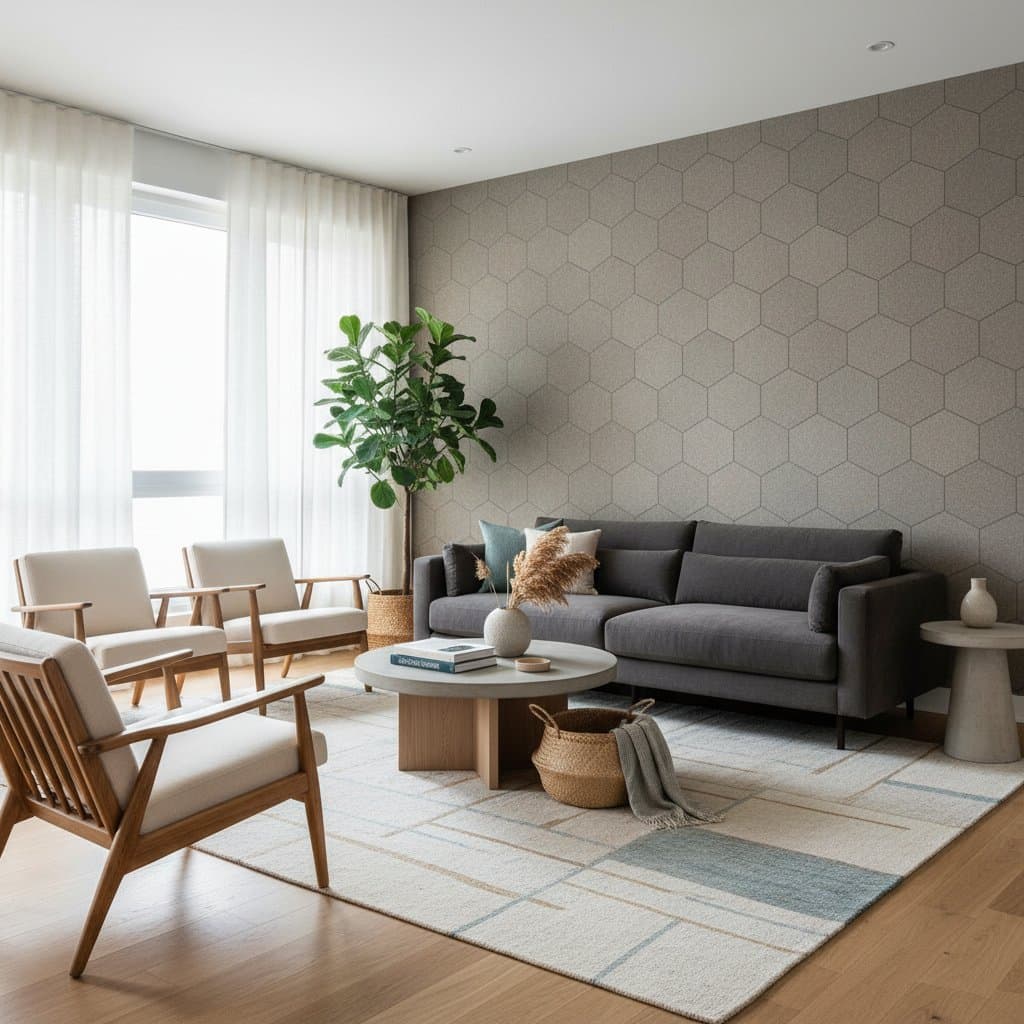
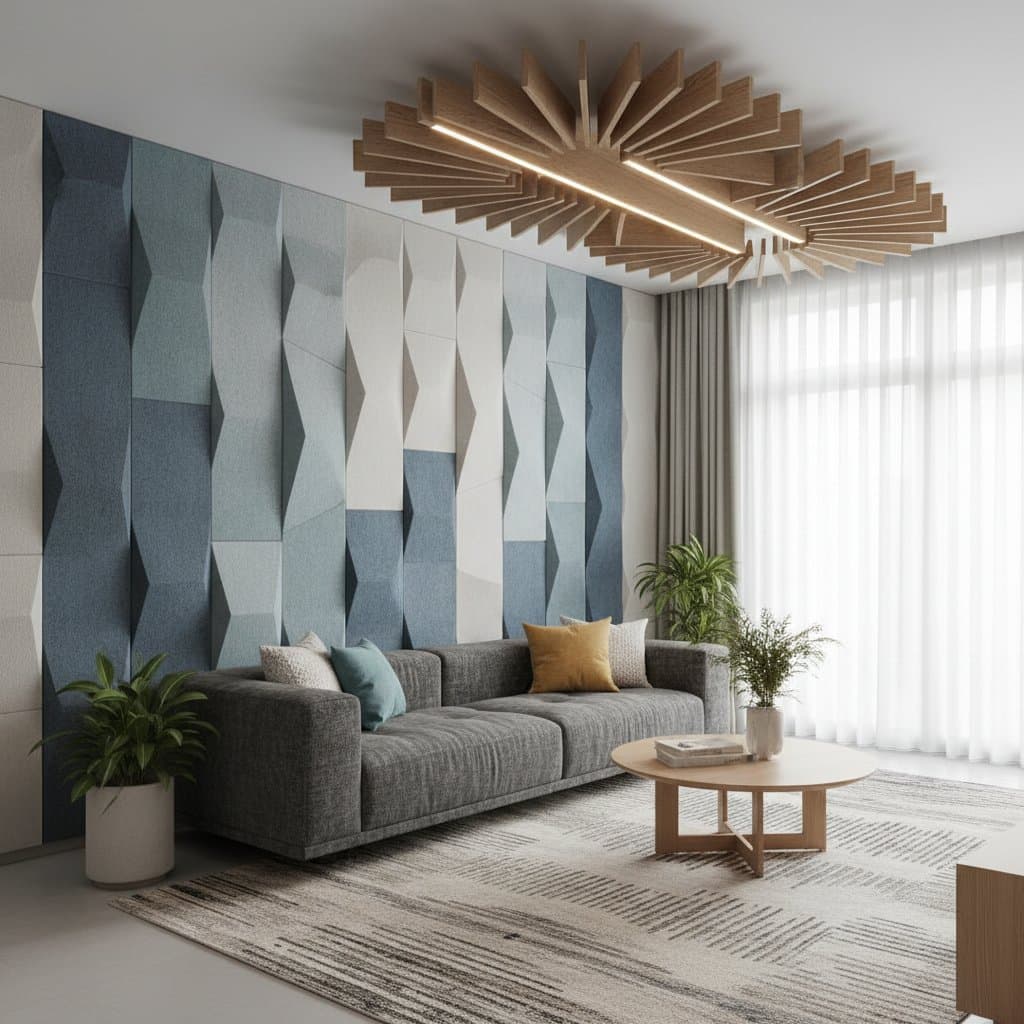
Contemporary acoustic decor combines performance with visual elegance. Options include felt panels mimicking natural landscapes or wooden slats that add depth and texture. Such pieces suit serene bedrooms, productive offices, or vibrant dining areas, ensuring style complements silence.
Begin by pinpointing sound issues, such as echoes from high ceilings or bare walls. Select materials that dampen reflections without overwhelming the design. This approach not only reduces noise but also refines the overall ambiance for daily comfort.
Types of Acoustic Decor to Consider
Select treatments based on room function and layout. Each type provides distinct advantages in sound management and integration.
-
Wall Panels
Fabric, felt, cork, or recycled wool constructions offer versatility. Geometric patterns or custom prints ensure compatibility with modern, traditional, or eclectic styles. Install them on primary reflection surfaces for optimal effect. -
Ceiling Baffles and Clouds
Suspended elements capture overhead noise in expansive areas. They prove effective in kitchens, dining rooms, and creative studios where sounds ascend. Lightweight designs allow easy suspension from standard ceiling fixtures. -
Acoustic Art Prints
These blend artwork with absorption layers beneath canvas-like surfaces. Subtle integration suits galleries, hallways, or offices seeking discreet solutions. Choose prints that align with personal taste to maintain visual cohesion. -
Soft Furnishings and Rugs
Thick rugs, cushioned seating, and dense curtains provide accessible absorption. Layer wool rugs over hard floors or add velvet drapes to windows for immediate impact. These items enhance warmth alongside acoustic benefits. -
Decorative Screens and Dividers
Portable partitions zone open spaces while diffusing sound between areas. Fabric-wrapped or perforated wood versions work well in apartments or multifunctional rooms. Adjust their position to target specific noise paths.
Steps to Transform Your Space
Approach acoustic upgrades methodically to achieve noticeable results without complexity.
-
Assess the Noise Source
Traverse the room and note echoes, external intrusions, or inter-room carryover. Record peak disturbance times to inform targeted interventions. This evaluation directs material and placement decisions. -
Balance Aesthetics and Function
Match panel colors and textures to current furnishings, opting for finishes like faux wood or linen. Custom options from manufacturers ensure seamless incorporation. Prioritize non-intrusive designs for subtle enhancement. -
Plan Placement Strategically
Position treatments opposite noise origins or on expansive reflective planes. Start with two to four panels in a 200-square-foot room for testing. Measure decibel reductions with free smartphone apps to verify improvements. -
Combine Solutions
Integrate rugs with wall art and soft seating for comprehensive coverage. For example, add baffles above a dining table paired with floor coverings. This layering distributes absorption evenly across frequencies. -
Consult a Professional
Engage acousticians for intricate setups or commercial applications. They conduct measurements using specialized tools and suggest tailored combinations. Professional input maximizes efficiency and longevity.
Practical Considerations for Homeowners
Acoustic projects demand attention to budget, installation, and regulations for successful execution.
Costs range from basic felt panels at approximately 20 dollars per square foot to custom ceiling systems exceeding 100 dollars per square foot. Mid-range choices like acoustic art or slatted dividers offer value through dual-purpose design. Factor in long-term savings from improved comfort and reduced stress.
Verify fire ratings and low-VOC certifications for all materials to ensure safety. Adhesive-backed panels attach simply, while heavier items need secure brackets. Professional installation prevents damage and complies with building codes, particularly near electrical elements.
Interior modifications seldom require permits, though condominiums or rentals may restrict alterations. Review lease terms or association rules before drilling. Local authorities provide guidance on compliant practices.
Small-scale updates complete in hours, such as applying wall panels. Larger efforts, including ceiling arrays, span days with coordinated labor. Schedule during low-traffic periods to minimize disruption.
The Broader Benefits of Sound Control
Effective treatments yield swift enhancements in clarity and tranquility. Voices carry without strain, audio playback gains depth, and ambient hums fade. In multifunctional homes, they delineate areas acoustically rather than structurally.
Families benefit from dedicated quiet zones for learning and remote work. Hospitality venues foster intimate guest interactions through moderated acoustics. Urban dwellers mitigate street noise with strategic barriers, reclaiming indoor peace.
Research associates excessive noise with elevated cortisol levels and diminished sleep quality. Optimized soundscapes counteract these effects, boosting mental clarity and emotional balance. Thus, acoustic decor serves as an investment in holistic health.
Finding the Right Help
Uncertain starters benefit from contractor-matching platforms that link users to qualified experts in design and acoustics. Submit project details to receive bids from verified locals, review past work, and select based on style alignment and pricing. This streamlined method guarantees outcomes that harmonize form, function, and budget.
Cultivating Lasting Serenity
Acoustic decor redefines interior expectations by prioritizing auditory harmony alongside visual appeal. It elevates ordinary rooms into refined sanctuaries where every element contributes to well-being. Embrace these solutions to craft environments that nurture focus, rest, and meaningful connections over time.