Sound-Absorbing Decor: Luxe Silence for Your Home
You complete the decoration of your ideal living room, yet discover that echoes turn every discussion into a resonant chamber. Perhaps vibrations from upstairs neighbors disrupt your evenings with their rhythmic movements. Sound moves freely through walls, floors, and expansive layouts, yet targeted sound-absorbing decor can convert such spaces into tranquil havens.
The Challenge of Everyday Noise
Noise infiltrates every aspect of contemporary life. Traffic sounds seep through windows, appliances produce constant low hums, and voices rebound from rigid surfaces. Even aesthetically pleasing environments can seem disordered when acoustics remain unmanaged. The issue extends beyond mere loudness; sound waves reflect and prolong, with materials such as glass, tile, and wood offering minimal absorption, thus sustaining echoes and eroding privacy.
The Opportunity for Quiet Luxury
An optimized acoustic setting provides a premium layer of refinement, an understated comfort that elevates a home's overall polish. Integrating sound-absorbing decor yields both peace and elegance. These elements dampen noise while introducing rich textures, vibrant hues, and inviting warmth. The process involves more than mere suppression; it entails molding the sensory experience of your residence.
Stylish Solutions that Silence the Chaos
Sound-absorbing decor adapts to varied expressions, from understated to bold. Modern iterations integrate seamlessly across styles, whether in sleek urban lofts or classic rural homes. Examine these versatile and proven selections:
-
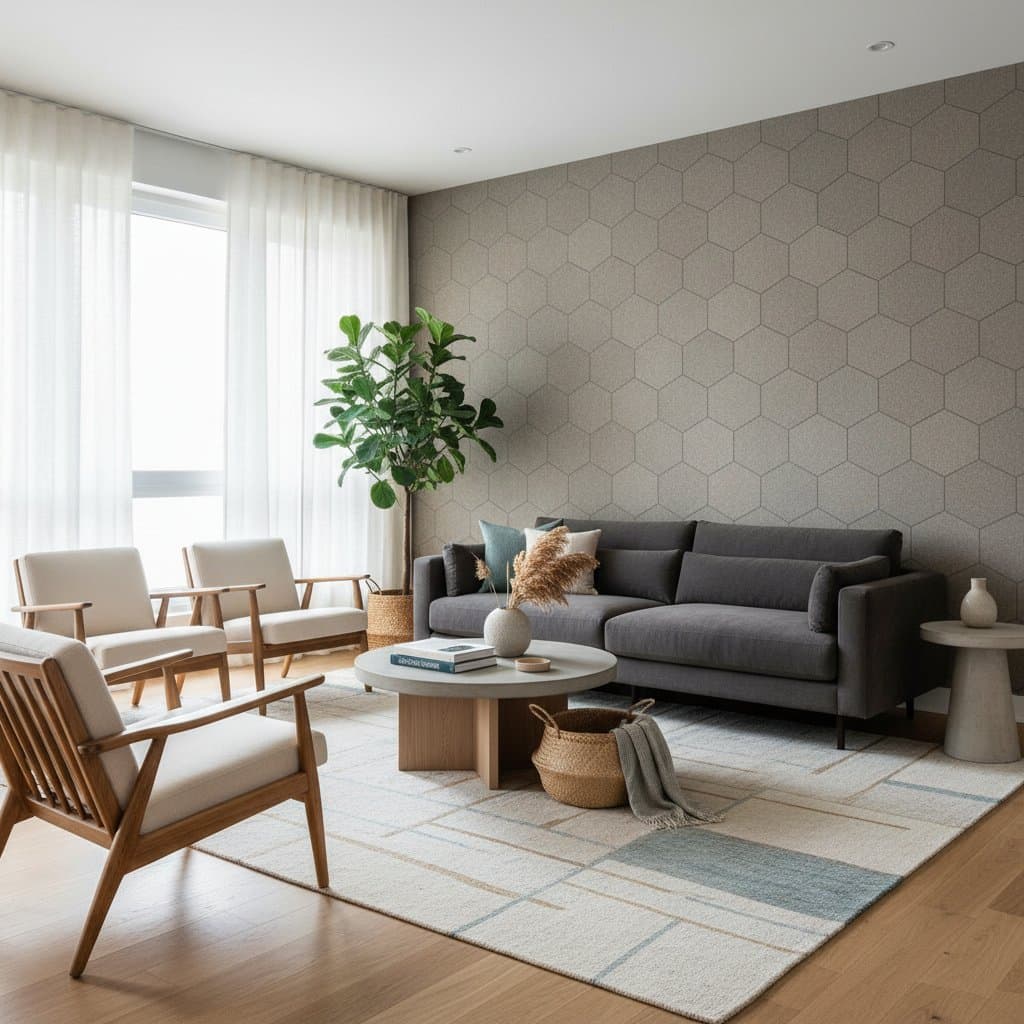
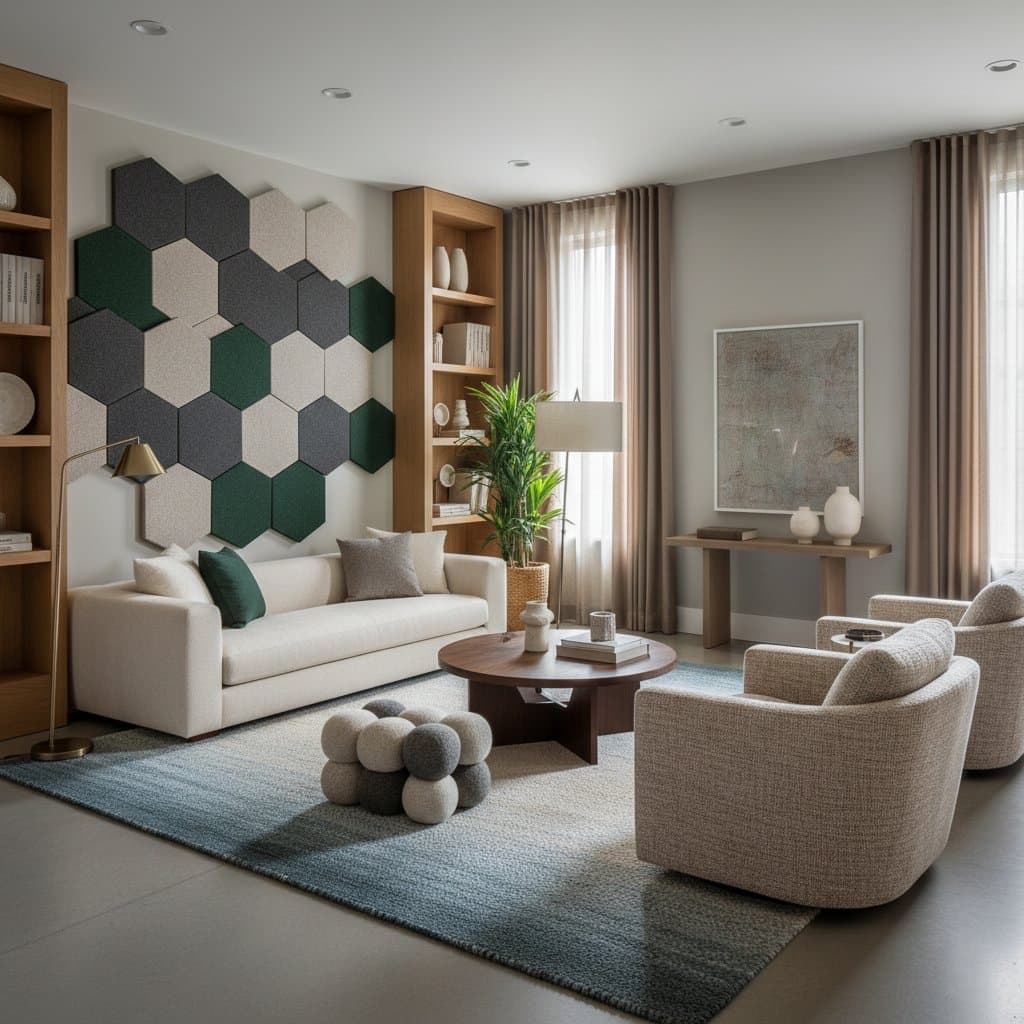
Acoustic Panels: Encase panels in fabric or shape them as artistic wall tiles to curb echoes and introduce dimensional interest. Select shades that harmonize with existing schemes, or arrange bespoke configurations that serve dual purposes as decor and acoustics.
-
Rugs and Carpets: Dense, sumptuous rugs muffle footsteps and soften reverberations in spacious areas. Employ layered arrangements to amplify both tactile pleasure and sound control.
-
Curtains and Drapes: Substantial, insulated curtains excel at blocking external disturbances, particularly when spanning from ceiling to floor. Materials like velvet or wool provide opulent density alongside superior absorption.
-
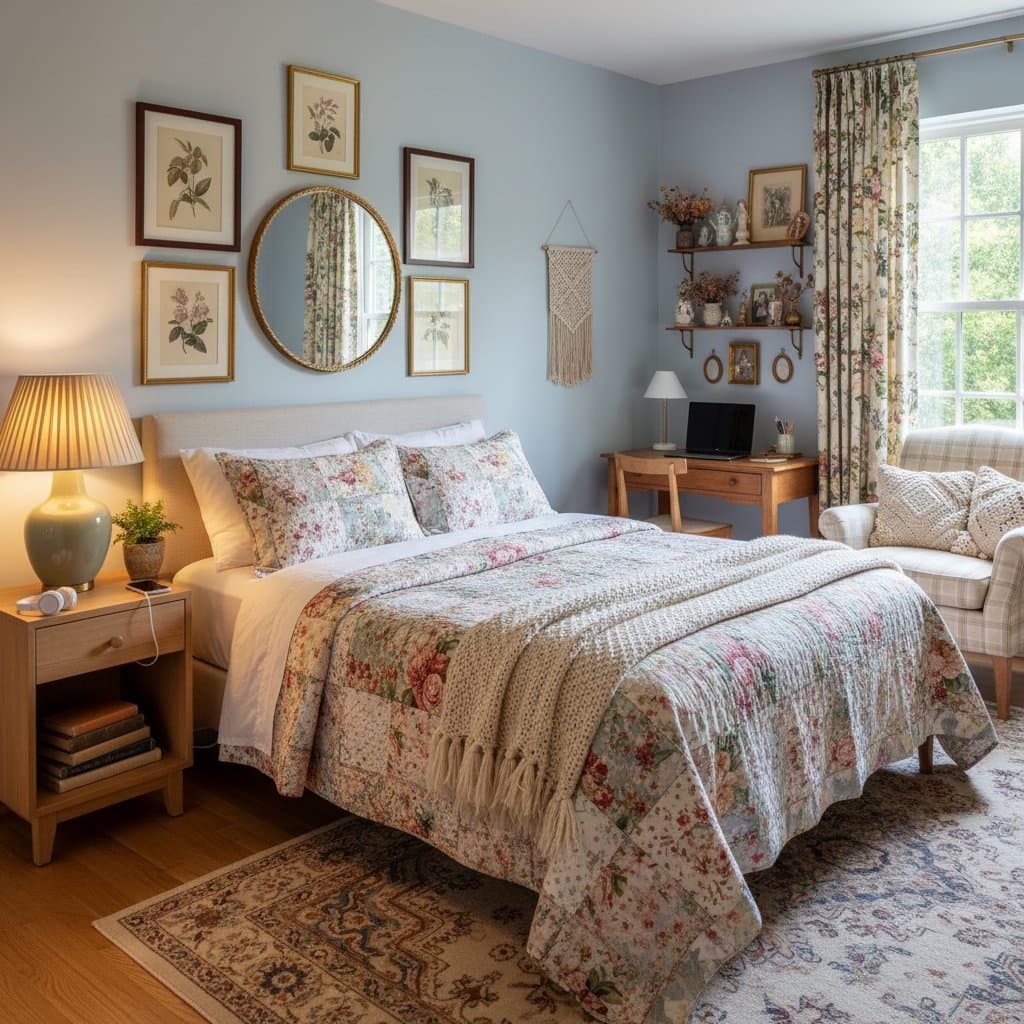
Upholstered Furniture: Sofas, chairs, and fabric-covered headboards capture sound waves, fostering intimacy in open-plan designs.
-
Bookshelves and Wall Hangings: Laden bookcases function as inherent diffusers, whereas intricate weaves or tapestries impart a nurturing texture that mitigates reflections.
Consider additional elements like cork-backed artwork or padded room dividers for targeted enhancement in high-traffic zones. Each choice not only quiets but also personalizes, ensuring your space reflects individual style without compromise.
Step-by-Step: Building a Quieter Space
-
Evaluate the Sound Sources. Pinpoint entry points and amplification areas for noise. Determine if origins include outdoor vehicles, overhead activity, or internal resonances within expansive rooms.
-
Start with Soft Surfaces. Incorporate fabrics such as broad rugs, full-length drapes, and ample cushions. Such modifications frequently yield swift acoustic gains with minimal disruption.
-
Layer in Acoustic Treatments. Install ornamental panels or specialized dampening tiles in vulnerable spots, including dining areas or dedicated workspaces.
-
Balance Function and Design. Select additions that elevate visual appeal alongside auditory benefits. Prioritize selections aligned with personal preferences to avoid a clinical appearance.
-
Test and Adjust. After placement, assess the auditory changes attentively. Minor relocations of furnishings or accents often refine the outcome significantly.
For optimal results, measure room dimensions and decibel levels before and after implementations. Tools like smartphone apps can quantify improvements, guiding further refinements.
Practical Considerations
Prior to commitment, assess financial limits and desired reduction levels. Strategic placements of rugs and curtains often achieve substantial effects for investments below several hundred dollars. Custom panels or insulated window treatments, however, may escalate to thousands.
Review building codes in multi-unit residences, as certain installations demand certified techniques or specialist oversight. Engage a contractor versed in acoustics to prevent errors and ensure longevity. Professionals can tailor suggestions to environmental factors, such as selecting mold-resistant options for humid regions or robust variants for coastal exposures.
Explore sustainable materials like recycled fabrics in panels or natural wool rugs to align with eco-conscious values. Maintenance remains straightforward; regular vacuuming preserves efficacy without specialized care.
Embracing the Serenity You Design
Envision entering a space enveloped in composure, where dialogues remain confidential and melodies resonate with clarity. This outcome stems from deliberate sound-absorbing decor. From restful bedrooms to productive offices or harmonious communal areas, initiate the journey toward quiet luxury through intentional, incremental enhancements.
Begin with one element today, and witness how subtle shifts cultivate enduring calm and refinement in your home.