Acoustic Panels: Luxe Soundproofing Meets Bold Decor
Envision relaxing in your preferred armchair with a steaming cup of tea, disrupted by a neighbor's music seeping through the walls or echoes from your own voice reverberating in the living room. Sound profoundly influences comfort in ways often overlooked. Achieving the proper equilibrium of quiet and resonance elevates a home to the status of a true sanctuary. Fortunately, effective sound control now transcends outdated industrial foam or monotonous gray tiles. Acoustic panels have advanced into sophisticated design features that fuse luxury with functionality, elevating noise management to an artistic pursuit.
The Opportunity Hidden in Everyday Noise
Urban residences, multi-story homes, and open-plan layouts present distinct acoustic hurdles. Hardwood floors intensify footfall, kitchens resonate with appliance hums, and home offices amplify echoes from adjacent areas. The core issue extends beyond mere noise to the propagation and reflection of sound energy. Hard, continuous surfaces cause sound waves to rebound instead of fade, rendering even attractive rooms fatiguing over time.
Acoustic panels provide a dual-purpose remedy that addresses both technical and visual demands. These panels capture mid- to high-frequency sounds, minimizing reverberation and fostering a more even auditory setting. Whether the goal involves crafting a tranquil reading corner, preparing a professional recording space, or designing a restful bedroom, suitable panels deliver serenity without compromising style.
The New Face of Soundproofing
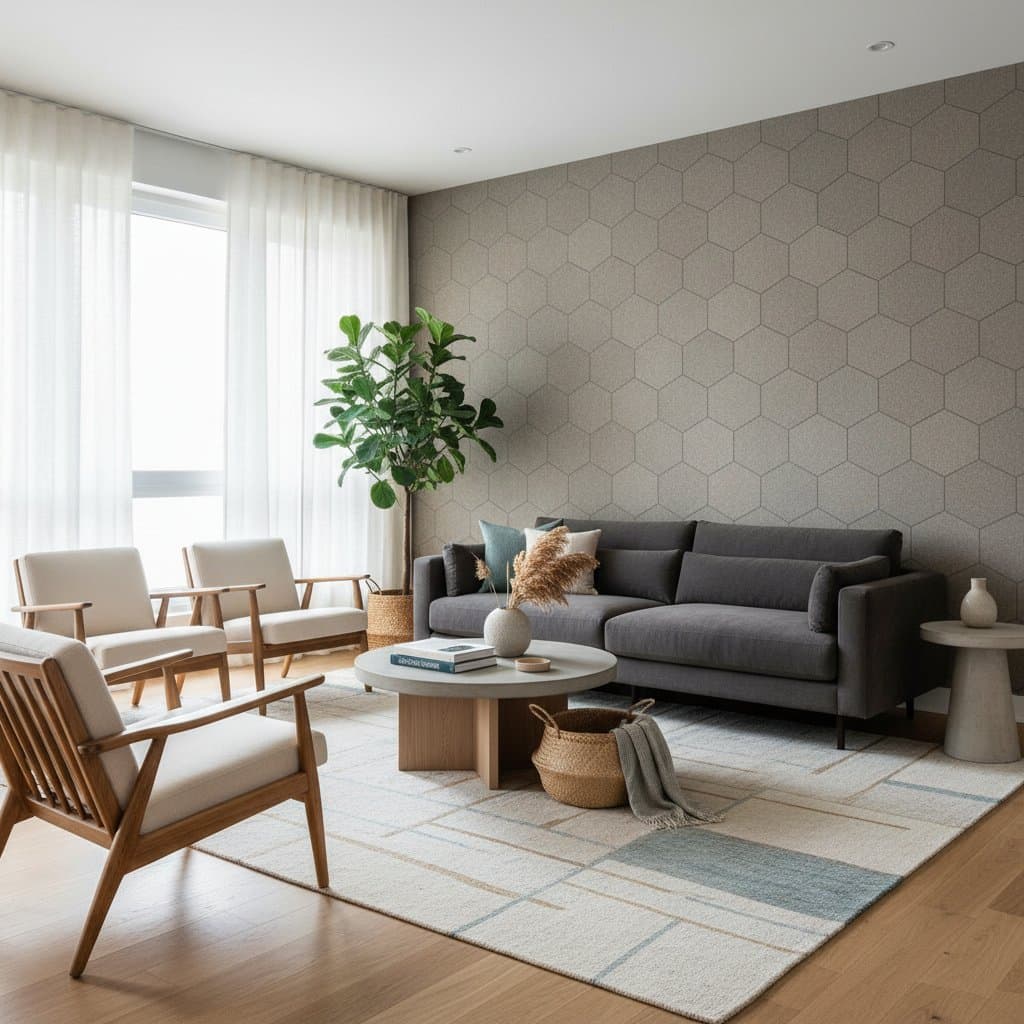
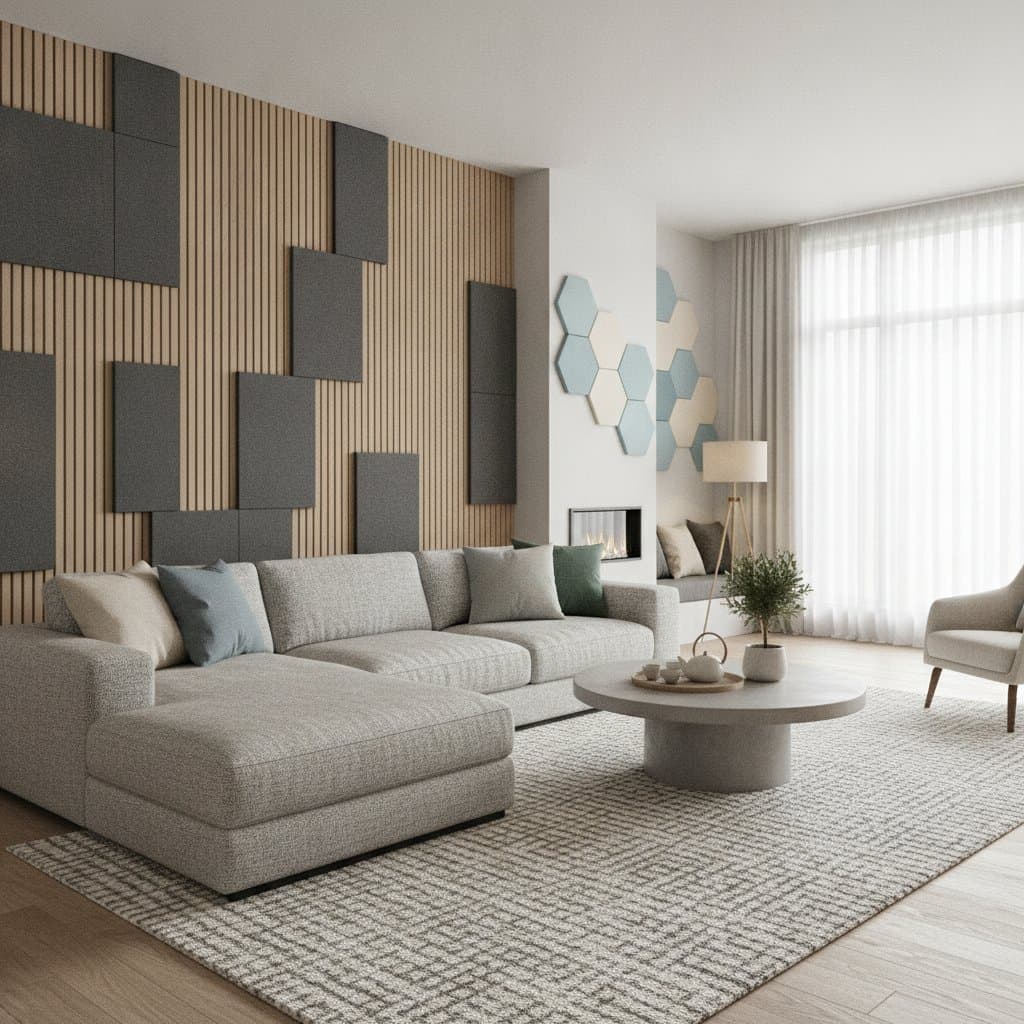
Traditional soundproofing evoked images of stark, functional installations. Today's acoustic panels employ materials and configurations comparable to high-end furnishings. Options include fabric-wrapped surfaces, premium wood finishes, and intricate geometric shapes, suitable for living areas, dining establishments, and professional settings. The versatility stems from their ability to perform acoustically while functioning as artwork, bed headboards, or structural highlights.
Both interior designers and residents appreciate these panels as worthwhile additions that serve practical and ornamental roles. Available in modular designs, they allow reconfiguration, stacking, or customization to accommodate irregular angles or broad surfaces. This adaptability enables spaces to exude opulence alongside efficiency.
Exploring Materials and Styles
Acoustic panels differ in texture, density, and composition, each affecting sound dynamics and visual harmony with surroundings.
-
Fabric-Wrapped Panels
A prevalent option for homes, these consist of a dense core encased in sound-permeable fabric. Extensive color and texture selections facilitate seamless coordination with existing decor. For an upscale feel, select linen-infused or velvet-like coverings that impart warmth and dimension. -
Wood Slat Panels
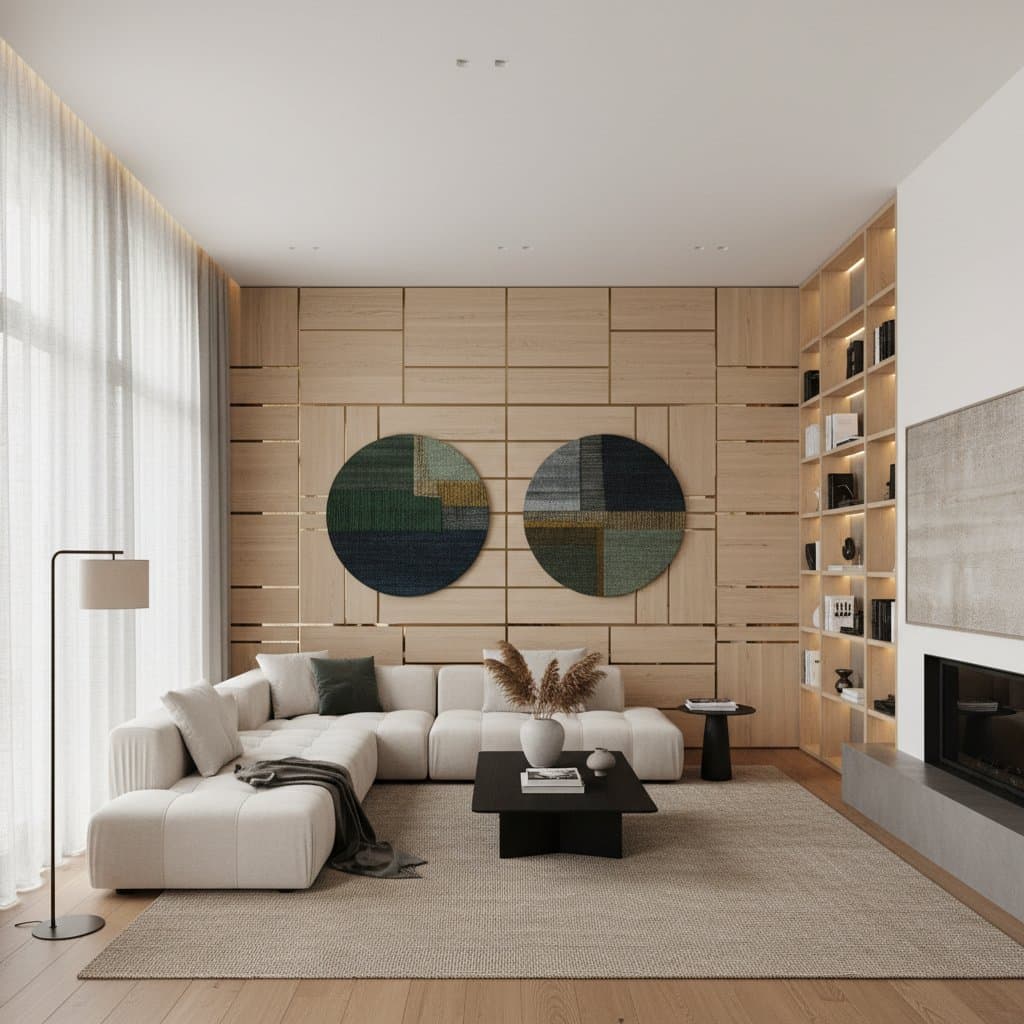
Ideal for natural material enthusiasts, these systems feature wooden strips layered over absorptive felt. They offer diffusion alongside absorption, tempering echoes while preserving elegance. In contemporary dwellings, walnut or oak variants introduce cozy tones that complement metallic or stone elements effectively. -
Perforated Metal Panels
Sleek and modern, these suit industrial lofts or sparse interiors. Tiny openings permit sound entry to the inner absorptive layer, ensuring efficacy without optical disruption. Powder-coated options add nuanced color variations for enhanced depth. -
Felt and Wool Panels
Eco-conscious and hands-on, these derive from recycled synthetics or pure wool. Lightweight and simple to mount, they introduce softness that aligns with sleek or countryside aesthetics. Their robust absorption qualifies them for expansive offices or rooms dominated by rigid surfaces. -
Custom Artistic Panels
For individuals treating walls as artistic mediums, bespoke printed panels unite utility with individuality. Imprint images, motifs, or abstract designs onto the fabric surface, infusing sound management with unique character.
Where to Use Acoustic Panels for Maximum Effect
Versatility defines the strength of acoustic panels, allowing enhancements to comfort and audio precision across diverse areas.
- Living Rooms: Mitigate reverberation from lofty ceilings and fluid layouts. Panels act as refined backdrops for lounging zones or entertainment displays.
- Bedrooms: Foster tranquility by positioning panels behind bed headboards or on walls adjacent to external disturbances.
- Home Offices: Sharpen concentration and audio fidelity in video calls through treatment of walls near and behind workstations.
- Home Theaters: Balance acoustics by interspersing absorptive panels with diffusers, yielding immersive viewing.
- Kitchens and Dining Areas: Employ panels with cleanable fabrics or protective coatings to dampen noise while upholding sanitation.
- Shared Walls and Ceilings: In apartments or lower levels, panels curb inter-room transmission, augmented by floor underlay or wall insulation.
Step-by-Step: Planning Your Acoustic Transformation
-
Assess Your Sound Environment
Pinpoint locations of echoes or intrusive sounds. Test by clapping in various spots and noting decay time. Areas with rigid flooring, tall ceilings, and scarce upholstery typically demand greater intervention. -
Set Your Acoustic Goals
Clarify priorities, such as diminishing internal reflections or isolating external sounds. Absorptive panels target room echoes, whereas comprehensive isolation might necessitate supplementary insulation or decoupling mechanisms. -
Determine Coverage Area
Aim for 20 to 30 percent wall coverage to yield perceptible gains. Expansive or highly reflective rooms could require additional surface area. Overhead panels prove especially potent in reverberant zones. -
Choose Style and Material
Align selections with aesthetic preferences and practical requirements. Opt for durable, cleanable fabrics in cooking spaces or humidity-tolerant options in damp areas. -
Plan Your Layout
View panels as integral to overall design. Position them symmetrically for structured appeal or in asymmetrical groupings for natural flow. Combining panel varieties merges textures and optimizes acoustics. -
Install or Hire Help
Numerous panels feature user-friendly attachment methods. For extensive wall or ceiling work, engage professionals to guarantee stability and precision.
Budget and Practical Considerations
Expenses for acoustic treatments span a spectrum based on selections and scale. Standard fabric panels average reasonable rates per square foot when installed, whereas exotic woods or tailored prints command premiums. Budget-conscious projects benefit from modular felt units as accessible starters. Comprehensive room overhauls, like dedicated theaters, incorporate panels with bass absorbers or foundational layers.
Building permits rarely apply to panel installations absent structural alterations. Verify regional regulations for projects impacting communal walls or incorporating wiring. Professional advice proves invaluable in ambiguous cases.
Prioritize safety through fire-rated materials appropriate for homes. Adhere to guidelines for adhesives and fixtures. Reputable panels endure years without distortion or discoloration, affirming their value as enduring assets.
Regional and Climate Factors
Environmental conditions shape material suitability and efficacy. Humid locales demand warp-resistant panels to avert moisture damage. Seaside residents prefer composites or treated woods. Arid zones support natural fibers for their stability and permeability. Regions with thermal fluctuations benefit from flexible panels that accommodate minor shifts without joint failures.
Acoustic needs adapt to locale. City inhabitants emphasize external barrier creation, whereas countryside dwellers target internal echo control in spacious designs. Optimal configurations harmonize seclusion with environmental attunement.
Integrating Panels into Your Design Vision
Elevate sound management to a design centerpiece. Pair panels with illumination or built features, such as embedding lights amid wood slats or outlining art displays. Layered depths generate intriguing light patterns on surfaces.
Color choices matter greatly. Subdued shades integrate subtly, while vibrant accents delineate areas in fluid plans. Picture a midnight-blue panel offsetting a pale couch or slate-gray felt grounding a luminous eating space. Such arrangements infuse refinement surpassing mere acoustics.
Texture enthusiasts gain from hybrid applications. Blending glossy and textured surfaces captivates visually, while diverse materials enrich sensory appeal. These pairings render environments thoughtfully assembled and inviting.
Beyond Aesthetics: The Emotional Impact of Quiet
Silence transcends noise absence; it cultivates an ambiance for reflection, clarity, and interaction. Enhanced acoustics render music vivid and dialogue crisp. Laughter resonates gently, and routine sounds blend into soothing undertones. These gains profoundly nurture emotional health, converting residences into restorative havens where auditory elements enhance life.
Advancing to Acoustic Luxury
Embark on acoustic upgrades incrementally. Address one space initially, observe adjustments over weeks, and note shifts in energy and attentiveness. Many discover rapid relief from auditory strain and heightened productivity. Proceed to additional areas, refining style and function progressively.
Contemporary solutions render sound control an elegant enhancement, not a concession. Through innovative materials and imaginative application, craft a residence of refined auditory bliss. From soothing retreats to precise workspaces or lively communal zones with clear resonance, serenity lies within reach.