Sound-Absorbing Decor: Blending Luxury with Acoustic Serenity
Contemporary luxury interiors emphasize tranquility as a core element of sophistication. Open floor plans, sleek hard surfaces, and expansive ceilings, while visually striking, often intensify sound reflections. Designers now incorporate sound-absorbing decor to mitigate these effects, preserving aesthetic appeal while cultivating a hushed ambiance that elevates daily living.
This approach extends beyond traditional venues like recording studios. Homeowners and professionals alike adopt these solutions in residential dining areas, upscale hotel lounges, and productive office setups. The outcome delivers an indulgent quietude that subtly underscores refined taste.
The Importance of Acoustic Balance in Design
Effective interior design engages multiple senses, including hearing, to create harmonious environments. Excessive echoes from bare walls or floors can disrupt focus and strain conversations, whereas controlled acoustics promote relaxation and clarity. Interior designer Lara Finch observes, “Clients often notice how a room feels quieter before they realize why. Good acoustics make everything, from conversation to concentration, more pleasant.”
Sound-absorbing materials work by capturing sound waves through their porous structures, preventing reverberation and fostering intimacy. This balance proves essential in multifunctional spaces where activities overlap. By addressing auditory comfort, designers ensure rooms support both social gatherings and solitary pursuits seamlessly.
Beyond mere noise reduction, these elements influence emotional well-being. Studies in environmental psychology suggest that moderated sound levels lower stress and boost productivity. In luxury settings, this translates to spaces that feel inherently welcoming and composed.
Selecting Materials for Aesthetic and Acoustic Excellence
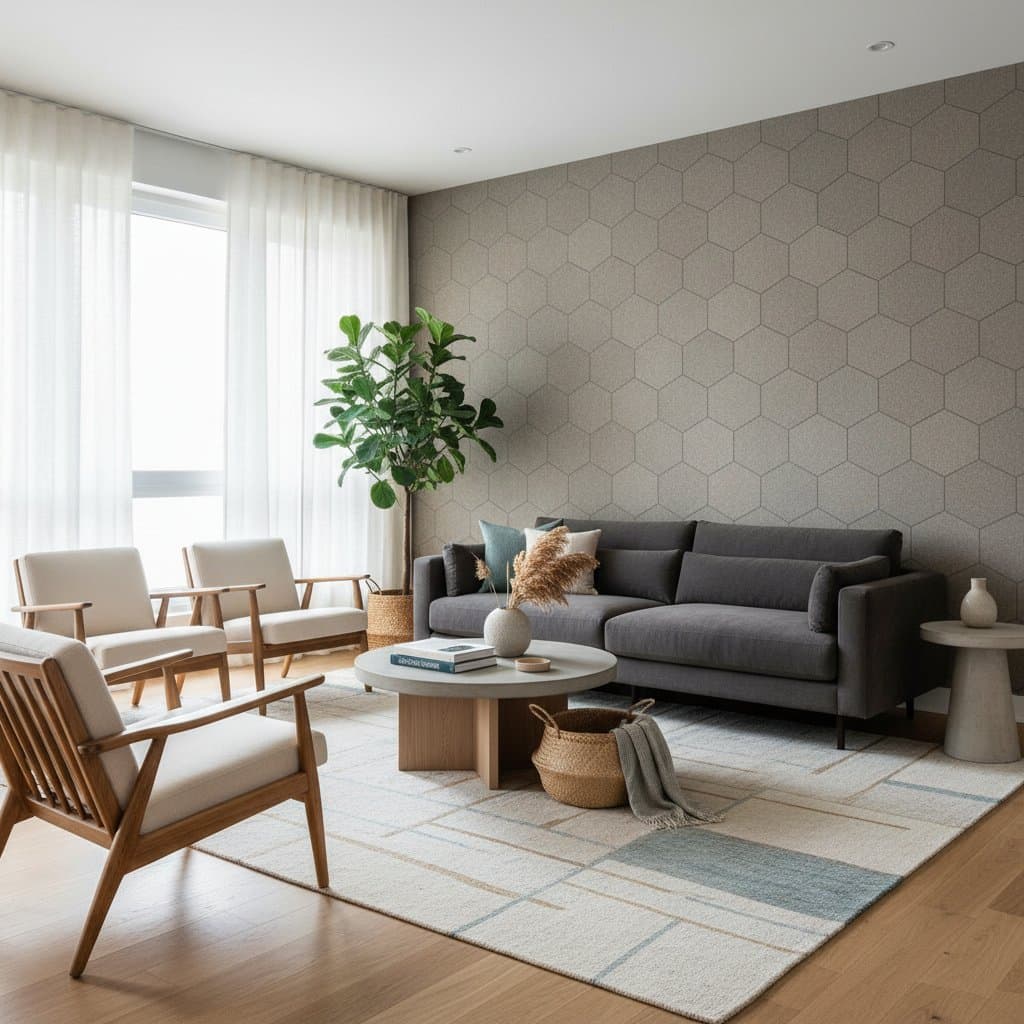
A diverse array of materials now bridges functionality and fashion in acoustic decor. Felted wool panels offer natural texture and high absorption rates, ideal for wall applications in modern living areas. Slatted oak baffles, with their linear profiles, diffuse sound while adding architectural warmth to minimalist designs.
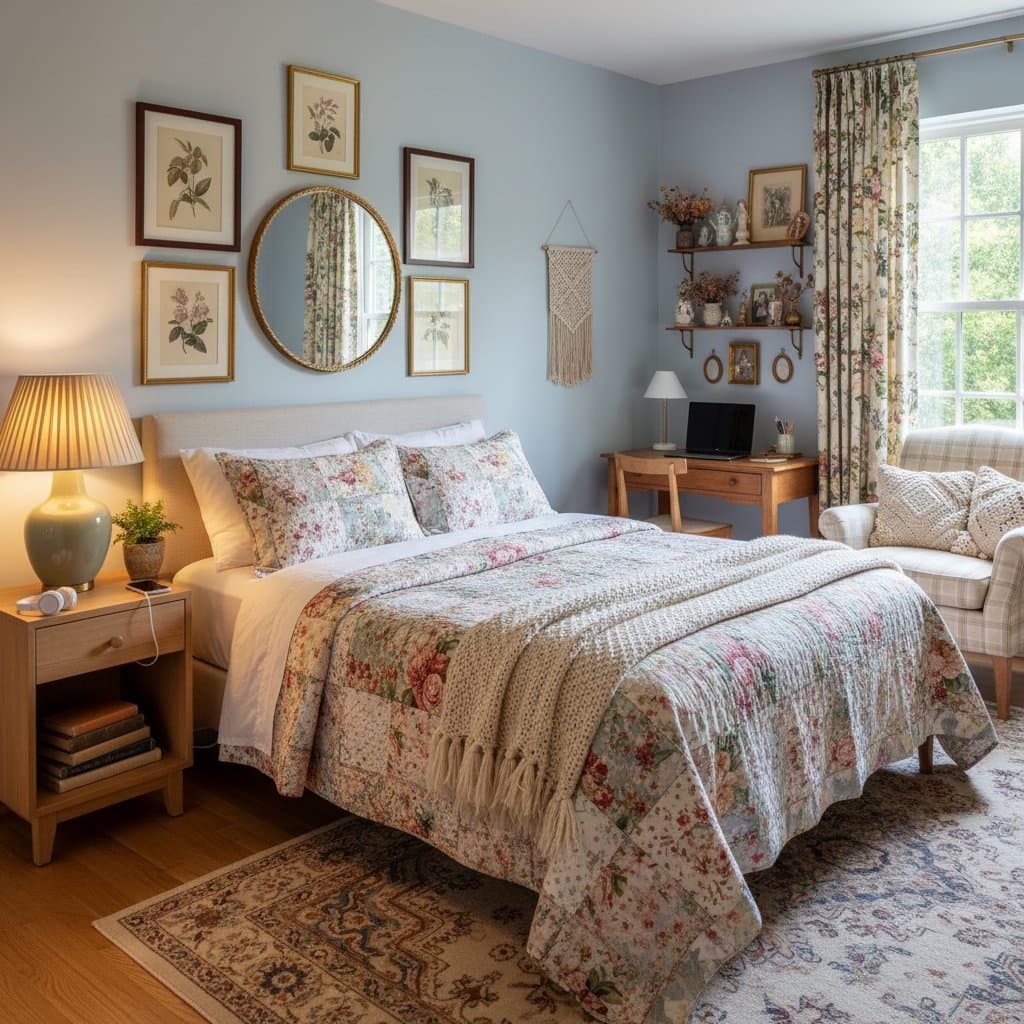
Cork tiles provide an eco-friendly option, absorbing mid-range frequencies effectively when layered in patterns on feature walls. Upholstered systems, such as padded dividers or headboards, integrate seamlessly into bedrooms or reading nooks, combining comfort with noise control. For versatility, modular composites made from recycled fabrics allow customization in size and shape.
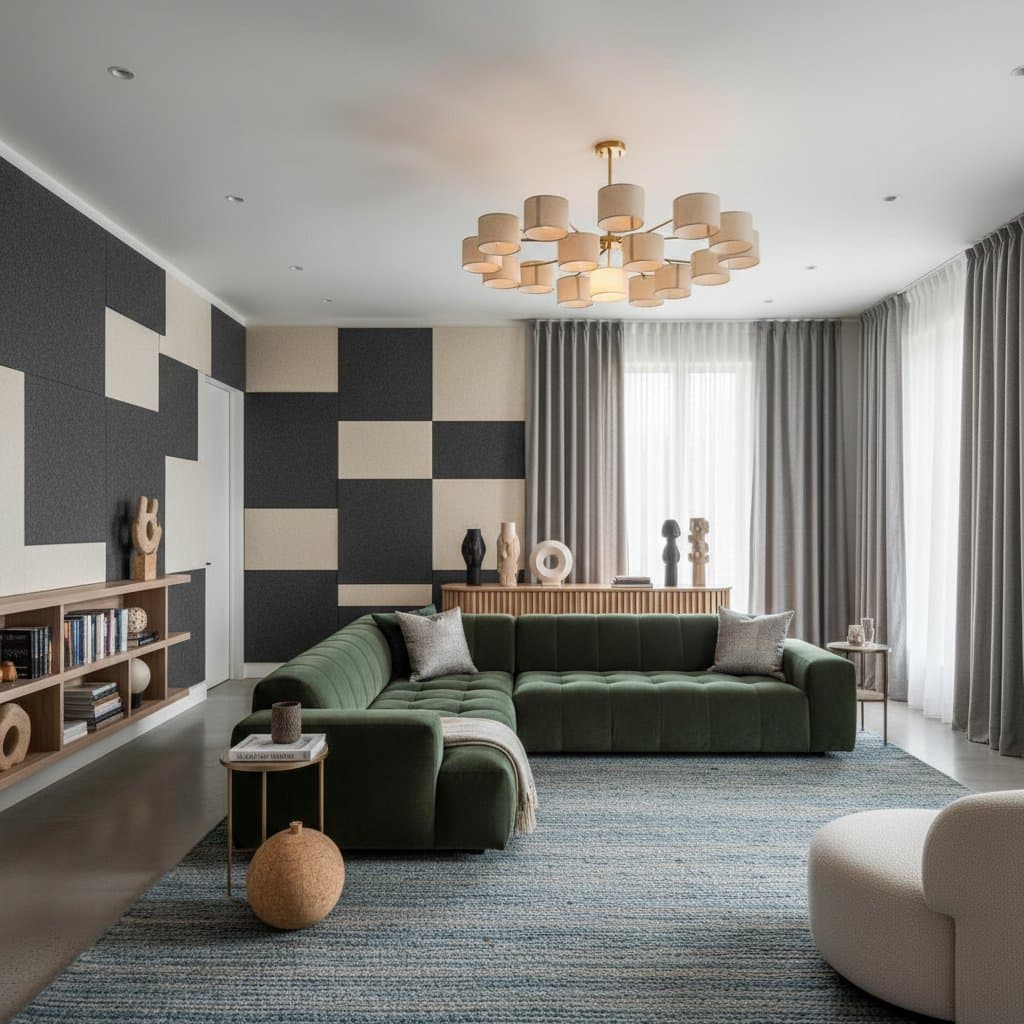
Smaller accents amplify impact without overwhelming a scheme. Opt for thick linen curtains that drape floor-to-ceiling to dampen external noises in urban apartments. Plush rugs with high-density underlays, placed strategically under seating groups, minimize footfall echoes on hardwood floors.
Velvet upholstery on armchairs or banquettes not only softens mid-tones from voices but also introduces opulent color variations. In a typical living room, installing a single acoustic panel wall behind the primary sofa can halve reverberation time, creating a conversational sweet spot. Kitchens benefit from framed fabric panels above islands, which muffle utensil clatters while serving as decorative focal points.
Strategic Placement for Optimal Acoustic Design
Successful integration starts with assessing a room's reflective elements. Identify hard surfaces like tile floors, large windows, or vaulted ceilings that bounce sound indiscriminately. Position absorbent materials directly opposite or adjacent to these zones to intercept waves effectively.
Divide the space into key treatment areas: ceilings, walls, and soft furnishings. Ceiling-mounted acoustic clouds, suspended via discreet cables, excel over dining tables by capturing overhead reflections. These panels, typically two inches thick, handle both direct sounds and bounces from below, ensuring balanced audio during meals.
Wall treatments shine when aligned at ear level, around four to six feet from the floor, to target human-height interactions. In open offices, vertical panels along partitions reduce crosstalk between desks. Floor-level solutions, such as layered carpets, prevent sound transmission to lower levels in multi-story homes.
Incorporate lighting fixtures that double as absorbers. Pendant lamps with felt-lined shades or fabric-wrapped diffusers temper glare and acoustics simultaneously. This layered approach unifies visual and auditory elements, enhancing overall cohesion.
For bathrooms or entryways prone to hard echoes, consider freestanding screens upholstered in absorbent fabrics. These movable pieces allow experimentation, enabling adjustments based on usage patterns.
Key Design Considerations
- Materials: Felt for softness, cork for sustainability, wood veneers for warmth, recycled fabric composites for innovation
- Shapes: Linear slats to guide the eye, hexagonal tiles for dynamic patterns, soft-edged panels for subtle integration
- Colors: Neutral palettes to blend with minimalism, soothing blues and greens to evoke calm in workspaces
- Installation: Self-adhesive options for quick application, hidden tracks for professional finishes
- Maintenance: Gentle vacuuming to remove dust, mild damp cloth wiping to maintain material integrity
Experiment with combinations, such as pairing cork accents with wooden slats, to tailor absorption to specific frequencies like speech or music.
Implementing Changes for Lasting Tranquility
Integrating sound-absorbing decor yields environments that feel inherently stable and inviting. Conversations gain clarity without shouting, music playback achieves richer tones, and ambient noises fade into the background. Designer Marco Ellis notes, “When clients walk into a space that sounds right, they immediately relax. It’s an invisible kind of luxury.”
Begin with modest updates to experience tangible shifts. Swap a reflective glass table for an upholstered ottoman that cushions impacts. Introduce a large area rug beneath high-traffic zones to layer sound insulation.
For more involved projects, consult measurements: aim for 20 to 30 percent surface coverage with absorbers in echo-prone rooms. Test placements using simple clap tests to gauge reverberation before committing. Over time, these refinements cultivate a sanctuary where sensory harmony amplifies luxury.
Crafting Your Personal Haven of Quiet Elegance
Sound-absorbing decor redefines luxury by prioritizing auditory refinement alongside visual appeal. This intentional design choice turns potential chaos into composed beauty, where every element contributes to well-being. Embrace these strategies to build interiors that not only captivate the gaze but also nurture the spirit through profound peace.