The Rise of Acoustic Art in Interior Design
Picture a home where discussions resonate clearly, melodies play with balanced clarity, and external distractions dissolve into the background. Walls contribute more than visual interest; they cultivate tranquility. Acoustic art panels achieve this by integrating sound management with striking aesthetics, emerging as a key trend in modern interiors.
Many homeowners recognize unwanted echoes in open layouts or distracting reverberations in multipurpose rooms. As residences serve as offices, relaxation zones, and entertainment hubs, effective noise control gains prominence. These panels transcend their origins as nondescript absorbers, now serving as elegant accents that harmonize utility and style.
Why Acoustic Panels Capture Design Attention
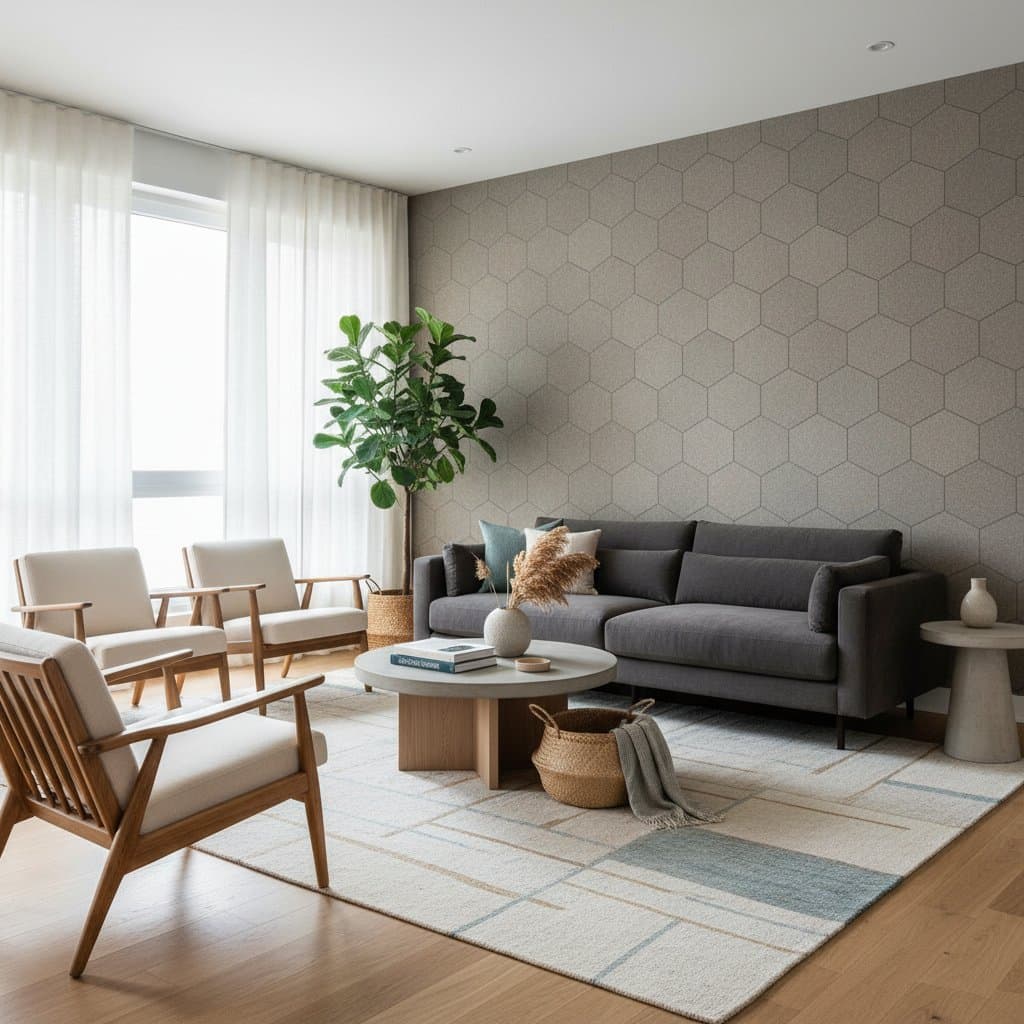
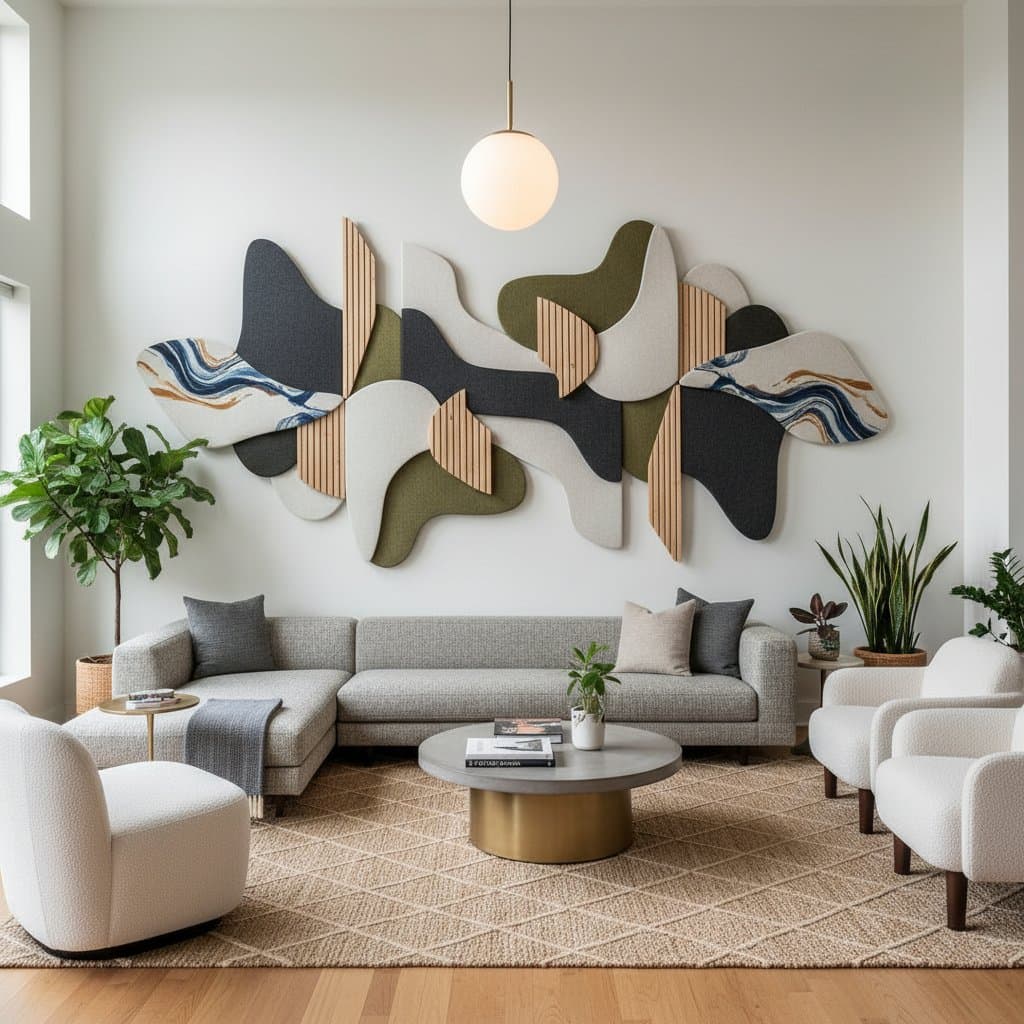
Designers increasingly highlight acoustic panels as central features rather than concealed elements. Available in varied forms such as angular configurations, textured coverings, and bespoke imagery, they resemble gallery-worthy installations or subtle wall enhancements.
Such versatility suits diverse settings, from intimate lounges to focused workspaces. Beyond mere silence, these panels promote enhanced concentration, reduced stress, and an overall sense of harmony. Homeowners discover spaces that support both productivity and leisure with effortless elegance.
The Mechanics Behind Effective Sound Absorption
Acoustic panels capture and scatter sound waves to prevent reflections that amplify noise in enclosed areas. This process minimizes distortions in speech and media, creating a more natural auditory environment, particularly in spaces dominated by reflective materials like wood floors or windows.
Key components include:
- Core Absorption Material: Composed of dense foam, fiberglass, or repurposed textiles, this inner layer converts sound vibrations into minimal heat.
- Outer Aesthetic Layer: Breathable fabrics or perforated veneers allow sound penetration while providing color, pattern, or texture for decorative impact.
- Installation Framework: A slight offset from the wall via frames or spacers enhances performance by enabling better wave dissipation.
The outcome manifests as perceptibly gentler acoustics, fostering comfort without altering the room's architectural essence.
Tailored Choices to Suit Any Interior
Options in acoustic art span styles and price points, ensuring adaptability for personal expression.
- Fabric-Covered Variants: Cost-effective and versatile, these allow selection of hues and weaves to complement existing palettes, suiting media rooms or professional setups.
- Custom-Printed Designs: Integrate personal images or licensed motifs onto sound-permeable substrates, transforming walls into personalized galleries.
- Dimensional Sculpted Forms: Layered or molded structures add depth and shadow play, ideal for expansive areas needing substantial reverb control.
- Sustainable Material Options: Crafted from reclaimed plastics or plant-based composites, these align with eco-conscious priorities while delivering robust functionality.
In moisture-prone locations, opt for treated surfaces to resist humidity. For variable climates, select insulated variants that also moderate thermal shifts, enhancing year-round usability.
Essential Steps for Successful Implementation
Approach acoustic enhancements with deliberate planning to maximize benefits.
- Evaluate Acoustic Needs: Measure room dimensions and test for problem areas by clapping to detect echoes; prioritize walls opposite noise origins.
- Set a Realistic Budget: Entry-level options cost under twenty dollars per square foot, escalating for artisanal or large-scale commissions.
- Choose Installation Method: Lightweight units affix with adhesive hooks, but extensive arrays require secure anchoring for stability.
- Verify Regulatory Compliance: Ensure materials meet fire safety standards, especially for shared or commercial-adjacent installations.
- Plan for Upkeep: Dust surfaces periodically with a soft brush attachment; spot-clean fabrics using mild solutions to preserve integrity.
Consult specialists for complex projects to optimize layout for both sonic and visual efficacy.
Designing Spaces Where Sound and Style Converge
Acoustic art redefines interior possibilities, extending beyond specialized venues to everyday homes. Envision a kitchen where utensil sounds integrate smoothly or a study insulated from street noise, promoting deeper focus.
This approach empowers gradual or comprehensive updates, yielding environments that soothe the senses. Embrace the dual advantages of refined acoustics and inspired aesthetics to craft interiors that resonate on every level.