Style and Silence: Acoustic Wallpaper for Homes
A beautifully designed room can lose its appeal when harsh echoes disrupt the atmosphere. Sounds bounce off hard surfaces, making voices piercing and serenity elusive. Acoustic wallpaper addresses this issue by integrating sound absorption into decorative wall treatments, creating spaces that look refined and feel comfortable.
Why Quiet Matters in Design
Excessive noise leads to fatigue over time. Materials like drywall, tile, and glass reflect sound waves, intensifying everyday disturbances. Traditional solutions such as rugs and curtains help, yet modern designs often prioritize sleek, uncluttered looks. Acoustic wallpaper provides a seamless solution, absorbing sound while maintaining clean lines and restoring balance to interiors.
Interior designer Mara Lewis observes, “People want rooms that look open but still feel calm. Acoustic wallcoverings let us keep visual simplicity while controlling sound in a subtle way.”
How Acoustic Wallpaper Works
This wallpaper features a decorative front layer paired with a specialized backing that captures sound energy. Options include textile surfaces, felt, cork, or recycled cellulose, supported by foam or nonwoven fibers that diffuse reflections. Thickness varies from 2 to 6 millimeters, sufficient to target mid- and high-frequency noises without adding noticeable bulk.
Applying it to one wall can cut reverberation by up to 25 percent, based on room dimensions and existing decor. Coverage on several walls amplifies the benefits. Homeowners notice improvements most in open living areas, bedrooms, and offices, where reduced noise supports relaxation and productivity.
Style Choices Beyond the Studio Look
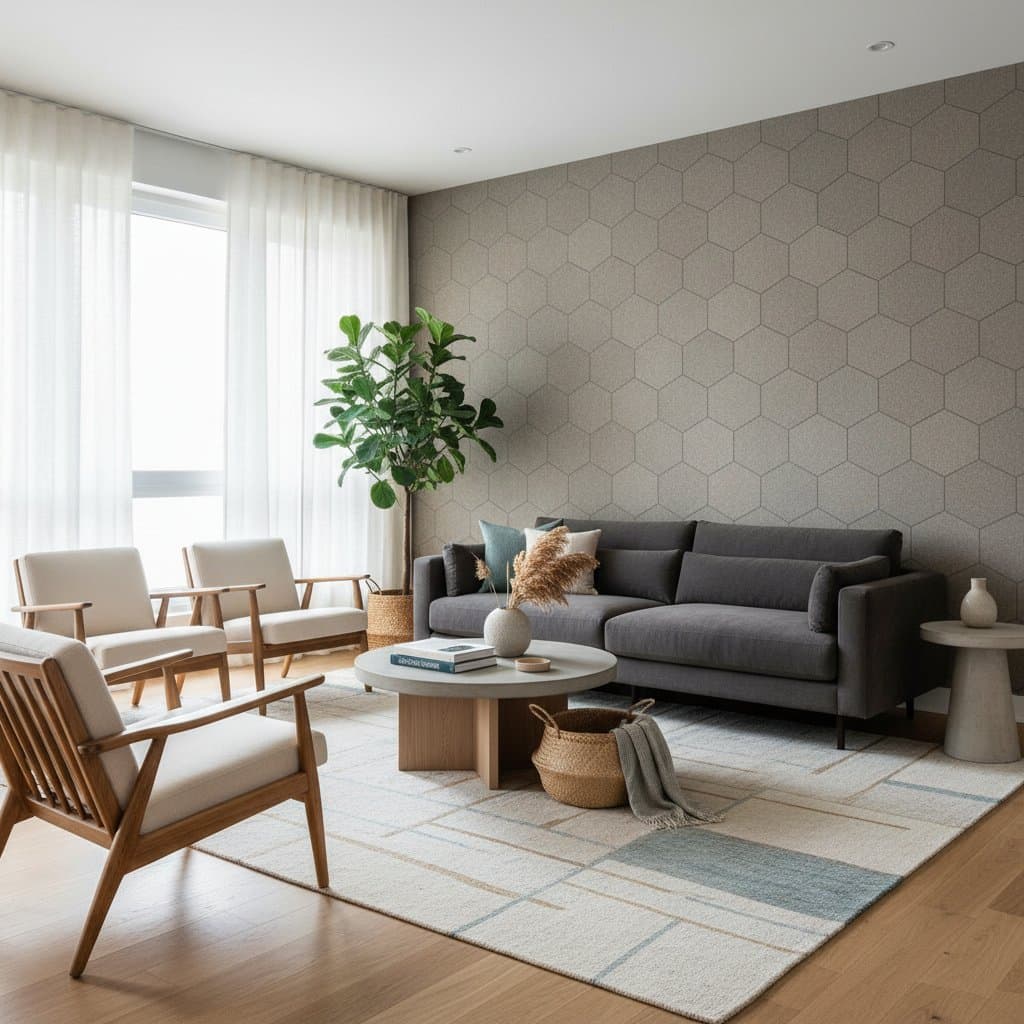
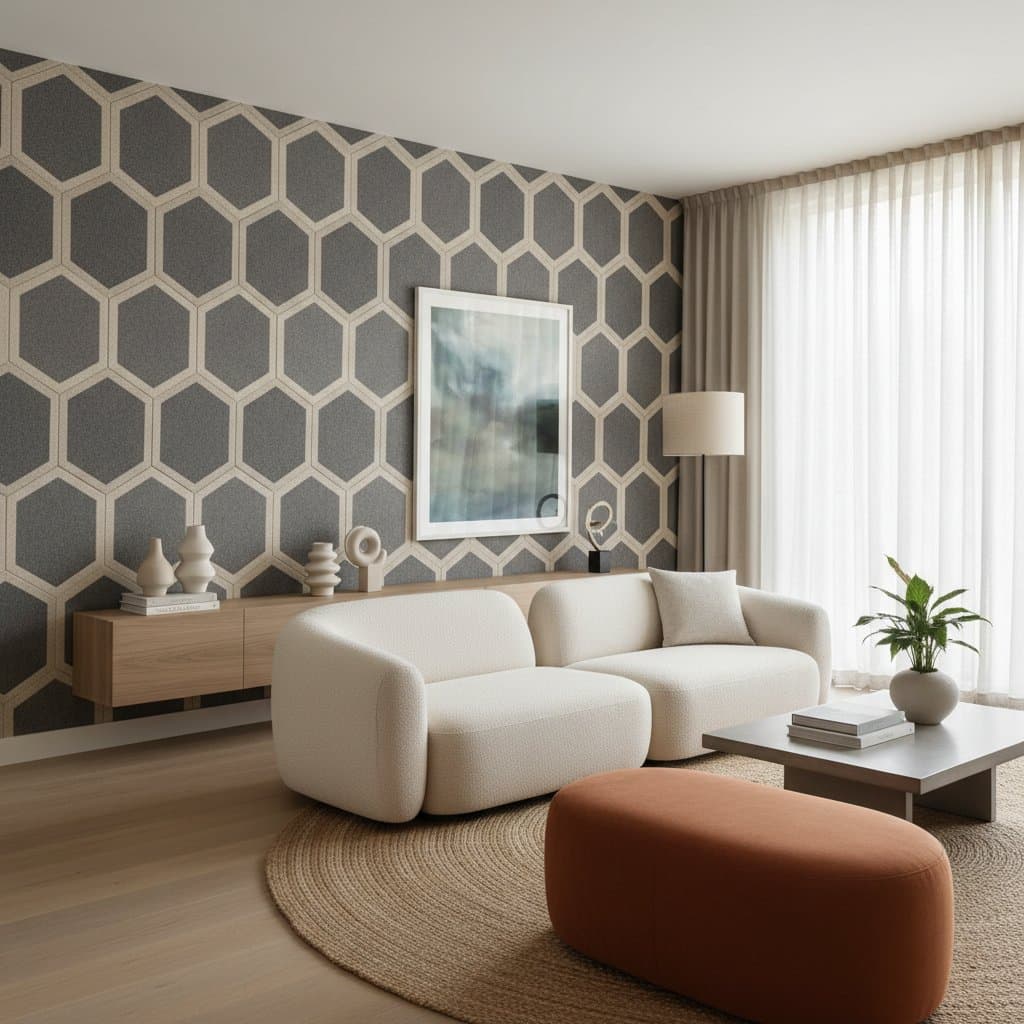
Initial acoustic panels prioritized function over form, often appearing utilitarian. Contemporary lines now emphasize versatility, with patterns like florals or geometrics printed on fabric bases. Textures range from woven wool to dense felt, and colors span neutral tones that mimic plaster to vibrant hues that define feature walls.
Designer Hugo Tran of Tran Studio comments, “Clients used to think soundproofing meant gray foam. Now we can specify something that looks like a luxury textile. It makes acoustic design part of the aesthetic conversation.”
Where to Use It
Select acoustic wallpaper for areas where sound management enhances usability. In living rooms, it counters echoes from tall ceilings or resilient flooring. Bedrooms benefit from muffled external sounds, fostering a restful enclosure. Home offices gain clarity for virtual meetings and deep work sessions. Hallways soften foot traffic and voices, improving overall flow.
Compact apartments see dramatic shifts from treating a single wall, stabilizing the entire environment. In multi-story homes, applying it to stairwell surfaces minimizes sound transmission across levels.
Installation and Maintenance
Installation mirrors that of conventional wallpaper, using adhesive or self-adhesive options. Heavier variants, like those with foam or thick felt, demand robust paste and careful seam alignment. Professionals deliver flawless results, although skilled individuals can handle modest projects independently.
Care routines vary by material. Vacuum fabric surfaces lightly with a soft brush. Wipe vinyl or cork with a moist cloth. Stain-resistant finishes on many products simplify upkeep in high-traffic zones like kitchens and foyers.
Design Details
- Materials: Felt, wool blends, cork, recycled cellulose fibers, or foam-backed textiles
- Thickness: 2 to 6 millimeters (1/16 to 1/4 inch)
- Finish options: Printed patterns, woven textures, or matte solids
- Acoustic rating: Moderate absorption for mid- and high-frequency sounds
- Installation: Paste-the-wall or peel-and-stick methods, adjusted for material weight
- Maintenance: Gentle vacuuming or wiping; steer clear of abrasive cleaners
Smart Placement Tips
- Target reflection points. Apply to walls facing windows or audio sources to curb primary echoes.
- Offset seams. Stagger joints in patterned designs to blend transitions and preserve surface continuity.
- Pair with furnishings. Integrate with drapes, area rugs, and soft seating to optimize overall sound control.
- Evaluate lighting. Opt for layered illumination with matte finishes to counteract light absorption.
Trade-Offs to Consider
Acoustic wallpaper enhances ambiance but does not isolate low-frequency rumbles, like bass or impacts, which need floor or ceiling interventions. Pricing fluctuates: entry-level foam-backed versions align with high-end traditional papers, while custom textiles command premiums.
The true return comes through lived experience. Spaces where sounds integrate smoothly elevate well-being beyond measurable reductions.
Integrating Acoustic Wallpaper into Your Space
Begin by assessing noisy zones in your home. Select a sample that matches your color scheme and invites tactile interaction. Observe how it alters acoustics in a trial area, then extend as needed or combine with overhead panels for comprehensive results.
Advancements in materials promise expanded palettes and efficiencies ahead. Homeowners gain access to solutions that harmonize form and function seamlessly. Acoustic wallpaper ultimately refines living environments, tempering noise to support genuine comfort and connection.