Elevate Living Rooms with Artistic Acoustic Panels
When a living room sounds as good as it looks, everything feels more comfortable. For one couple in Asheville, the problem was clear. Their open-concept living room was beautiful, but every conversation echoed. Movie nights felt hollow, and the hum of the dishwasher carried across the house. The solution came not from bulky soundproofing or heavy drapes, but from something surprisingly stylish: artistic acoustic panels that doubled as modern wall art.
At a Glance
- Home type: Open-concept mountain home
- Challenge: Echoes and poor sound clarity in shared spaces
- Solution: Custom acoustic panels with artistic finishes
- Bonus: Visual warmth and flexible design
Before: A Space That Looked Better Than It Sounded
Before the redesign, the couple's living room featured all hard surfaces. Wide-plank oak floors, a stone fireplace, and high ceilings made the space stunning to the eye, but not to the ear. Each surface reflected sound, creating a sharp echo that made even soft voices carry. Music sounded flat. The television felt too loud.
They tried rugs, curtains, and even more furniture, but the problem persisted. The space needed something that could absorb sound without dulling the aesthetic charm they had worked so hard to achieve.
After: Quiet Beauty That Blends with Art
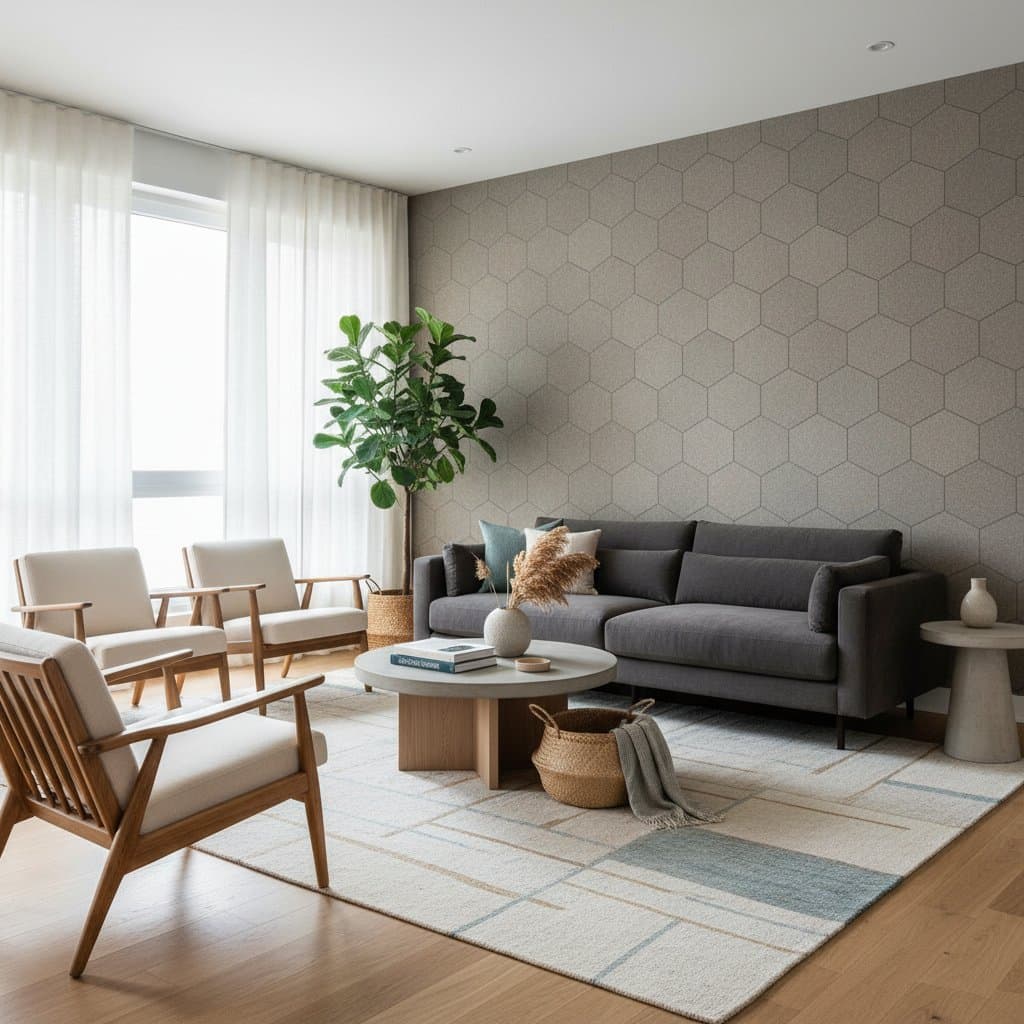
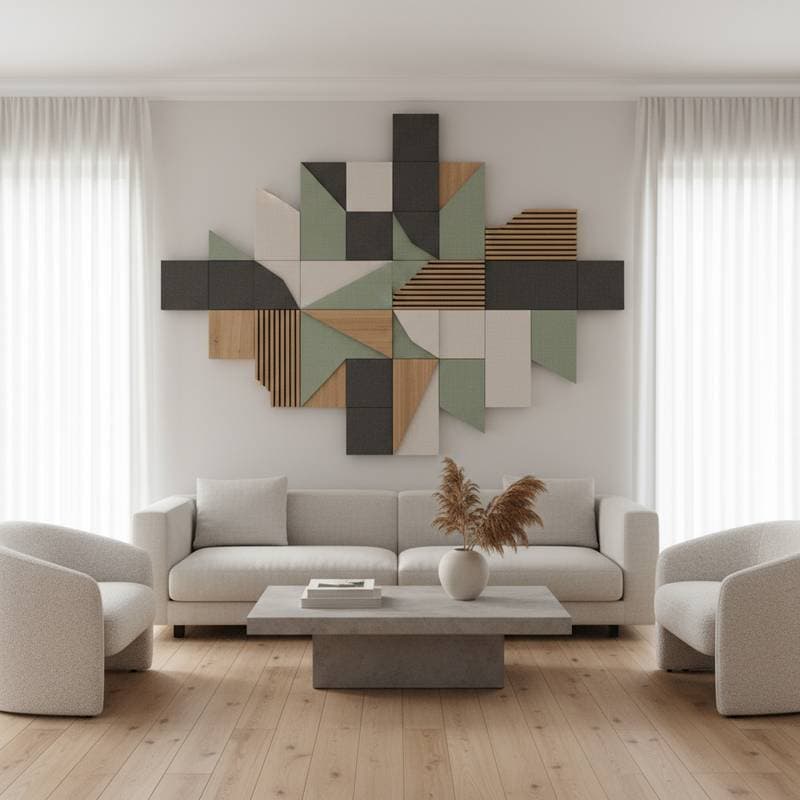
Once the new panels were installed, the transformation was immediate. The panels looked like abstract art pieces with soft geometric shapes in muted clay, sand, and slate tones. Some were wrapped in linen, others in recycled felt with a subtle texture that caught the light just enough to feel intentional.
What changed most was the atmosphere. Conversations became clear and comfortable. The faint clatter of the kitchen no longer dominated the room. Music had depth again. You could almost feel the air soften.
Design Details That Make a Difference
Good acoustic design is part science, part art. The right panels do not just mute noise; they shape the sound so the space feels balanced.
Here is what made this project work:
- Material Mix: The designer combined high-density acoustic foam with natural linen covers. The foam absorbed mid-range sounds while the fabric diffused higher frequencies, creating a warm, natural tone.
- Strategic Placement: Panels were positioned on walls opposite hard surfaces, particularly near the television and seating area. This helped prevent sound from bouncing around the room.
- Color and Texture: Instead of the typical flat gray panels, the team used soft neutrals with visible weave texture. The look was more like artisanal wall hangings than soundproofing.
- Custom Shapes: Circular and hexagonal panels broke up the rigidity of the space, adding rhythm and visual movement.
- Hidden Details: Behind one panel, a slim LED strip cast a gentle glow that doubled as ambient lighting. It made the wall art feel alive after sunset.
Bringing Style and Sound Together
What surprises many homeowners is how much these panels change the feeling of a room. Acoustic treatment is not only for recording studios or home theaters. It is about comfort. When sound behaves well, people linger longer, voices drop naturally, and the space feels grounded.
For budget-conscious projects, pre-made fabric panels or cork-based designs can deliver solid results without custom pricing. For those willing to invest more, handcrafted panels from studios like FeltRight or Arktura offer endless color and pattern options. Some even feature printed art or laser-cut wood overlays that disguise their acoustic purpose entirely.
A few practical tips:
- Start small. Even two or three panels can make a noticeable difference.
- Think of symmetry. Matching panels on opposite walls keep the sound field balanced.
- Mind the ceiling. In large or open rooms, overhead acoustic baffles can absorb sound while looking sculptural.
- Use natural fabrics. Textured textiles absorb sound better than glossy finishes.
Living with Your Design
Months after the installation, the couple said they notice the difference every day. Morning coffee feels quieter. Their dog's nails on the floor do not echo. When friends visit, conversations flow easily without anyone raising their voice. The room still looks like an art gallery, but it now sounds like home.
Acoustic panels have come a long way from the dull rectangles of old. They can be bold color statements, minimalist grids, or subtle textural accents that tie the room together. The best ones feel intentional, like they were always meant to be part of the design.
If you have ever walked into your living room and felt the sound bounce more than it should, this might be the upgrade you did not know you needed. Start with one wall, treat it like art, and notice how your space begins to breathe differently.
Making It Happen
To create your own quiet masterpiece, begin by listening. Clap your hands and notice where the echo lingers. That is your first clue. Choose materials that complement your decor, from soft felt to woven bamboo. Think about light, color, and placement before committing to installation.
The result is not just better acoustics; it is a new mood. A room that listens as much as it speaks. A space that feels layered, calm, and beautifully intentional. When design and sound work together, living rooms stop being just rooms. They become places where life sounds right.