Acoustic Panels as Art: Soundproofing Goes Stylish
A quiet home offers a unique form of luxury. The soft hum of conversation, the gentle clink of dishes, and the absence of echo create an instantly calmer environment. Sound movement through a room affects rest, focus, and connections among people. Acoustic panels have recently moved beyond hidden utility into prominent design roles. These elements no longer hide behind drywall. They function as artistic features.
This evolution positions soundproofing as a creative opportunity rather than a mere technical solution. Thoughtful placement and design allow acoustic panels to reduce noise while introducing shape, color, and mood to interiors. Homeowners gain tools to craft spaces that support well-being through balanced acoustics.
The New Look of Soundproofing
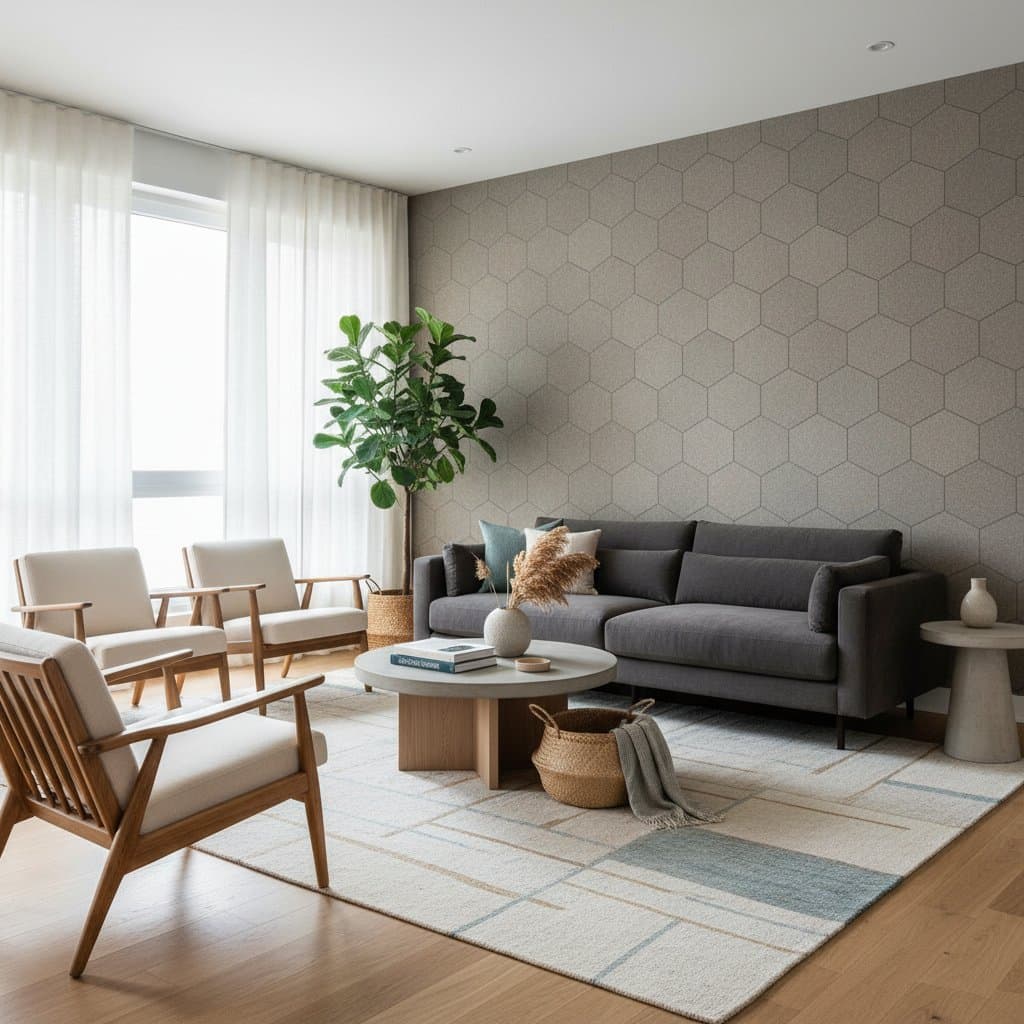
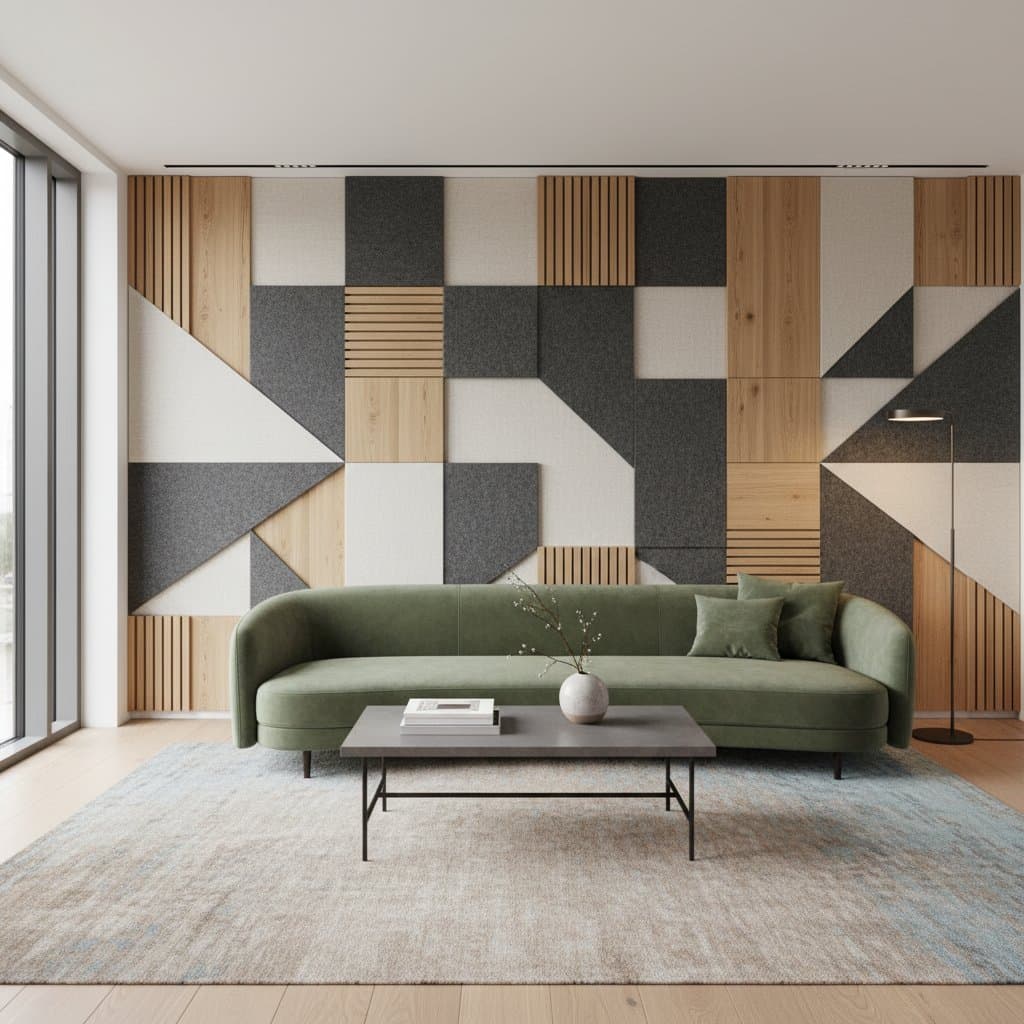
Traditional acoustic panels appeared plain and utilitarian. They fulfilled a purpose without contributing aesthetic value. Contemporary manufacturers transform this perception. Designers now integrate panels as wall art, sculptural elements, or architectural details. Options include textured fabrics, natural fibers, wood slats, and recycled materials. Certain designs mimic woven tapestries. Others evoke geometric abstractions.
This innovation aligns with the trend toward personalized, expressive homes. Each panel contributes to the overall atmosphere. Acoustic panels unify color schemes, soften angular corners, or add warmth to minimalist walls. Select materials that complement existing decor, such as linen fabrics for a coastal theme or metallic accents for modern settings. Experiment with patterns like herringbone weaves or subtle gradients to add visual interest without overwhelming the space.
Strategic Placement for Acoustic Panels
Acoustic panels improve nearly any room, yet they deliver the most impact in areas prone to sound buildup. Strategic positioning absorbs excess noise and enhances clarity. Consider room size, furniture layout, and primary activities when deciding locations.
- Living Room: Position panels above the sofa or on the wall facing large windows. This setup balances reflections from media systems or gatherings. For open-plan living areas, cluster panels in corners to prevent sound from bouncing excessively.
- Dining Area: Install panels adjacent to the table in open layouts. They maintain comfortable conversation levels during meals. Opt for slim, vertical panels to preserve table views while diffusing chatter.
- Home Office: Mount panels behind or beside the desk. This reduces distractions from calls or deep work sessions. In shared spaces, freestanding screens with panels provide portable absorption.
- Bedroom: Incorporate a fabric-covered headboard panel. It absorbs nighttime sounds for better rest. Layer with sheer curtains to blend functionality and softness.
- Hallways and Entryways: Apply slim panels in narrow corridors. They minimize echoes during transitions. Horizontal placements along walls create a welcoming, muffled entry.
Small interventions yield significant results. Avoid covering entire walls. Focus on balance to achieve subtle improvements in acoustics.
Addressing Practical Concerns
Concerns about acoustic panels appearing technical or cumbersome arise frequently. Integrate them as intentional design choices. Match finishes to home materials, such as oak slats in wooden interiors or velvet covers in upholstered rooms. A curated selection of panels enhances cohesion without dominating the aesthetic.
Budget limitations pose another challenge. Begin with minimal investments. Two or three panels often suffice to curb echoes and boost comfort. Observe changes before expanding. Customizable kits allow scaling based on needs.
Renters face installation hurdles. Choose peel-and-stick varieties or freestanding options. These solutions offer versatility and avoid permanent alterations. Test placements seasonally to adapt to shifting room uses.
Experiencing Enhanced Spaces
Incorporate acoustic panels thoughtfully to observe evolving room dynamics. Reduced noise fosters relaxed movements and serene energy. Individuals may linger longer in mornings, savor quiet reading sessions, or engage in deeper evening reflections.
These elements extend beyond utility. They reflect intentional care for living and working environments. Design then encompasses sight, feel, and sound. Spaces that facilitate calm dialogue and sustained concentration transcend mere beauty. They nurture daily life.
Extend this approach to additional areas. Identify echoing hallways or vibrant kitchens needing subtle softening. Select one zone for initial implementation. Track improvements in comfort and adjust accordingly for broader harmony.