Style Meets Silence: Acoustic Panels as Decor
Envision entering your living room after a demanding day. You settle into your preferred chair, and the surrounding area conveys calm, balance, and profound quiet. Street conversations, appliance drones, and echoing footsteps fade into a soothing stillness. This serene atmosphere emerges not from cumbersome soundproofing or utilitarian substances, but from elements refined enough to adorn walls like artwork. Such is the allure of acoustic panels, where aesthetic appeal converges with acoustic tranquility.
When Sound Becomes a Design Challenge
Unwanted noise ranks among the most overlooked disruptors in residential settings. Proximity to bustling roads, shared walls with neighbors, or a home office that serves multiple purposes allows sound to infiltrate every area. Echoes rebound off unpainted surfaces, and discussions dissolve into indistinct murmurs. Persistent ambient noise over time leads to exhaustion, diminished focus, and heightened tension.
Homeowners often view soundproofing as a mere utility. However, contemporary perspectives have evolved. Today's acoustic panels function as bold design elements, converting a once-technical fix into a creative enhancement. Their strength resides in absorbing and dispersing sound waves while enriching spatial texture. The goal extends beyond mere silencing; it involves reshaping the area into a more welcoming and cohesive haven.
The Science Underpinning Aesthetic Appeal
Acoustic panels consist of materials engineered for sound absorption, including open-cell foam, dense felt, or fabric-encased fiberboard. These components capture sound waves that would otherwise reflect throughout the space, thereby minimizing echoes and reverberations. The outcome yields a richer, more managed auditory setting. What distinguishes these panels for design enthusiasts is the innovative redesign by producers.
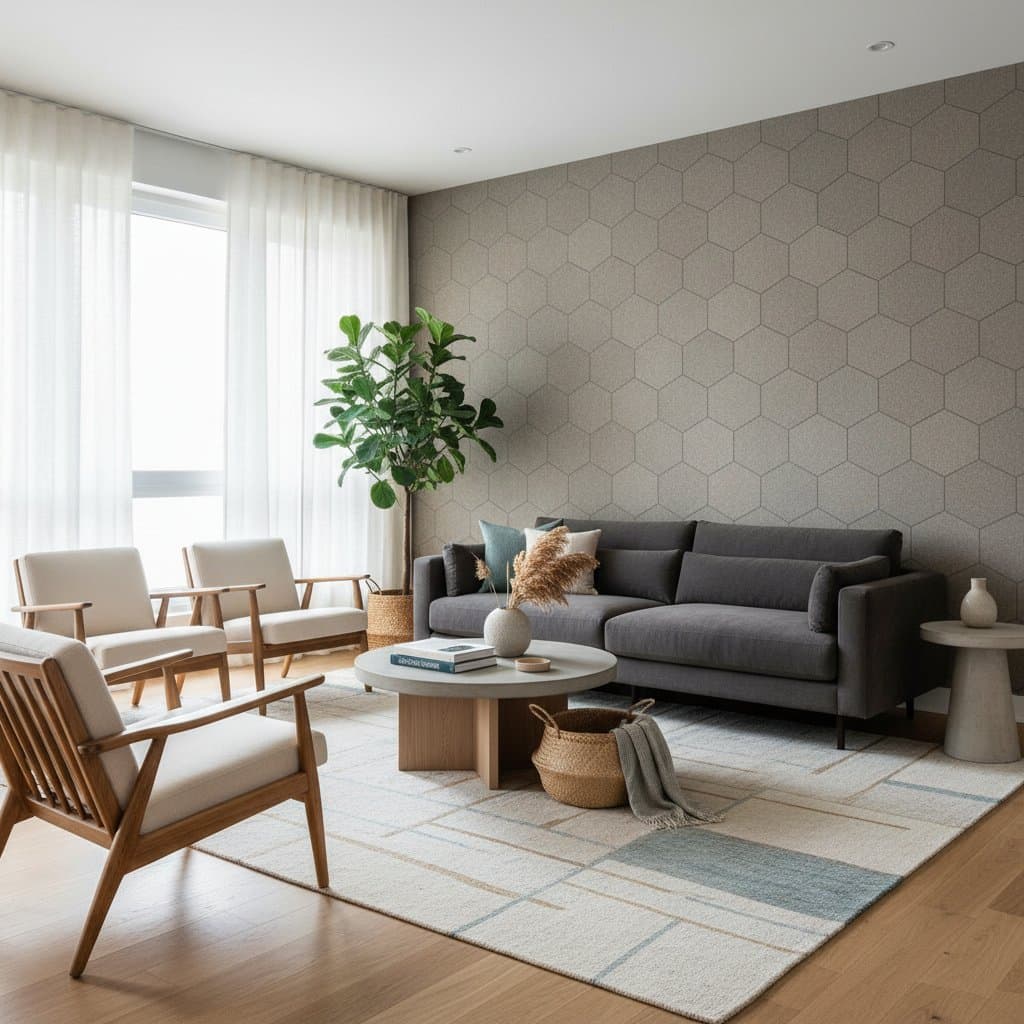
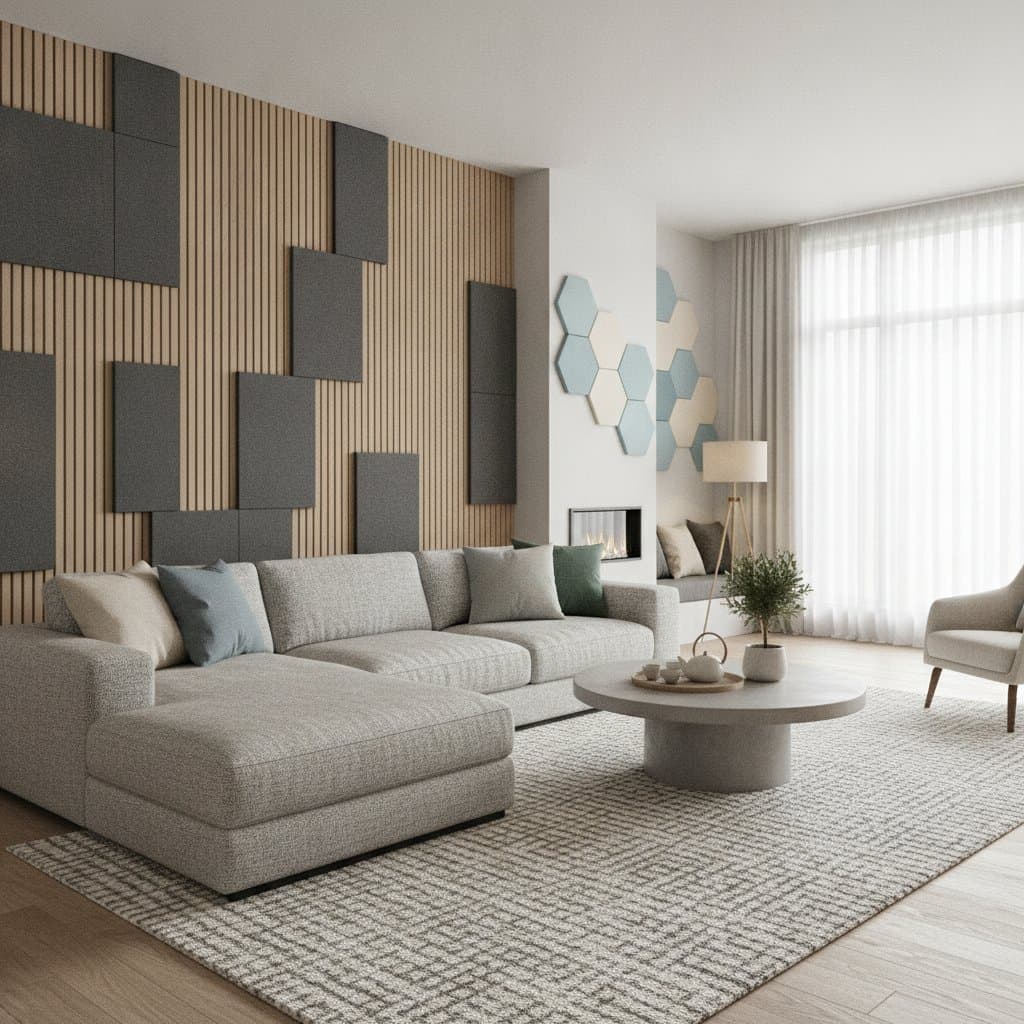
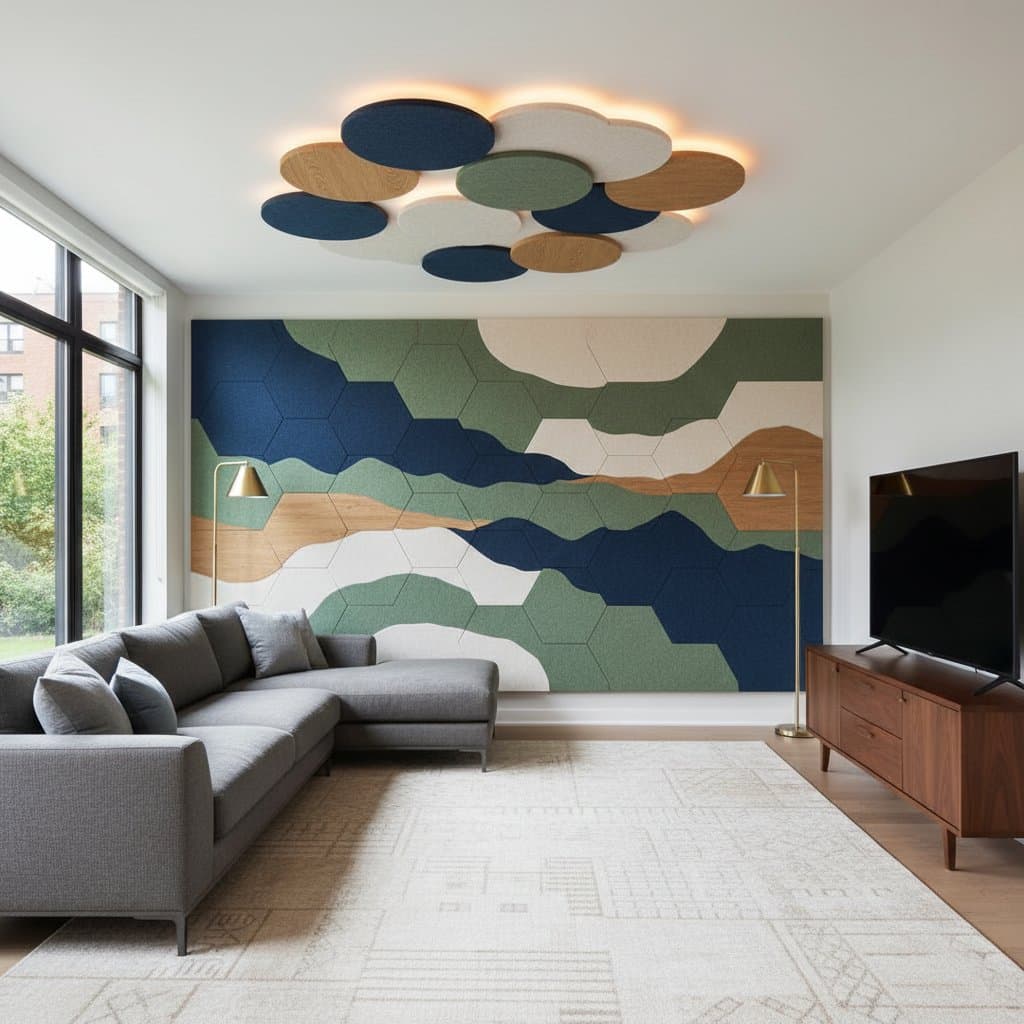
Current offerings include hexagonal configurations, undulating forms, or sleek rectangular profiles, available in diverse hues and finishes. Panels integrate effortlessly with prevailing interiors or emerge as prominent accents on walls and ceilings. Certain varieties emulate organic textures such as timber grains or linen weaves, whereas others display vivid geometric motifs or three-dimensional contours that interact with illumination and shade. For a tranquil reading alcove, a sophisticated home recording area, or a restful guest suite, acoustic panels conform to individual preferences.
Selecting the Appropriate Panel Type for Your Environment
Prior to exploring selections, familiarize yourself with the principal categories of acoustic panels and their optimal applications.
-
Wall-Mounted Panels
These represent the most prevalent and adaptable choice. Framed or unframed variants suit living areas, professional workspaces, or sleeping quarters, particularly where echoes prove prominent. -
Ceiling Panels and Clouds
Overhead suspensions significantly mitigate issues in rooms with elevated ceilings. Such installations benefit open-plan residences or communal dining zones by curbing downward sound bounces. -
Bass Traps
Positioned in angular recesses, these target low-frequency resonances that cloud audio clarity. They excel in entertainment centers or dedicated music spaces. -
Modular Tiles
Engineered for adaptability, these permit reconfiguration or gradual expansion. Renters and decor enthusiasts favor them for their versatility.
Integrating Functionality with Aesthetic Harmony
Approach acoustic panels as dual-purpose additions that influence both sight and sensation within a space. Consider these inventive arrangements to guide your implementation:
- Develop a Focal Wall: Position panels in a deliberate motif behind seating or bedding, incorporating graduated tones for depth.
- Encircle a Work Area: Enclose the desk vicinity with panels in soothing palettes such as muted green, neutral beige, or deep gray to establish a concentrated retreat.
- Accentuate Overhead Space: Deploy suspended clouds in aligned or offset arrays over meal gatherings or relaxation zones for an ethereal ambiance.
- Combine Material Varieties: Pair slatted wood accents with plush felt surfaces to achieve equilibrium between coziness and sleekness.
Each arrangement alters not only appearance but also perceptual quality. A properly acclimated interior often registers as more stable, with the atmosphere itself appearing tempered.
Essential Factors for Successful Installation
Preparation forms the foundation of any residential upgrade. Evaluate the dimensions and configuration of the intended area first. Environments dominated by rigid elements, such as ceramic flooring or expansive glazing, demand greater panel density. Conversely, spaces featuring carpets or substantial drapery may suffice with minimal intervention.
Budgeting: Pricing for acoustic panels varies considerably. Basic foam units start at a modest rate per square foot, whereas bespoke fabric or veneered options command premium figures. Higher-grade selections typically deliver superior efficacy and durability.
Mounting Process: Numerous panels support self-installation via adhesive backing or basic hardware. Elaborate or extensive setups benefit from expert assistance. Verify secure attachment techniques, especially on older plaster or masonry surfaces.
Regulatory and Safety Aspects: Home-based acoustic enhancements seldom necessitate approvals. Structural alterations or interventions on communal boundaries in multi-unit buildings require verification with authorities. Select panels compliant with relevant fire resistance standards for indoor applications.
Upkeep Routines: Maintenance remains straightforward for most types. Fabric iterations tolerate light vacuuming or localized cleaning, while solid or composite exteriors respond to mild wiping.
Elevating Everyday Living Through Acoustic Design
Acoustic strategies extend far beyond professional studios. They offer an attainable method to amplify daily ease and refine decorative sophistication. Incorporating sound control into the design framework introduces enhanced spatial depth. The gentle modulation of a harmonized interior fosters closer family interactions, sharper virtual collaborations, and deeper cinematic experiences.
To initiate this upgrade, consult specialists in acoustic integration. Services that match projects with qualified experts facilitate connections to those versed in both engineering and visual elements. Submit project specifications at no cost to review tailored proposals aligned with financial and scheduling needs.
Whether refining one chamber or undertaking a comprehensive residential overhaul, acoustic panels deliver enduring serenity and style.