Integrating Acoustics and Design Through Decor Panels
A serene home environment starts with mindful attention to sound quality. Striking interiors can lose their appeal if echoes from hard surfaces disrupt the peace or amplify everyday noises. Acoustic decor panels address this by combining effective sound management with aesthetic enhancement, creating spaces that feel both visually appealing and acoustically balanced.
These panels absorb excess sound waves, preventing them from reflecting off walls and ceilings. The outcome is a more intimate and focused atmosphere that promotes relaxation and productivity. Homeowners appreciate how such upgrades subtly improve daily experiences without overwhelming the design scheme.
The Importance of Sound Management in Residential Spaces
Uncontrolled noise accumulates from various sources and impacts well-being over time. For instance, a distant television, overhead footsteps, or appliance vibrations contribute to subtle tension that hinders concentration and rest. Acoustic panels mitigate these issues by capturing sound energy, particularly mid-to-high frequency echoes that often go unnoticed.
Research in acoustics indicates that reducing reverberation time by even a few seconds can lower perceived stress levels. Panels achieve this through porous or resonant materials that convert sound into minimal heat. The result is not complete silence but a refined auditory environment that supports clear conversations, deeper sleep, and efficient work sessions.
In family homes, where multiple activities overlap, balanced acoustics prevent sound from traveling excessively between rooms. This containment fosters privacy and reduces interruptions, allowing each area to serve its purpose more effectively.
Blending Functionality with Contemporary Design
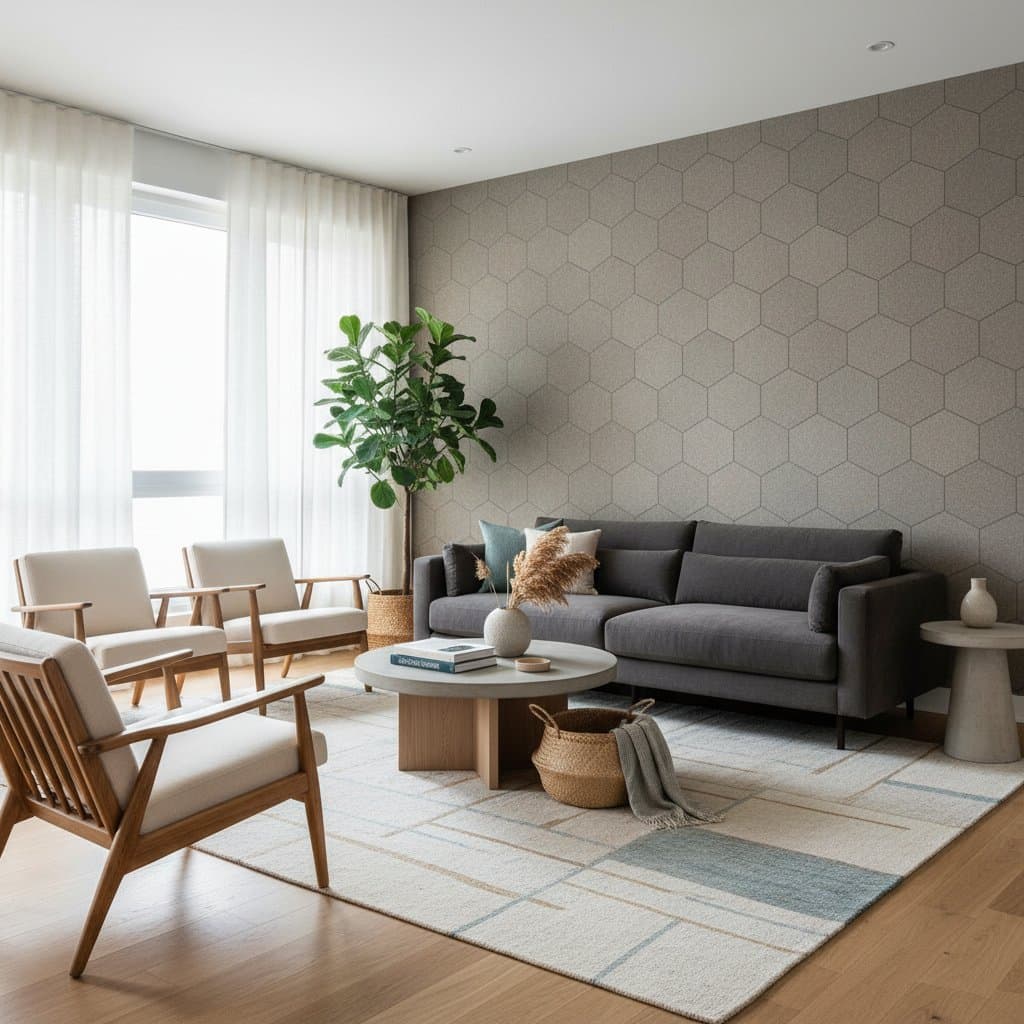
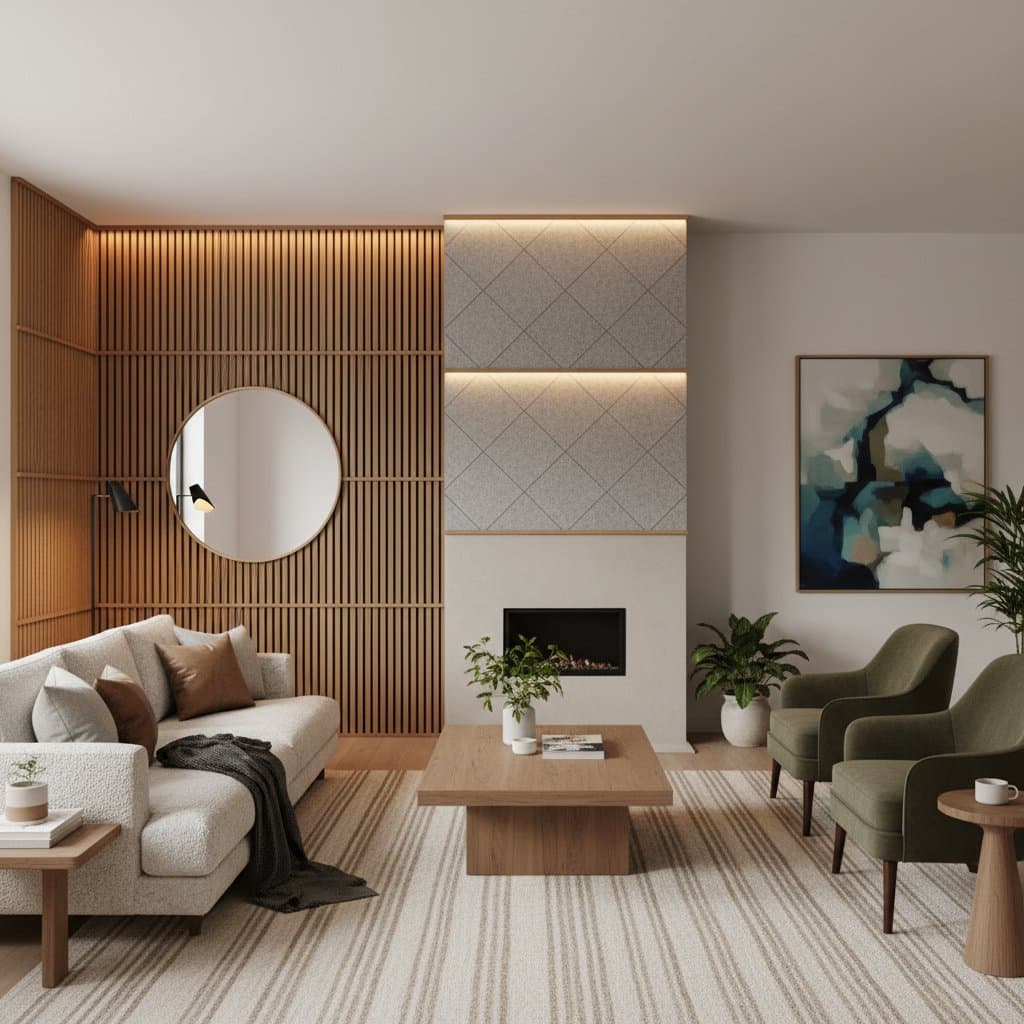
Contemporary acoustic panels transcend utilitarian appearances, offering diverse options that integrate seamlessly into modern interiors. Available in finishes such as textured fabrics, reclaimed wood veneers, or printed motifs, they serve as decorative elements while performing their acoustic duties.
Consider panels mimicking natural materials: wood slat designs introduce organic warmth and diffuse lower frequencies through strategic spacing. Fabric-wrapped versions, often in neutral or bold hues, align with upholstery schemes and excel at absorbing higher-pitched sounds like voices or clinking dishes. Geometric patterns can function as abstract art, drawing the eye while strategically placed to target echo-prone zones.
Installation remains straightforward for most users. Lightweight foam-core panels adhere with double-sided tape or command strips for renters, while heavier wood options secure via screws into studs for permanence. Upon placement, rooms gain depth and cohesion, as the panels add subtle texture that elevates the overall visual harmony.
Strategic Placement for Acoustic Panels
Targeted application maximizes benefits across different areas. Panels work best on parallel surfaces where sound reflections occur most, such as opposite walls or ceilings in larger volumes.
- Living Room: Position panels behind seating areas or along side walls to minimize television echo and enhance dialogue clarity during gatherings. This setup creates a theater-like immersion without external distractions.
- Home Office: Install near windows or doors to dampen street noise and contain voice during virtual meetings. The result is a professional space where focus remains uninterrupted.
- Bedroom: Apply to headboard walls or closets to soften partner movements and external traffic sounds. Such adjustments promote restorative sleep by curbing mid-night disturbances.
- Hallway or Stairwell: Line upper portions of walls to absorb propagating echoes from distant rooms. This prevents the entire home from feeling cavernous and amplifies a sense of enclosure.
- Music or Hobby Room: Cluster panels around performance zones or speaker placements to clarify instrument tones and reduce muddled overtones. Creative users often arrange them in custom patterns for both utility and inspiration.
In open-concept layouts, freestanding dividers with integrated panels offer flexibility, dividing zones while maintaining visual flow.
Selecting Optimal Acoustic Panels
Begin assessment by conducting a simple sound audit. Clap your hands in the room and listen for decay time; prolonged rings indicate high reflection. Speak aloud to detect vocal echoes, noting hotspots like corners or bare expanses.
With insights gathered, evaluate these criteria systematically:
- Material Composition: Select felt for versatile absorption across frequencies, ideal for general use. Fabric excels in high-pitch control and pairs with soft furnishings, whereas perforated wood targets bass notes through airflow channels.
- Dimensions and Configuration: Opt for 2x4-foot panels for broad coverage or modular 1x1-foot tiles for patterned arrangements. Coverage of 20-30 percent of wall space typically suffices for noticeable improvement.
- Aesthetic Integration: Coordinate with room palettes; neutral grays blend subtly, while accent colors like terracotta add personality. Texture variety, from smooth to embossed, influences light reflection and perceived depth.
- Mounting Approach: Adhesive options suit temporary needs, avoiding wall damage. For durability, use mounting brackets that allow air gaps behind panels to boost low-frequency performance.
Consult thickness ratings, as denser options (over 2 inches) handle broader sound spectra. Test samples in situ if possible to gauge visual fit.
Implementing Changes Gradually for Lasting Impact
Initiate with minimal intervention to observe effects. Treat a single problematic wall, such as one adjacent to a noisy kitchen, using three to five panels. Measure the shift in room dynamics over a week, adjusting coverage as clarity emerges.
For non-permanent solutions, acoustic art prints or folding screens provide mobility. These suit seasonal rearrangements or multi-use rooms, repositioning effortlessly to address varying noise patterns.
Budget considerations favor DIY kits with pre-cut elements, while custom orders accommodate unique dimensions. Maintenance involves occasional dusting, preserving both appearance and efficacy.
Realizing the Advantages of Refined Home Acoustics
After installation, engage the space mindfully to appreciate transformations. Conversations gain intimacy as echoes fade, and ambient hums recede into the background. These enhancements subtly elevate mood, encouraging longer stays in treated areas.
Extend the practice to adjacent rooms, prioritizing based on usage frequency. Consistent application builds a cohesive auditory profile throughout the home. Ultimately, such investments yield environments that nurture well-being, blending sensory comfort with enduring style.