Young Homeowners Revive Vintage Grandmillennial Bedrooms
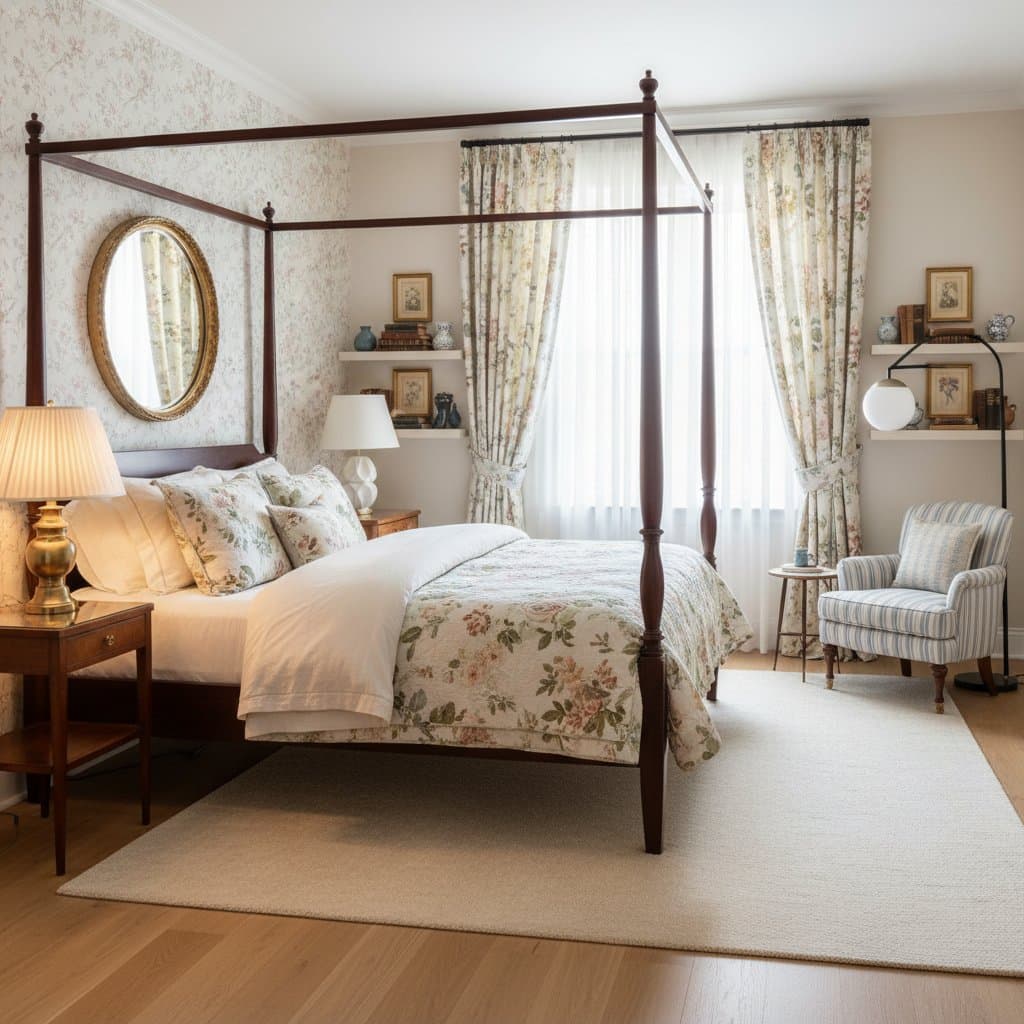
A fresh wave of homeowners reinterprets classic design through a contemporary lens. Grandmillennial style captures the cozy details of traditional rooms while stripping away excess. Delicate lace and floral patterns remain central, alongside clean-lined fixtures, updated textiles, and carefully proportioned pieces. Born as a nod to grandparents' cozy homes, this look has evolved into a defined trend, especially in bedrooms where layers of texture, pattern, and softness come together.
Why the Aesthetic Resonates
The return of ornate traditional elements reflects a broader desire for comfort and permanence. After years of sparse minimalism, younger buyers pursue rooms that reflect personal narratives and substance. Woven textiles, vintage storage pieces, and varied light sources build this sense of lineage. Interior designer Leah Gordon notes, "People crave character once more." She often pairs aged floral chintz with fresh white linens. "They want spaces that feel collected over years, not staged for show."
Bedrooms have shifted from mere functional zones to personal statements. Grandmillennial design achieves equilibrium between relaxation and distinction. It welcomes color and detail without chaos, weaving family heirlooms into targeted updates that ground the room yet keep it fresh.
From Bland Beginnings: Establishing Neutral Foundations
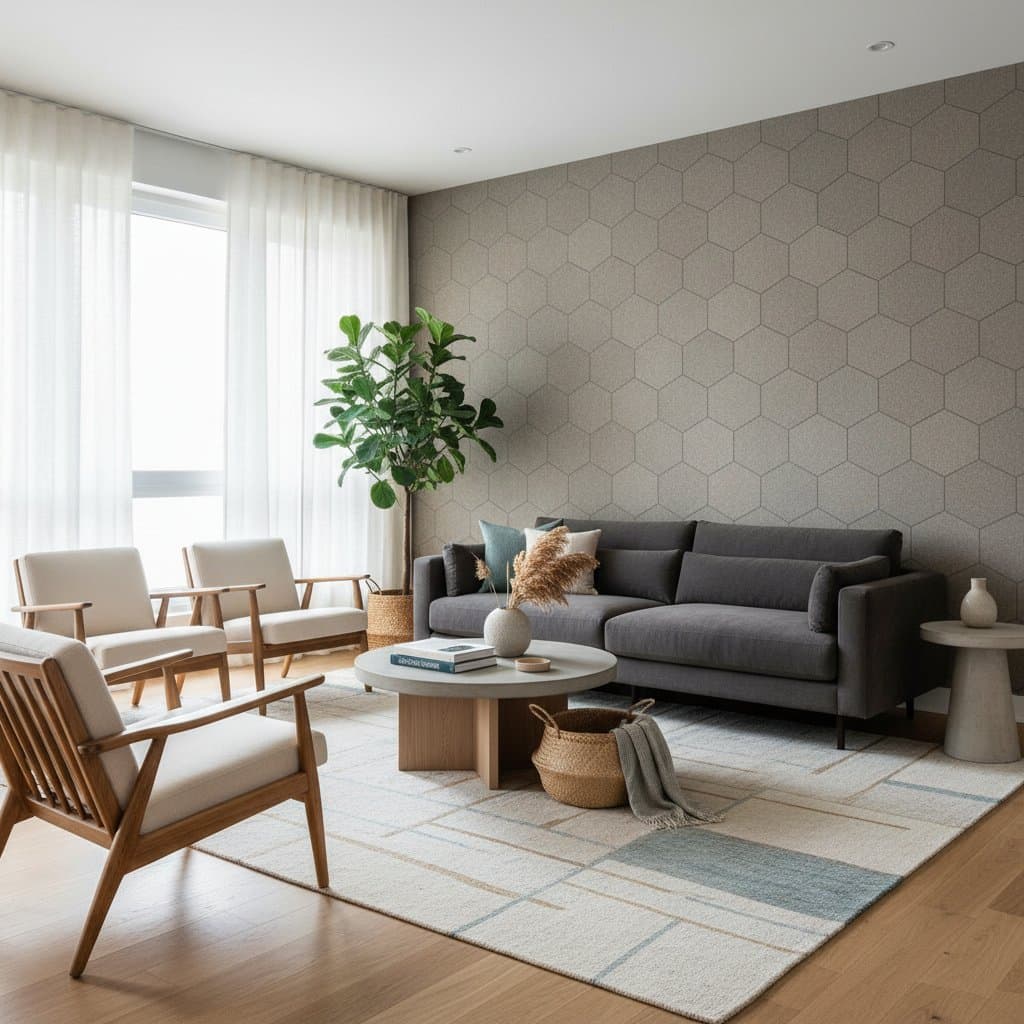
Many bedrooms start as plain backdrops from former tenants or basic rentals. Neutral walls, basic overhead fixtures, and plain platform beds form a dull foundation lacking energy. Homeowner Claire Weston describes her first apartment room. "It felt cold," she says. "Everything was smooth and gray. I missed the soft textures from my family's home."
Storage options stayed limited, lighting uneven, and furniture often mass-produced. These setups functioned but rarely sparked delight. Without architectural details, experts add character through patterned accents, bespoke millwork, and shaped furnishings rather than major renovations.
Key Design Elements
Wallpaper and Fabrics
- Timeless motifs such as hand-blocked florals, crisp ticking stripes, and subtle damask patterns
- Mixtures of breathable cotton, natural linen, and printed chintz to create visual interest and touchable layers
- Floor-length drapes and bed skirts in coordinating fabrics for a complete, tailored appearance
Furniture and Arrangement
- Mix of genuine antiques and faithful reproductions, kept to about 30 inches (76 centimeters) high for unobstructed sightlines
- Upholstered headboards rising 48 to 54 inches (122 to 137 centimeters) to proportion the wall effectively
- Built-in shelves or narrow niches to display objects and hide necessities
Lighting Layers
- Sources from sconces with diffusers, vintage-style table lamps, and pendant fixtures
- Warm white bulbs that warm fabric hues and wall treatments
- Directed spots to highlight paintings or cherished items
Color Choices
- Base shades of muted greens, pale pinks, soft blues, and warm creams
- Anchoring accents in quiet navy or rich burgundy
- Ceilings painted in light tints to scatter light softly
Finishing Touches
- Vintage silver trays to organize jewelry or candles
- Framed botanical prints, needlework cushions, and shirred duvet covers
- Area rugs in low-pile wool layered over seagrass mats
Building Depth with Light and Texture
Strategic lighting transforms a retro bedroom into an elegant haven. Experts layer sources instead of relying on a single fixture. A shaded bedside lamp provides task lighting for reading, while a pendant adds general glow. Wall-mounted accents over art pieces build depth.
Texture follows this multifaceted approach. Smooth painted trim contrasts with intricate stitching on linens and woven bins. Choices like woven rattan, polished wood, and ceramic bases add diversity. These surfaces catch light differently throughout the day, fostering shifting visual appeal.
Photographer Daniel Reeves documents numerous such makeovers. "Textures direct the eye naturally," he says. "Notice the gleam on a frame's edge, the shadow in a pleat, the give of a throw. It all feels lived-in and genuine."
Practical Considerations
Creating a grandmillennial bedroom calls for deliberate choices. Sourcing pieces takes time, and vintage finds may require restoration. Intricate wallpapers add luxury but demand skilled installation and commitment. Light-colored textiles need protection from direct sunlight to prevent fading.
Costs vary widely. Reupholstering a headboard or sewing custom panels raises the budget, but simple swaps like new shades or framed prints deliver quick results. Start with textiles, as they set the tone and guide choices in wood tones and accents.
Adaptations Across Regions
Rooted in British and American heritage, grandmillennial style adjusts to regional influences. Seaside properties lean toward airy palettes with indigo-and-white schemes, nautical stripes, and cane accents. City apartments sharpen the vibe with taut fabrics and polished metal hardware. Country houses embrace deeper woods and plush seating.
One constant unites these takes: respect for heritage. Homeowners use patterns and solid builds to connect daily life to the past. Designer Leah Gordon observes, "People look for connections to what endures." She points out, "A floral mural or trimmed shade delivers that bond quietly but powerfully."
Maintaining the Space
Once established, grandmillennial bedrooms evolve with new additions. Rotate artwork or swap bedding seasonally to keep energy alive. Anchor elements like wall coverings, blinds, and main furniture offer consistency as details change.
Routine care preserves the charm. Rotate mats to even out traffic, dust fabric lampshades gently, and polish metal accents with a soft cloth. Avoid harsh chemicals on patinaed items, which contribute to the aged allure.
Over years, these rooms gather traces of use. Subtle stains on throws or worn stitching tell quiet tales. This natural evolution captures the style's heart. Unlike trends that fade, grandmillennial spaces support lasting habitation.
Steps to Transform Your Bedroom
To update your room, focus on targeted enhancements rather than a full overhaul. Identify spots that seem flat or severe, then add warmth in measured ways.
Choose pieces for scale and durability. Select a bedside table at 26 inches (66 centimeters) to match standard mattress heights. Hang curtains 4 to 6 inches (10 to 15 centimeters) above the frame to draw the eye upward.
- Assess your current setup and note areas needing texture or light.
- Source one or two foundational fabrics, like a quilt or drape set.
- Layer in furniture and accents that complement the palette.
- Install varied lighting to test the mood at different times.
- Add personal touches, such as framed mementos or fresh greenery.
Through purposeful additions and restrained choices, young homeowners prove classic design's timeless fit. The grandmillennial bedroom revives history in fabrics, forms, and glow, crafting spaces that nourish and inspire.