Why Japandi Minimalism Defines 2025 Bedroom Design
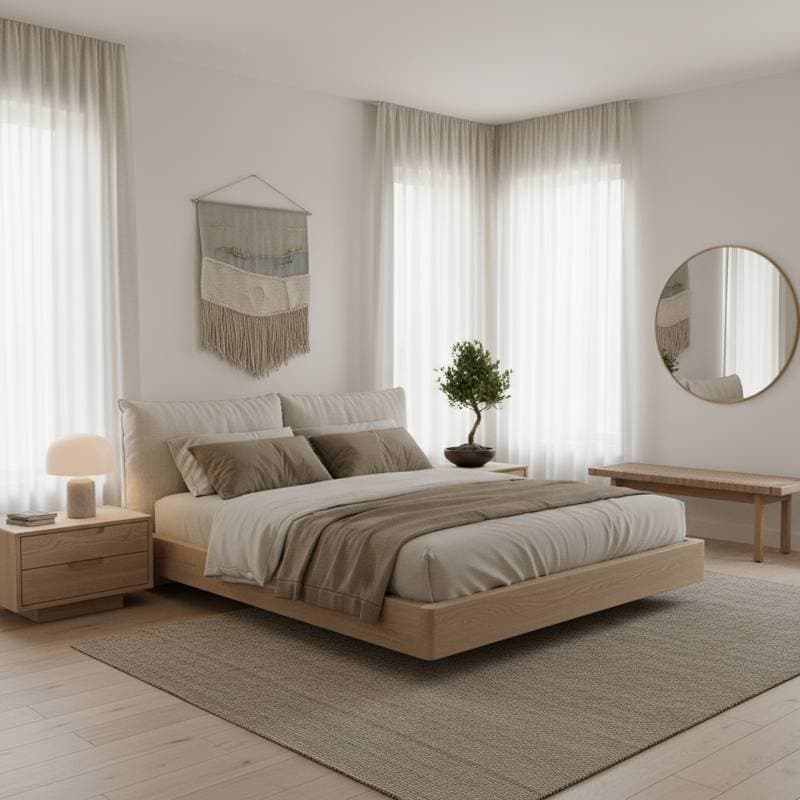
A serene bedroom sanctuary emerges as an essential rather than an extravagance. Japandi style merges Japanese minimalism with Scandinavian coziness, offering homeowners a pathway to tranquility and utility. Through subdued elegance, organic textures, and streamlined configurations, this approach crafts spaces that calm the senses and enhance daily routines. Designers increasingly adopt Japandi principles to harmonize structure, ease, and subtle allure in bedrooms worldwide.
At a Glance
Ideal occupants: Couples or individuals pursuing tranquility and organization
Common settings: City dwellings and suburban residences
Room dimensions: Generally 180 to 300 square feet (17 to 28 square meters)
Influential creators: Studio Kumo, Haus Norden, and freelance designers specializing in organic elements and muted color palettes
Overcoming Bedroom Overload
Homeowners often embrace Japandi minimalism after confronting disarray. Stuffed wardrobes, clashing motifs, and vibrant hues transform bedrooms into chaotic zones instead of havens. Homeowner Alex R. shared insights from a Haus Norden renovation: "Our previous setup seemed confined despite ample size. Too many items served no real purpose."
Frequent issues encompass bulky storage units, inconsistent side tables, and harsh illumination that disrupts rather than invites relaxation. Without cohesive visuals, the space hinders mental unwind, impacting rest quality and emotional well-being. What began as an attempt at vibrancy ends in fatigue for residents.
Core Design Elements
Materials:
- Solid oak, ash, or maple for bases and accents
- Woven cotton, linen, or bamboo fabrics
- Unglazed ceramics and soft plaster surfaces
Fixtures:
- Rice paper shades on hanging lights or recessed wall fixtures
- Concealed LED lines beneath suspended ledges for gentle illumination
- Matte black accents for restrained definition
Storage Solutions:
- Integrated compartments under platforms or seats
- Upright panels that glide rather than hinge
- Sparse shelving displaying select belongings
Innovative Touches:
- Woven rush flooring for adaptable lounging or contemplation
- Neutral-toned linens in dual shades for optical serenity
- Multipurpose wall mounts that serve as decor when idle
Layering Light for Atmosphere
Illumination anchors Japandi aesthetics. Rather than a lone central fixture, experts layer sources to evolve with daily rhythms. Standard arrangements feature adjustable overhead globes, paired flank lights, and compact task lamps. This method echoes daylight shifts, from dawn's haze to dusk's embrace.
Studio Kumo's recent installation highlights a slim LED channel positioned behind the bed's frame, projecting soft rays onto a rough-hewn surface. The result simulates sunrise amid overcast skies. Designer Sato noted, "Such setups attune the body to temporal flows without stark intensity." This subtle cadence fosters deeper sleep and attunes inhabitants to environmental pulses.
Furniture with Intentional Presence
Japandi furnishings embody airy restraint. Forms remain low-slung, narrow, and scaled to preserve ample voids. A bedside surface may consist of a lone cantilevered plank over a bulky dresser. Armoires often employ gliding timber fronts to conserve area and minimize obstruction.
Artisans prioritize custom pieces revealing faint asymmetries. Exposed joinery or nuanced grain patterns convey genuineness. The aim centers on cohesive interplay, not flawless uniformity. Each item appears deliberate, fostering unity within the ensemble.
Efficient Concealment Strategies
Minimalism invites skepticism regarding capacity, yet Japandi bedrooms demonstrate ingenuity in containment. Thoughtful systems render sparseness sustainable.
Proven Tactics:
- Substructure compartments for off-season fabrics or attire.
- Recessed alcoves substituting traditional end units.
- Gliding enclosure fronts optimizing usable ground.
- Suspended pegs and bars for visible yet tidy apparel display.
These methods position necessities accessibly while upholding spaciousness. The environment retains poise through hectic routines.
The Appeal in Contemporary Contexts
Individuals seek havens that nurture renewal and introspection. The bedroom reclaims its essence as a refuge, shedding roles as office or hoard. Japandi minimalism provides a feasible route to this evolution, prioritizing cadence, radiance, and scale over fleeting fashions.
Design scholar Lena Wu remarked, "Japandi's charm resides in its human scale. It accommodates flaws while imposing structure. This equilibrium offers profound comfort." Her perspective illuminates the style's global expansion, suiting compact urban quarters and expansive estates with equal grace.
Implementing Your Vision
To initiate a bedroom evolution, prioritize curation over acquisition. Discard unused or unloved possessions, then assess the essentials. Select restrained hues in earthy tones, prioritize quality illumination, and choose pieces that allow spatial freedom.
Japandi minimalism encourages measured existence. It values discernment above excess, converting the bedroom into a true haven of restoration.