Acoustic Panels: Blending Sound Control with Stunning Wall Art
Living rooms serve as central gathering spots, but persistent noise can disrupt their intended peace. Echoes from hardwood floors amplify conversations, while external traffic or neighborhood sounds intrude on relaxation. Acoustic panels provide an effective remedy by absorbing excess noise and introducing artistic elements that enrich the space.
These panels consist of specialized materials designed to capture sound waves, creating a more balanced auditory environment. Homeowners increasingly select designs that complement their decor, transforming what was once a utilitarian fix into a sophisticated design choice. The result combines acoustic improvement with visual appeal, making rooms feel more inviting and controlled.
The Appeal of Integrated Sound and Style
Beyond basic noise reduction, acoustic panels function as architectural accents that harmonize form and function. Constructed from porous fabrics or foams wrapped in aesthetic coverings, they prevent sound from reverberating harshly. This absorption clarifies speech and softens ambient noise, allowing natural acoustics to emerge without overwhelming volume.
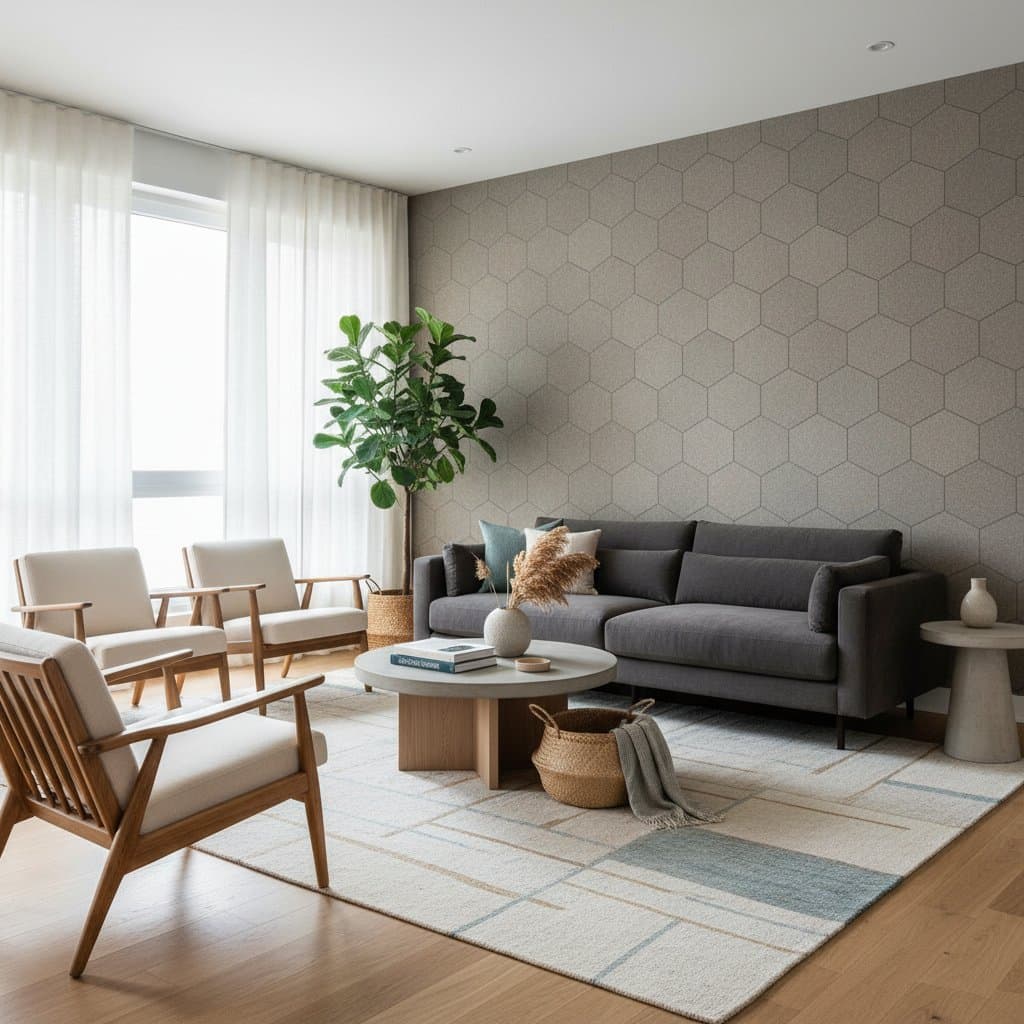
Visualize a feature wall adorned with hexagonal panels in muted earth tones, mimicking a woven tapestry, or asymmetrical arrangements in metallic hues that reflect subtle light. Such installations replace traditional paintings or prints, offering a custom gallery effect. By strategically placing panels, you achieve both sonic clarity and a cohesive room narrative.
Selecting Panels to Match Your Vision
Variety defines the market for acoustic panels, enabling precise alignment with personal taste and room dynamics. Start by evaluating the existing color palette and lighting to ensure seamless integration. Focus on how the panels will interact with furniture and lighting fixtures for optimal impact.
Key selection factors include:
- Color Choices: Opt for pastel shades to promote serenity in high-traffic areas, or jewel tones like sapphire blue to inject energy into neutral schemes.
- Material Textures: Wool blends offer a tactile, insulating quality ideal for cozy setups, whereas synthetic fabrics provide durability and ease of cleaning in family rooms.
- Geometric Forms: Linear strips work well in contemporary spaces for a streamlined appearance, while organic shapes like circles introduce fluidity to traditional layouts.
- Coverage Strategies: Cluster panels to create abstract murals, or distribute them evenly to treat multiple reflection points without dominating the view.
For understated elegance, select panels that echo trim colors; for drama, choose contrasting motifs that draw the eye. Testing samples in your lighting conditions reveals how they alter the room's perceived depth and warmth.
Effortless Installation Techniques
Enhancing acoustics requires minimal disruption, as most panels attach via user-friendly methods. Adhesive hooks or double-sided tapes secure lightweight options without wall damage, perfect for leased properties. For permanence, use discreet mounting brackets that align with studs for stability.
Dedicate time to experimentation: Position panels temporarily with painter's tape to assess visual and auditory effects. Target primary noise sources, such as the wall opposite open windows or adjacent to entertainment systems. A configuration covering 20 to 30 percent of wall space often yields significant improvements in echo reduction.
Begin with a focal area, like the expanse behind seating, to experience immediate benefits. If residual reverberation persists, incorporate edge treatments or ceiling tiles to address vertical sound paths. This phased approach allows gradual refinement without overwhelming the project.
Enhancing Everyday Experiences Through Acoustics
Acoustic panels elevate more than sound levels; they cultivate an atmosphere conducive to well-being. Reduced background interference supports focused interactions, whether during family discussions or solitary reading sessions. The space transitions from chaotic to contemplative, fostering deeper engagement with activities.
Media consumption benefits notably, as panels minimize distortions for richer audio playback. Music reveals nuanced layers without muddiness, and dialogue in films gains precision. Routine moments, from brewing coffee to hosting guests, gain a layer of comfort when auditory clutter diminishes.
Addressing Practical Concerns
Skepticism about aesthetics often deters potential users, yet contemporary panels dispel outdated notions of stark, clinical appearances. Artisanal options feature embroidered details or photographic prints, blending seamlessly with gallery walls. Custom fabrication services allow replication of favorite patterns, ensuring harmony with existing art collections.
Budget considerations are valid, but scalable solutions exist. Entry-level sets start affordably, with premium custom pieces reserved for larger investments. View them as dual-purpose assets: acoustic performers that also appreciate in design value over time. Removable installations preserve flexibility, enabling relocation as needs evolve.
Step-by-Step Guide to Implementation
Transform your living room acoustics through a structured weekend endeavor.
- Evaluate Current Acoustics: Stand in the center and produce a sharp sound, such as a handclap, to identify echo hotspots. Note walls that prolong reverberation.
- Dimension the Area: Use a tape measure to outline potential panel zones, accounting for furniture placement to avoid obstruction.
- Source Appropriate Options: Browse suppliers for samples matching your thematic preferences, prioritizing eco-friendly or hypoallergenic materials if relevant.
- Prototype Arrangements: Sketch or physically mock up layouts on paper or the floor, experimenting with symmetry and scale.
- Mount and Test: Apply hardware securely, then play audio sources to gauge changes. Reposition as needed for balanced coverage.
Completion brings a refreshed environment where sound and sight align effortlessly.
Embracing Balanced Living Spaces
With acoustic panels in place, observe the subtle shifts in daily rhythm. Conversations flow naturally without strain, and quiet interludes deepen. The panels' artistic presence reinforces a sense of intentional design, turning walls into active contributors to harmony.
This integration proves that effective sound management need not compromise style. It invites ongoing appreciation for a space that nurtures both mind and ear.