Why Acoustic Panels Are Home Decor's New Star
Imagine completing the arrangement of your living room, with colors in perfect balance, furniture offering ample comfort, and lighting casting a welcoming glow. Despite these efforts, an subtle unease persists, perhaps from lingering echoes or a stark quality that undermines the intended warmth. Acoustic panels address this issue effectively, converting a resonant, empty space into one that feels tranquil and engaging.
Homeowners increasingly adopt acoustic panels not solely for noise reduction but to refine the overall ambiance and daily experience within a room. These elements serve a dual role by dampening sound waves while introducing layers of visual texture and depth. Consider their application in a focused home office, an immersive living area for media viewing, or a soothing bedroom environment; in each case, panels integrate comfort with elegance seamlessly.
The Evolution of Acoustic Design
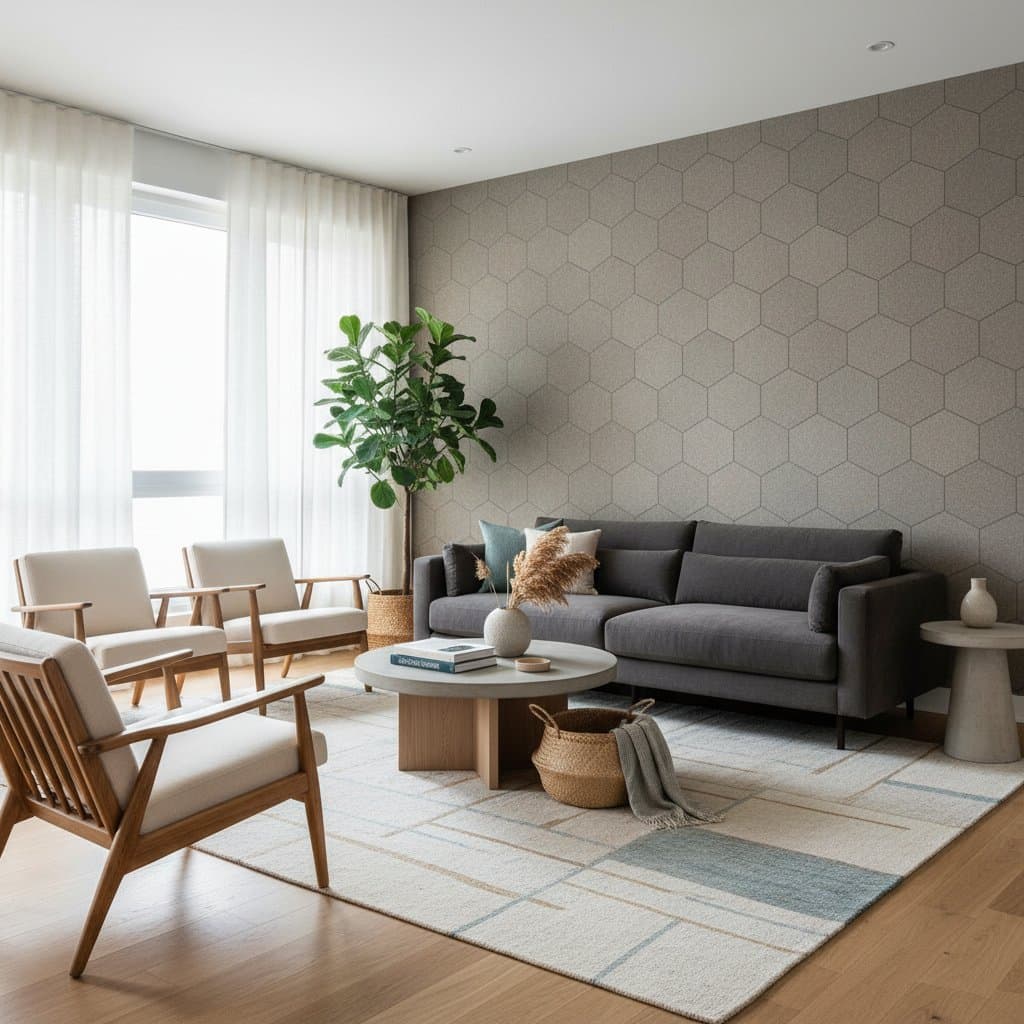
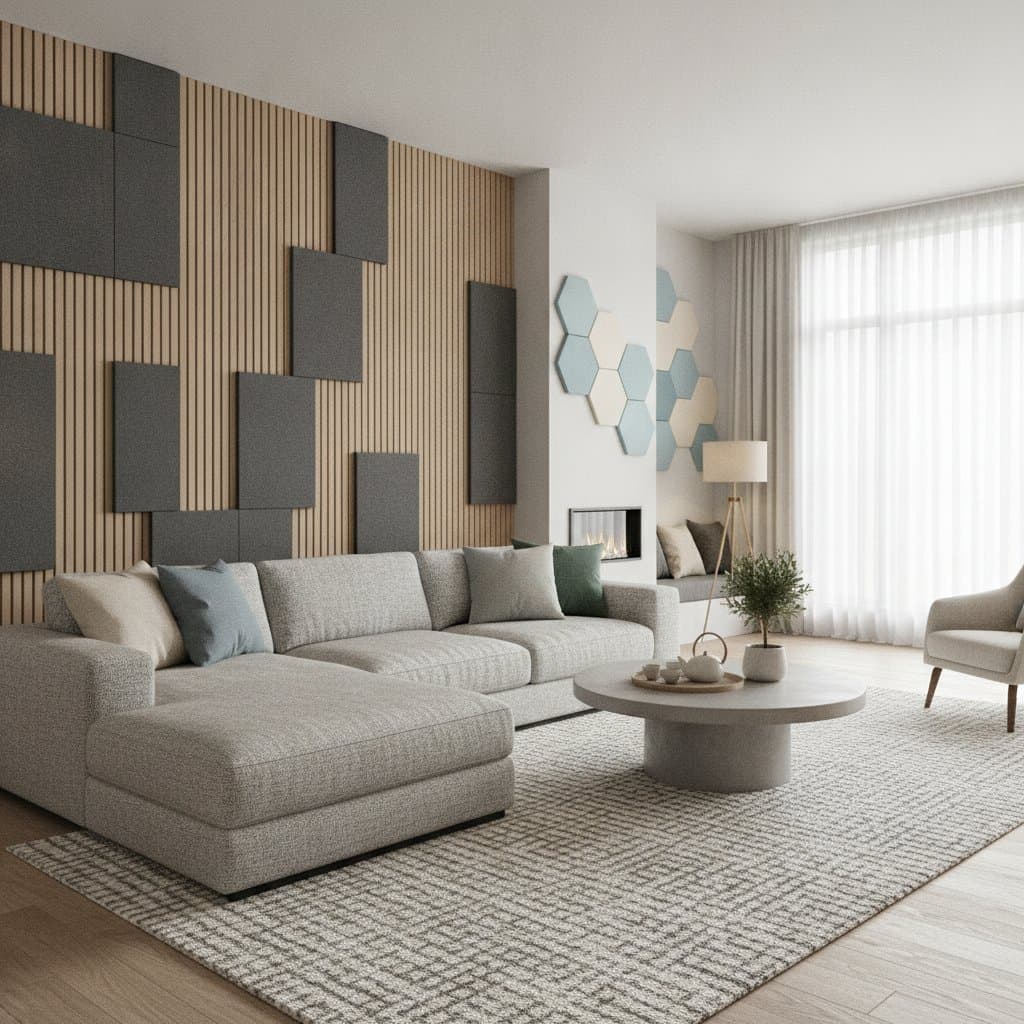
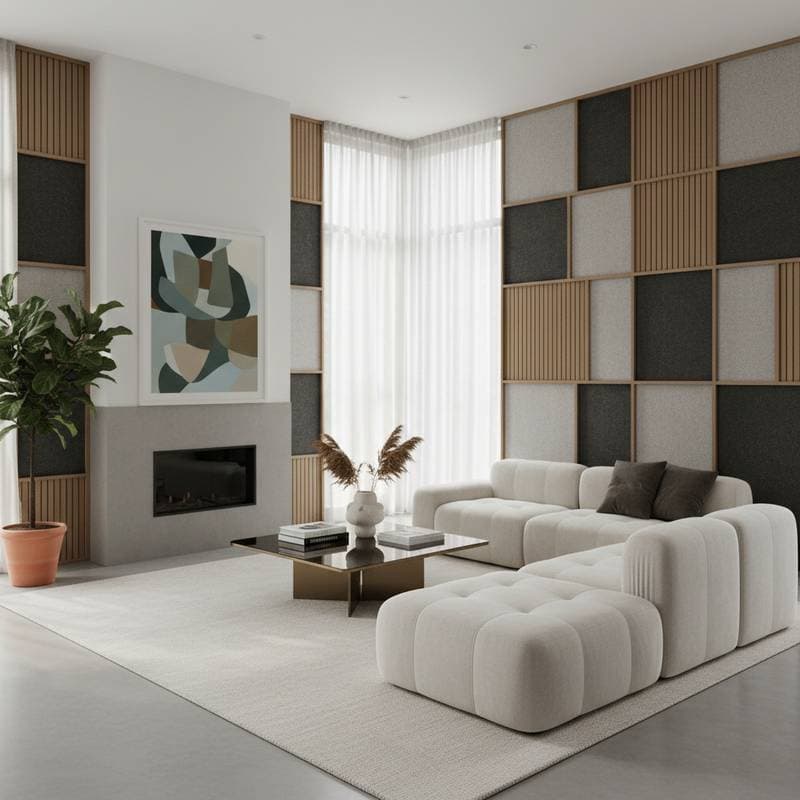
Historically confined to recording studios and performance venues, acoustic panels have advanced into versatile decorative components that attract style-savvy residents. Contemporary versions fuse artistic expression with practical utility, incorporating luxurious textiles, wood finishes, or innovative shapes comparable to fine artwork. Options range from geometric tile configurations and fabric-covered frames to sleek wooden lattice designs.
Interior specialists now position these panels as integral decor layers rather than mere functional additions. They harmonize with existing furnishings, mirror structural motifs, and often spark discussions among guests. Styles adapt to diverse preferences, such as serene seaside influences, sophisticated city aesthetics, or cozy countryside vibes, ensuring seamless integration into any scheme.
To select appropriately, evaluate room dimensions and primary activities. For instance, in a spacious open-plan area, larger panels mounted on ceilings can distribute absorption evenly. In compact spaces, wall-mounted versions in complementary hues maintain openness while curbing sound bounce.
Balancing Budget and Performance
Pricing for acoustic panels fluctuates based on composition, aesthetic features, and required surface area. Basic fabric-wrapped models begin at affordable rates per square foot, whereas bespoke decorative units command premium investments.
Budget-conscious individuals should initiate with targeted placements. Focus on high-impact zones like the wall behind seating or the area above sleeping quarters. Incremental additions yield noticeable improvements in acoustics without straining resources.
For elevated choices, explore tailored woodwork panels or those incorporating subtle illumination, functioning as sculptural accents. Such selections amplify both auditory quality and visual appeal.
Obtain estimates from several providers and review guarantees on materials. Regional specialists, attuned to local environmental factors like moisture and temperature, suggest durable finishes that withstand time gracefully. Compare options by calculating cost per effective square foot of sound absorption to maximize value.
Local Climate and Material Choices
Environmental conditions extend beyond personal comfort to impact material longevity and efficacy. In areas with high humidity, opt for panels featuring water-repellent treatments on wood bases or durable synthetic coverings. These resist mold and maintain integrity over seasons.
In arid settings, materials like wool or cotton excel, providing superior sound dampening through natural porosity while allowing air circulation. Homes subject to significant thermal variations benefit from panels with robust substrates, such as medium-density fiberboard or recycled polyester felt, which resist distortion or delamination.
Consult area experts for tailored recommendations. They assess specific challenges, like coastal salt exposure or desert dust, and propose coatings or constructions that ensure sustained performance. Testing samples in your space confirms compatibility with lighting and existing decor.
Partnering with Professionals
Although self-installation suits minor undertakings, expansive or intricate rooms demand professional insight. An acoustics advisor or certified installer evaluates echo patterns, recommends synergistic product mixes, and designs coverage for optimal results.
Utilize a complimentary service to match with reliable contractors experienced in design and sound management. All participants undergo rigorous screening, allowing confident progression on your project.
Professionals conduct site visits to map sound paths and simulate outcomes using software tools. They handle permits if needed and provide post-installation tuning to refine the acoustic profile precisely.
The Broader Benefits of Acoustic Comfort
Effective sound management fosters tranquility, concentration, and meaningful interactions. Family gatherings proceed without auditory distractions, enabling relaxed engagement. Professional tasks demand less effort amid reduced background noise, and sleep quality improves in quieter environs. Dialogues gain intimacy as speech clarity enhances natural tone.
Ultimately, acoustic panels elevate residences to true refuges. They unite visual allure with sensory functionality, demonstrating that spatial harmony encompasses auditory elements as vitally as visual ones.
Consider measurable gains: studies indicate lower noise levels correlate with decreased stress and heightened productivity. In homes, this translates to more enjoyable routines and enduring satisfaction.
Steps to Integrate Acoustic Panels Effectively
Recall entering a space that instantly soothes, often due to subtle acoustic balance contributing to the allure. Achieve similar effects through deliberate selection and implementation.
Begin by identifying problem areas through simple tests, like clapping to detect echoes. Survey styles aligning with your palette, from neutral tones for versatility to vibrant accents for personality.
When prepared to proceed, engage local specialists via the contractor-matching platform. Their expertise ensures your space evolves into a harmonious extension of your lifestyle, enhanced panel by panel.