Understanding Grounding Floors and Their Role in Bedroom Wellness
Bedrooms serve as essential havens for rest and rejuvenation. In recent years, homeowners have increasingly sought ways to infuse these spaces with natural harmony. Grounding floors emerge as a key element in this pursuit, drawing from the principles of earthing to foster a direct connection with the earth's subtle electrical energy.
This approach extends beyond aesthetics. It emphasizes the use of organic materials that promote physical and emotional equilibrium. By selecting floors that mimic the earth's surface, individuals create environments where the body feels anchored, leading to reduced tension and heightened sensory awareness.
Benefits of Natural Materials for Sensory Engagement
Natural flooring materials interact with the body in profound ways, influencing daily rhythms and overall well-being. Their inherent properties provide a foundation for calm that synthetic alternatives often lack.
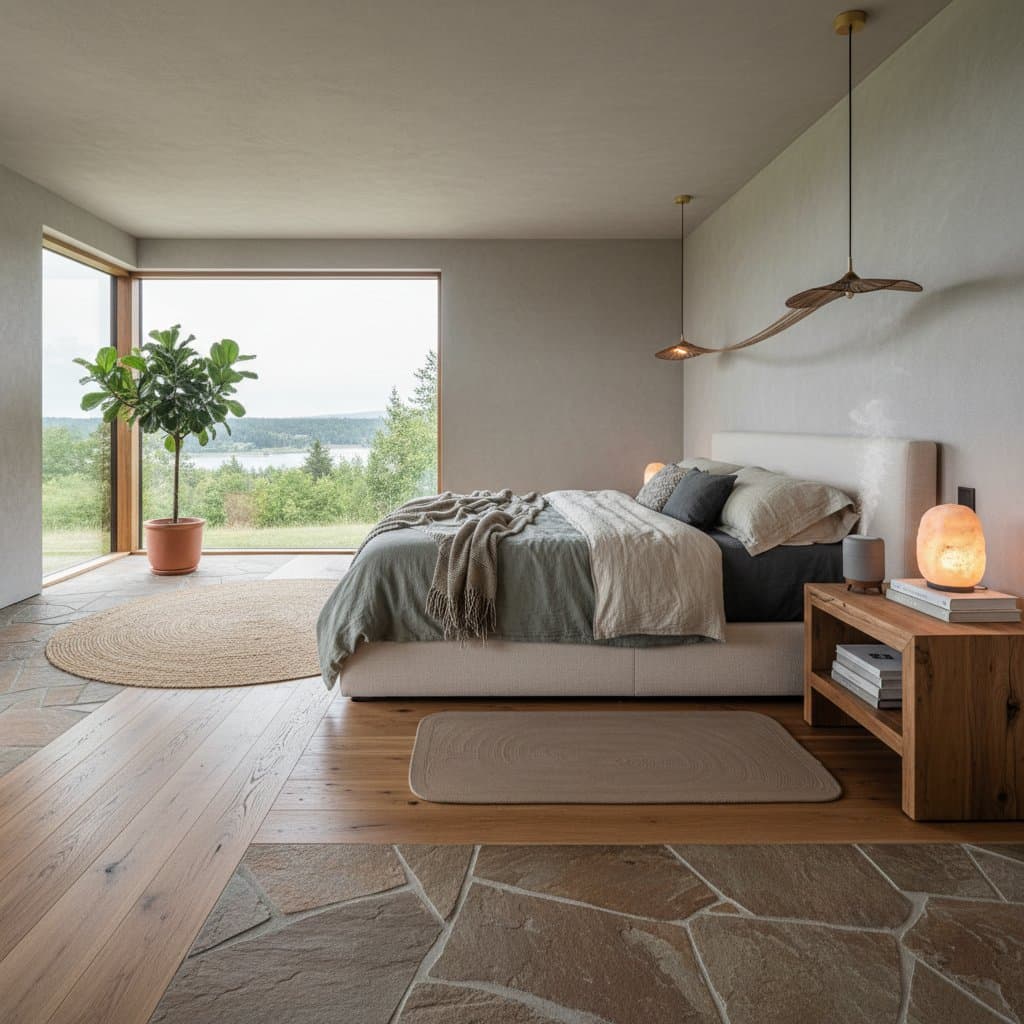
Wooden floors, for instance, offer a warm resonance underfoot, absorbing sound and evoking the stability of forest paths. Stone surfaces deliver a grounding coolness, ideal for maintaining composure during humid evenings or meditative practices. Options like cork and bamboo introduce resilience and subtle give, supporting joint health during yoga sequences or casual pacing.
These elements extend their influence through visual and thermal cues. The varied grains and hues in natural floors encourage a slower pace, transforming routine movements into opportunities for presence. Over time, such surfaces contribute to lower cortisol levels and more consistent sleep patterns, as supported by wellness research on biophilic design.
Practical Design Strategies for Implementing Grounding Floors
Incorporating grounding principles requires thoughtful yet accessible decisions. Homeowners can begin with targeted updates to achieve noticeable shifts without extensive overhauls.
Selecting Authentic Materials
Prioritize solid, untreated options such as oak planks, slate tiles, or linoleum derived from natural linseed. These choices ensure durability and authenticity, allowing the floor to evolve with patina that reflects lived experience. Avoid laminates that mimic nature superficially, as they fail to deliver the tactile feedback essential for true grounding.
Integrating Textural Layers
Enhance the base layer with rugs crafted from organic sources like sisal or undyed wool. Position these in high-traffic zones to buffer impact while permitting direct contact in quieter areas. Opt for neutral weaves that harmonize with the floor's palette, preventing visual clutter that disrupts serenity.
Harmonizing Color Schemes
Draw from earth's palette: muted terracottas, soft grays, and warm beiges that echo clay and granite. Apply these to adjacent walls or furnishings to create cohesion. This tonal restraint amplifies the floor's role as an anchor, drawing the eye downward and promoting introspection.
Minimizing Environmental Impact
Choose sealants based on plant-derived waxes or water-based formulas with zero volatile organic compounds. These protect against wear while safeguarding indoor air quality. Regular maintenance with mild, natural cleaners preserves the material's integrity and sensory appeal.
Cultivating Barefoot Practices
Designate zones for direct contact, such as beside the bed or near a window. Incorporate this into routines by allocating time for standing meditation, where feet press evenly against the surface. This simple habit reinforces the neural pathways associated with relaxation.
Daily Rituals to Amplify Grounding Effects
Grounding extends into habitual actions that deepen the bond between body and space. These practices transform the floor from a passive element into an active participant in wellness.
Begin mornings with a five-minute stance: plant feet firmly, inhale deeply through the nose, and exhale to release overnight stagnation. This aligns circadian rhythms and sets a composed tone for the day.
In evenings, transition to floor-based unwinding: recline on a woven mat for gentle twists or forward folds, allowing the surface's firmness to guide alignment. Such sessions ease muscular knots accumulated from daily activities.
Dedicate weekly moments to maintenance as mindfulness: use a soft-bristle broom to clear debris, visualizing the removal of mental residue. Follow with a damp cloth infused with essential oils like lavender, turning upkeep into a sensory ritual that honors the space.
Extending Grounding Principles Beyond the Bedroom
The serenity derived from grounding floors often inspires broader applications. Consider replicating these elements in adjacent areas, such as a home office with bamboo accents or a living room featuring terracotta underlays.
Bridge indoor and outdoor realms by incorporating transitional thresholds, like stone pathways leading to patios. Daily excursions onto natural terrain, such as dewy lawns at dawn, reinforce the internal connection, creating a seamless flow of earth's energy.
Observe how these extensions influence posture and pace. Movements become deliberate, fostering a holistic sense of rootedness that permeates all home interactions.
Sustaining Wellness Through Grounded Spaces
Grounding floors offer enduring support for physical and mental health. Their natural compositions provide consistent cues for pause amid modern haste. Bedrooms evolve into true refuges, where each interaction with the floor reinforces equilibrium.
Start with incremental adjustments: swap a single area rug or polish an existing wood expanse. Track the subtle changes in sleep depth or daily stress through a simple journal. These efforts build a resilient foundation, inviting nature's restorative power into everyday life.