Grounding Mats Enhance Sleep Through Earth's Natural Connection
Homeowners increasingly prioritize comprehensive rest strategies that extend beyond mattresses and linens to include foundational elements. Grounding mats, known also as earthing mats, emerge as a subtle yet effective addition to contemporary bedrooms. These surfaces facilitate a direct link between the body and the Earth's electrical charge, a practice rooted in wellness traditions now gaining traction in interior design. Users frequently note stabilized energy levels, reduced nervousness, and more profound sleep after incorporating these mats.
Visually, a grounding mat resembles a slim, adaptable pad or under-mattress layer. Its core innovation stems from embedded conductive elements, such as carbon-infused synthetic leather or fabrics woven with silver threads. Proper connection to a home's grounding outlet or an external rod allows the mat to transfer electrons from the Earth through the body, replicating the benefits of barefoot contact with natural terrain like grass or beach sand. Interior specialists incorporate these mats discreetly, preserving room aesthetics while introducing elemental wellness.
Challenges in Traditional Bedroom Rest
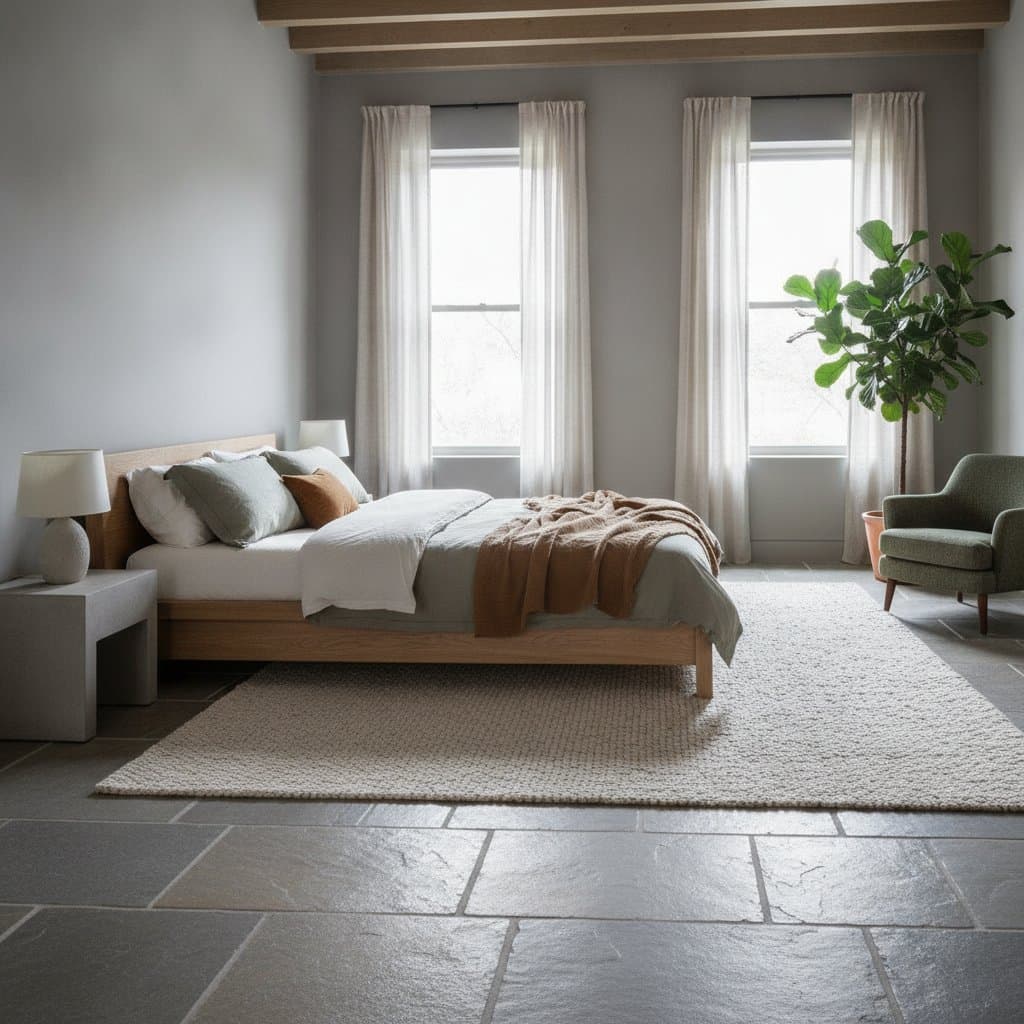
Contemporary bedrooms often project tranquility through pale walls, textured fabrics, and ambient illumination. However, many occupants experience underlying agitation despite these features. Proximity to screens, static-accumulating synthetic floors, and radiant heating systems contribute to this discord.
Interior designer Laura Kent from Studio Rest observes, “Clients describe their bedrooms as visually peaceful yet lacking true stability. The environment appears serene but fails to provide grounding.” She attributes this to minor electrical disruptions from insulated furnishings, gadgets, and artificial textiles, which disrupt the body's innate balance achieved through outdoor earth contact.
Prior to accessible grounding mat designs, indoor earthing proved challenging. Surfaces like hardwood, ceramic tiles, or carpeted concrete impede electron flow. Those seeking grounding benefits resorted to outdoor barefoot sessions or cumbersome setups incompatible with interior harmony.
Key Design Specifications
Material Options:
- Carbon-infused leatherette offers a supple, durable vegan alternative that withstands daily use.
- Silver-threaded cotton provides a subtle, organic appearance suitable for bedding integration.
- Conductive fiber-infused polyurethane ensures longevity and simplifies hygiene routines.
Connection Approaches:
- Plug into a standard grounded outlet equipped with a safety resistor.
- Employ an outdoor rod for enhanced direct earth linkage.
Strategic Placements:
- Position under a fitted sheet to enable full-body exposure during slumber.
- Place beneath a bedside rug for morning foot contact.
- Embed within a reading chair or meditation pad for targeted sessions.
Care Instructions:
- Clean using a moist cloth; steer clear of abrasive cleaners that impair conductivity.
- Verify functionality periodically with a dedicated tester.
Investment Overview:
- Entry-level models align with premium bedding expenses.
- Tailored setups involving concealed wiring or expanded areas approximate minor flooring investments.
Scientific Foundations and User Experiences
The earthing process operates on the premise that physical contact with the Earth regulates the body's bioelectrical environment. Barefoot interaction with soil or sand supplies free electrons, potentially countering positive charges from daily exposures. This mechanism may influence hormonal patterns, including cortisol fluctuations and sleep-wake cycles.
Although research continues to evolve, participants commonly report tangible sensations akin to post-beach relaxation or outdoor repose. A well-linked mat replicates this indoors, with effects amplified by minimizing barriers such as dense toppers or insulating footwear.
In design applications, grounding mats introduce a sensory depth that harmonizes with organic elements. Designer Reed shares, “We positioned grounding mats as an unseen base, then selected complementary features like plaster finishes, organic linens, and eco-friendly paints. The room functions as a cohesive support for rejuvenation.”
Steps for Seamless Bedroom Integration
1. Determine Optimal Positioning
Assess primary contact zones, such as the sleeping area for mattresses or floor spaces for lounging. Select a mat size that spans the core and lower body for sustained interaction. Accurate measurements prevent gaps in coverage.
2. Align with Existing Decor
Available in understated shades like slate, neutral taupe, or ebony, mats blend under linens or match floor tones. For exposed uses, opt for finishes mimicking upholstery or accents in the vicinity.
3. Manage Wiring Discreetly
Route cords along bed frames or skirtings, employing color-matched conduits for invisibility. In cases of distant outlets, utilize grounded extensions that prioritize safety without compromising elegance.
4. Incorporate Complementary Layers
Combine with breathable cottons, woolen area rugs, or bamboo bases to boost both tactile appeal and electron transfer. Eliminate obstructive synthetics or foams to maintain efficacy.
5. Establish Routine Checks
Employ included testers to confirm connections; a illuminated indicator signals success. Consistent upkeep preserves performance and material integrity.
Emerging Interest Among Design Professionals
Grounding mats align with the rising emphasis on multisensory health in spatial planning. Similar to adaptive lighting that syncs with biological clocks, these mats embed physiological support into living areas. Their unobtrusive nature avoids technological intrusion, fostering rest amid minimalism.
Designer Kent highlights their draw for understated health solutions. “These mats operate silently without lights or sounds, integrating as foundational elements,” she notes. This aligns with trends favoring functional bedrooms over ostentatious displays.
Photographer Elise Tran, who captures earthing-inspired settings, remarks on perceptual shifts. “Such rooms convey tranquility in imagery, with subdued static and gentler fabric renders,” she says. This observation echoes the serene ambiance reported by inhabitants.
Practical Considerations and Limitations
Installation proves straightforward, though precise positioning and verification remain essential. Residences lacking grounded wiring benefit from electrician assessments. Outdoor rods offer purer links but necessitate minor exterior adaptations like window conduits.
Upkeep demands attention to avoid residue buildup from skincare products or cleaners. Periodic replacements safeguard reliability. Financially, mats surpass basic accessories yet fall short of extensive remodels.
For transient dwellers or cautious adopters, movable mats provide entry points, deployable under workspaces or bed edges and easily relocated.
Maintenance and Storage Practices
- Coil portable units to safeguard borders during inactivity.
- Organize leads with clips or fasteners adjacent to fixtures.
- House testers and care items in accessible nightstand compartments.
These routines embed the system into everyday use, preventing neglect.
Sustaining Wellness Through Design
Integrated grounding mats form a subtle wellness infrastructure. Residents often cite incremental sleep gains, including reduced interruptions and eased evening transitions. The setup inspires intentional habits, such as early shoeless routines, device distancing, and fabric selections that amplify benefits.
This methodology redefines rest spaces as dynamic recovery zones. Conductive bases, organic integrations, and restrained aesthetics cultivate a serene, recalibrating retreat. Designers leverage mats to bridge wellness, technical, and aesthetic expertise for holistic comfort. Homeowners gain an accessible path to indoor earth attunement, rooting daily existence in enduring stability.
As Kent concludes, “Effective design achieves visual and sensory grounding.” In twilight hues, with direct contact to a steady, electron-rich plane, this principle manifests as nightly bodily renewal.