Why Gen Z Chooses Patterned Bathrooms Over Minimalism
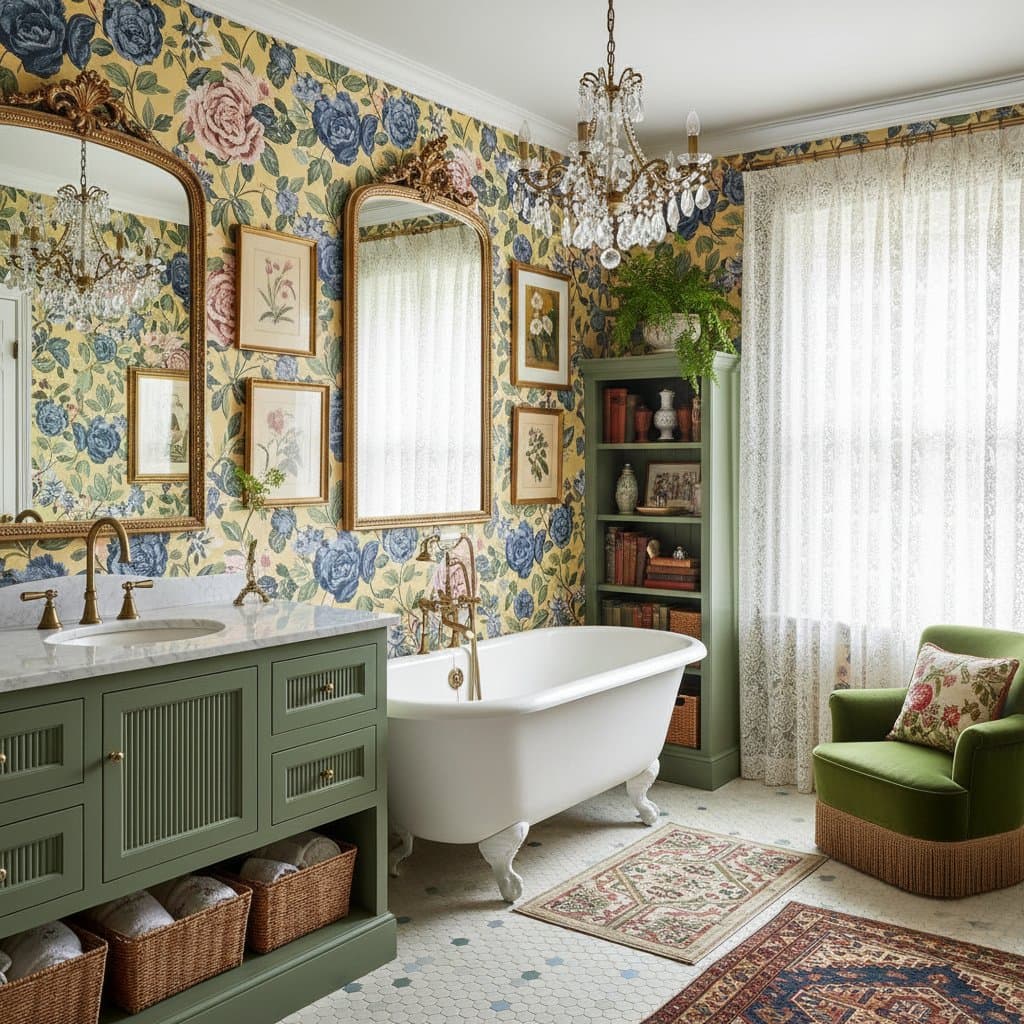
Young homeowners from Generation Z move beyond stark, gray minimalist bathrooms. They embrace patterns, colors, and nostalgic elements for greater comfort. The grandmillennial bathroom features floral wallpaper, scalloped mirrors, and pleated shades. This approach highlights authenticity and warmth in a space once viewed solely as functional.
The popularity of this style goes beyond a simple revival of traditional aesthetics. Young adults now view luxury as personal and narrative-driven rather than focused on flawless, sleek finishes. A bathroom becomes a soothing retreat that engages the senses, transforming preparation routines into moments of delight.
Key Reasons for Gen Z Appeal
Generation Z experienced a world of constant digital evolution during their formative years. Many now turn to familiar, comforting designs as an antidote. The grandmillennial style provides a tangible contrast to the polished perfection of online platforms. Its intentional imperfections invite touch and presence.
Specific attributes draw this generation to the aesthetic:
- Links to heritage. Vintage fixtures and fabrics inspired by family heirlooms summon recollections of relaxed paces and durable goods from earlier eras.
- Eco-conscious practices. Restoring items like antique mirrors or clawfoot tubs aligns with priorities around reuse and reduced environmental impact.
- Personal expression. Each space emerges unique through blended patterns and historical influences, allowing owners to craft a singular identity.
- Sensory indulgence. Soft fabrics, warm metallic tones, and diffused lighting elevate everyday tasks into luxurious experiences.
This design resonates with Generation Z's passion for narrative elements. A patterned wallpaper might echo a childhood garden, while a refinished vanity carries generational history through updated accents. Such details foster a profound sense of connection, which sparse minimalism rarely achieves.
Enduring Materials and Finishes
Grandmillennial bathrooms prioritize materials that invite interaction and develop character with time. Selections emphasize natural aging over pristine uniformity, creating depth through use.
Typical choices encompass:
- Marble and soapstone surfaces. These natural stones reveal intricate veining and gentle patina, enhancing authenticity as they mature.
- Hand-glazed ceramic tiles. Subtle shifts in color across tiles introduce organic movement and visual interest to vertical planes.
- Polished brass or unlacquered bronze fittings. These alloys evolve in hue with exposure, offering a living finish that complements daily routines.
- Layered textiles. Embroidered linens, patterned drapery, or fringed accents introduce plushness against rigid architectures.
Interior designer Lila Park observes, "We layer materials the way you would in a living room. It brings warmth to a space that can otherwise feel cold."
Color schemes favor muted tones such as soft creams, sage greens, faded roses, and weathered blues. These shades draw from antique dishware or aged illustrations. Repeating select hues in accessories like linens, artwork, and fixtures ensures harmony without rigid matching.
Effective Storage Solutions
Storage integrates seamlessly to support both form and function in these designs. While curated displays enhance the aesthetic, disorganization undermines it. Professionals employ targeted methods to maintain order:
- Custom cabinetry with ornate details. Intricate paneling and metal hardware conceal compartments while evoking furniture heritage.
- Wall-recessed mirrored cabinets. These preserve elegant lines and tuck away necessities without visual disruption.
- Woven under-sink organizers. Baskets from natural materials corral items accessibly yet neatly.
- Heirloom-inspired vessels. Glass or ceramic holders for sundries contribute elegance alongside utility.
Such approaches let ornamental features take center stage. Functionality persists without dominating the ambiance.
Incorporating the Style Affordably
Homeowners eager to adopt grandmillennial elements need not undertake major overhauls. Targeted updates yield noticeable shifts in mood and character.
Consider these steps:
- Refresh hardware elements. Replace standard pulls with aged brass or ceramic alternatives for instant elegance.
- Introduce patterned accents. Select a blooming shower liner, mount a botanical etching, or apply wallpaper to a single surface.
- Blend contemporary and classic pieces. Pair a sleek basin with an aged looking glass, or match a traditional soaker with bold mosaic flooring.
- Build texture through fabrics. Incorporate area mats, coordinated linens, and valence treatments to dampen hard acoustics.
- Incorporate meaningful keepsakes. Position a petite vessel, display a cherished portrait, or arrange a relic scent container to infuse personality.
Balance remains essential. Curate thoughtfully to avoid excess ornamentation, which can dominate, or sparsity, which leaves spaces incomplete. Aim for thoughtful assembly over accumulation.
The Lasting Value of Grandmillennial Design
Grandmillennial bathrooms gain appeal through their adaptive aging. Fixtures warm with patina, fabrics yield to gentle wear, and motifs endure across trends. For Generation Z, this durability promotes mindful consumption and deeper home attachments.
The aesthetic elevates routine practices into intentional acts. Sunlight filtering through lace panels in the morning or steam rising amid flickering flames in the evening create serene interludes. Craftsmanship paired with evocative details yields environments that blend reassurance with innovation.
Emerging creators continue to adapt these foundations, drawing from rural idylls or seaside reminiscences. All variations honor precision and ease. Amid fast-paced, stripped-back norms, these bathrooms advocate for deliberate appreciation of enduring beauty.