Gen Z's Vintage Obsession: Grandmillennial Bedroom Style
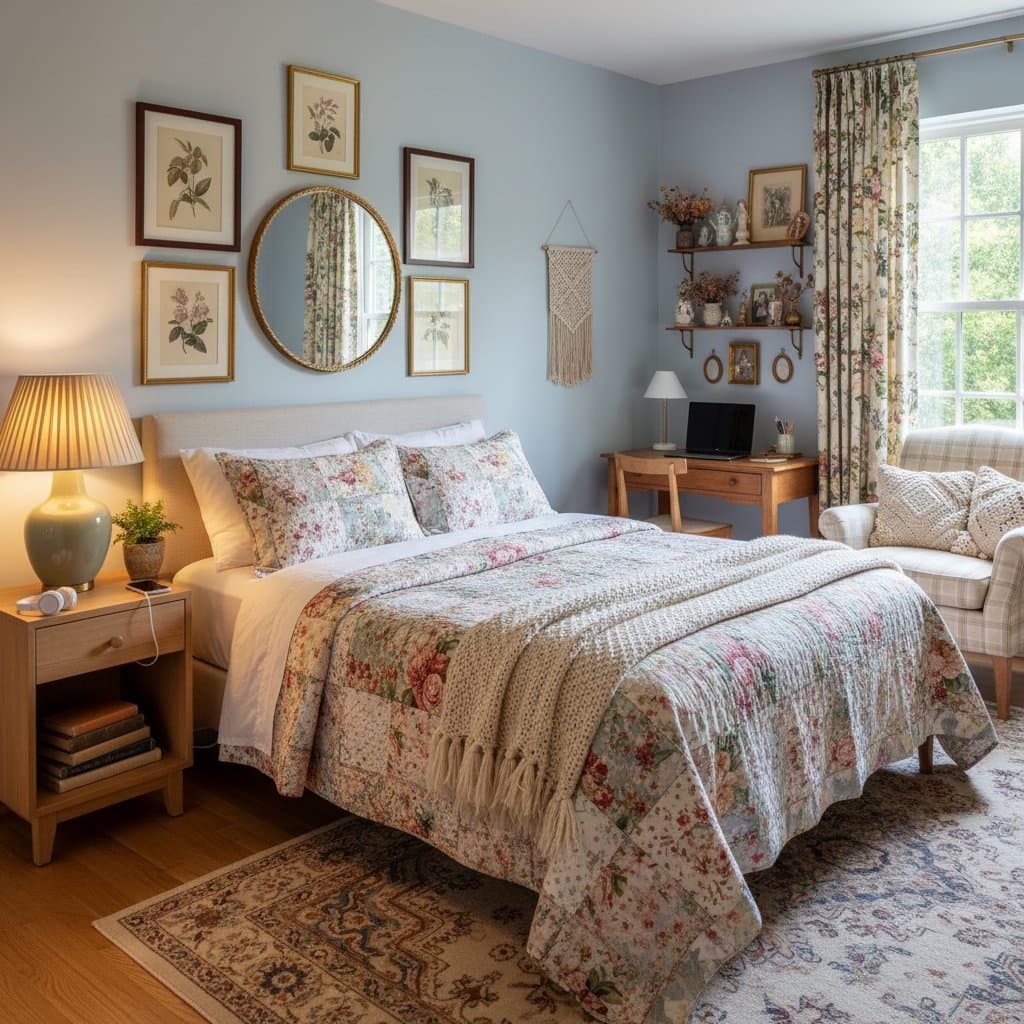
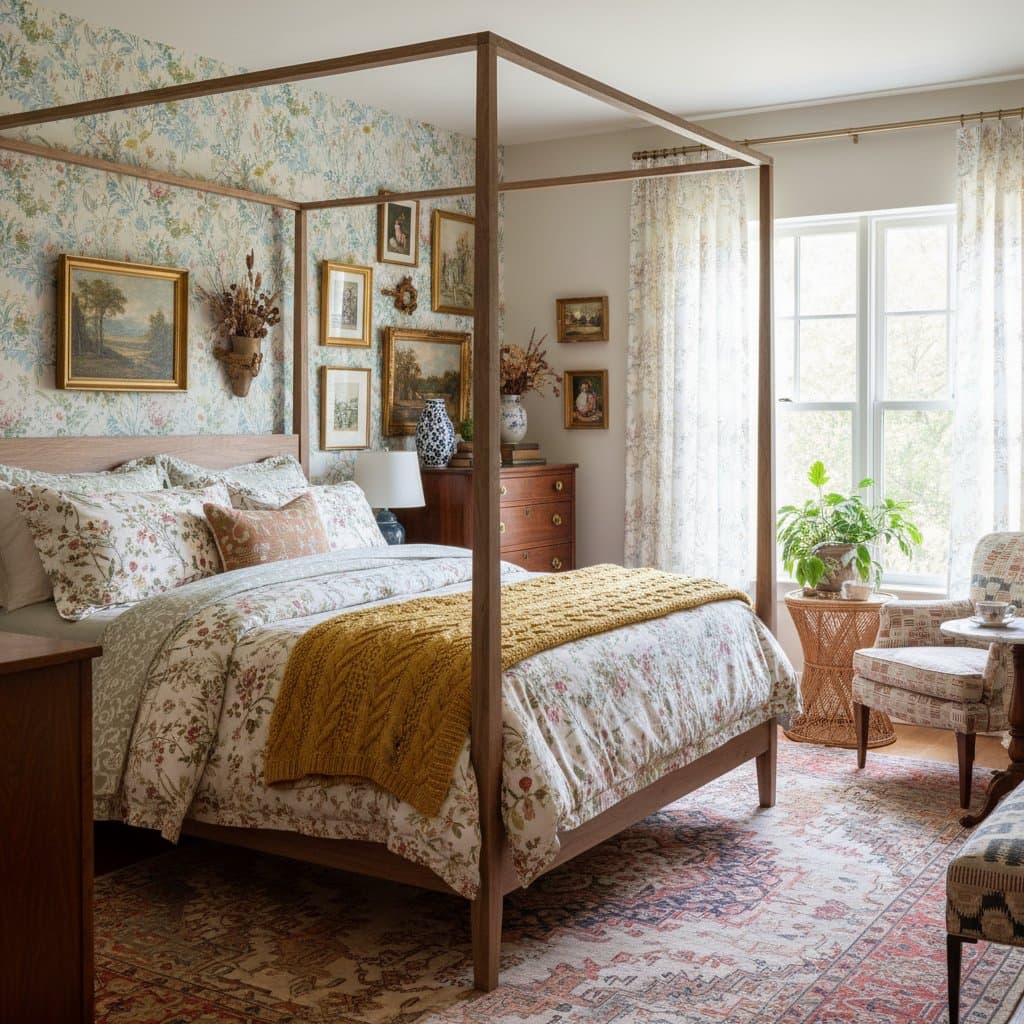
Imagine walking into a bedroom that evokes your grandmother's cottage, yet incorporates clean lines and intentional layering reminiscent of a boutique hotel. A floral quilt drapes across the bed, a rattan chair sits by the window, and the faint scent of linen spray lingers in the air. The space feels familiar yet refreshingly new. This essence defines Grandmillennial bedroom style, a trend captivating Gen Z and transforming nostalgia into a bold design statement.
As you scroll through design inspiration, chintz, pleats, and embroidered pillows appear frequently. You might question why a generation associated with minimalism now embraces what was once termed granny chic. This vintage revival stems from a desire for comfort, individuality, and storytelling through decor, rather than irony or kitsch.
Why Gen Z Embraces Grandmillennial Style
The appeal arises from its fusion of tradition and self-expression. Younger homeowners and renters often tire of sterile spaces filled with gray tones and sleek furniture. They seek warmth, pattern, and history, which Grandmillennial style delivers by blending heirloom aesthetics with modern elements.
This approach extends beyond collecting vintage pieces to curating a personal, grounded space. Floral wallpaper might coexist with a minimalist sconce on the same wall. A hand-me-down vanity could pair with a sleek acrylic chair. Such combinations create deliberate visual tension that invites and engages.
Defining Elements of a Grandmillennial Bedroom
Every Grandmillennial bedroom conveys a unique story, yet certain details impart its distinctive charm.
-
Pattern on Pattern
Layer florals, stripes, and gingham thoughtfully to achieve harmony through contrast rather than exact matches. Position a floral duvet against striped shams, and place a plaid throw at the bed's foot. This technique builds visual interest without overwhelming the eye. -
Soft Color Palettes with a Twist
Creams, soft pinks, muted greens, and buttery yellows form the base palette. Introduce bolder accents, such as emerald lamps or navy trim, to maintain freshness and avoid a dated appearance. -
Antique and Vintage Furniture
Select a carved wooden dresser, brass bed frame, or vanity with curved legs to anchor the room in history. Source these from local thrift shops or estate sales for pieces that add substance and soul at a reasonable cost. -
Textural Layers
Incorporate velvet, linen, rattan, and needlepoint for depth. A velvet headboard softens the space, while a wicker nightstand provides balance. These materials create a tactile experience absent in many minimalist designs. -
Sentimental Details
Display framed cross-stitch samplers, porcelain figurines, or stacks of vintage books on a nightstand. These elements personalize the bedroom, turning it from a mere showroom into a cherished sanctuary.
Steps to Initiate Your Grandmillennial Transformation
A substantial budget proves unnecessary to begin. Charming details often emerge from creativity and patience.
Step 1: Select One Vintage Anchor Piece
Identify a focal point, such as a vintage dresser or upholstered headboard, to establish the room's foundation.
Step 2: Introduce Soft Furnishings Gradually
Incorporate floral curtains, pleated lampshades, or embroidered pillows. These affordable items evoke nostalgia instantly. For subtlety, choose neutral fabrics featuring delicate patterns.
Step 3: Layer Lighting for Depth
Employ soft, warm lighting to enhance the atmosphere. Combine a ceiling fixture with table lamps or wall sconces, selecting those with brass bases or pleated fabric shades. This illumination flatters both decor and mood.
Step 4: Integrate Moments of Modern Balance
Prevent a museum-like feel by adding modern elements, including acrylic frames, streamlined bedding, or a minimalist mirror. These features allow the eye to rest and emphasize vintage highlights.
Step 5: Incorporate Botanical Life
Houseplants introduce freshness to patterned spaces. A trailing pothos or vase of fresh hydrangeas softens ornate furniture and maintains vitality.
Budget Considerations and Local Adaptations
Grandmillennial decor accommodates various budgets.
- Affordable Options: Explore thrift stores, garage sales, and flea markets for authentic pieces. A wooden nightstand from these sources often costs less than a chain-store equivalent while offering superior craftsmanship.
- Mid-Range Investments: Allocate a few hundred dollars to reupholster a vintage chair or refinish a dresser. The resulting uniqueness and durability justify the expense.
- High-End Choices: Invest in custom wallpaper, designer textiles, or antique chandeliers to create a showpiece environment.
In humid climates, apply moisture-resistant finishes to wooden furniture and use dehumidifiers for textiles. Colder regions benefit from heavier drapery and layered bedding, which provide insulation alongside aesthetic appeal.
Prior to major restorations, verify local requirements for permits involving sanding or painting older materials. Some finishes demand special handling; consult professionals when uncertain.
Sustainability in Grandmillennial Design
Gen Z values the ecological benefits of this style. Vintage furniture extends material lifespans, reducing fast-furniture waste. Upcycling and refinishing promote sustainability and satisfaction.
Repurpose textiles creatively: transform old tablecloths into pillow covers or frame vintage scarves as art. These practices enhance authenticity while minimizing consumption.
The Emotional Appeal of This Design
Younger homeowners appreciate the emotional comfort Grandmillennial decor offers. It recalls family gatherings, heirloom quilts, and life's slower rhythms. After extended online time, a bedroom with floral prints and soft textures serves as a tactile retreat.
Beyond nostalgia, the style fosters a lived-in, loved atmosphere. Imperfections in vintage wood, subtle fabric fading, or uneven painted strokes impart character unattainable in mass-produced items.
Insights from Designers on Styling
Designers specializing in traditional-modern hybrids recommend incremental approaches.
- Mix Metals: Combine brass lamps with silver picture frames for layered visual effects.
- Play with Proportion: Offset a large antique armoire with delicate modern artwork.
- Use Textiles as Art: Suspend a vintage quilt as a wall tapestry to introduce pattern without full wallpaper commitment.
Local artisans assist in sourcing restored furniture or custom linens suited to your climate. Linen and cotton suit coastal areas for breathability, whereas velvet and wool fit cooler interiors.
Steering Clear of Common Pitfalls
Curating a Grandmillennial bedroom requires avoiding certain errors.
- Overcrowding: Excessive ornate pieces lead to clutter. Preserve negative space to let each vintage item stand out.
- Neglecting Functionality: Prioritize comfort in selections for chairs, lamps, and bedding to meet daily needs.
- Overlooking Color Balance: Blend warm and cool tones to avoid overly pastel or dark results.
- Prioritizing Quantity Over Quality: Focus on fewer, well-crafted items rather than rapid space-filling.
Embracing Personalization
The Grandmillennial movement thrives on interpretive flexibility. Your bedroom need not mirror others. Draw from English cottage influences or Southern traditional elements as preferred.
The core principle centers on authenticity: craft a space that reflects you. This personal touch elevates decoration to a profound level.
Cultivating Lasting Harmony
With the foundation established, inhabit the space mindfully. Observe how morning light interacts with floral curtains or how an embroidered pillow's texture comforts during unwinding.
These sensory elements ensure the style's endurance. For expert advice, connect with local designers versed in vintage-maximalism and traditional-modern interiors. They guide sourcing, safe restoration, and climate-specific tailoring.
Transform your bedroom into a haven honoring history while welcoming the present. By blending patterns, valuing craftsmanship, and incorporating meaningful objects, you craft more than a style. You build an evolving personal narrative.