Why Gen Z Embraces Grandmillennial Bedroom Style
Floral drapes, pleated lampshades, and embroidered pillowcases mark a shift for those who once stripped childhood rooms of excess. For Gen Z decorators, these elements deliver freshness, depth, and personal resonance. Grandmillennial bedroom style connects traditional English cottage aesthetics with bold maximalism, appealing to a generation shaped by minimalism yet drawn to comfort and narrative.
At a Glance
Who: Primarily Gen Z homeowners and renters
Where: Urban apartments and compact homes nationwide
Style: Grandmillennial bedroom design
Design Focus: Layered patterns, ambient lighting, vintage accents, and emotional resonance
Factors Attracting Gen Z to Grandmillennial Style
Following a decade of sparse interiors with white walls and streamlined furniture, young adults seek warmth and character. Interior designer Chloe Ramirez notes, "People want their rooms to feel lived in again." Grandmillennial style allows seamless integration of generational pieces, such as a thrifted needlepoint pillow alongside a new velvet headboard.
This aesthetic honors memory and uniqueness. Floral chintz curtains pair with a rattan chair, while a brass lamp coexists with a painted nightstand. In contrast to minimalism's discipline, grandmillennial design emphasizes thoughtful selection and narrative. Every piece carries a backstory, sourced from family heirlooms, vintage markets, or digital thrift platforms.
Before: The Minimalist Foundation
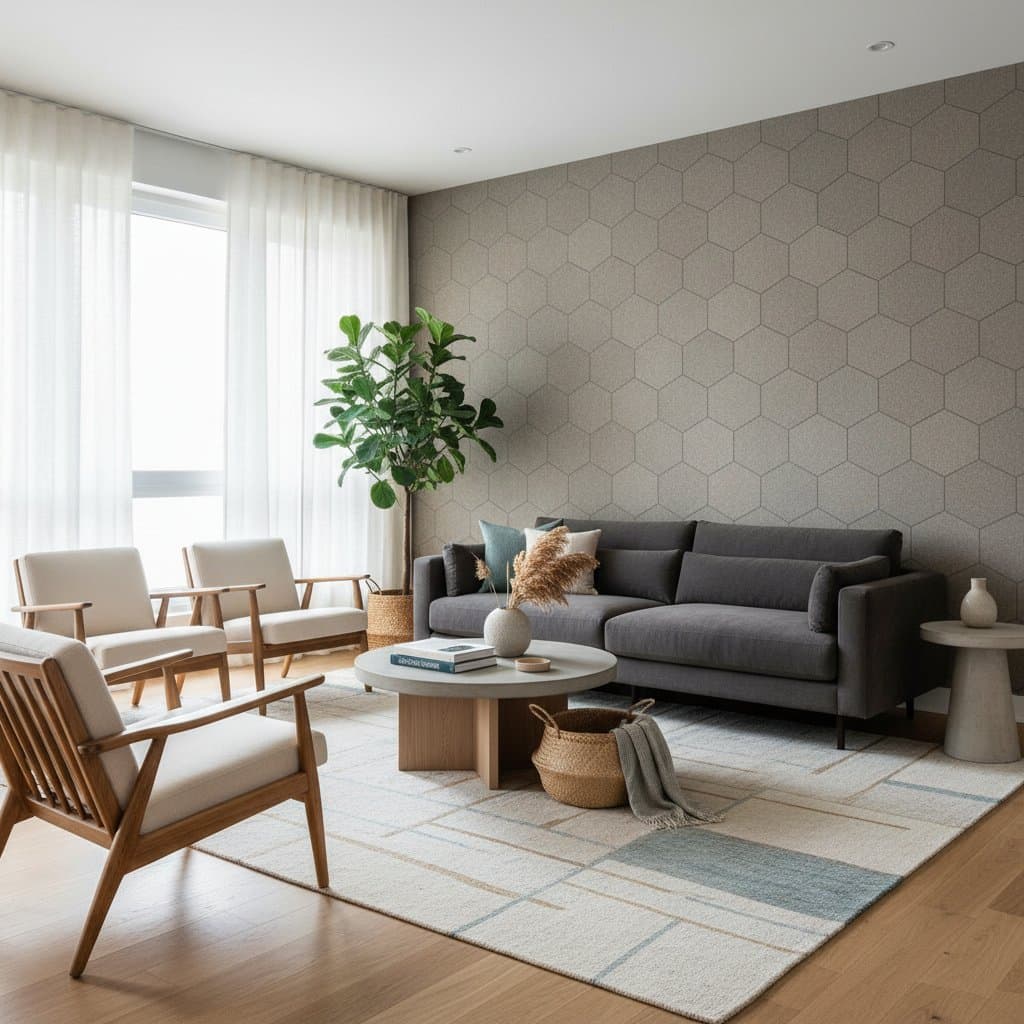
Gen Z bedrooms often began as neutral voids: white walls, gray linens, and sparse adornments. This palette promised serenity and simplicity, yet it evolved into something detached. Homeowner Taylor Nguyen recalls, "It lacked texture, and it did not reflect who I was," after transforming her compact bedroom into a grandmillennial haven. Harsh overhead lighting created stark shadows, and limited storage hindered organization.
Such setups prioritized utility over enjoyment. Bedrooms served merely as rest areas, devoid of vibrancy or softness. The uniformity fostered a sense of isolation from one's environment.
After: Layers of Pattern and Comfort
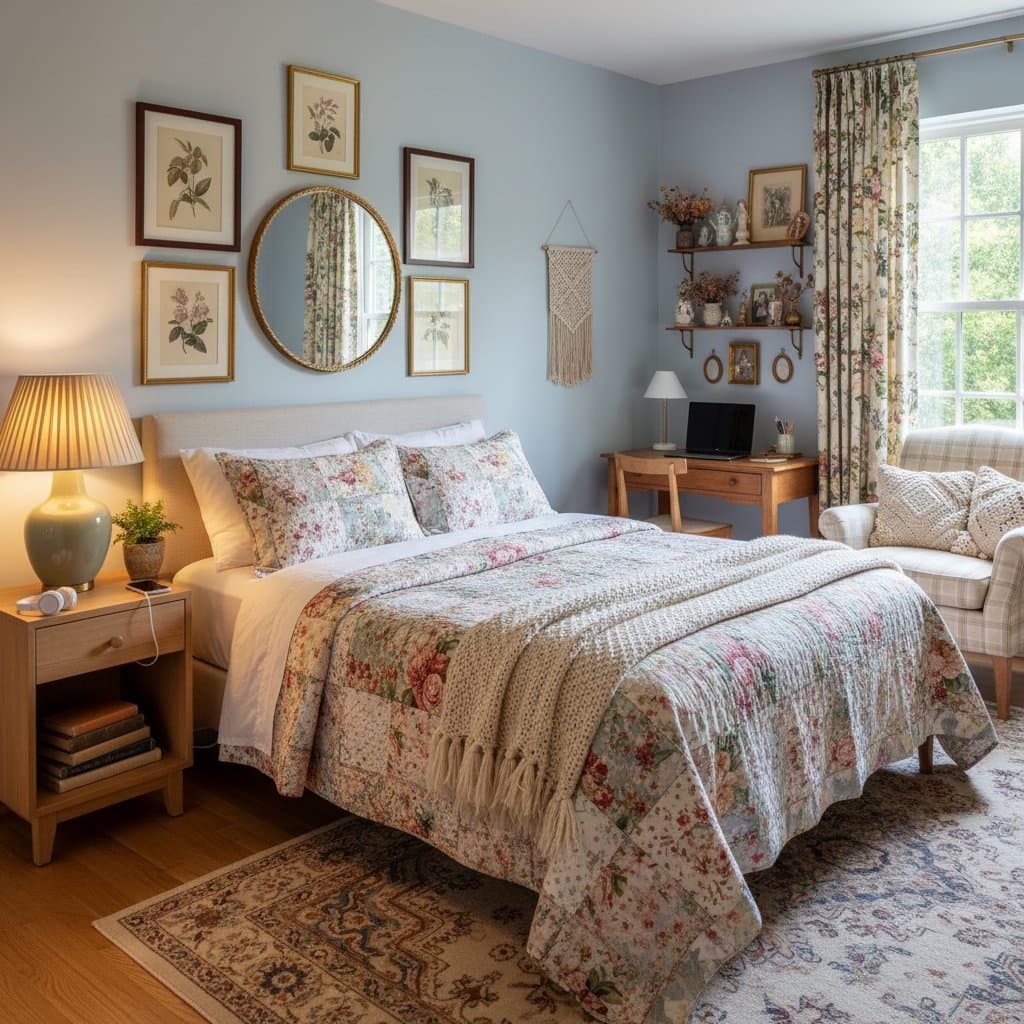
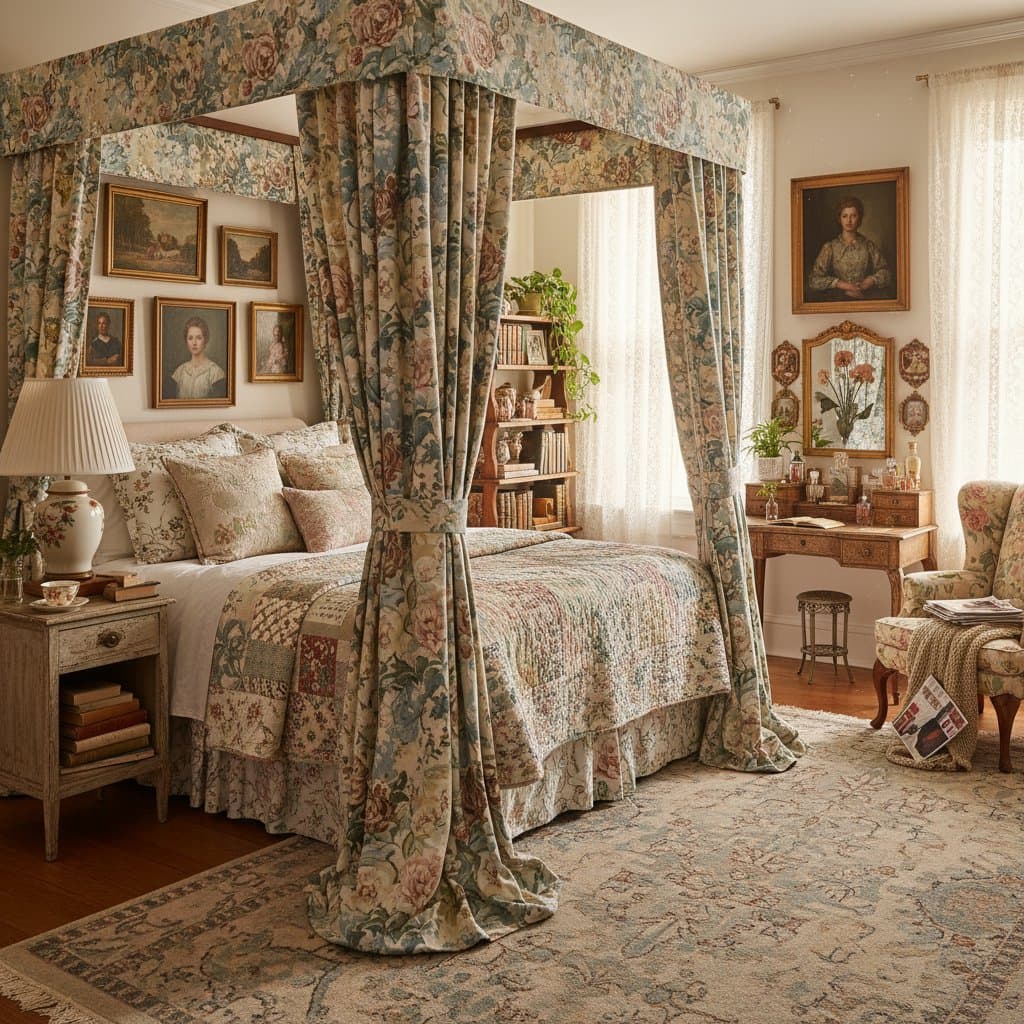
A grandmillennial refresh transforms spaces into curated collections, avoiding chaos. Taylor swapped gray walls for soft blue wallpaper adorned with white vines. Bare windows now feature floral drapes that gently pool on the floor, easing the room's contours. A vintage dresser with polished brass pulls grounds one wall, its patina adding subtle history.
Lighting shifts dramatically. Multiple sources supplant the single fixture: pleated-shade table lamps flank the bed, and a wall sconce illuminates a reading nook. This arrangement bathes the room in a welcoming glow.
Storage integrates discreetly. Woven baskets under the bed hold linens, and a slim armoire with mirrored doors conceals off-season attire. Patterns and textures invite without overwhelming, as each component fulfills a role.
Key Design Elements
- Wall Treatments: Subtle wallpapers with repeating motifs or muted florals in blues, greens, or blush hues.
- Bedding: Quilted coverlets topped with embroidered shams or scalloped pillowcases.
- Furniture: Curved wooden pieces in painted or natural finishes, sourced vintage or reproduced.
- Lighting: Fabric-pleated shades on brass or ceramic bases, paired with warm white bulbs for diffusion.
- Accessories: Framed botanical illustrations, ceramic sculptures, and curated stacks of literature.
- Textiles: Skirted side tables, ruffled window treatments, and needlepoint accents for tactile depth.
These components foster a comforting familiarity central to grandmillennial design. The intent lies in reimagining heritage with contemporary practicality, not mere replication.
Adapting the Style to Compact Spaces
Grandmillennial elements suit smaller footprints effortlessly, aligning with Gen Z's urban realities. Layered textiles muffle noise, intricate walls mask flaws, and vintage furnishings scale well to modest rooms, outperforming bulky contemporaries.
Designer Malik Porter explains, "This style celebrates smallness instead of fighting it. A cozy bedroom can feel like a sanctuary when you fill it with pattern, color, and comfort." Blending eras and materials renders tight quarters deliberate and rich.
Sustainable and Accessible Approaches
Sustainability resonates with Gen Z values, and grandmillennial style supports it through reuse. Thrift outlets, estate auctions, and online resellers yield affordable vintage items with reduced ecological footprints compared to new production. Reviving a chair via reupholstery or refreshing a dresser with paint extends the creative journey.
Chloe Ramirez adds, "Decorating this way teaches patience. You build your room piece by piece instead of ordering everything at once. That is what makes it personal."
Luxury here emphasizes craft and provenance over flawlessness. A hand-stitched quilt outweighs a factory duvet in sentiment, amplifying authenticity's appeal.
Steps to Implement the Style
Begin with a single focal point to ease transition. Introduce a patterned lampshade or floral cushion to alter ambiance subtly. When combining motifs, alternate scales and textures, like a bold botanical alongside fine gingham or stripes. Anchor with a palette of three to four harmonious colors for unity.
Prioritize illumination: incorporate at least three layers, including bedside lamps, a floor fixture, and an accent. This diffused light tempers pattern intensity.
From a minimalist starting point, incorporate wood grains or antique brass fittings. These additions infuse warmth and link new items to heirloom vibes.
Sustaining the Design Over Time
Grandmillennial style nurtures ongoing engagement through collecting, mending, and appreciation. This philosophy aligns with Gen Z's commitment to eco-conscious living and self-expression, yielding bedrooms that evolve as personal narratives unfold.