Luxury Meets Silence: The Power of Acoustic Ceilings
Picture a living room where conversations unfold naturally, music fills the space with depth yet subtlety, and individual reflections stand out amid gentle quiet. An effective acoustic ceiling delivers this refined peace. Though unobtrusive visually, it transforms daily experiences by promoting calm, clarity, and a subtle form of luxury rooted in managed sound.
Even after updating floors and adding stylish fixtures, a residence might feel incomplete if echoes from footsteps or the hum of appliances interrupt serenity. Acoustic ceilings resolve this by reshaping both the visual and auditory landscapes. They provide tangible comfort that lifts routine moments into something more elevated.
The Modern Pursuit of Silence
Noise stands as one of the most underappreciated causes of discomfort in homes. Sounds from distant traffic, voices in nearby rooms, or clinking dishes build up over time, eroding concentration, increasing exhaustion, and disrupting otherwise appealing settings.
Acoustic ceilings offer a sophisticated remedy by integrating innovative materials with thoughtful design to capture sound waves rather than let them rebound. These solutions fit seamlessly into tranquil bedrooms, efficient home offices, or engaging dining areas, creating customized acoustic environments that meet precise room requirements.
What Makes an Acoustic Ceiling Luxurious
Today's luxury prioritizes sensory experiences over extravagant displays. A high-quality home projects ease, tranquility, and individuality. Acoustic ceilings capture this essence by improving emotional well-being through exceptional sound control, all while remaining discreet.
-
Texture and Material Choices
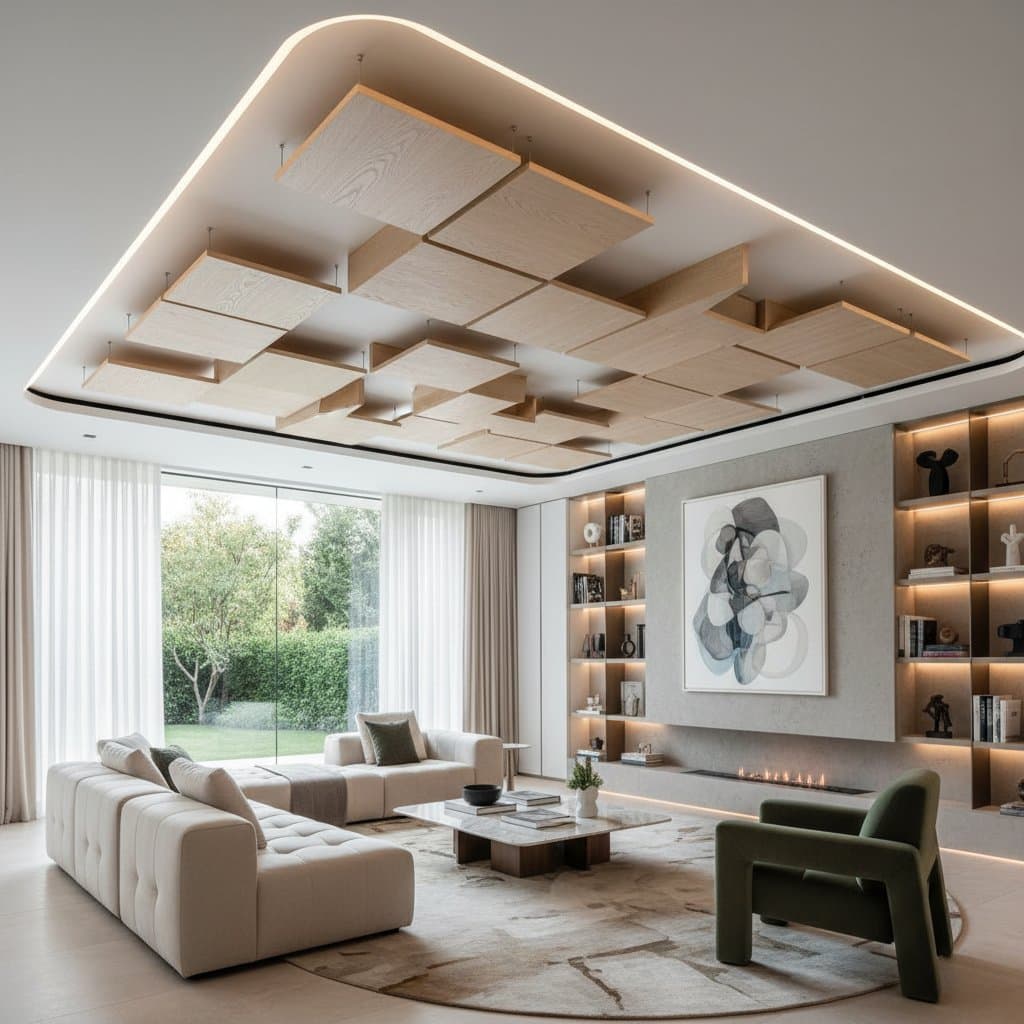
Select from understated mineral fiber panels to custom wood or fabric-covered options. In upscale interiors, professionals choose materials that complement existing features, such as woven textiles for contemporary open-plan spaces or slotted wooden panels for elegant studies. -
Seamless Integration
Modern installations use hidden support grids, smooth borders, and built-in illumination to maintain the room's architectural flow. The process emphasizes overall sensory harmony rather than standalone elements. -
Performance Meets Design
These panels focus on capturing targeted sound frequencies to achieve organic quiet without a hollow feel. Ideal setups combine absorption with controlled reflection, preserving the space's natural energy.
Common Noise Challenges at Home
Every residence has distinct acoustic characteristics. Identifying specific problems directs targeted solutions.
- Open Concept Spaces: Such designs often heighten echoes; treatments on ceilings and walls reduce this effect.
- Hard Surfaces: Elements like tile, glass, or polished wood bounce sound, amplifying unwanted noise.
- Multi-Use Rooms: Flexible areas benefit from adjustable systems that support both professional tasks and relaxation.
- High Ceilings: While they add drama, these heights encourage prolonged sound travel.
Addressing these points unlocks the full potential of acoustic treatments.
Types of Acoustic Ceiling Systems
A range of acoustic ceiling options gives designers flexible approaches.
-
Suspended Acoustic Ceilings
Tile systems on grids work well in basements, studies, or casual gathering spots, providing easy access to plumbing or wiring while managing sound. -
Direct-Mount Panels
Ideal for rooms with lower heights, these attach straight to the surface and allow for creative arrangements. -
Coffered or Decorative Acoustic Ceilings
Classic styles with hidden sound-dampening layers maintain traditional charm while optimizing audio in refined homes. -
Custom Fabric or Wood Systems
Bespoke coverings in textiles or thin wood layers match interior themes, turning acoustic function into a design feature.
Step-by-Step: How to Plan Your Acoustic Ceiling
-
Assess the Room’s Acoustics
Stand in the center and clap sharply; lingering echoes indicate a need for better absorption. Note reflection sources, such as bare walls or large windows. -
Define Function and Design Goals
Media rooms call for strong isolation, while dining areas need balanced sound for clear exchanges. Specify the mood you aim to achieve. -
Consult a Professional
Experts evaluate echo levels and recommend suitable materials. Platforms that connect clients with verified installers streamline the search. -
Set Your Budget Range
Standard panels run about $5 to $10 per square foot; bespoke designs reach $20 or more. Include labor costs in your planning. -
Obtain Permits if Necessary
Alterations affecting structure, electricity, or ventilation systems often require local approvals. Installers confirm compliance. -
Plan Lighting and Fixtures
Coordinate slim LED inserts with vented panels to blend utility and style seamlessly. -
Schedule Installation
Timelines range from one day for small areas to a week for larger projects; remove furniture and ensure good airflow beforehand.
Balancing Aesthetics and Function
Strong design weaves visual appeal with practical benefits, eliminating compromises. Combine elements like upholstered panels alongside stone accents to soften audio while honoring the room's personality.
Color influences both light and sound dynamics: Pale tones brighten areas by diffusing reflections; richer hues contain noise for cozy settings. Opt for off-white ceilings to make lounges feel expansive, or charcoal shades to deepen immersion in viewing spaces.
Sustainability and Maintenance Considerations
Many current options feature recycled content, responsibly sourced timber, and non-toxic fabrics, which support healthier indoor air and effective sound management.
Routine upkeep includes light dusting with a soft brush or microfiber cloth. Choose water-repellent varieties for kitchens or baths to prevent damage. Adhere to product-specific care instructions to sustain long-term efficiency.
Beyond Homes: Where Else Silence Matters
Acoustic ceilings extend their advantages to various settings. In eateries, they create private nooks despite bustling crowds. Workplaces see gains in employee output from reduced distractions. Spas and gyms encourage deeper calm. Everywhere applied, precise sound control makes auditory details intentional and supportive.
Costs and Value Considerations
Selections fit different financial levels, each offering strong returns.
- Entry Level: Basic mineral or foam-based tiles provide economical fixes for modest or temporary setups.
- Mid Range: Veneered wood or enhanced plaster options upgrade appearance and performance.
- Premium: Tailored assemblies with smart integrations deliver top-tier results.
Labor depends on project details; initial assessments and simulations help refine choices. Over time, benefits encompass greater ease, higher resale appeal, and even better insulation.
Safety and Professional Guidance
All approved materials meet rigorous fire standards with documented safety profiles. Review certifications before committing. Skilled teams handle electrical integrations and structural adjustments to uphold codes.
Select providers experienced in both aesthetics and technical acoustics. Referral networks verify qualifications, ensuring accurate implementation from start to finish.
Transforming Everyday Living
Consider starting the day with diffused sunlight and enveloping stillness. Shared meals invite effortless conversation. Work sessions sharpen attention, and relaxed nights offer resonant warmth. Acoustic ceilings facilitate these enhancements via targeted tranquility.
Such systems support holistic health by aiding sleep, mental sharpness, and meaningful interactions. A space that harmonizes sight and sound embodies genuine elegance.
Steps to Upgrade Your Sanctuary
Start the process today: Reach out to area professionals through trusted matching platforms. Design ceilings that turn luxury into a multisensory reality defined by peace.