How Designer Acoustic Panels Blend Silence and Style in Modern Homes
Noise pollution invades homes through the hum of appliances, echoes in open layouts, or sound bouncing off hard surfaces. These disturbances undermine the calm that indoor spaces should provide. Traditional soundproofing belongs to studios and offices, yet designer acoustic panels bring this technology into residences. They reduce unwanted noise, improve sound quality, and add decorative value.
These panels create peaceful, upscale environments that support privacy and relaxation. Remote workers gain focus during calls, hosts enjoy clearer gatherings, and readers find undisturbed corners. Such enhancements make rooms more welcoming and balanced.
The Appeal of Balanced Acoustics
Soundscapes shape moods in subtle ways. Strong echoes can invigorate a room, but constant background noise often causes stress. Ideal acoustics soften voices, enhance music, and make silence feel restorative rather than empty.
Designer acoustic panels achieve this balance while preserving design elements. They come in soft fabrics, custom patterns, and natural materials to match various styles. Architects and interior experts now treat these panels as statement pieces that control sound.
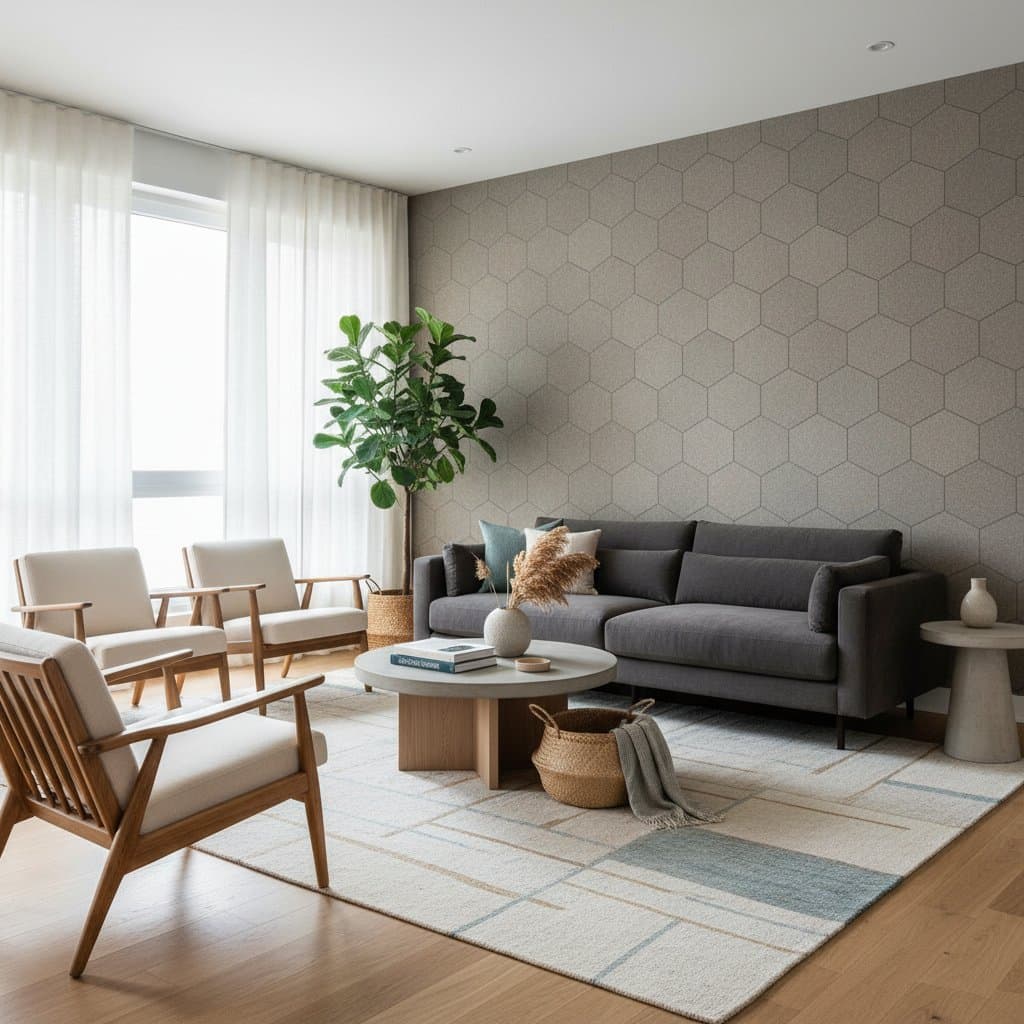
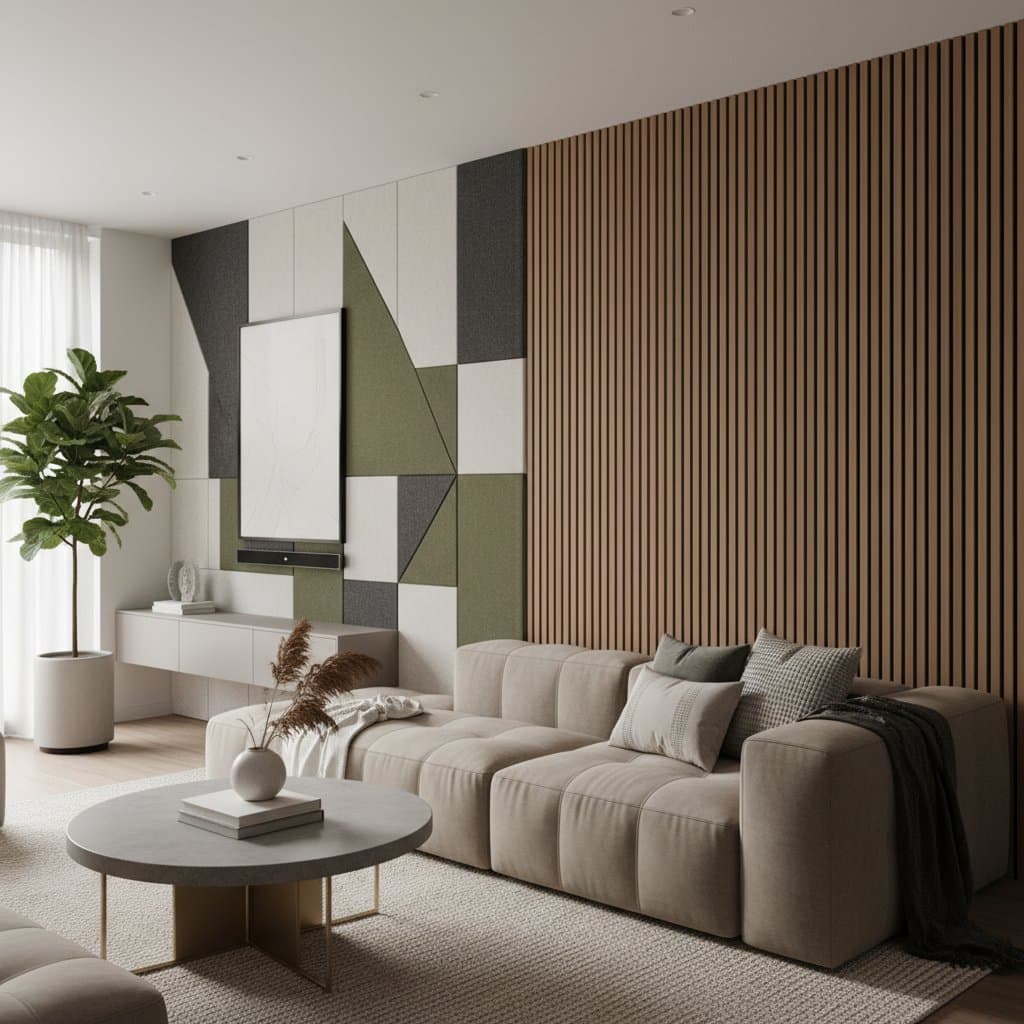
Picture neutral wool felt panels on a living room wall, adding texture behind a sofa. Or consider geometric wood designs suspended above a home office, mimicking modern art. These elements reduce noise and bring depth, warmth, and interest to spaces.
Materials for Acoustic and Visual Harmony
Acoustic panels work by trapping sound waves that would bounce and amplify. Choices balance performance with appearance to suit different needs.
Key options include:
- Wool felt: Dense and flexible, this material provides natural warmth in a wide range of colors. It fits living rooms or offices that need a cozy, tailored feel.
- Wood slat designs: Thin wooden strips cover absorbent cores, offering a modern, crafted look. They work well in hallways or as ceiling features.
- Fabric-wrapped panels: Covered in linen, cotton, or synthetic fabrics, these allow customization to match upholstery or rugs.
- Eco-friendly choices: Made from recycled fibers or compressed cork, these suit minimalist or nature-inspired rooms.
Pick materials based on the room's purpose. Soft wool felt suits a quiet reading nook, while wood slats complement a dining area's clean lines.
Strategic Placement in Residential Settings
Full-room coverage rarely proves necessary for noticeable results. Focused placements target echoes and direct sound effectively.
Target these areas:
- Open living areas: Large spaces with hard floors and few fabrics amplify noise. Install panels on high walls or ceilings to diffuse sound evenly.
- Home offices: Less distraction improves productivity. Place panels behind desks or facing screens to cut echo during video meetings.
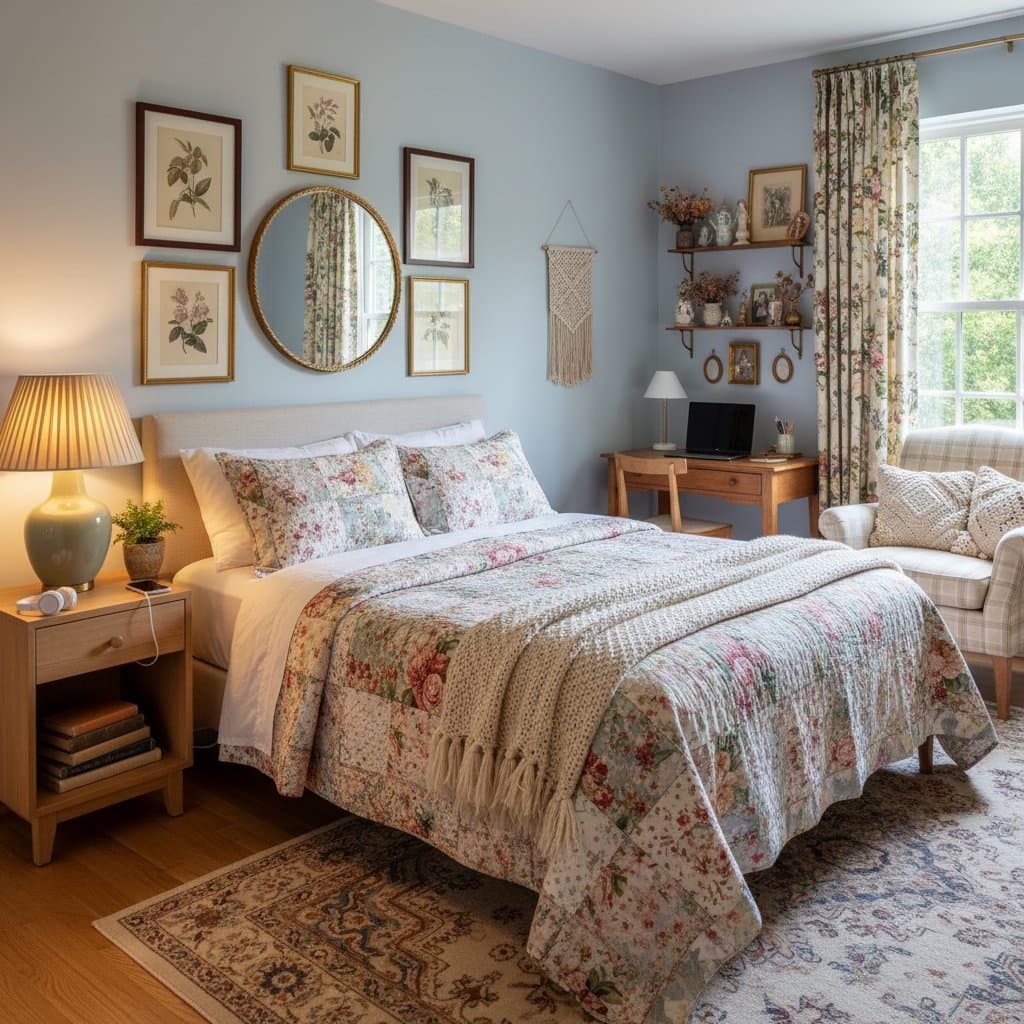
- Bedrooms: Add panels above headboards or on one wall to create a cocoon of calm for sleep.
- Hallways: Footsteps echo here. Vertical panels along walls break sound travel and add visual rhythm.
- Media rooms: Controlled sound boosts movie experiences. Position panels around screens to refine audio clarity and volume.
Start small with one wall or ceiling section. Listen for changes, then expand based on results.
Integrating Design and Utility
Designer acoustic panels merge seamlessly with decor. Match them to wall colors for subtlety or make them focal points. Modular designs let users swap colors and shapes, turning sound control into a design project.
Treat panels as tools for self-expression. Green felt grids add subtle pattern to neutral walls. Long wood panels draw the eye upward, making ceilings feel taller while absorbing sound. Curved or floral tiles soften sharp modern edges.
Lighting amplifies their effect. Gentle light grazing textures highlights shapes and adds dimension. This combination of light, texture, and quiet sound builds layered sophistication in homes.
Practical Guide to Acoustic Enhancements
Introduce panels with a step-by-step plan that avoids big changes. This method ensures smooth integration.
- Identify problem spots. Walk through rooms and listen for echoes or harsh sounds.
- Choose fitting materials. Match to your style, like natural wood for organics or soft fabrics for comfort.
- Measure and plan spots. Sketch walls and mark high-impact areas for coverage.
- Install safely. Use hooks, glue, or frames as directed for secure, non-damaging attachment.
- Test the results. Spend time in the space to hear improvements, like clearer voices or longer relaxation periods.
Focus on subtle calm that supports daily life, not total silence.
Addressing Installation Concerns
Cost or skill worries often hold people back. Start with affordable, removable options like peel-and-stick felt or clip-on units for testing.
Build up gradually to fit budgets. For style clashes, coordinate colors with room schemes or echo patterns from furniture. View panels as part of the room's story, enhancing the overall flow.
Cultivating Beneficial Auditory Environments
Acoustic upgrades earn lasting value through their quiet power. Conversations become distinct, and music gains nuance.
These changes go beyond lowering volume. They support well-being by shaping sound intentionally, much like choosing colors or textures.
Steps to Serene Home Acoustics
Persistent noise or emptiness signals a need for balance. Acoustic panels serve as both tools and design partners.
Step into a favorite room and assess its sound. Note what feels balanced or off. Imagine panels in key spots to add poise. Small actions lead to real peace.