Why Gen Z Embraces Grandmillennial Bedroom Style
The grandmillennial aesthetic, commonly known as granny chic, gains popularity among Gen Z in their bedrooms. This style revives vintage elements such as floral prints, pleated lampshades, and embroidered linens to create spaces that emphasize individuality and comfort. For a generation accustomed to digital minimalism, the shift toward layered fabrics and sentimental details provides a sense of rebellion and stability.
This trend extends beyond mere decoration. It focuses on crafting personal retreats that appear collected over time rather than meticulously curated. Designers highlight how this approach honors imperfection and personal history, transforming bedrooms into authentic living spaces.
Key Elements at a Glance
- Audience: Gen Z individuals, including homeowners and renters, who prioritize comfort and unique expression
- Settings: Compact urban apartments, shared living spaces, and modest homes
- Core Style: Grandmillennial with vintage influences and maximalist touches
- Primary Objectives: Develop cozy, multi-layered bedrooms that integrate nostalgic elements with contemporary functionality
The Shift from Minimalism
Minimalist designs once filled social media platforms with their clean lines and neutral palettes. White walls, low-profile furniture, and simple bedding symbolized sophistication for many. However, younger adults often discovered that such spaces lacked warmth and felt more like transient setups than comforting havens.
Designer Lily Tran from Studio Bramble explains this evolution. People initially sought simplicity for peace, yet they soon craved depth and character, she notes. In a world dominated by screens, rooms filled with patterns and heritage items offer a refreshing contrast.
Gen Z faces practical hurdles in adopting this style, including limited space, modest budgets, and frequent moves. They adapt by selecting versatile pieces that blend thrifted treasures with essential modern updates. This method allows for gradual personalization without overwhelming constraints.
Introducing Layered Patterns
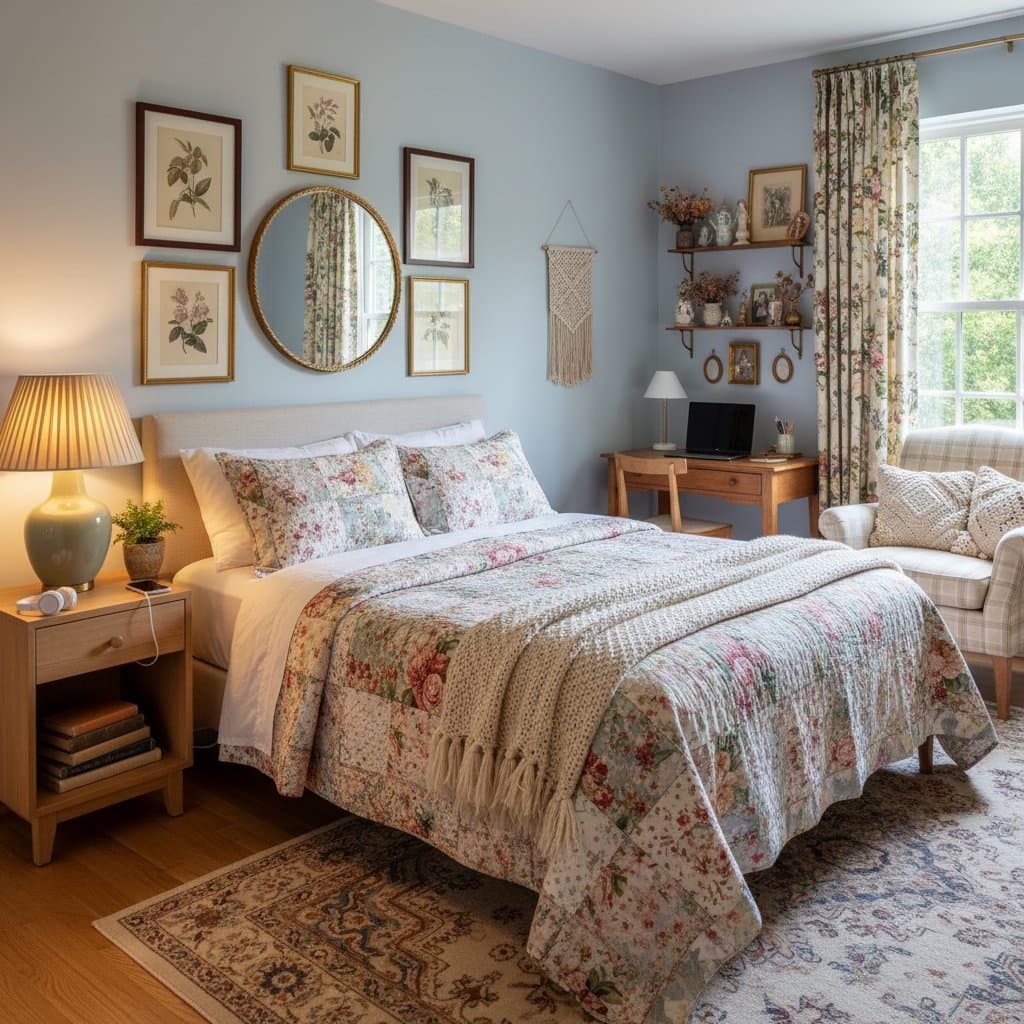
Grandmillennial bedrooms now feature thoughtful contrasts that enhance visual interest. Consider floral wallpaper alongside sleek nightstands or ruffled duvet covers beneath modern geometric lighting. These combinations deliver expressiveness without disorder and nostalgia without obsolescence.
In one project, designer Samuel Ortiz transformed a small apartment bedroom for a young couple. He applied vintage-inspired chintz fabric to curtains and the headboard while opting for neutral linens on the bed. The strategy placed intricate patterns along edges to add detail without reducing the room's openness.
Renters benefit particularly from this textile-driven approach, as it avoids permanent changes to walls or floors. Options like stacked quilts, detailed pillow shams, and edged cases introduce personality swiftly. Many in Gen Z also select pre-owned furniture to support budgets and environmental goals, such as refinishing a side table or reupholstering a chair to infuse narrative elements while minimizing waste.
Essential Design Components
- Walls: Subtle floral or toile patterns in wallpaper, including renter-friendly peel-and-stick varieties
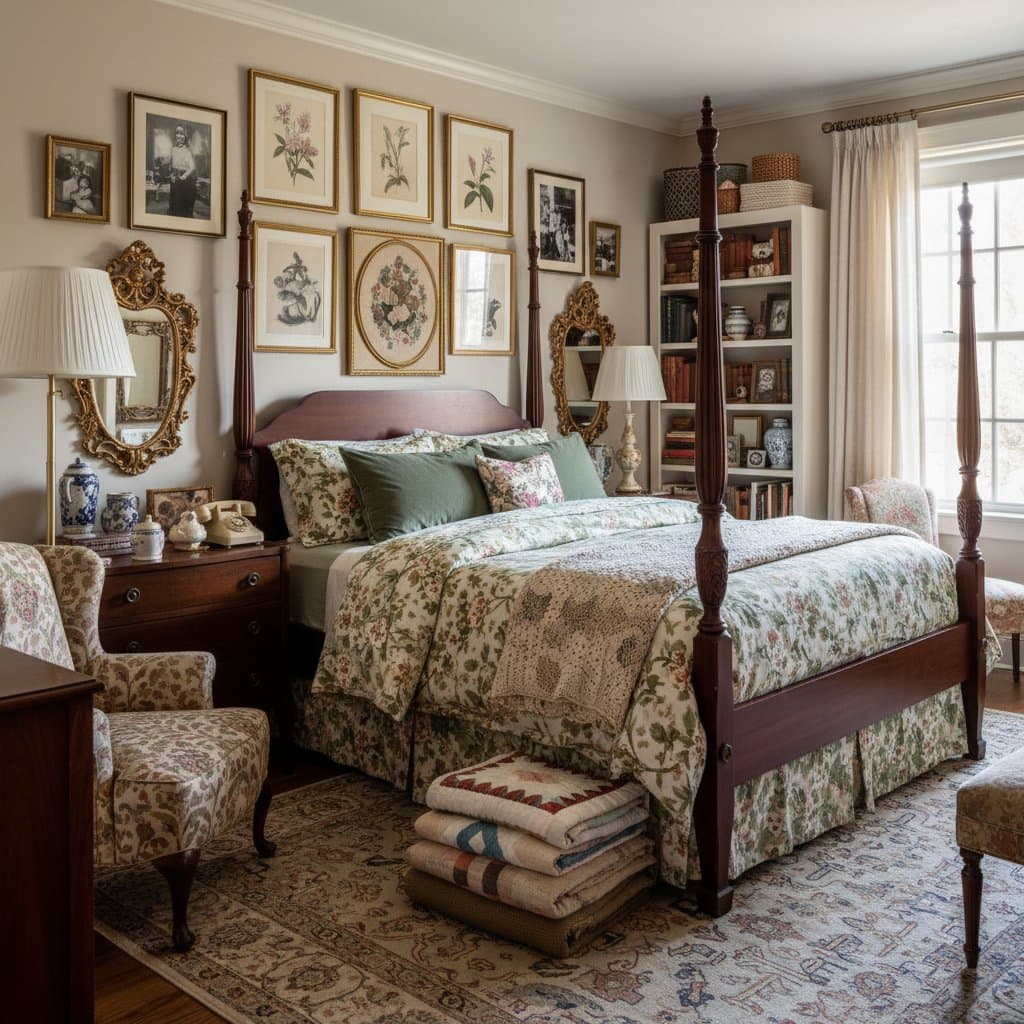
- Bedding: Quilted spreads, coordinated yet varied prints, ruffled edges, and embroidered accents
- Lighting: Lampshades with pleats or scallops, slim brass wall fixtures, and multiple layers for task and ambient illumination
- Furniture: Items with vintage appeal or replicas featuring turned legs, painted surfaces, and soft curves
- Storage Solutions: Woven baskets beneath beds, draped dressers concealing containers, and wall-mounted hooks for organized displays
- Color Choices: Gentle hues like powder blue, soft pink, sage green, cream, and subdued gold to foster warmth and cohesion
Photographers appreciate how these elements alter light dynamics compared to minimalist setups. Fabrics diffuse illumination softly, while patterns reflect it to build intimacy. This effect makes compact rooms appear more inviting and individualized, drawing attention to tactile qualities over empty expanses.
Reasons for Its Appeal
Grandmillennial design aligns with Gen Z's desire to weave narratives into their surroundings. A vintage teacup on the nightstand or an embroidered cushion on the chair evokes a lifestyle rooted in meaningful experiences rather than fleeting trends. Platforms that once favored polished modernity now celebrate genuine, personal expressions, making such rooms more engaging and approachable.
Interior stylist Nina Perez points out a deeper motivation. This generation prioritizes emotional resonance alongside visual appeal, she says. They seek designs that maintain photogenic quality yet provide sincere comfort in daily use.
Sustainability further strengthens the style's draw. Opting for vintage or family heirlooms cuts down on new production and environmental impact. Retailers respond with lines featuring classic fabrics and shapes, signaling the broad acceptance of nostalgic influences in contemporary homes.
Steps to Incorporate the Style
Adopting grandmillennial elements requires no complete renovation. Focus on gradual layering to infuse both visual and emotional depth. Begin modestly and allow the space to develop organically.
- Introduce a featured textile: Select a moderate-scale floral or striped piece for the bed or window treatments to add interest without clutter.
- Combine eras thoughtfully: Match a secondhand lamp base with a contemporary table, using contrast to maintain equilibrium.
- Select ambient lighting: Choose warm-toned table lamps or wall-mounted options, steering clear of stark ceiling lights.
- Place personal artifacts: Position items like framed needlework, stacked old books, or a familial vase to evoke history and connection.
- Apply balanced symmetry: Use paired lamps or evenly arranged artwork to temper the abundance of details.
In smaller bedrooms, proportion plays a crucial role. Upholster a headboard in fine floral fabric to test patterns safely. Add skirting to a bedside table for concealed storage with elegant flair. A lone ruffled cushion can subtly shift a plain bed's atmosphere.
Potential Drawbacks and Solutions
This style enhances coziness but demands consistent maintenance. Detailed fabrics attract dust, and multi-layered bedding requires frequent laundering. Frequent relocations complicate moving heavy vintage items, so prioritize portable alternatives like washable covers, hung fabrics, and temporary wall treatments.
Financial considerations guide the extent of investment. Authentic antiques carry higher costs, but affordable replicas mimic desired forms and textures. For renters, durable textiles offer versatility, as they relocate easily and improve with use.
Practical Storage Strategies
- Mount slim shelves over the headboard to hold books and framed images.
- Employ full-length bed skirts to conceal underbed containers.
- Position stacked antique-style trunks at the bed's end for dual-purpose storage and decoration.
- Attach fabric organizers or pockets to the door's interior for small items.
- Maintain clear surfaces by swapping out display pieces with the seasons.
These techniques keep functionality intact amid the style's decorative layers.
Evolving with the Space
Grandmillennial design excels in flexibility, accommodating life's changes while retaining its core warmth. Bedrooms assembled around patterns, ease, and personal tales adapt seamlessly through swaps in fabrics, fresh paint on furniture, or rearranged collections.
As Gen Z continues to adopt this aesthetic, they reshape nostalgia for current contexts. Elements like patterned drapes, fringed pillows, and inherited cabinets remind inhabitants that genuine comfort thrives alongside distinctive character. Designer Lily Tran captures the essence: Every object in a grandmillennial room tells a little story. Together they create something deeply human. That is what makes the space worth coming home to.
Through its embrace of texture and heritage, this approach counters minimalism's cool detachment. For Gen Z, the grandmillennial bedroom becomes a cultivated haven, built one thoughtful detail at a time.