Why Gen Z Embraces Grandmillennial Bedroom Style
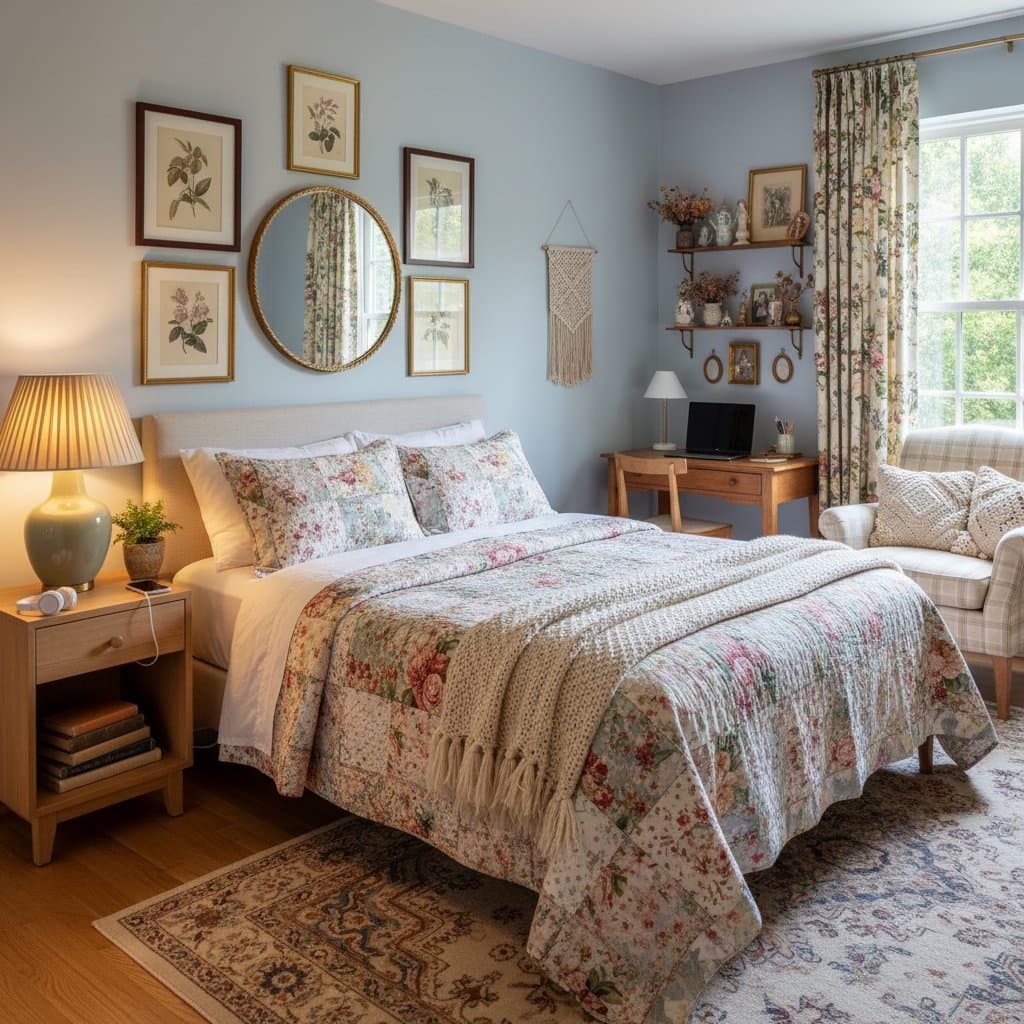
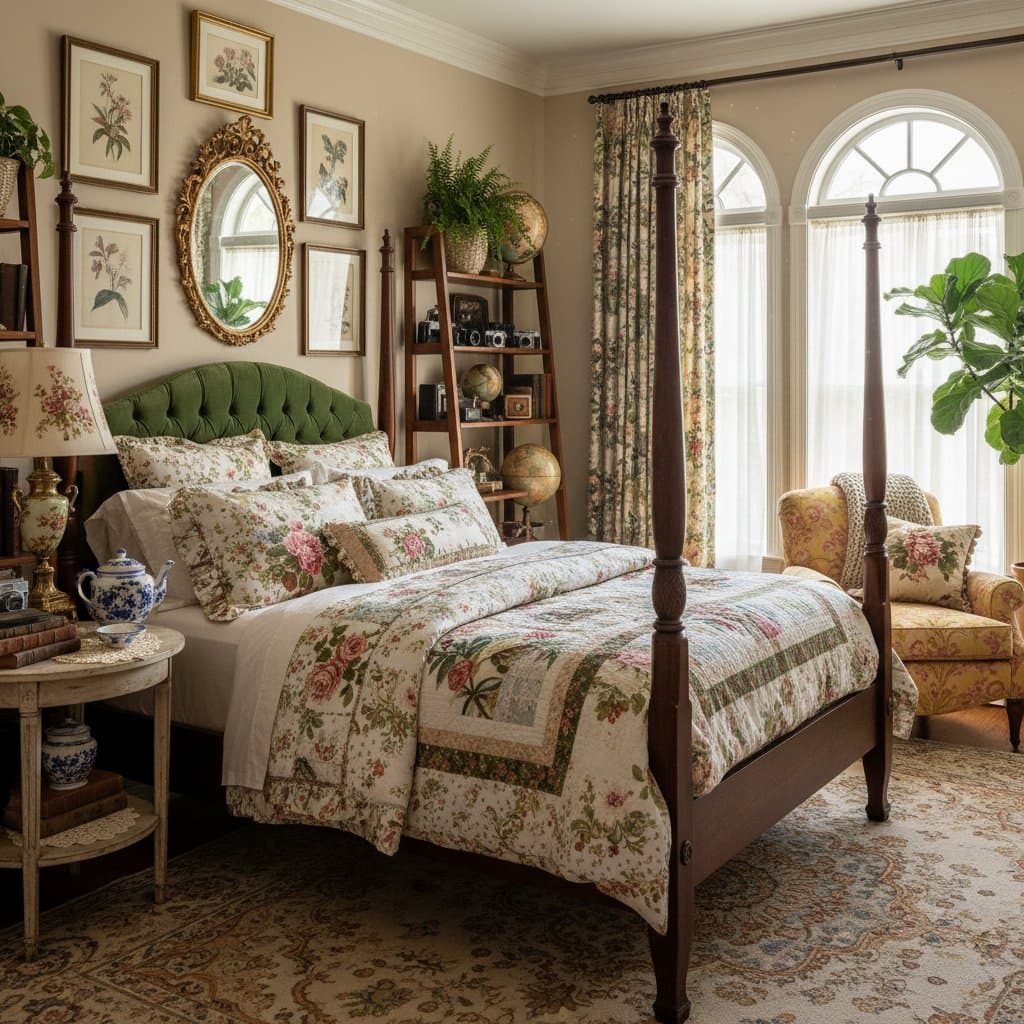
Younger homeowners and renters often surprise observers by selecting floral prints, ruffled lampshades, and wicker headboards for their bedrooms. These elements evoke the aesthetics of past generations. This preference defines grandmillennial style, a design approach that rejects the stark precision of minimalism in favor of layered comfort. Bedrooms serve as the primary canvas for this trend.
Gen Z individuals, familiar with technology and brief interactions, gravitate toward this intricate, heritage-inspired aesthetic. The attraction stems from a desire for tangible warmth amid virtual experiences. Craftsmanship and subtle flaws also appeal, alongside the enjoyment of blending traditional patterns with contemporary wit. Grandmillennial style emerges as a prominent trend, with bedrooms at its core.
A Return to Real Materials
Grandmillennial bedrooms emphasize natural elements over artificial gloss. Rattan furniture, linen fabrics, brass fixtures, and wooden accents appear frequently, complete with signs of age. This choice extends beyond appearance to embody a pursuit of genuineness. Gen Z consumers, exposed to rapid turnover in clothing and furnishings, now seek items that develop character over time.
A brass bed frame bearing light scratches conveys reliability. A quilt assembled from assorted cotton pieces preserves narratives. A pre-owned dresser with drawers that resist slightly opening reveals personal history. Such items provide a sense of solidity, differing from the ephemeral nature of online existence.
Quick Fix
To begin modestly, replace a manufactured throw blanket with one featuring authentic texture. Select a thick cotton knit or an aged wool plaid for immediate impact. Complement it with a wooden serving tray or a ceramic table lamp to harmonize the elements. The space acquires a grounded quality, as though anchored by enduring foundations.
Old Meets New in Just the Right Measure
Effective grandmillennial bedrooms integrate historical references with current functionality. A frilled bed skirt may neighbor a streamlined charging station for devices. An antique dressing table could conceal a cordless audio device within its compartments. This combination prevents the design from appearing contrived.
Gen Z designers excel at adapting periods through selective curation. They source from secondhand markets, apply fresh paint, and refresh upholstery. Strategic differences maintain visual interest. Floral wall coverings can coexist with plain white ceilings. A rattan seat might benefit from a vibrant cushion in a bold hue. The outcome yields a space that transcends time while remaining vibrant.
Why It Works
This fusion of heritage and innovation parallels Gen Z perspectives on self-expression. Individuals in this group draw from historical contexts to forge unique paths. Furnishing a bedroom with classic allure and practical amenities captures this balance authentically.
Emotional Safety in Nostalgia
Nostalgia offers emotional security, a key factor in the style's popularity. In times of instability, surroundings reminiscent of earlier periods foster tranquility. Floral drapes and delicate edging may evoke shared meals or visits to relatives' homes. This comfort operates on both visual and mental levels.
The bedroom transforms into a retreat where pace diminishes. Layers encourage interaction and recollection, unlike smooth finishes and concealed compartments. A hand-knitted coverlet may retain faint herbal aromas. An older bureau produces a soft sound upon access. These nuances link routine moments to lasting elements.
Small Touches That Help
-
Framed family photographs in varied casings introduce subtle recognition
-
Vintage timepieces or light fixtures contribute soft auditory and luminous effects
-
Hand-scripted messages or correspondence attached to a reflective surface establish ongoing narrative
Each addition signals a return to familiarity. Such assurance proves essential in a resting area.
Making It Happen
To adopt grandmillennial elements, focus on a single area initially. Incorporate a patterned textile, a gathered cushion, or a retro light source. Observe the shift in atmosphere, then expand gradually. The aim involves personal adaptation rather than replication of inherited spaces.
Consider these accessible starting points:
-
Prioritize fabrics. Exchange neutral linens for options with motifs or tactile qualities.
-
Incorporate timber elements. Position a wooden stool or bedside table for swift enhancement.
-
Explore storage areas or resale outlets. Existing possessions often align seamlessly.
-
Combine metallic finishes. Gold-toned, silver, or weathered alloys integrate effortlessly.
-
Maintain levity. Select whimsical motifs or unexpected accents to sustain ease.
As elements accumulate, the environment develops its unique character. The space becomes more inviting upon return and more aligned with personal taste. Flexibility defines the style, allowing variations in tone, intensity, or refinement based on selections.
Living with Your Design
With grandmillennial features in place, usage patterns may evolve. Individuals spend extended periods reclining with reading material. Sensory details, such as fabric grains, draw attention. Collections of delicate china or stitched cloths may form naturally. Emphasis rests on enjoyment over flawlessness.
Gen Z reinterprets seemingly dated conventions into subtle innovation: an affirmation of deliberate pace, ease, and uniqueness. Against demands for perpetual updates, the grandmillennial bedroom advocates retention and thoughtful addition. It embodies recollection and creativity, beyond fleeting fashions.
Sustainability enhances the appeal. Valuing present items minimizes excess. Imperfections in pottery or textiles signify distinction. The bedroom matures organically, echoing ancestral practices.
This philosophy of stewardship underlies the trend. Care extends to possessions, legacies, and serene routines that cultivate belonging.